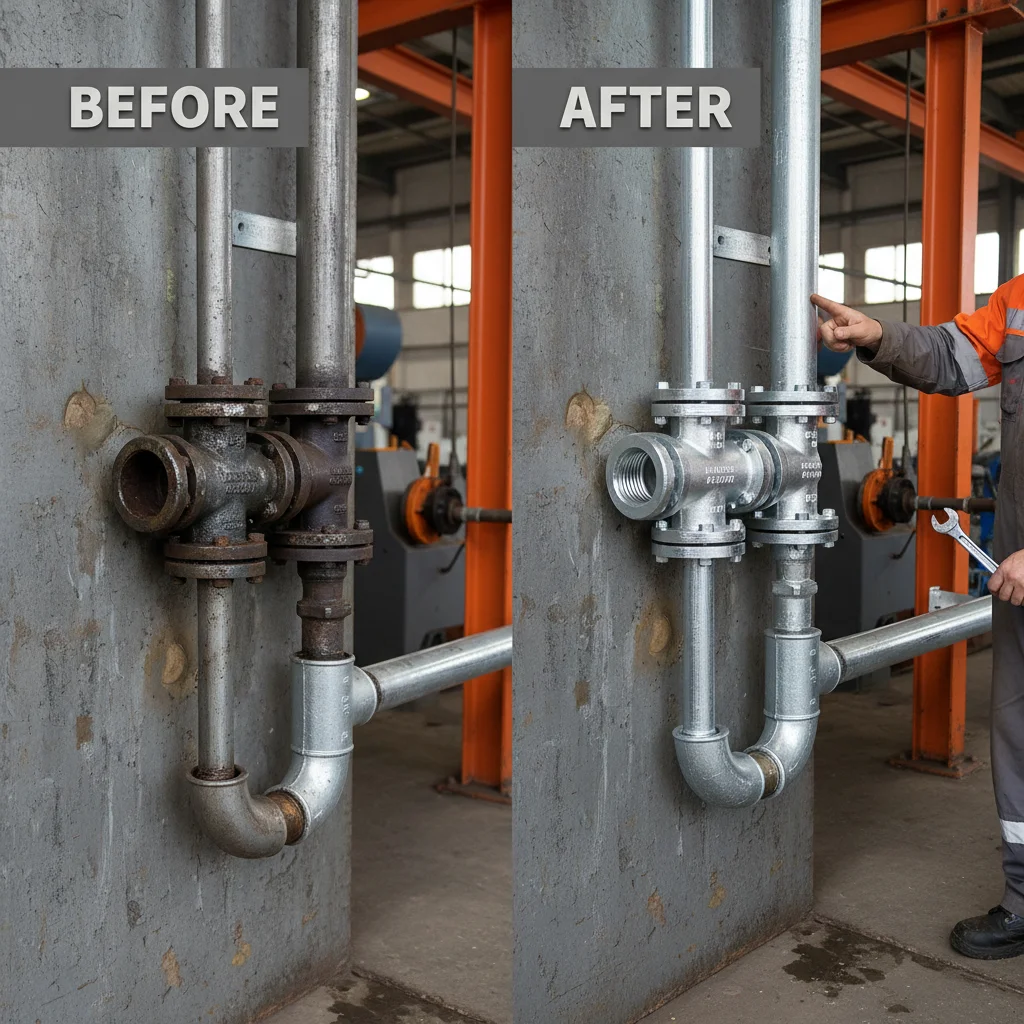

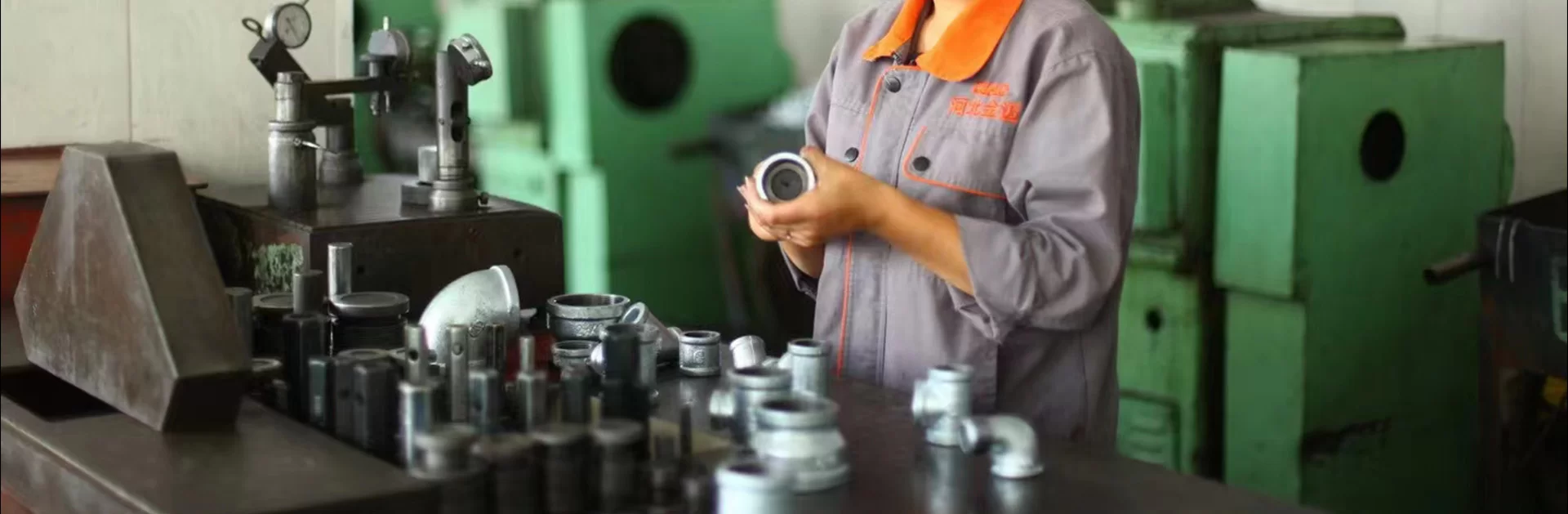
When searching for reliable black iron pipe fittings manufacturers, industrial procurement teams prioritize structural integrity and leak prevention. These specialized components are essential for creating secure junctions in piping networks, ensuring that fluids and gases are transported without compromise. Malleable iron, in particular, offers a critical balance of strength and flexibility that standard cast iron lacks.
The primary challenge in heavy-duty piping is the constant battle against corrosion and mechanical stress. In environments like HVAC engineering or fire protection systems, a single fitting failure can lead to catastrophic system downtime or safety hazards. This necessitates the use of precision-engineered components that utilize high-quality casting and advanced surface treatments such as hot-dip galvanization.
This guide provides a technical analysis of how to select the right fittings, the metallurgical advantages of malleable iron, and the key performance metrics that distinguish professional-grade manufacturers from standard suppliers. By the end of this analysis, engineers and procurement officers will have a clear framework for optimizing their piping infrastructure for long-term durability.

1Metallurgical Foundations of Malleable Iron

Malleable iron is produced through a specialized annealing process that transforms brittle white cast iron into a tougher, more ductile material. By heating the casting in a controlled atmosphere, the carbon is redistributed into tempered nodules, which prevents the propagation of cracks under stress. This metallurgical shift is what allows black iron pipe fittings to withstand high-impact environments without shattering.
For manufacturers, maintaining precise temperature control during this heat treatment is essential. Any deviation in the annealing cycle can lead to inconsistent hardness levels, potentially compromising the structural integrity of the fitting when subjected to high-pressure loads in the field.
The result is a component that possesses the casting ease of iron but the mechanical properties closer to steel. This makes it the ideal choice for complex shapes like elbows, tees, and caps that must maintain tight tolerances across thousands of production units.
2Core Technical Features and Advantages
High-performance fittings are characterized by their precision internal threads and thick-walled construction. These features ensure that the fitting creates an impenetrable seal against external contaminants and internal leaks. When combined with a hemispherical or flat-top design, these components distribute pressure evenly across the surface, reducing stress concentration points.
The use of hot-dip galvanizing is particularly crucial for black iron fittings used in humid or chemically active environments. Unlike paint or spray coatings, galvanization penetrates the surface of the metal, ensuring that even if the surface is scratched during installation, the underlying iron remains protected from oxidation.
Furthermore, the reusability of these fittings provides a significant economic advantage. Because they are designed for mechanical resistance, they can be removed and re-installed during system maintenance without losing their sealing capability, unlike plastic or thin-walled alternatives.
3Industrial Application Scenarios
In building water supply and drainage systems, malleable iron fittings provide the necessary rigidity to handle the weight of large-scale piping networks. Their ability to maintain a leak-proof seal under constant hydrostatic pressure makes them a staple in municipal infrastructure projects where longevity is more important than initial material cost.
HVAC engineering presents a different set of challenges, including thermal expansion and contraction. The ductility of annealed malleable iron allows these fittings to absorb minor shifts in the pipeline without cracking, ensuring the integrity of high-pressure refrigerant or steam lines across large industrial complexes.
Additionally, these components are frequently used in reserved interface protection. By capping off unused ports with thick-walled malleable iron caps, operators prevent dust, moisture, and foreign objects from entering the pipeline, which is critical for maintaining the cleanliness of pharmaceutical or food-grade production lines.
4Performance Metrics and Engineering Data
Analyzing the performance of fittings requires a look at three primary dimensions: tensile strength, corrosion rate, and sealing efficiency. Malleable iron significantly outperforms gray cast iron in tensile tests, showing a much higher capacity to deform before failure, which is essential for seismic zones or high-vibration machinery mounts.
When evaluating the efficiency of a seal, the precision of the internal threading is the most critical metric. Standardized international thread specifications ensure that fittings from top manufacturers integrate seamlessly with pipes from various global suppliers, reducing installation time and the risk of cross-threading.
black iron pipe fittings manufacturers Performance Metrics
The data indicates that the integration of high-quality casting and galvanization leads to a marked increase in service life. While standard fittings may require replacement every 5-10 years in corrosive environments, precision-engineered malleable iron fittings often exceed 20 years of service with minimal maintenance.
5Procurement and Selection Criteria
Procurement teams should evaluate manufacturers based on their adherence to metallurgical standards and quality assurance protocols. A critical factor is the consistency of the casting batch; zero-defect production requires strict monitoring of the molten metal temperature and the cooling rate to avoid internal porosity.
Compatibility is another essential consideration. Ensuring that the fittings meet the specific pressure ratings of the overall system prevents "weak link" failures. For extreme pressure scenarios, selecting fittings that allow for optional sealing gaskets can provide an additional layer of security against micro-leaks.
Finally, total cost of ownership (TCO) should be the guiding metric rather than the initial unit price. The reduced need for replacements and the lower labor cost associated with rapid, standardized installation make high-quality malleable iron a more cost-effective investment over the system's lifecycle.
6Maintenance and Operational Constraints
While highly durable, black iron fittings are not without limitations. In environments with extreme acidity or high concentrations of chlorides, even galvanized coatings can eventually break down. In such specific chemical processing plants, stainless steel or specialized polymers may be required despite the higher cost.
Maintenance schedules should include periodic inspections for "bleeding" or rust streaks at the joints, which can indicate a failure in the thread sealant or the start of galvanic corrosion if dissimilar metals are connected without proper insulation.
Operational risks also include the weight of the material. In suspended piping systems, the added mass of thick-walled iron fittings requires robust support brackets to prevent sagging and undue stress on the joints, which could lead to premature fatigue failure.
7Comparative Analysis: Malleable vs. Standard Cast Iron
The choice between malleable iron and standard gray cast iron often comes down to the specific requirements of the installation site. Gray iron is cheaper and easier to cast into massive shapes, but its brittleness makes it unsuitable for any application where the pipe may be subject to shock or impact.
Malleable iron's superiority lies in its energy absorption. During a pressure spike or a physical impact, the material can yield slightly without cracking, whereas standard cast iron would likely fracture instantly, leading to a full system breach.
| Feature | Standard Gray Iron | Malleable Iron (Premium) | Impact on System |
|---|---|---|---|
| Material State | Brittle | Ductile/Tough | Prevents sudden fractures |
| Corrosion Defense | Basic coating | Hot-dip Galvanized | Extends service life 3x |
| Thread Precision | Variable fit | High-precision | Eliminates micro-leaks |
| Installation | Slower/Risk of crack | Fast/Secure fit | Reduces labor hours |
| Maintenance | Frequent replacement | Low (Reusable) | Lower long-term OPEX |
| Safety Level | Moderate | Professional Grade | Maximum leak prevention |
Ultimately, the investment in malleable iron fittings from reputable black iron pipe fittings manufacturers is an insurance policy against system failure. The combination of metallurgical toughness and precise engineering ensures that the piping network remains operational under the most demanding industrial conditions.
Frequently Asked Questions
Conclusion
Selecting the right black iron pipe fittings manufacturers is a critical decision that impacts the safety and longevity of any industrial piping system. By focusing on the metallurgical advantages of malleable iron and the protective power of hot-dip galvanization, companies can significantly reduce their maintenance costs and eliminate the risks associated with system leaks and brittle fractures.
For procurement teams and engineers evaluating suitable solutions to optimize their infrastructure, detailed product specifications and technical guidance can be reviewed at www.jinmaicasting.com to ensure the highest standards of system integrity.