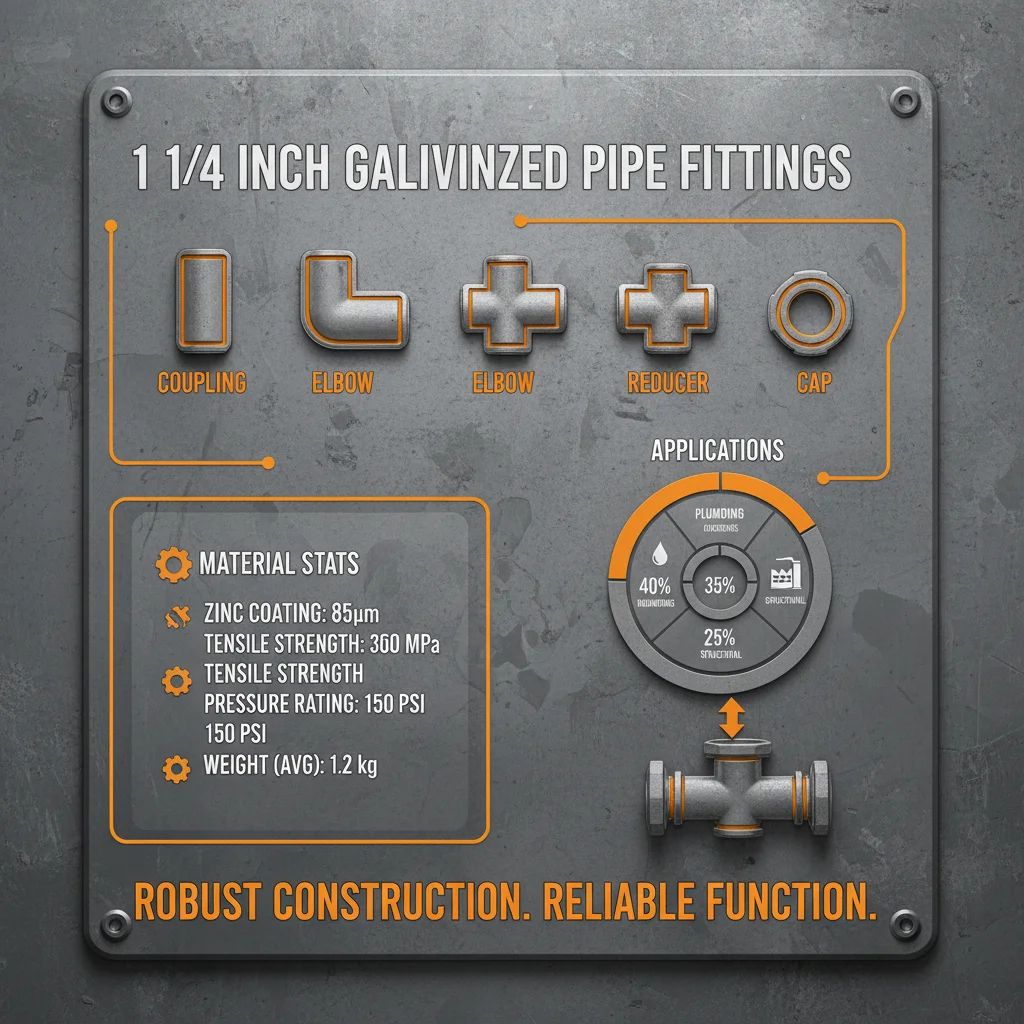
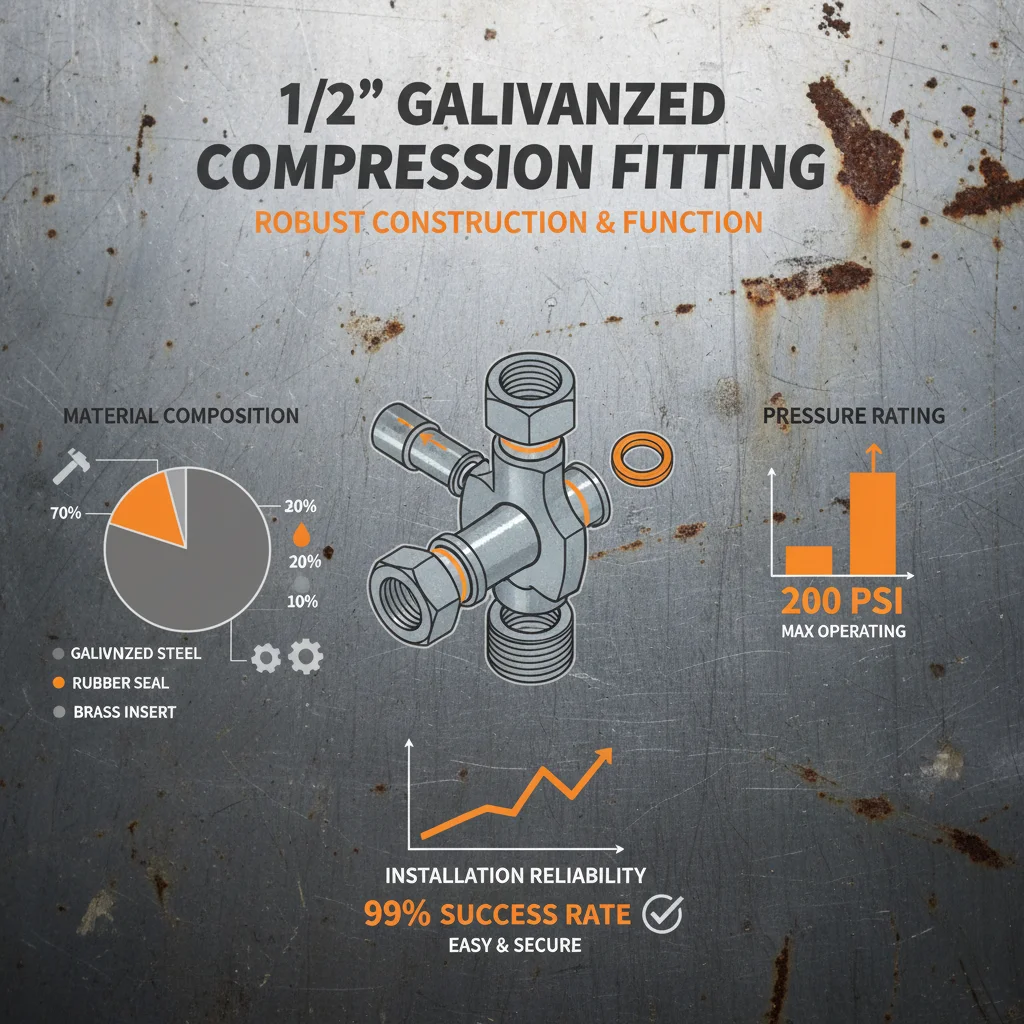
Understanding the various types of galvanized pipe fittings is essential for engineers and contractors who aim to build durable, leak-proof piping networks. These components serve as the critical junctions in fluid transport systems, ensuring that transitions, turns, and connections are secure and resistant to the degrading effects of oxidation. By selecting the correct fitting, industries can significantly extend the lifecycle of their infrastructure and reduce maintenance overhead.
Across global industrial landscapes, the demand for high-performance piping solutions has grown as infrastructure projects move into more corrosive environments. From coastal water treatment plants to heavy-duty chemical processing facilities, the ability of a fitting to withstand environmental stress determines the overall reliability of the system. The strategic application of galvanized coatings on malleable iron ensures that these components remain structural sound for decades.
When exploring the different types of galvanized pipe fittings, the galvanized malleable iron 90-degree elbow with internal and external threads stands out as a versatile solution. This specific fitting simplifies complex layouts by providing a bidirectional connection, allowing for efficient right-angle turns while maintaining a robust seal against high-pressure fluids.

Global Relevance of Galvanized Fittings
On a global scale, the integrity of piping systems is a cornerstone of urban development and industrial productivity. According to international standards like ISO, the prevention of corrosion is the primary challenge in maintaining water supply and HVAC systems. The widespread adoption of various types of galvanized pipe fittings has addressed this challenge by introducing a sacrificial zinc layer that protects the underlying iron from rust.
In emerging economies, the push for rapid industrialization requires materials that combine strength with ease of installation. Malleable iron fittings, specifically those treated with hot-dip galvanizing, provide the necessary mechanical resilience to withstand the vibrations and pressure surges typical in large-scale manufacturing plants, making them a staple in global construction.
Defining Galvanized Malleable Iron Fittings
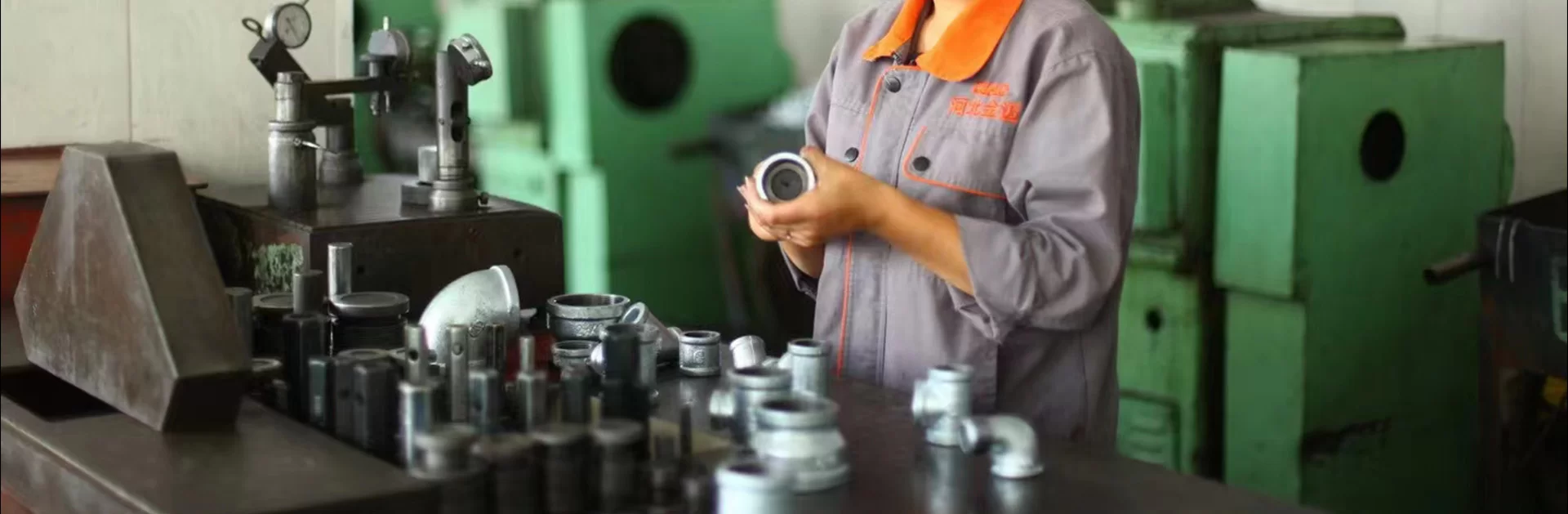
At its core, galvanized malleable iron fittings are precision-cast components designed to join pipes at various angles and diameters. Unlike standard cast iron, which can be brittle, malleable iron undergoes a heat-treatment process that allows it to deform slightly under stress without cracking. This property is critical for fittings like the 90-degree elbow, which must maintain structural integrity under constant fluid pressure.
The galvanizing process involves immersing these cast iron pieces into molten zinc at high temperatures. This creates a metallurgical bond—a zinc-iron alloy layer—that acts as a physical and electrochemical barrier. This barrier ensures that even if the surface is scratched, the zinc will corrode first, preserving the strength of the iron core.
In modern industry, these fittings solve the problem of "interface mismatch." By offering configurations such as the internal-external thread combination, they allow technicians to connect different types of pipe ends quickly, reducing the need for expensive custom adapters and speeding up the overall assembly process.
Core Components of High-Quality Fittings
When evaluating different types of galvanized pipe fittings, the first critical factor is the material grade. High-quality malleable cast iron provides the baseline mechanical strength required for high-pressure environments. This ensures that the fitting does not fail during sudden pressure spikes in fire protection or industrial water lines.
Another essential component is the precision of the threading. For the internal and external thread 90-degree elbow, tapered pipe threads are machined to strict national standards. This precision is what allows for a leak-proof seal when combined with appropriate sealing materials, ensuring that the types of galvanized pipe fittings used can maintain a vacuum or hold high pressure without seepage.
Finally, the hot-dip galvanizing layer serves as the primary defense mechanism. A robust zinc-iron alloy coating not only prevents surface rust but also simplifies long-term maintenance. In humid or chemical-rich environments, this layer prevents the "pitting" corrosion that typically destroys untreated iron fittings over time.
Performance Metrics for Pipe Connections
The effectiveness of any piping system depends on the flow efficiency and the seal integrity of its joints. In the case of 90-degree elbows, the flow channel must be optimized to reduce turbulence and fluid impact. A smooth interior bore ensures that the pressure drop is minimized, which in turn reduces the energy required for pumping fluids through the system.
Furthermore, the bidirectional flexibility of internal and external thread designs significantly impacts installation speed. By allowing a direct connection to either female or male interfaces, these fittings reduce the total number of components required in a layout, which inherently reduces the number of potential leak points in the entire network.
Performance Comparison of Various Galvanized Pipe Fittings
Industrial Applications and Use Cases
The versatility of these fittings makes them indispensable in HVAC and fire protection systems. For example, in commercial building fire sprinkler networks, the need for rapid, right-angle turns in tight ceiling spaces is constant. The compact structure of the 90-degree elbow saves critical installation space while ensuring that water delivery remains unobstructed and high-pressure.
Beyond commercial buildings, these fittings are widely used in industrial water supply and drainage. In remote industrial zones where maintenance access is limited, the long-term corrosion resistance provided by the galvanized layer reduces the frequency of costly pipeline renovations. They are particularly effective for equipment interface connections where a transition between different thread types is required.
Long-Term Value and Reliability
Investing in high-quality malleable iron fittings provides tangible economic benefits over the long term. By reducing the likelihood of leaks and burst pipes, companies can avoid expensive downtime and potential water damage to surrounding equipment. The structural reliability of these fittings offers peace of mind, knowing that the infrastructure can handle operational stresses.
From a sustainability perspective, the longevity of galvanized fittings reduces the need for frequent replacement, thereby lowering the total amount of material waste generated over the facility's lifespan. This alignment with green building practices makes them a preferred choice for modern architectural projects aiming for LEED or similar certifications.
Furthermore, the ease of maintenance offered by these types of galvanized pipe fittings simplifies the renovation process. When a system needs to be expanded or modified, the bidirectional internal and external threads allow for quick docking and reconfiguration without requiring the complete dismantling of existing lines.
Future Innovations in Casting Technology
The future of pipe fittings is leaning heavily toward digital transformation and automation. Advanced precision casting techniques are now allowing for tighter tolerances in thread machining, which further enhances the sealing capabilities of galvanized elbows. This ensures a more consistent fit across various diameters, from DN15 up to DN150.
Moreover, innovations in the galvanizing process are leading to more environmentally friendly zinc application methods. New high-temperature treatments are creating even more uniform alloy layers, reducing the risk of "white rust" during storage and transportation, ensuring that fittings arrive at the job site in peak condition.
As industries move toward smarter infrastructure, we may see the integration of sensors within fitting housings to monitor flow and pressure in real-time. While the core material remains the reliable malleable iron, the way these components are manufactured and monitored is evolving to support the needs of Industry 4.0.
Technical Analysis of Galvanized Malleable Iron Fittings Specifications
| Fitting Diameter |
Thread Configuration |
Corrosion Resistance |
Common Application |
| DN15 (1/2") |
Internal/External |
High (Hot-dip) |
Residential Water |
| DN20 (3/4") |
Internal/External |
High (Hot-dip) |
HVAC Branching |
| DN25 (1") |
Internal/External |
High (Hot-dip) |
Industrial Drainage |
| DN50 (2") |
Internal/External |
High (Hot-dip) |
Fire Protection |
| DN80 (3") |
Internal/External |
High (Hot-dip) |
Water Main Turn |
| DN150 (6") |
Internal/External |
High (Hot-dip) |
Heavy Industrial |
FAQS
Malleable iron is heat-treated to remove brittleness, making it far more resistant to impact and pressure surges than standard cast iron. When galvanized, it gains a zinc-iron alloy layer that prevents rust, whereas standard cast iron would corrode quickly in moist environments. This combination of ductility and corrosion resistance makes it ideal for high-stress piping systems.
The bidirectional interface (one male end, one female end) allows for direct connection between different pipe end types without needing additional adapters. This simplifies the bill of materials and reduces the number of joints in a system, which significantly lowers the risk of leaks and speeds up the construction timeline.
Yes, hot-dip galvanizing is superior because it creates a metallurgical bond through a high-temperature reaction, forming multiple alloy layers. Cold galvanizing is essentially a zinc-rich paint that provides a surface barrier but lacks the deep structural protection and longevity of a hot-dip coating, especially in harsh industrial conditions.
These fittings are available in a wide range of standard diameters to accommodate various needs, typically ranging from DN15 (1/2 inch) for small-scale residential or equipment lines to DN150 (6 inches) for large industrial water and fire protection mains.
Absolutely. Because they are precision cast from high-strength malleable iron and feature tapered threads for a tight seal, they are widely used in fire protection. Their ability to maintain a leak-proof connection under pressure makes them a reliable choice for safety-critical installations.
While galvanized fittings are low-maintenance, it is important to avoid using highly acidic cleaners on the surface, as these can strip the zinc layer. Regular visual inspections for signs of extreme wear and ensuring that connections remain tight are sufficient to keep the system operational for decades.
Conclusion
Selecting the right types of galvanized pipe fittings is a critical decision that influences the safety, efficiency, and longevity of any piping system. By utilizing galvanized malleable iron 90-degree elbows with internal and external threads, operators can achieve high-precision right-angle turns and flexible connections while benefiting from superior corrosion resistance and mechanical strength.
As industrial requirements evolve toward higher efficiency and sustainability, the reliance on precision-engineered, hot-dip galvanized components will only increase. We recommend prioritizing fittings that adhere to strict national threading standards to ensure maximum seal integrity and system reliability. For more information on high-quality casting solutions, visit our website: www.jinmaicasting.com.