In the complex landscape of industrial piping, the integrity of connections determines the overall safety and efficiency of a system. Threaded galvanized pipe fittings serve as the critical bridge in these networks, providing a secure, leak-proof method of joining pipes while offering a robust defense against the destructive effects of oxidation. By combining the mechanical precision of threading with the chemical protection of galvanization, these components ensure long-term reliability in the most demanding environments.
Across the globe, from massive chemical plants in Asia to agricultural irrigation systems in South America, the demand for high-performance connectors remains constant. The challenge often lies in balancing the need for easy installation with the requirement for extreme durability. Using substandard fittings can lead to catastrophic leaks or premature system failure, which is why the industry has pivoted toward malleable iron solutions that can withstand both high pressure and corrosive atmospheres.
Modern infrastructure relies heavily on threaded galvanized pipe fittings to facilitate the seamless transport of liquids, gases, and solids. Whether it is a simple equal hexagon nipple or a complex reducing fitting, the quality of the material and the precision of the BS, NPT, or DIN threads are what separate a professional-grade installation from a liability. Understanding the technical nuances of these fittings is essential for engineers and contractors aiming for maximum operational lifespan.

The Fundamentals of Malleable Iron Construction
At the heart of these components is malleable iron, a material specifically engineered to overcome the brittleness associated with traditional cast iron. Through a controlled annealing process, the iron is rendered "malleable," meaning it can withstand significant stress and pressure without cracking. This structural integrity is vital for fittings like the equal hexagon nipple, which must maintain a tight seal under fluctuating industrial loads.
The use of malleable iron ensures that the threaded galvanized pipe fittings provide a reliable connection that is resistant to mechanical shocks. This makes them an ideal choice for construction and agriculture, where piping systems are often exposed to external vibrations or accidental impacts that would cause lesser materials to fail.
Understanding Galvanization Processes and Rust Resistance
Galvanization is the process of applying a protective zinc coating to the iron surface to prevent oxidation. For these fittings, both hot-dipped and electrical galvanizing methods are utilized. Hot-dipped galvanization involves immersing the iron in molten zinc, creating a thick, metallurgical bond that offers superior protection in harsh outdoor environments, while electrical galvanizing provides a smoother, more precise finish for indoor applications.
The primary goal of this coating is to act as a sacrificial anode. If the surface of the fitting is scratched, the zinc layer corrodes first, protecting the underlying iron from rusting. This is particularly important for the equal hexagon nipple, as the hexagonal shape provides a gripping surface for tools, which could otherwise damage the metal and expose it to moisture.
Beyond protection, the galvanized finish gives the fittings a smooth, shiny appearance that is aesthetically pleasing and easy to clean. This combination of functionality and form ensures that the piping remains durable and visually professional, regardless of whether it is installed in a high-tech factory or a rural farm setup.
Thread Standards: Navigating BS, NPT, and DIN
The effectiveness of threaded galvanized pipe fittings depends entirely on the precision of their threads. In the global market, three primary standards dominate: BS (British Standard), NPT (National Pipe Tapered), and DIN (German Institute for Standardization). Each standard has specific pitch and angle requirements to ensure a leak-proof seal when mated with corresponding pipes.
Selecting the correct thread standard is crucial for system safety. NPT threads, for example, are tapered, which means the seal is created by the wedging action of the threads themselves as they are tightened. In contrast, BS and DIN standards may vary in their approach to sealing, requiring precise matching to avoid the risk of stripping threads or creating gaps that lead to fluid leaks.
Regardless of the standard, the manufacturing process for threaded galvanized pipe fittings emphasizes consistency. Every thread must be machined to exact tolerances to ensure that the fitting can be easily installed using standard wrenches, reducing labor time and increasing the reliability of the overall piping network.
Performance Metrics for Industrial Pipe Connectors
When evaluating the quality of pipe connectors, engineers look at several key performance indicators: pressure rating, corrosion resistance, and sealing efficiency. A high-quality equal hexagon nipple must be able to withstand the maximum operating pressure of the system without deformation. The malleable iron base, coupled with a precise thread fit, ensures that the joint remains stable even under high-velocity fluid flow.
To better understand the comparative advantages of different fitting styles, we examine how various types of threaded galvanized pipe fittings perform across different industry-standard tests.
Performance Comparison of Various Threaded Galvanized Pipe Fittings
Global Application Scenarios and Market Reach
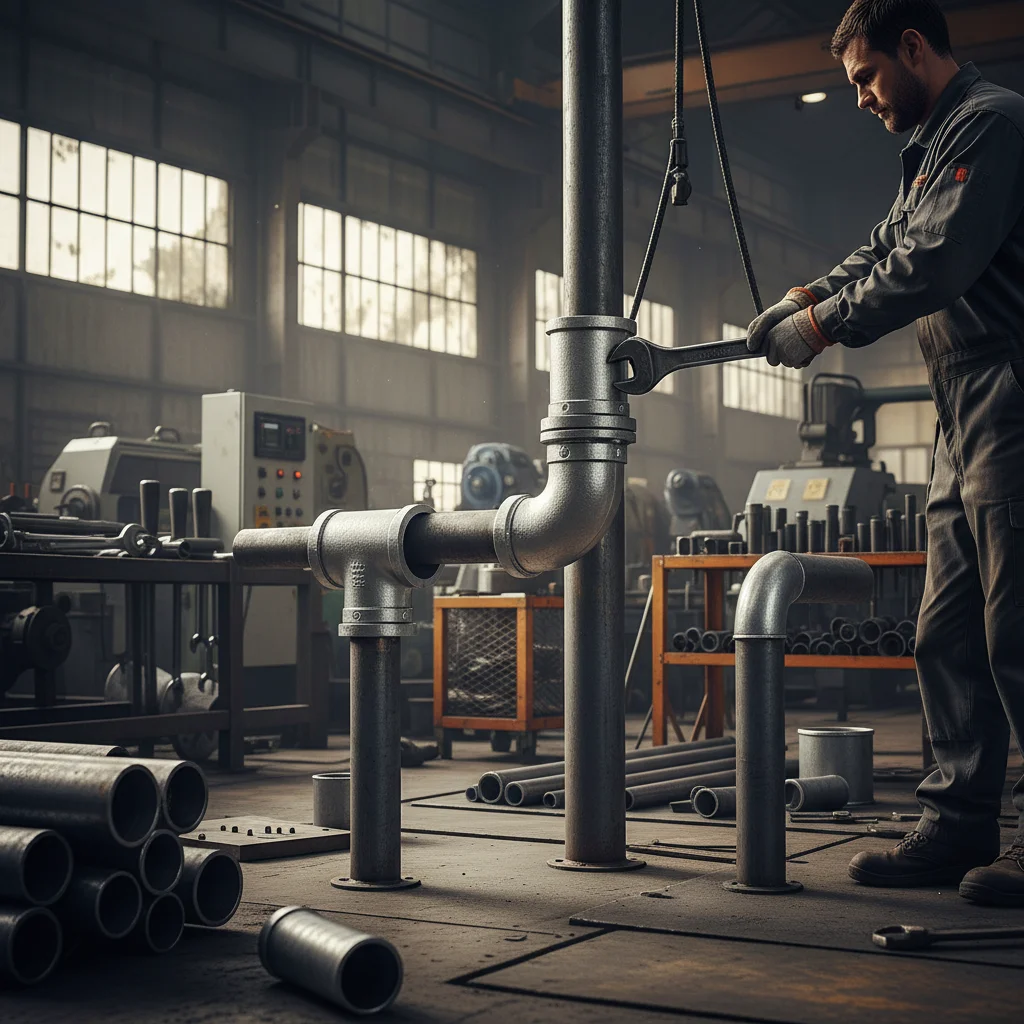
The versatility of threaded galvanized pipe fittings allows them to be deployed in a vast array of sectors. In the industrial sector, they are indispensable for constructing gas lines and water distribution networks. Their ability to transport various liquids and gases efficiently makes them a staple in petrochemical plants and manufacturing hubs across Europe and Asia.
In regions like South America and the Middle East, these fittings are frequently used in large-scale agricultural projects. From irrigation systems to livestock watering networks, the rust-resistant properties of galvanized malleable iron ensure that the infrastructure can withstand humid or salty coastal air, reducing the frequency of costly repairs and downtime.
The Role of Precision Craftsmanship in Quality Control
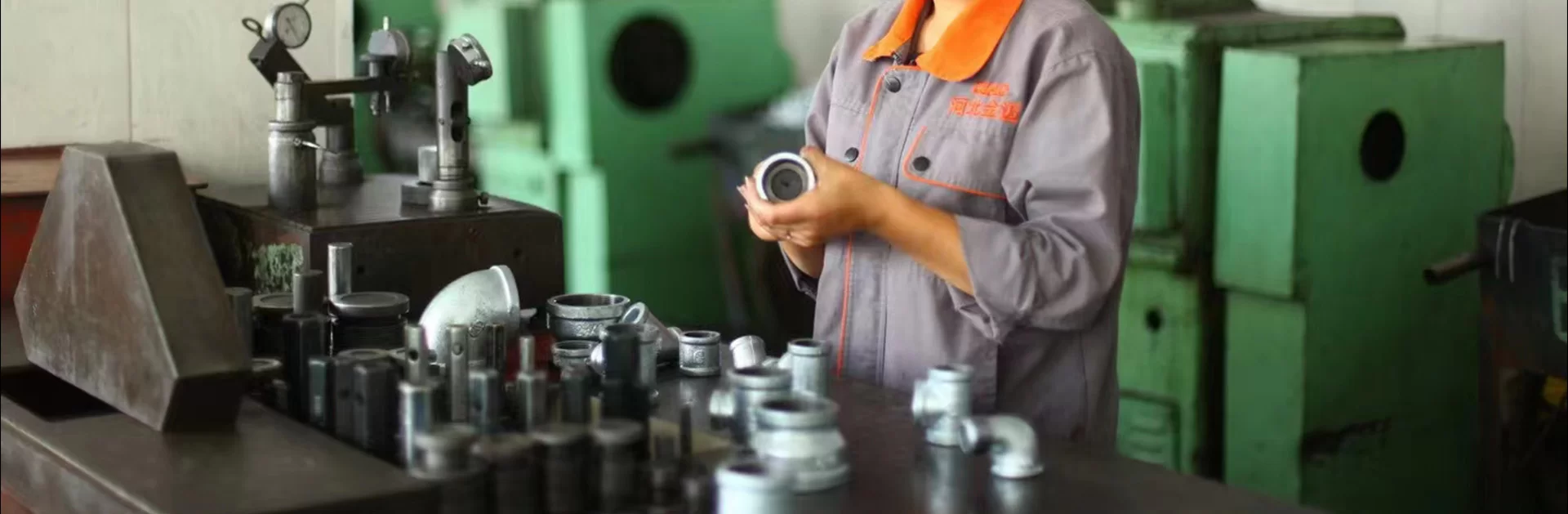
Achieving a perfect seal in a piping system requires more than just the right materials; it requires meticulous craftsmanship. Every threaded galvanized pipe fittings unit undergoes rigorous quality control testing. This involves checking thread depth, wall thickness, and coating uniformity to ensure that every piece meets international standards.
Precision machining prevents common issues such as "cross-threading," where the fitting is forced into a pipe at an angle, compromising the seal. By utilizing high-precision CNC equipment, manufacturers can guarantee that the same-diameter hexagonal male wire design of an equal nipple fits perfectly every time, regardless of the batch.
Furthermore, the galvanizing process is closely monitored to ensure an even layer of zinc. A coating that is too thin will fail prematurely, while one that is too thick can interfere with the thread fit. This balance is the result of decades of expertise in the black metal casting industry, ensuring that the product is both durable and functional.
Comparative Analysis of Fitting Sizes and Types
Selecting the right size of threaded galvanized pipe fittings is fundamental to hydraulic efficiency. With a size range from 1/8”(DN6) to 6”(DN150), these fittings can accommodate everything from small-scale instrumentation lines to heavy-duty industrial mains. Choosing the correct diameter prevents pressure drops and ensures the medium is transferred at the required velocity.
The distinction between "Equal" and "Reducing" fittings is another key consideration. An equal hexagon nipple is used when connecting two pipes of the same diameter, maintaining a consistent flow rate. In contrast, reducing nipples are used to transition between different pipe sizes, which is a common requirement in complex manifold systems where flow needs to be throttled or distributed.
Below is a detailed analysis of the various specifications and performance traits of the common fitting sizes and types used in the industry.
Core Specifications and Application Analysis of Galvanized Fittings
|
Fitting Type
|
Common Size Range
|
Primary Application
|
Corrosion Resistance Score
|
|
Equal Hex Nipple
|
1/8" - 6"
|
Same-diameter connections
|
9/10
|
|
Reducing Hex Nipple
|
1/8" - 6"
|
Pipe size transitions
|
9/10
|
|
Hot-Dipped Elbow
|
1/2" - 4"
|
Directional changes
|
10/10
|
|
Electrical Galv Tee
|
1/4" - 6"
|
Branching lines
|
7/10
|
|
Malleable Coupling
|
1/8" - 6"
|
Straight pipe extensions
|
8/10
|
|
Galvanized Cap
|
1/8" - 6"
|
System termination
|
9/10
|
FAQS
Hot-dipped galvanizing involves dipping the iron in molten zinc, creating a thicker, more durable layer that is ideal for outdoor or highly corrosive environments. Electrical galvanizing uses an electric current to apply the zinc, resulting in a thinner, smoother finish that is better suited for indoor applications where aesthetics and precise tolerances are more critical.
The choice depends on your regional standards and the existing piping system. NPT is common in North America and features a tapered seal. BS and DIN are widely used in Europe and Asia. It is critical to match the fitting's thread standard exactly with the pipe's standard to avoid leaks or damage to the threads.
Yes, malleable iron is specifically designed to be durable and pressure-resistant. When manufactured to standards like BS or DIN and correctly installed, these fittings are highly reliable for transporting gases and liquids in industrial and construction settings, provided they are within the specified pressure ratings for the fitting size.
To ensure a leak-proof seal, always use an appropriate thread sealant such as PTFE tape or pipe dope. Ensure that the threads are clean and free of debris before assembly, and tighten the fitting using a wrench on the hexagonal part of the nipple to avoid damaging the pipe or the fitting itself.
Absolutely. The galvanized coating provides essential rust resistance against the moisture and chemicals often found in agricultural environments. Their durability makes them ideal for the rugged conditions of farms, where piping is exposed to the elements and physical stress.
Our range of malleable iron equal hexagon nipples extends from 1/8” (DN6) up to 6” (DN150). This wide spectrum allows for application in everything from small precision instruments to large-scale industrial water and gas mains.
Conclusion
In conclusion, threaded galvanized pipe fittings represent the perfect synergy of material science and mechanical engineering. By utilizing malleable iron for structural strength and zinc coatings for corrosion resistance, these components provide a safe, reliable, and cost-effective solution for the global transport of fluids and gases. From the precision of BS, NPT, and DIN threads to the versatility of sizes from 1/8" to 6", they meet the rigorous demands of the modern industrial, construction, and agricultural sectors.
As industry standards evolve toward greater sustainability and efficiency, the importance of high-quality, durable connectors only increases. Investing in precision-crafted fittings not only reduces the risk of systemic failure but also lowers long-term maintenance costs. For those seeking reliable piping solutions that combine global certifications with proven performance, choosing professional-grade galvanized fittings is the most strategic path forward. Visit our website: www.jinmaicasting.com