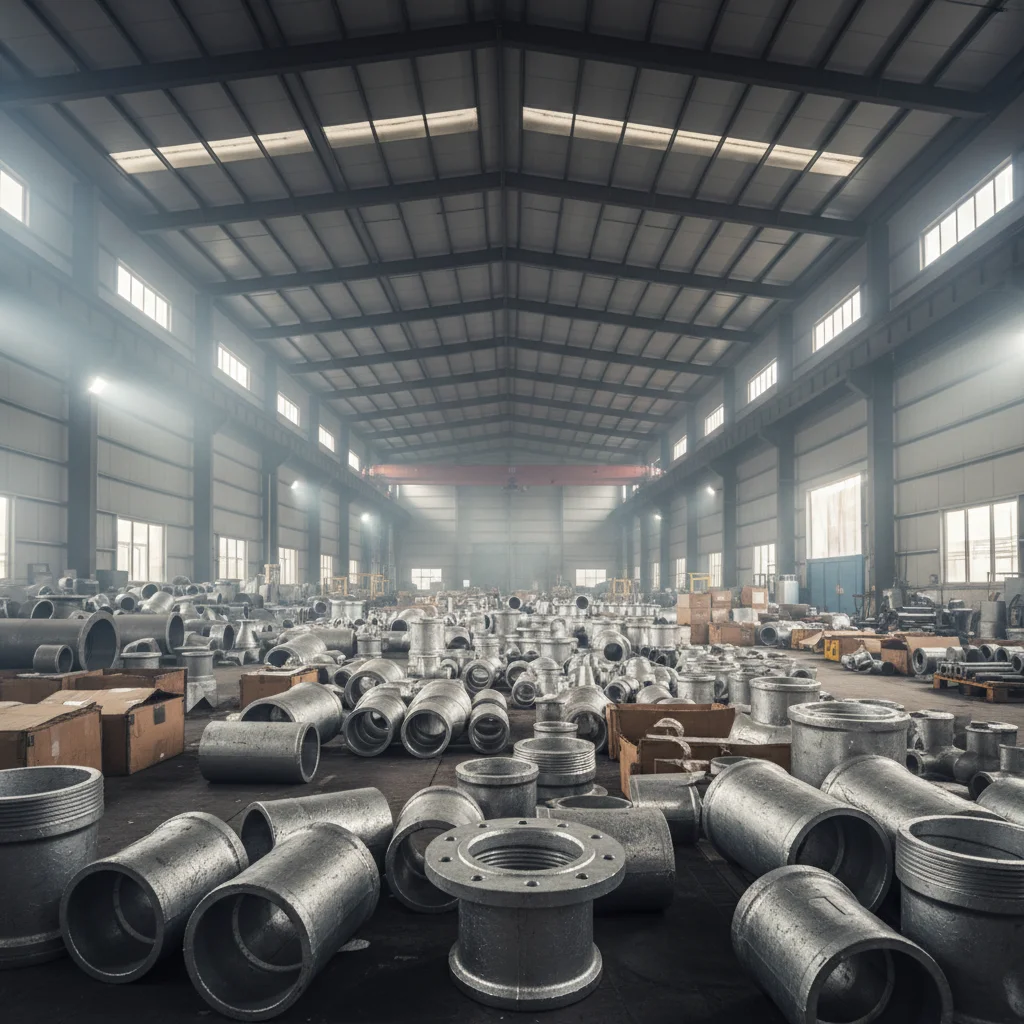
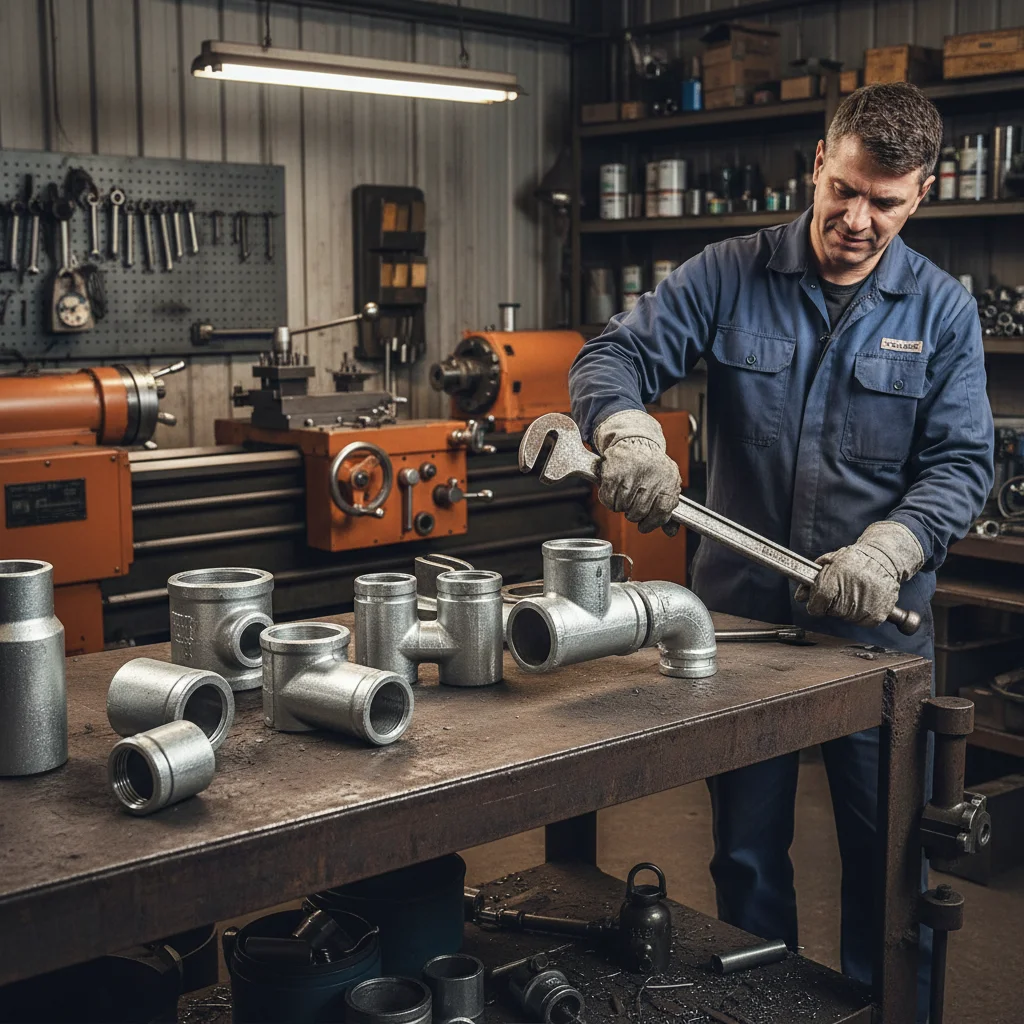
In the demanding landscape of industrial fluid transport and structural piping, 2 inch galvanized pipe fittings serve as the critical junctions that ensure system integrity and longevity. These components are not merely connectors; they are engineered barriers against corrosion, designed to withstand the harsh environments of chemical plants, agricultural irrigation systems, and urban infrastructure. By merging the strength of malleable iron or steel with a protective zinc coating, these fittings provide a reliable solution for medium-flow applications where leak prevention is non-negotiable.
Globally, the adoption of high-standard galvanized solutions has shifted from a preference to a necessity. As industries strive to meet ISO quality standards and environmental regulations, the demand for precise, durable 2 inch galvanized pipe fittings has surged. The ability to prevent rust from the inside out ensures that water purity is maintained and that structural collapses due to oxidation are virtually eliminated, making them indispensable for both civil engineering and industrial maintenance.
Understanding the nuances of these fittings—from the hot-dip galvanization process to the threading precision—allows engineers and procurement managers to optimize their supply chains for maximum ROI. Choosing the right 2 inch galvanized pipe fittings means reducing long-term maintenance costs and extending the lifecycle of the entire piping network, which is essential for sustainable industrial growth in today's competitive global market.
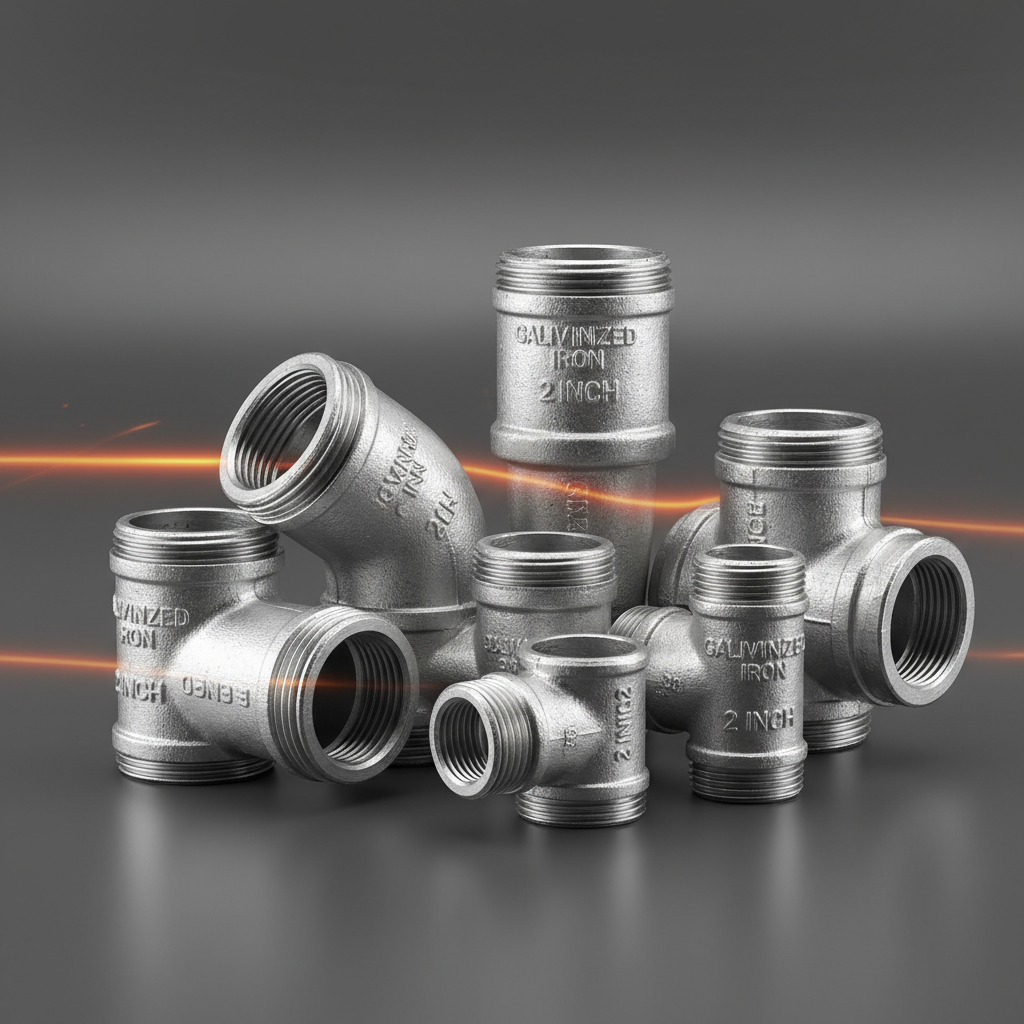
The Engineering Logic Behind 2 inch galvanized pipe fittings
The fundamental engineering goal of 2 inch galvanized pipe fittings is to balance hydraulic flow efficiency with structural resilience. At a 2-inch nominal diameter, these fittings are designed to handle a significant volume of fluid without creating excessive turbulence or pressure drops. The use of galvanization—applying a layer of zinc to the iron or steel base—creates a sacrificial anode, meaning the zinc corrodes first, protecting the underlying metal from oxidation even if the surface is scratched.
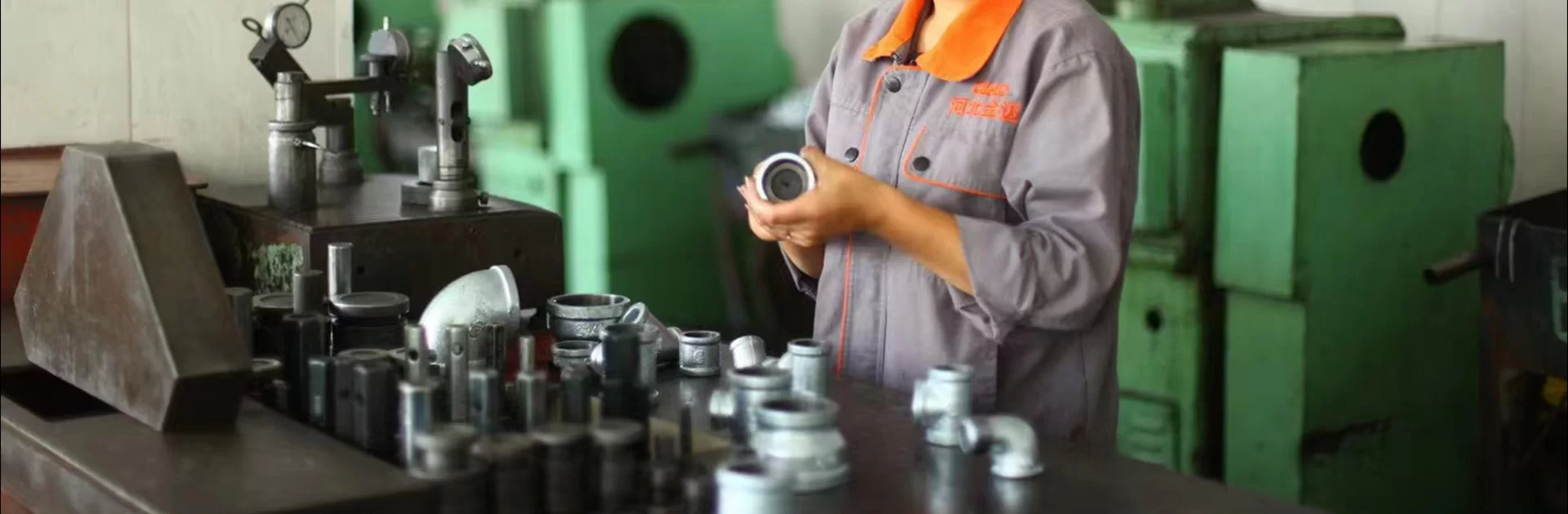
From a manufacturing perspective, the precision of the threading in these fittings is what determines the seal's quality. Whether they are used as elbows, tees, or couplings, the tolerances must be exact to prevent leaks under high pressure. This combination of metallurgical protection and mechanical precision makes them a cornerstone of modern plumbing and industrial piping, ensuring that systems remain leak-free for decades.
Global Industry Standards and Demand Drivers
The global demand for 2 inch galvanized pipe fittings is heavily influenced by international standards such as ASTM and ISO. These standards ensure that a fitting produced in one part of the world will fit perfectly with a pipe manufactured in another. In rapidly developing industrial zones across Southeast Asia and Africa, the push for modernized water infrastructure has led to a massive increase in the procurement of galvanized steel components due to their cost-to-durability ratio.
Moreover, the shift toward safer industrial environments has forced many facilities to replace old, rusted black iron pipes with galvanized alternatives. Statistics suggest that corrosion-related failures in industrial piping can lead to significant downtime and environmental hazards. Consequently, the adoption of galvanized fittings is seen as a risk mitigation strategy, reducing the frequency of emergency repairs and ensuring a more stable operational flow.
Beyond heavy industry, the agricultural sector remains a primary driver. Large-scale irrigation projects require piping that can withstand outdoor exposure and soil acidity. The 2-inch specification is particularly popular for main distribution lines, where the balance between flow capacity and material weight is optimal, further cementing the role of these fittings in global food security infrastructure.
Material Composition and Corrosion Resistance
At its core, the effectiveness of 2 inch galvanized pipe fittings lies in the chemistry of the zinc-iron bond. The process typically involves hot-dip galvanizing, where the fitting is immersed in molten zinc. This creates a series of zinc-iron alloy layers that are metallurgically bonded to the base steel, providing a much tougher coating than simple electroplating.
The critical advantage of using these 2 inch galvanized pipe fittings is the "self-healing" property of the zinc layer. When the surface is damaged, the surrounding zinc continues to protect the exposed steel through cathodic protection. This is essential in high-friction environments where pipe movement or installation abrasion is common, ensuring the structural core remains intact.
Comparing these to black pipe fittings, the galvanized version is far superior in humid or coastal regions where salt air accelerates rust. By eliminating the need for frequent painting or external chemical coatings, these fittings reduce the total cost of ownership and minimize the chemical runoff associated with frequent maintenance painting.
Performance Metrics and Efficiency Analysis
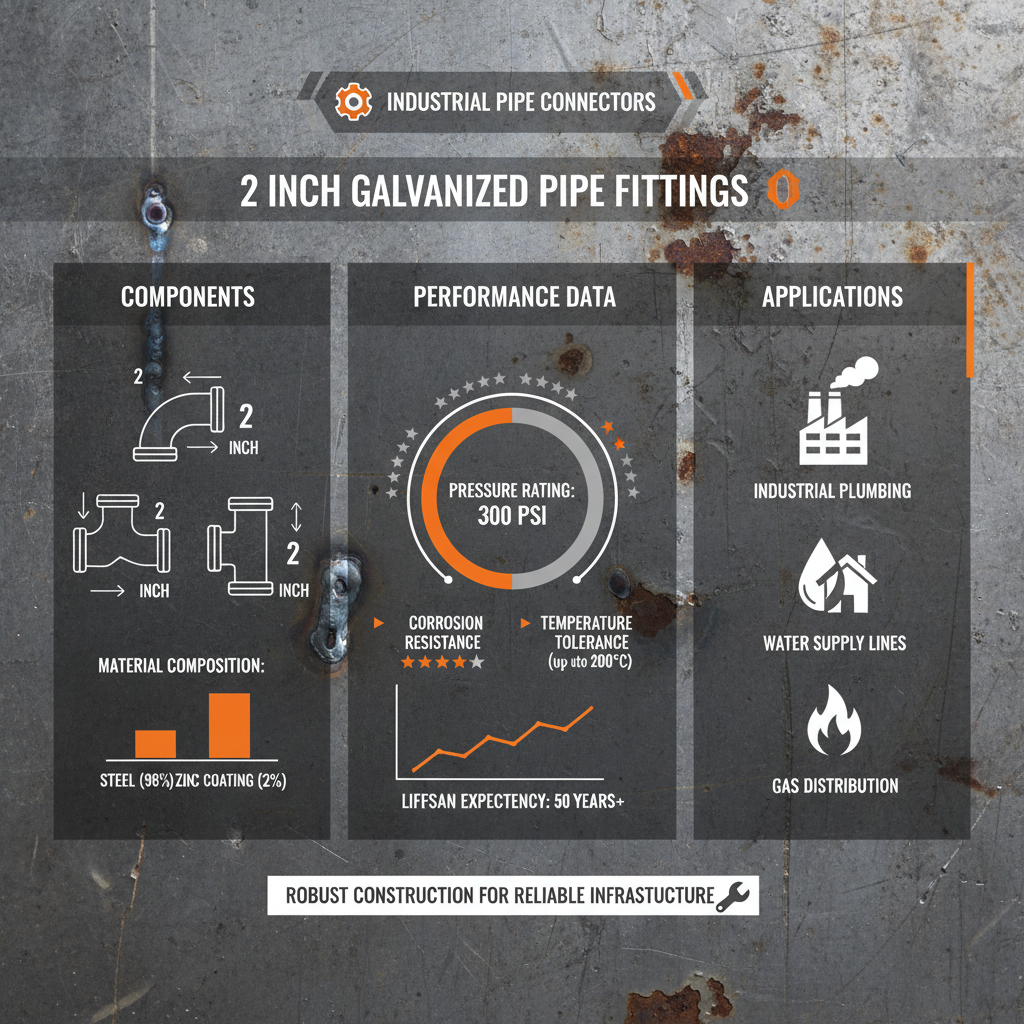
Evaluating the performance of 2 inch galvanized pipe fittings requires a look at pressure ratings and flow coefficients. Because the zinc layer adds a slight thickness to the internal diameter, precision casting is required to ensure that the flow rate remains consistent across the fitting. High-quality fittings maintain a smooth internal bore, which reduces friction loss and energy consumption for pumping systems.
In terms of durability, the longevity of a galvanized fitting is measured by the thickness of the zinc coating (measured in microns). A thicker coating correlates directly with a longer service life in corrosive environments. When analyzed against other materials like PVC or copper, galvanized steel offers superior mechanical strength and impact resistance, making it the only viable choice for high-stress industrial frameworks.
Efficiency and Durability Rating of 2 inch galvanized pipe fittings
Strategic Global Applications and Use Cases
The versatility of 2 inch galvanized pipe fittings allows them to be deployed across diverse sectors. In the oil and gas industry, they are frequently used for secondary piping systems and utility lines where corrosion protection is necessary but the extreme costs of high-nickel alloys are not justified. Their ability to be easily threaded makes them ideal for rapid deployment in temporary mining camps or remote drilling sites.
In urban infrastructure, these fittings are the backbone of fire protection sprinkler systems and municipal water distribution. For example, in high-density residential buildings, the 2-inch main lines utilize these galvanized fittings to ensure that water delivery is consistent and that the pipes do not degrade over decades of dormancy, which is a critical safety requirement for fire emergency systems.
Long-Term Economic Value and Sustainability
When evaluating the cost-effectiveness of 2 inch galvanized pipe fittings, one must look beyond the initial purchase price. The "Life Cycle Cost" (LCC) is significantly lower than that of non-galvanized options because the intervals between replacements are vastly extended. This reduces labor costs and minimizes the operational disruption caused by pipeline failures.
From a sustainability perspective, galvanized steel is highly recyclable. At the end of a system's lifecycle, the steel and zinc can be reclaimed and re-processed, fitting into the circular economy model. This is a stark contrast to plastic piping, which often ends up in landfills and contributes to microplastic pollution in the soil and water.
Furthermore, the reliability of these fittings fosters trust in infrastructure. In humanitarian contexts, such as the installation of water points in refugee camps or post-disaster zones, using durable galvanized fittings ensures that the provided water remains clean and the system remains functional without needing constant expert intervention, providing dignity and stability to the affected populations.
Future Innovations in Galvanized Fitting Technology
The future of 2 inch galvanized pipe fittings is being shaped by advancements in coating technology and digital manufacturing. We are seeing the emergence of "smart coatings" that can signal when the zinc layer has depleted to a critical level, allowing for preventative maintenance before the base metal begins to rust. This integration of IoT (Internet of Things) sensors into piping networks is transforming how industrial plants manage their assets.
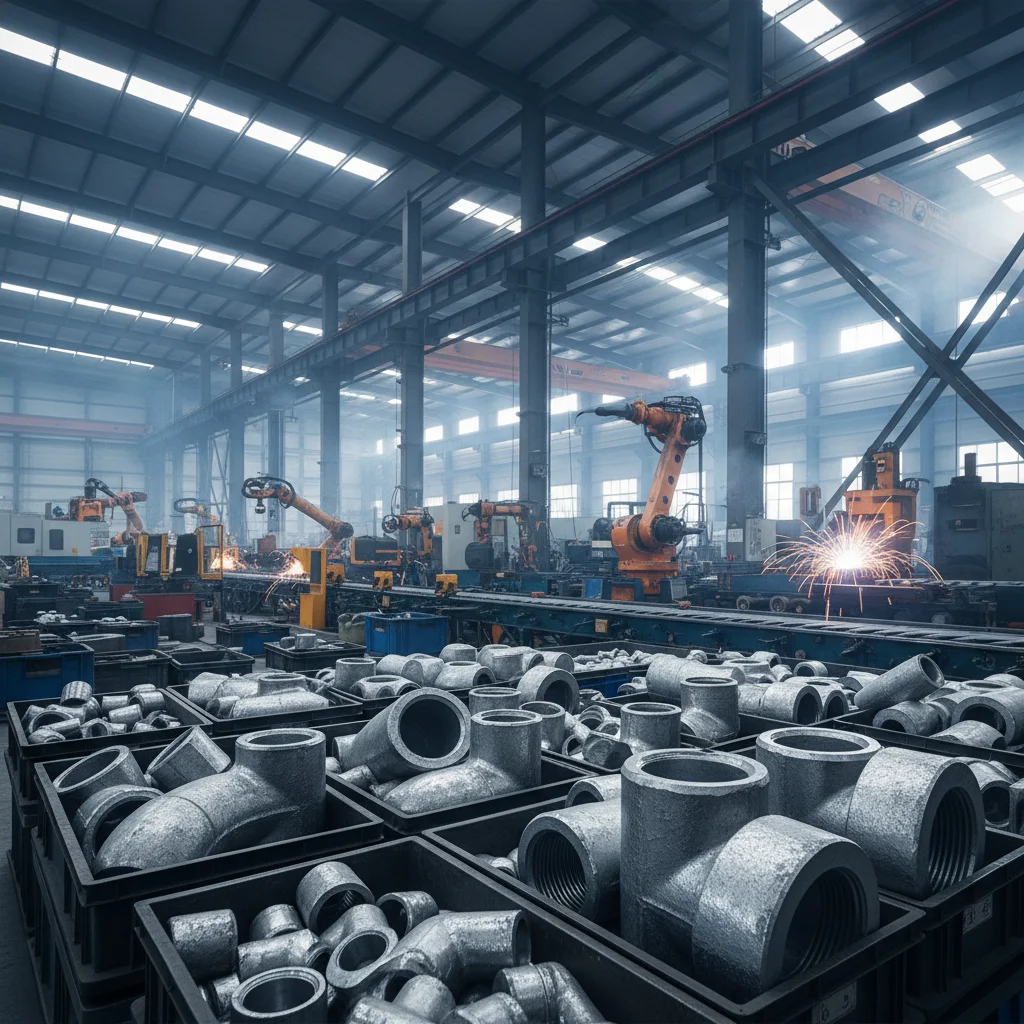
Additionally, the adoption of automated precision casting and CNC threading is reducing material waste and increasing the consistency of every fitting. The industry is also exploring more eco-friendly galvanizing baths that reduce the emission of volatile organic compounds (VOCs) and minimize the energy required for the heating process, aligning the production of pipe fittings with global "Green Manufacturing" goals.
As we move toward a more automated world, the integration of these fittings into modular piping systems is becoming common. These pre-fabricated modules, utilizing high-precision 2-inch fittings, can be assembled on-site like LEGO blocks, drastically reducing construction timelines for factories and power plants while maintaining the highest standards of leak-proof integrity.
Analysis of Performance and Application of 2 inch galvanized pipe fittings
| Application Environment |
Corrosion Risk Level |
Expected Lifespan (Years) |
Maintenance Requirement |
| Agricultural Irrigation |
Medium |
20-30 |
Low - Annual Inspection |
| Industrial HVAC |
Low |
40-50 |
Very Low |
| Coastal Water Lines |
High |
15-20 |
Medium - Coating Check |
| Fire Sprinkler Main |
Low |
50+ |
Low - Periodic Pressure Test |
| Chemical Plant Utility |
High |
10-15 |
High - Quarterly Review |
| Residential Plumbing |
Medium |
30-40 |
Low |
FAQS
Hot-dip galvanizing involves immersing the fitting in molten zinc, creating a thick, durable layer of zinc-iron alloy. This provides superior corrosion resistance and a longer lifespan, making it ideal for outdoor or industrial use. Electro-galvanizing uses an electrical current to apply a thinner zinc layer. While it offers a smoother finish and is more cost-effective, it provides significantly less protection against harsh environments compared to hot-dip 2 inch galvanized pipe fittings.
Yes, galvanized fittings are widely used for water transport. However, it is important to ensure they meet the specific health and safety standards (such as NSF/ANSI) of your region. While the zinc coating is generally safe, some modern installations prefer stainless steel or copper for high-purity drinking water to avoid the risk of zinc leaching over very long periods or under specific water chemistry conditions.
The threads are the most vulnerable point because the galvanization can be scraped off during tightening. To prevent this, it is recommended to use high-quality PTFE tape or professional-grade pipe sealant. Some installers also apply a cold-galvanizing spray (zinc-rich paint) to the threads after assembly to restore the protective zinc layer and ensure a complete hermetic seal.
Physically, they are compatible as they use the same threading standards. However, mixing them can lead to galvanic corrosion if the system carries an electrolyte (like water). The difference in potential between the galvanized and non-galvanized surfaces can accelerate rust at the junction. It is always best to maintain a consistent material type throughout the pipeline or use a dielectric union to isolate the metals.
Pressure ratings vary by class (e.g., Class 150 or Class 300). Most standard malleable iron 2 inch galvanized pipe fittings are rated for several hundred PSI, which is more than sufficient for most commercial and residential plumbing. Always refer to the manufacturer's technical data sheet to ensure the fitting can handle the peak surge pressures of your specific system.
The first sign of wear is typically "white rust," a powdery white substance that indicates the zinc is oxidizing. This is normal and part of the protection process. However, if you see reddish-brown rust spots, it means the zinc layer has been fully depleted and the base steel is now corroding. Once red rust appears, the fitting should be inspected for thinning walls and replaced to avoid catastrophic leaks.
Conclusion
In summary, 2 inch galvanized pipe fittings represent the ideal intersection of mechanical strength and chemical resistance. By providing a sacrificial barrier against oxidation and maintaining precise hydraulic tolerances, these components ensure that critical infrastructure—from fire protection to industrial utility lines—operates safely and efficiently. The long-term economic value, combined with the sustainability of recyclable steel, makes them a superior choice over temporary or less durable alternatives.
As the industry moves toward smarter, greener manufacturing, the role of these fittings will only grow in importance. Investing in high-quality, certified galvanized components is not just a procurement decision; it is a commitment to safety, reliability, and environmental responsibility. For those seeking the highest standards in casting and galvanization to secure their piping networks, we invite you to explore our professional solutions. Visit our website: www.jinmaicasting.com