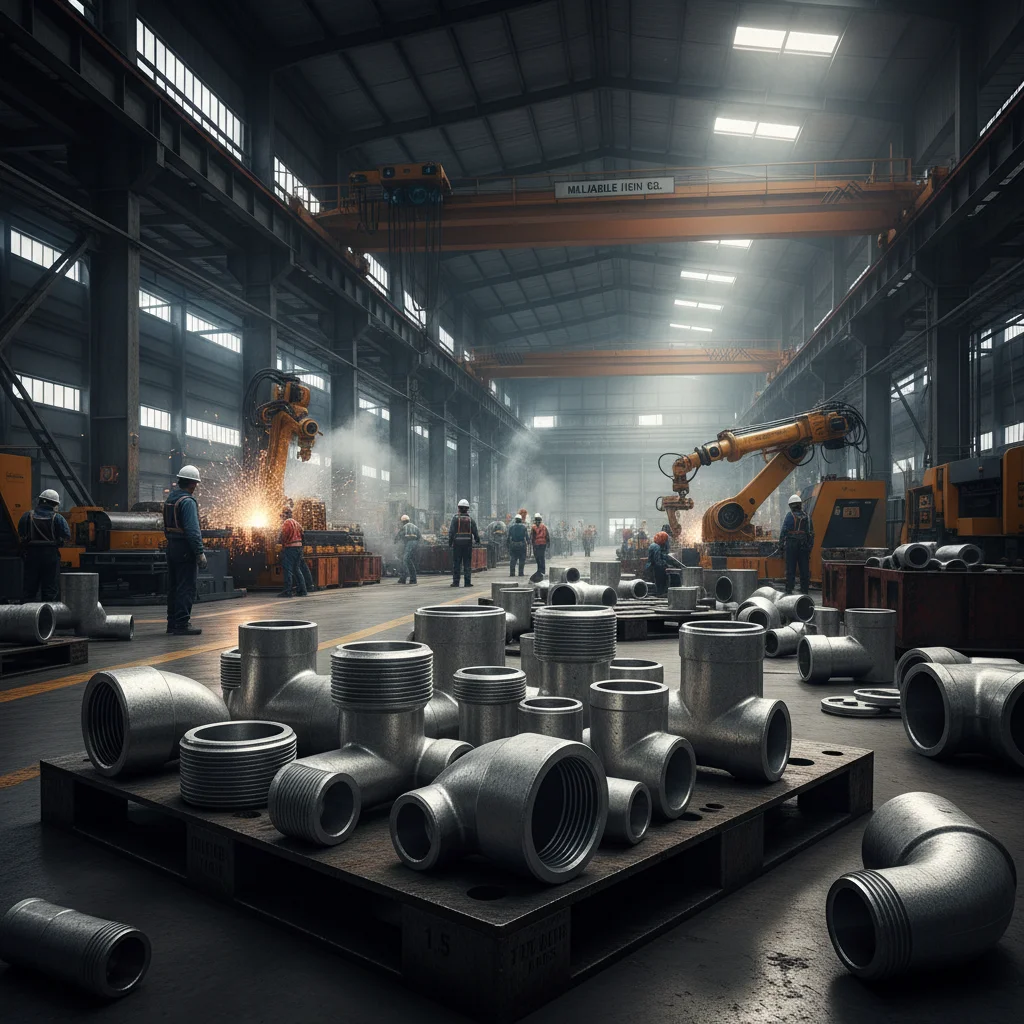
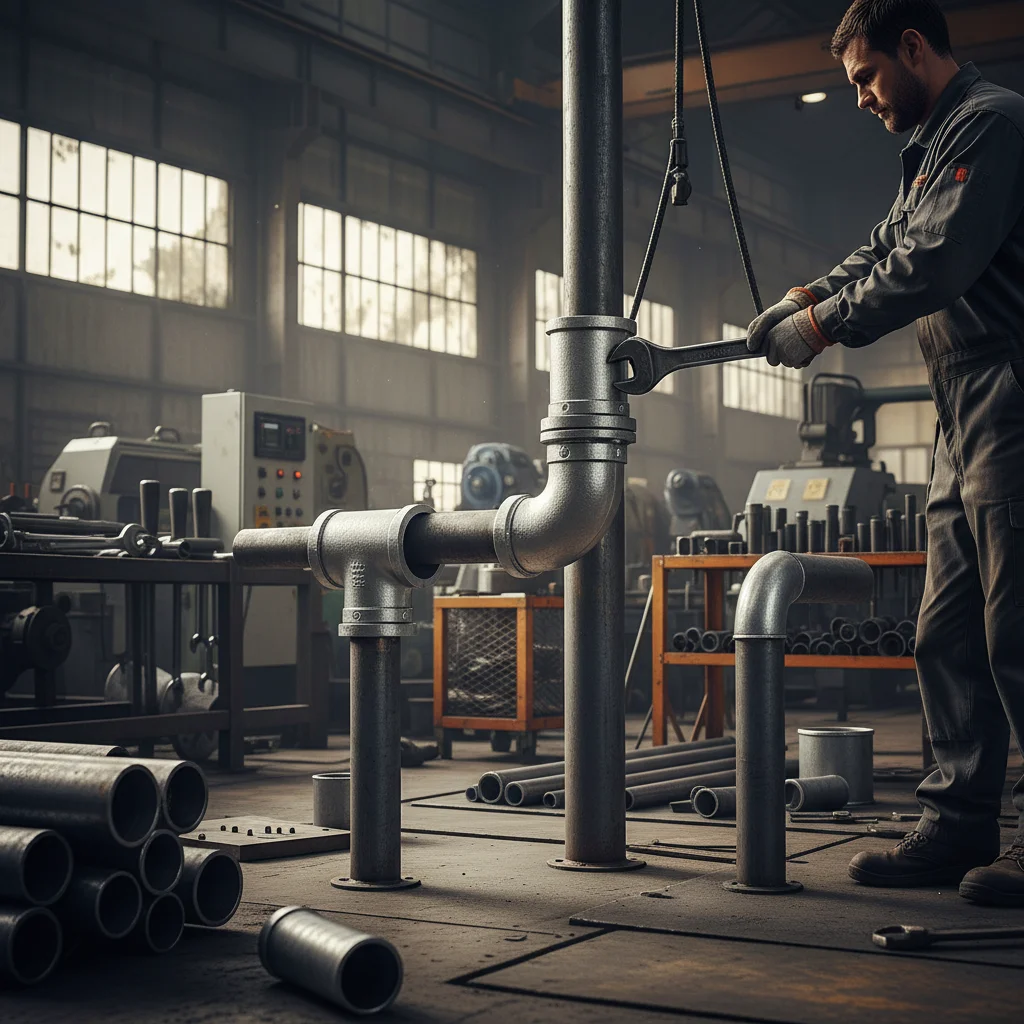
In the demanding world of industrial plumbing and structural engineering, the selection of materials can determine the longevity of an entire project. black galvanized pipe fittings represent a critical intersection of strength and corrosion resistance, providing a robust solution for fluid transport and structural frameworks. By combining the structural integrity of black iron with a protective zinc coating, these components ensure that systems remain leak-free and durable even in challenging environments.
Across the globe, the demand for high-grade piping solutions has surged as infrastructure in emerging markets expands and aging systems in developed nations undergo modernization. The strategic use of black galvanized pipe fittings addresses the persistent challenge of oxidation and premature material failure, which can lead to costly downtime and safety hazards in industrial plants. Understanding the nuances of these fittings is essential for engineers seeking to balance upfront costs with long-term operational reliability.
Whether utilized in oil and gas transmission, water distribution, or heavy-duty architectural scaffolding, these fittings offer a versatility that few other materials can match. This comprehensive guide explores the technical specifications, global applications, and future innovations surrounding black galvanized pipe fittings, providing a roadmap for professionals to optimize their material procurement and installation strategies.
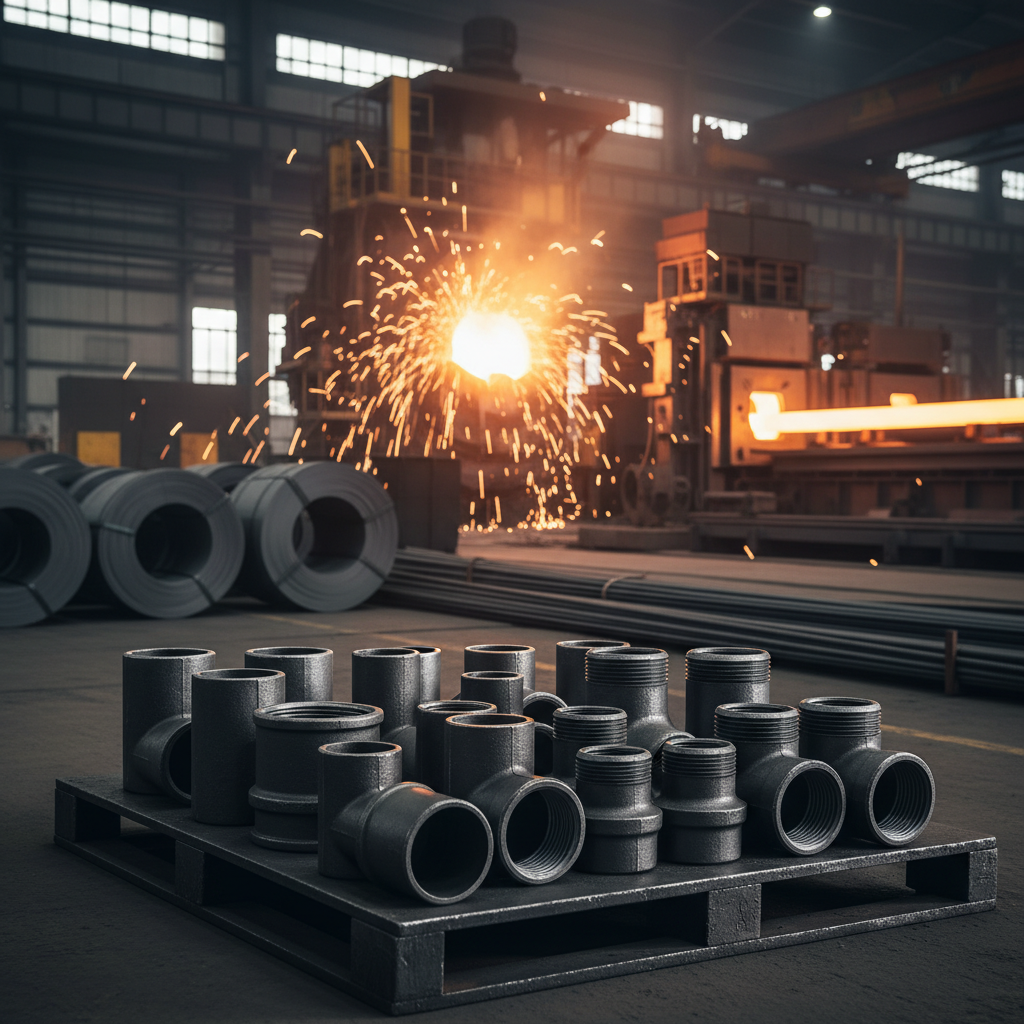
Global Industry Context of Black Galvanized Pipe Fittings
The global industrial landscape is currently witnessing a massive shift toward high-performance materials that can withstand volatile environmental conditions. In accordance with ISO standards for metallurgy and piping, black galvanized pipe fittings have become a staple in large-scale infrastructure projects. Data from global industrial reports suggest that corrosion accounts for nearly 3% of global GDP loss annually, making the protective zinc layer of galvanized fittings a critical economic safeguard.
In regions with high humidity or saline air, such as coastal industrial zones in Southeast Asia or the Gulf Coast of the US, the reliance on these specialized fittings is even more pronounced. The industry faces a constant battle against electrochemical corrosion, and the implementation of standardized black galvanized pipe fittings provides a reliable barrier that extends the lifecycle of piping networks by decades compared to untreated black iron.
Defining the Technicality of Black Galvanized Pipe Fittings
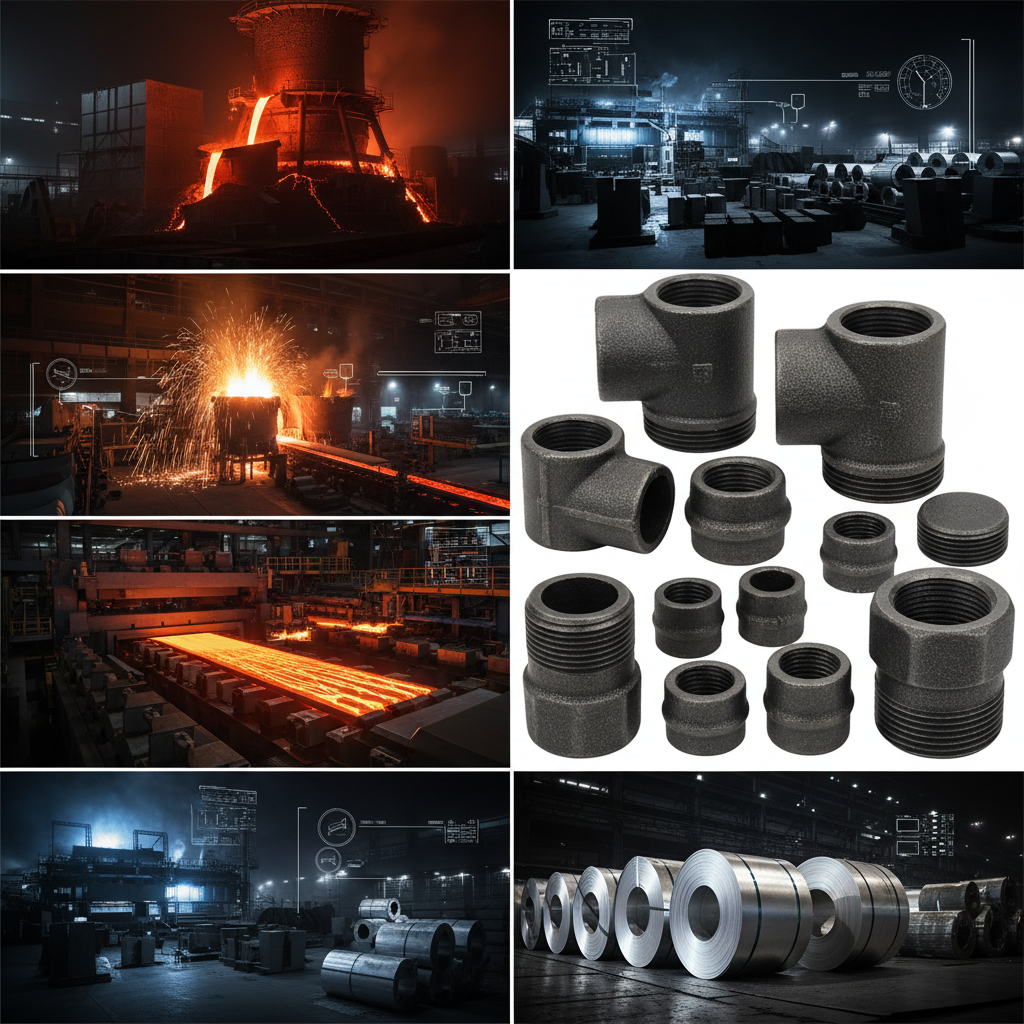
At its core, black galvanized pipe fittings are components made from black steel or malleable iron that have been coated with a layer of zinc through a hot-dip or electro-galvanizing process. Unlike standard black pipe, which is prone to rapid rusting when exposed to oxygen and moisture, the galvanized layer acts as a sacrificial anode. This means the zinc corrodes first, protecting the underlying steel from structural degradation.
This technical synergy is vital for modern humanitarian and industrial needs, particularly in the deployment of rapid-response water systems or the construction of sturdy shelters in disaster-prone areas. The "black" designation refers to the original steel finish before galvanization, which retains the heavy-duty mechanical properties required for high-pressure environments while gaining the chemical resistance of the zinc coating.
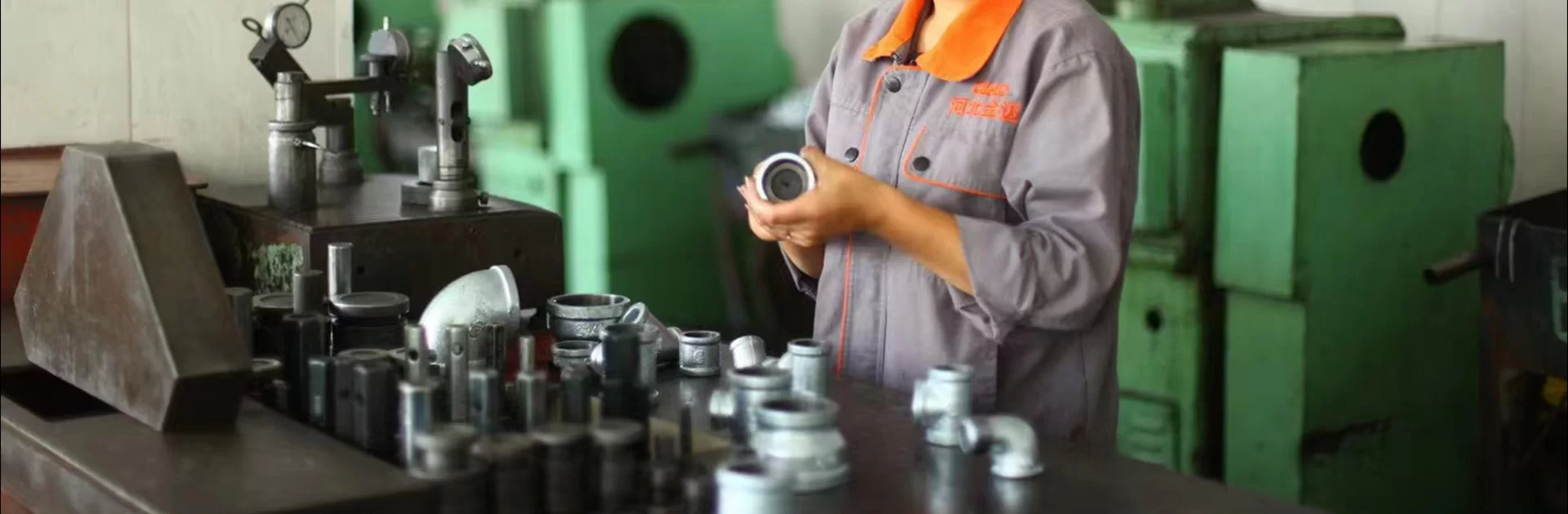
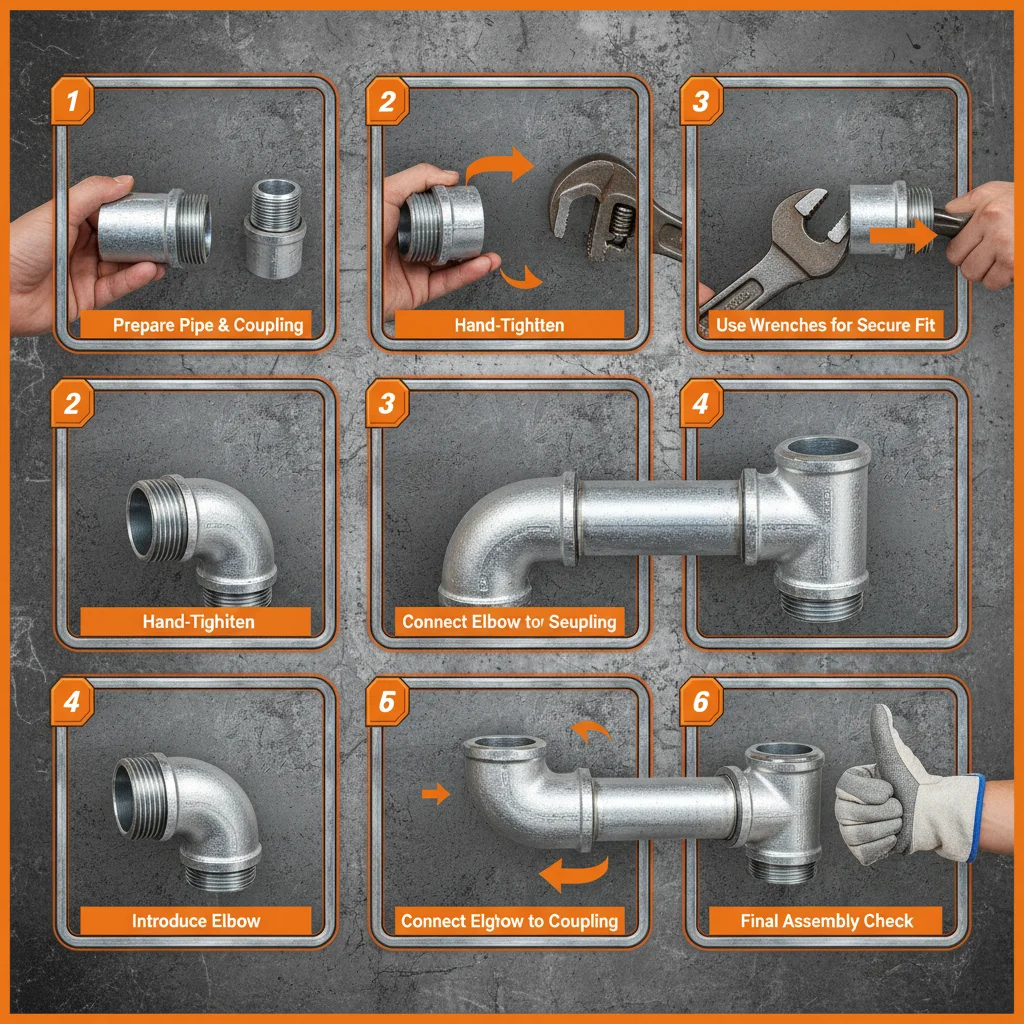
From a manufacturing perspective, these fittings are engineered to maintain tight tolerances and seamless joints. Whether they are elbows, tees, or couplings, the precision of the threading ensures that black galvanized pipe fittings can be integrated into existing piping grids without compromising the integrity of the seal, effectively preventing hazardous leaks in industrial settings.
Core Components and Durability Factors
The primary strength of black galvanized pipe fittings lies in their material composition. The use of high-grade malleable iron ensures that the fittings can withstand significant mechanical stress and impact without cracking, a feature that is indispensable in heavy manufacturing plants and mining operations.
Scalability and versatility are further enhanced by the thickness of the zinc coating. For black galvanized pipe fittings, the coating thickness is meticulously controlled to ensure that it does not interfere with the threading while still providing a comprehensive seal against atmospheric moisture and chemical vapors.
Cost efficiency is achieved through the extended maintenance cycle these fittings provide. By reducing the frequency of replacements and the need for secondary anti-corrosion coatings, black galvanized pipe fittings offer a lower total cost of ownership over the lifespan of the installation.
Performance Metrics and Cost Efficiency
Evaluating the effectiveness of black galvanized pipe fittings requires a look at their performance across different environmental stressors. When comparing different galvanization methods, the hot-dip process generally offers superior longevity, while electro-galvanizing provides a smoother finish for aesthetic or precision applications.
The investment in high-quality fittings pays off through the reduction of systemic failures. In a typical industrial setup, the failure of a single coupling can lead to catastrophic pressure loss, making the reliability of black galvanized pipe fittings a key metric for risk management.
Comparison of Performance Ratings for Pipe Fitting Varieties
Global Applications and Industrial Use Cases
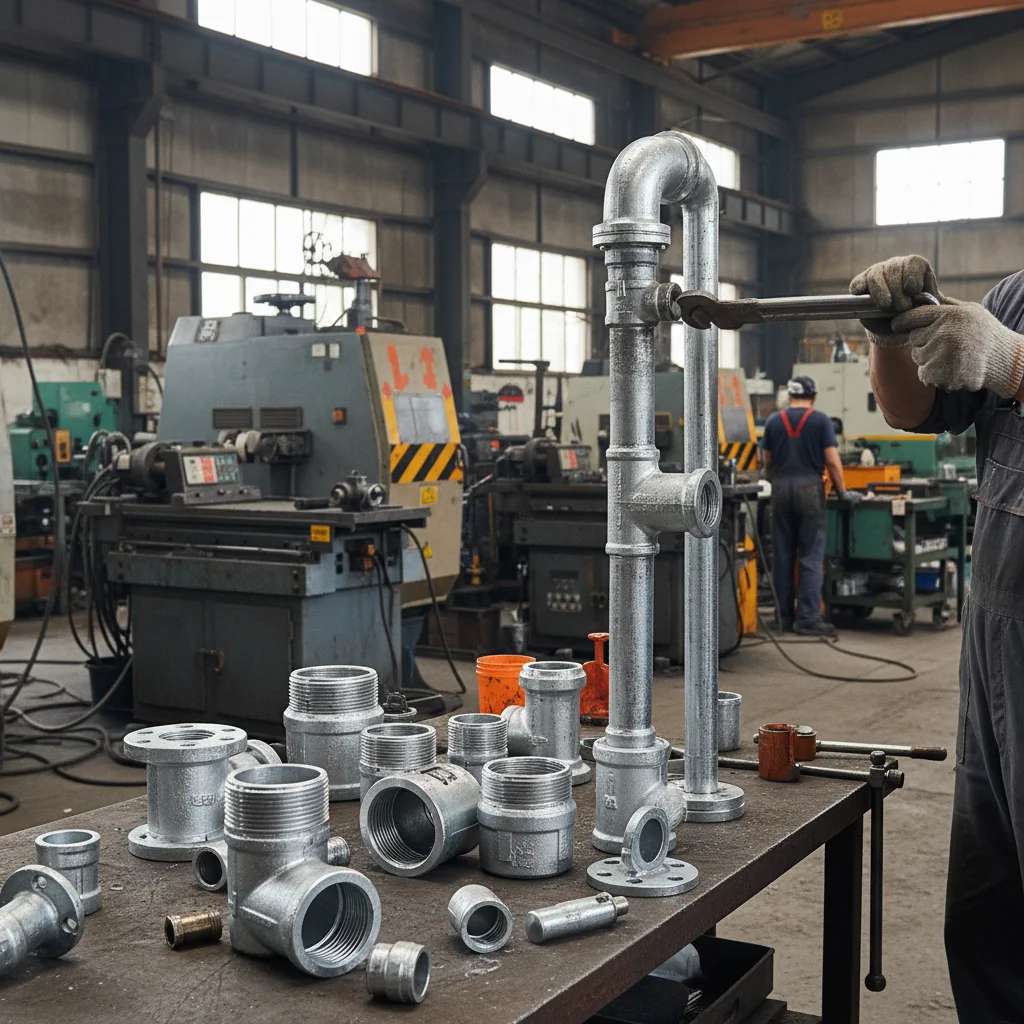
In real-world contexts, black galvanized pipe fittings are indispensable in the energy sector. For example, in remote industrial zones such as oil fields in the Permian Basin or gas plants in the Middle East, these fittings are used to build support structures and secondary piping lines that must resist salt-spray and harsh chemical exposure.
Furthermore, they play a vital role in urban infrastructure. In many European cities, modernized heating and cooling networks utilize black galvanized pipe fittings for their ability to handle thermal expansion and contraction while remaining impervious to the damp conditions of underground vaults.
Long-term Value and Sustainability Advantages
The long-term value of black galvanized pipe fittings extends beyond mere cost savings. There is a significant emotional and logical angle regarding safety and trust; knowing that a structural joint will not fail due to unseen corrosion provides peace of mind to plant managers and safety inspectors alike.
From a sustainability perspective, the longevity of galvanized steel reduces the environmental footprint associated with the frequent production and transport of replacement parts. By opting for black galvanized pipe fittings, companies contribute to a circular economy by maximizing the utility of every ton of steel installed.
Reliability in these components also translates to social impact. In the construction of low-cost, durable housing in developing regions, using high-quality pipe fittings ensures that essential water and sanitation lines remain operational for generations, promoting dignity and health through stable infrastructure.
Future Trends and Innovative Solutions
The future of black galvanized pipe fittings is being shaped by the digital transformation of manufacturing. With the rise of Industry 4.0, additive manufacturing and precision CNC machining are allowing for the creation of customized fitting geometries that reduce turbulence in fluid flow and minimize pressure drops.
Moreover, green energy initiatives are driving the development of more eco-friendly galvanizing processes. New zinc-aluminum-magnesium (ZAM) alloys are being integrated into black galvanized pipe fittings to provide even higher levels of corrosion resistance, particularly in the presence of chlorides, which is crucial for the expansion of offshore wind and hydrogen energy hubs.
Automation in quality control, utilizing AI-driven vision systems, now ensures that every fitting leaving the factory is free of pinholes or coating irregularities. This commitment to precision ensures that black galvanized pipe fittings will remain the gold standard for industrial connectivity for decades to come.
Technical Specifications and Analysis of Black Galvanized Pipe Fittings
| Fitting Type |
Corrosion Resistance Score |
Pressure Tolerance |
Typical Lifespan (Years) |
| Galvanized Elbow |
9/10 |
High |
25-40 |
| Galvanized Tee |
8/10 |
Medium-High |
20-35 |
| Galvanized Coupling |
9/10 |
High |
30-50 |
| Galvanized Union |
7/10 |
Medium |
15-30 |
| Galvanized Cap |
10/10 |
Maximum |
40-60 |
| Galvanized Cross |
8/10 |
Medium-High |
20-30 |
FAQS
Standard black pipe fittings are untreated steel, making them suitable for gas and oil lines where corrosion is less of a concern or where the pipe is painted. Black galvanized pipe fittings, however, have a zinc coating that protects the steel from rust and corrosion, making them ideal for water lines and outdoor exposure where moisture is prevalent.
Yes, they are frequently used for water transport. However, it is important to ensure the galvanization process meets local health and safety standards (such as NSF/ANSI) to ensure no lead or harmful contaminants are present in the zinc coating, ensuring the water remains safe for consumption.
Depending on the environment, these fittings can last anywhere from 20 to 50 years. In highly corrosive settings (like chemical plants), the lifespan may be shorter, but they still far outperform untreated black iron. Regular inspections and the use of hot-dip galvanizing can maximize their operational life.
While they can be connected, it is not recommended to join them directly due to galvanic corrosion. When two dissimilar metals touch in the presence of an electrolyte (like water), the less noble metal (zinc) will corrode rapidly. Using a dielectric union is the professional solution to isolate the metals and prevent failure.
Look for a uniform, matte grey finish without visible pits, bubbles, or "white rust" (zinc oxide). High-quality black galvanized pipe fittings will have clean, precise threading that fits snugly without excessive gaps. Weight is also a tell-tale sign; higher-quality fittings usually have a thicker wall and a more substantial coating.
In most cases, painting is unnecessary because the zinc coating provides sufficient protection. However, in extreme marine environments, a specialized epoxy coating can be applied over the galvanization to create a "duplex system," which exponentially increases the time before the first sign of corrosion appears.
Conclusion
To summarize, black galvanized pipe fittings offer an unparalleled balance of structural strength and chemical resilience. By leveraging the protective properties of zinc over a robust iron base, these components effectively mitigate the risks of corrosion, reduce long-term maintenance costs, and ensure the safety of critical industrial infrastructure. From the technical precision of their manufacture to their versatile application in global energy and water sectors, they remain a cornerstone of modern engineering.
Looking forward, the integration of smarter alloys and automated production will only enhance the reliability of these fittings. For procurement managers and engineers, the key to success lies in choosing fittings that adhere to strict ISO and ASTM standards to guarantee performance. To ensure your project is built on a foundation of durability and trust, we invite you to explore our full range of professional piping solutions. Visit our website: www.jinmaicasting.com