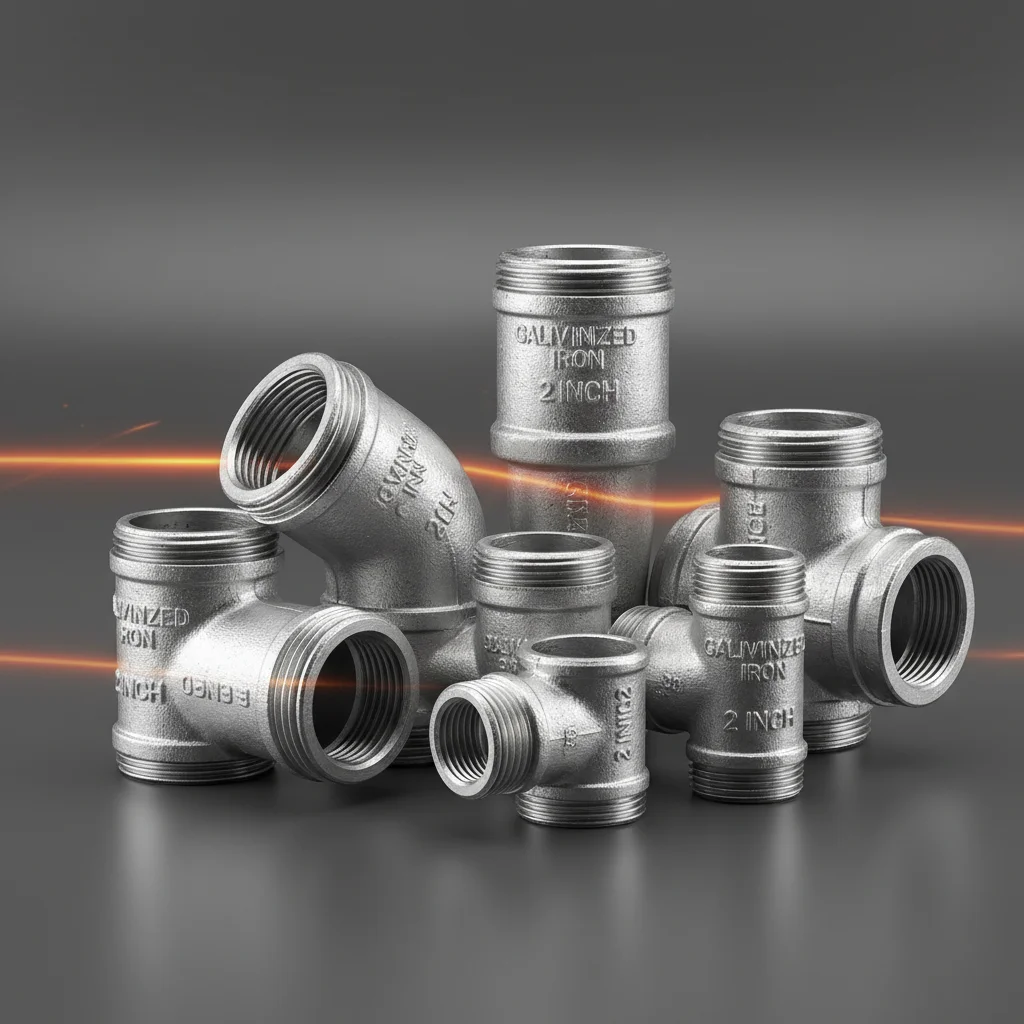
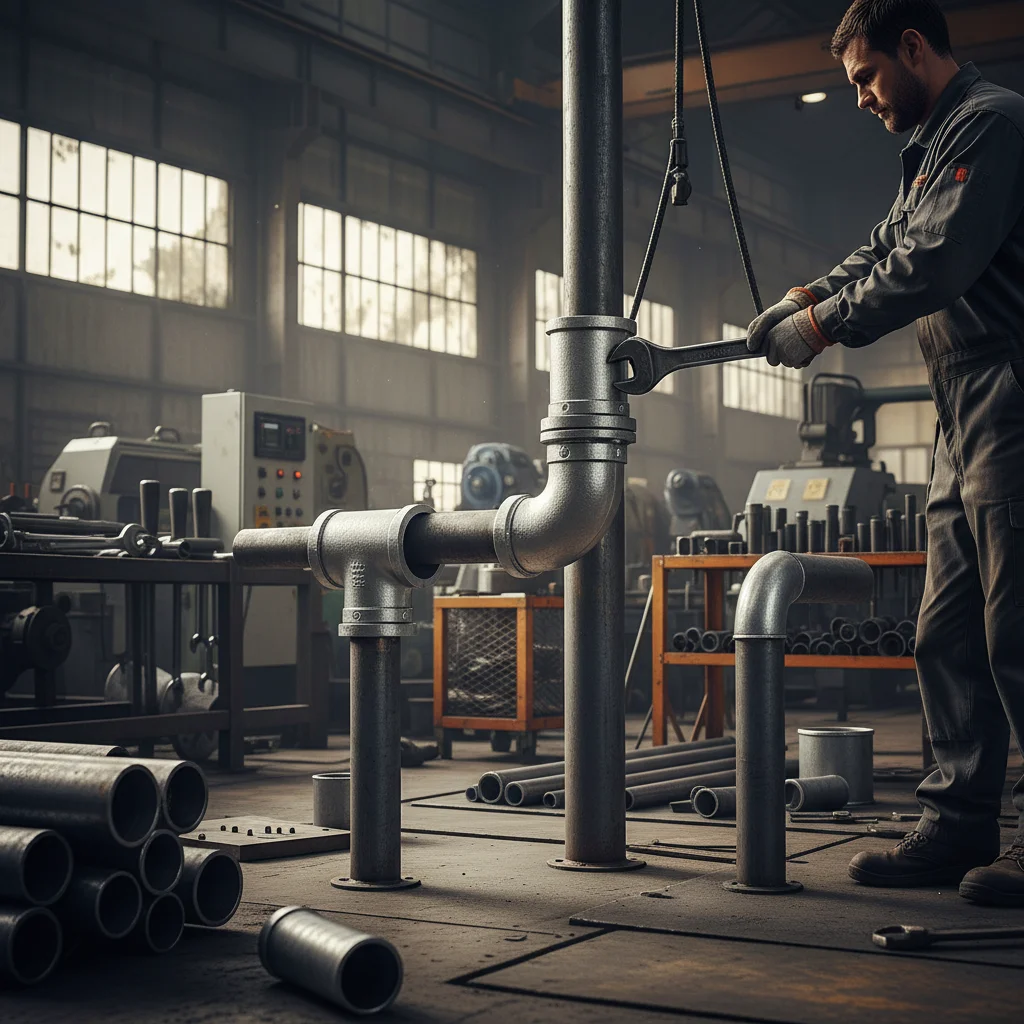
In the demanding world of industrial fluid transport and structural framing, selecting the right connection components is critical for system longevity. A fitting galvanized pipe system offers a robust solution by combining the inherent strength of malleable iron or steel with a protective zinc coating, ensuring that joints remain leak-proof and corrosion-resistant even in the harshest environments.
Globally, the shift toward sustainable infrastructure has put a spotlight on materials that reduce waste through durability. By utilizing a high-quality fitting galvanized pipe, engineers can significantly extend the lifecycle of piping networks, reducing the frequency of costly replacements and minimizing the environmental impact associated with metal fabrication and disposal.
Understanding the technical nuances of these fittings—from the hot-dip galvanizing process to the precision of thread engagement—allows procurement managers and contractors to optimize their budgets without compromising on safety. Whether for water lines, gas conduits, or industrial railings, the right galvanized fitting is the linchpin of a reliable installation.
The Global Significance of fitting galvanized pipe
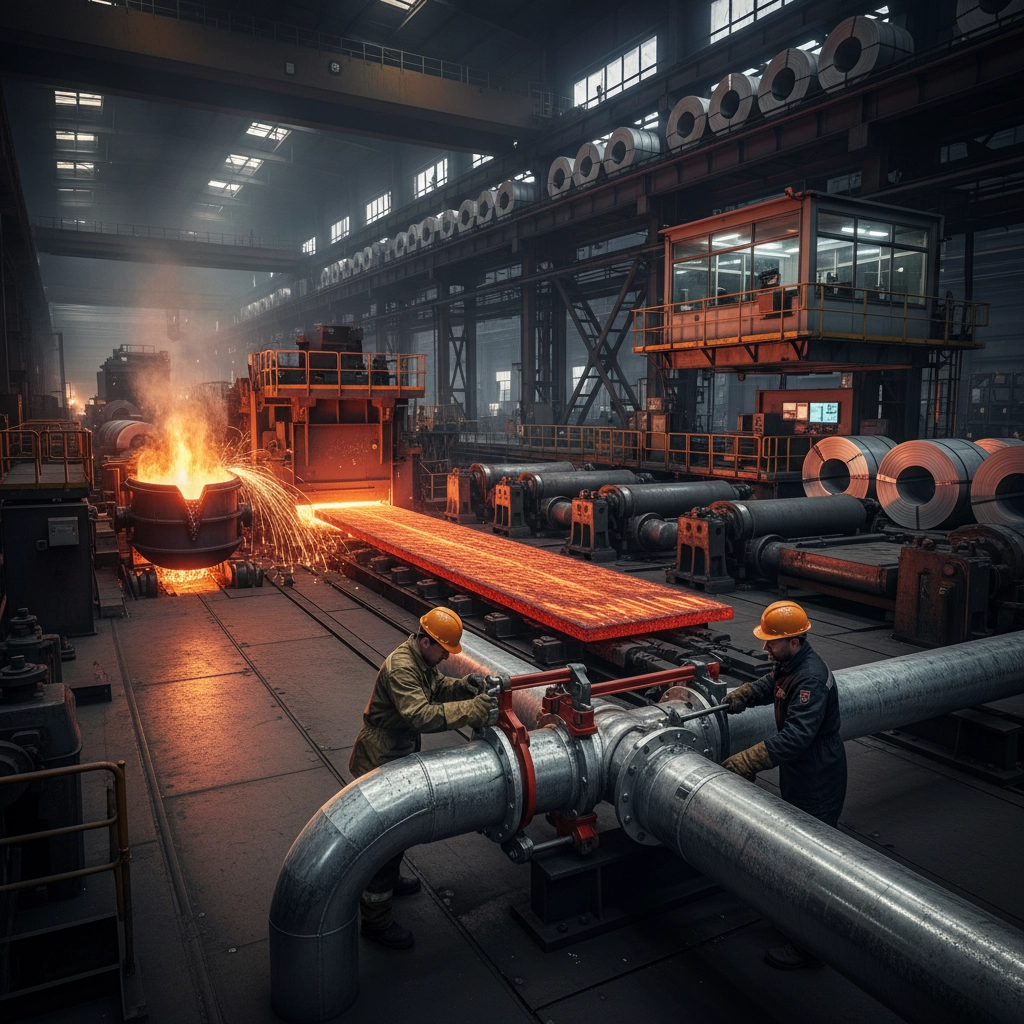
The global demand for corrosion-resistant infrastructure has made the fitting galvanized pipe an essential component in modern engineering. According to international standards like ISO and ASTM, the prevention of oxidation in metallic pipelines is paramount to preventing catastrophic structural failures in urban water grids and industrial chemical plants.
In regions with high humidity or saline coastal air, the zinc layer provided by galvanized fittings acts as a sacrificial anode, protecting the underlying steel from rust. This technological necessity ensures that critical utility lines remain operational for decades, reducing the risk of contamination and unplanned downtime in essential public services.
Defining the Technical Standards of Galvanized Fittings
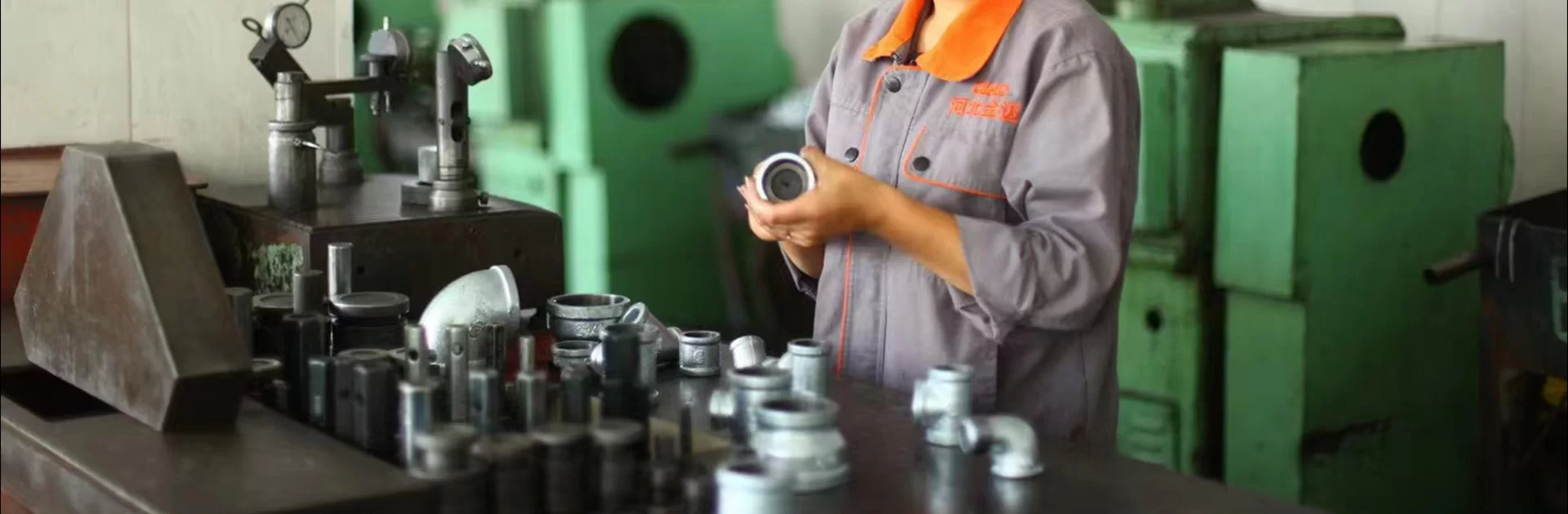
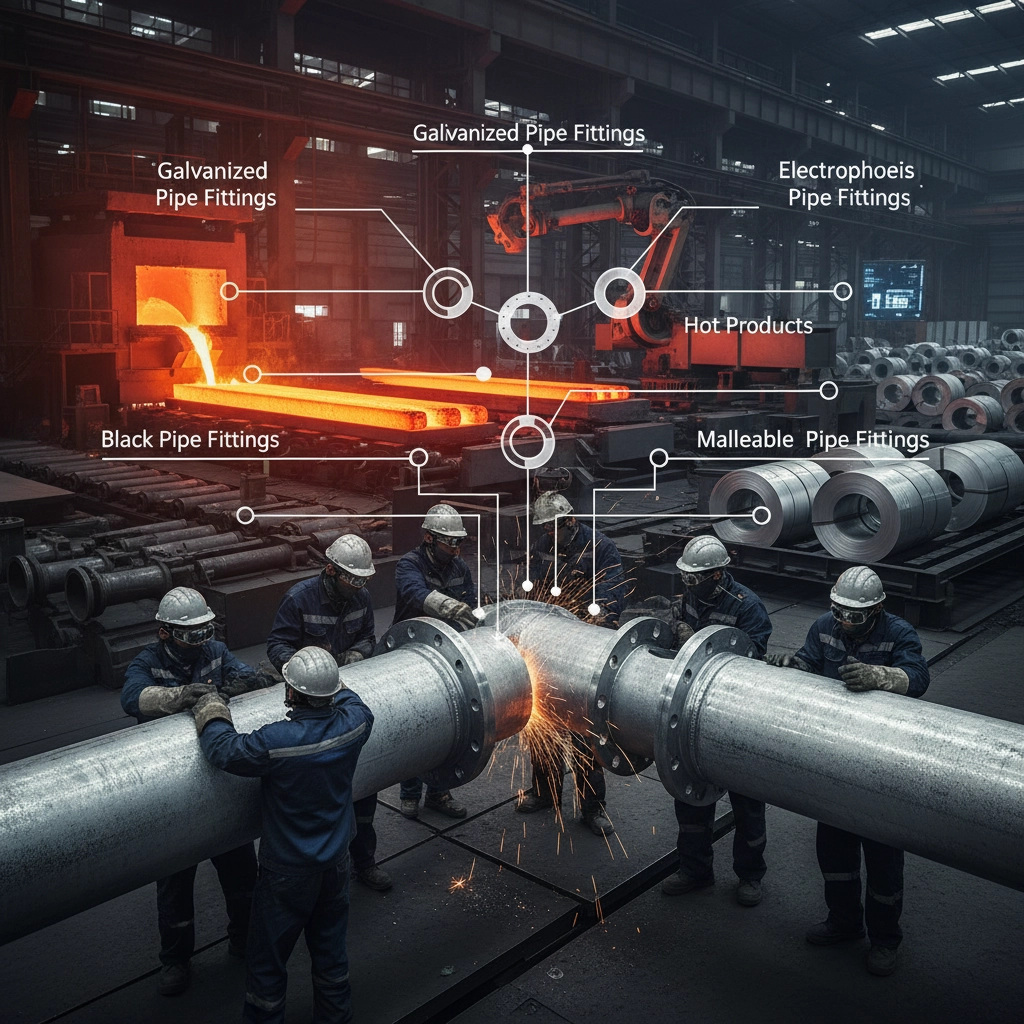
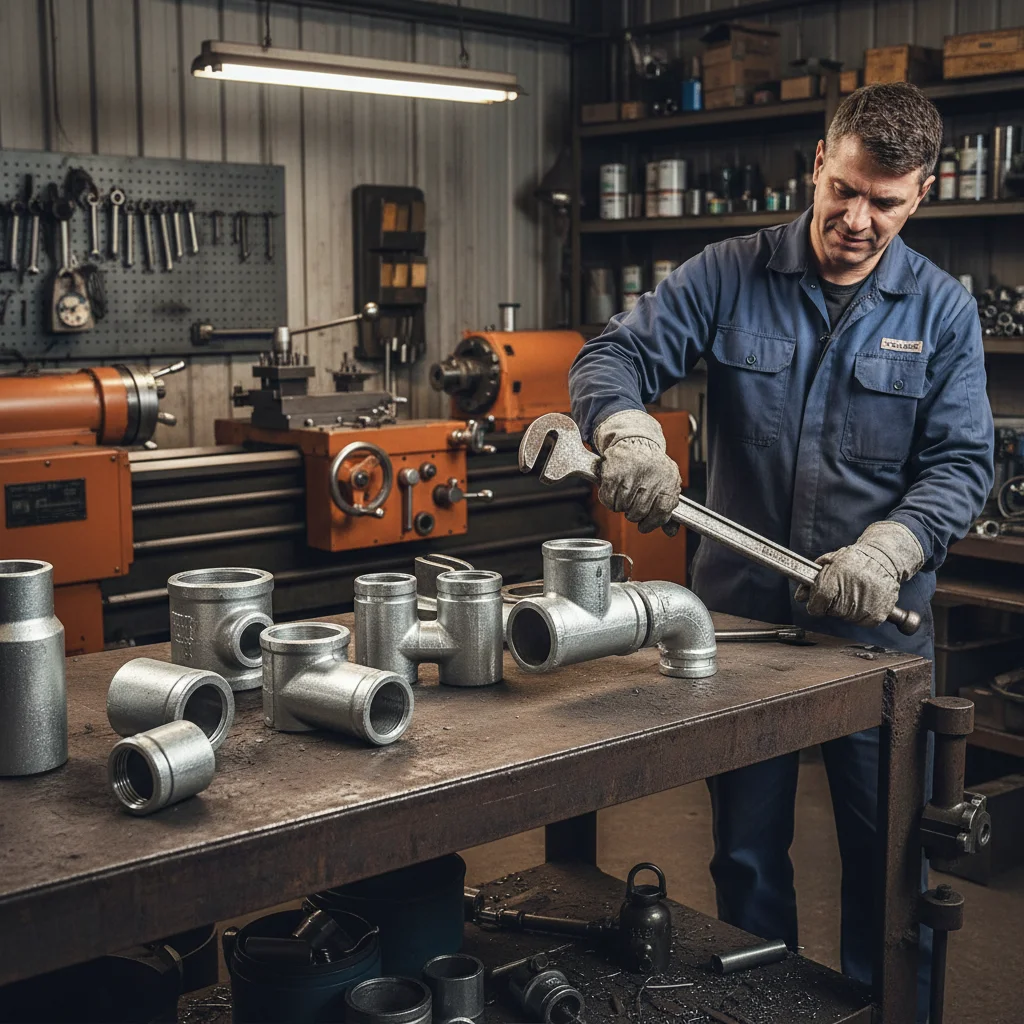
At its core, a fitting galvanized pipe refers to a connection component—such as an elbow, tee, or coupling—that has been coated with a layer of zinc to prevent atmospheric corrosion. This is typically achieved through hot-dip galvanizing, where the iron component is submerged in molten zinc, creating a metallurgical bond that is far more durable than simple paint or cold-spray coatings.
Within the context of modern industry, these fittings are not merely plumbing parts but are critical safety elements. They must adhere to strict pressure ratings and threading tolerances to ensure that every joint can withstand the mechanical stresses of high-pressure fluid transport without leaking or fracturing under thermal expansion.
From a humanitarian perspective, the deployment of reliable galvanized fittings is crucial in developing regions for the construction of clean water delivery systems. The ability to resist corrosion ensures that potable water remains untainted by rust and that infrastructure can be maintained with minimal specialized equipment over long periods.
Core Components of High-Performance Galvanized Piping
Durability is the primary driver when selecting a fitting galvanized pipe. The thickness of the zinc coating directly correlates to the lifespan of the system; a thicker layer provides a longer window of protection before the base metal is exposed to the elements, which is vital for underground or submerged installations.
Material integrity, often achieved through malleable iron casting, ensures that the fitting can absorb shocks and vibrations without cracking. When combined with the galvanization process, these components offer a seamless blend of mechanical toughness and chemical resistance, making them ideal for high-traffic industrial zones.
Cost-efficiency is realized not through the initial purchase price, but through the total cost of ownership. By reducing the need for frequent inspections and corrosion-related repairs, the use of galvanized fittings allows facility managers to allocate resources toward growth and innovation rather than constant maintenance.
Comparative Efficiency in Industrial Applications
When evaluating the performance of various piping solutions, the efficiency of a fitting galvanized pipe is often measured by its resistance to wear and ease of installation. Compared to stainless steel, galvanized fittings offer a more economical price point while providing sufficient protection for most non-acidic environments.
The following data illustrates how different types of galvanized fitting methods perform across key industrial metrics, highlighting the balance between cost and long-term durability.
Performance Metrics for fitting galvanized pipe Variants
Real-World Use Cases Across Global Industries
In remote industrial zones, such as mining operations in Australia or oil fields in the Middle East, the fitting galvanized pipe is indispensable. These environments expose equipment to extreme temperature fluctuations and corrosive dust, where unpainted steel would fail within months. Galvanized fittings provide the necessary shield to maintain the flow of essential fluids.
Furthermore, in urban infrastructure, these fittings are widely used in fire sprinkler systems and HVAC condensate lines. The reliability of a galvanized joint in a fire suppression system is a matter of life and safety; the corrosion resistance ensures that the pipe does not clog or burst during a critical emergency, providing peace of mind for building owners and occupants.
Long-Term Value and Sustainability Benefits
The long-term value of investing in high-grade galvanized fittings extends beyond simple cost savings. By choosing materials that resist degradation, companies contribute to a circular economy by reducing the volume of scrap metal entering landfills. A system that lasts 50 years instead of 20 represents a massive reduction in the carbon footprint associated with smelting and transporting new iron.
Moreover, the psychological aspect of reliability cannot be overlooked. For engineers and project managers, the trust that a joint will not leak under pressure allows for more ambitious architectural designs and safer industrial layouts. This trust is built on the consistent performance of the zinc-iron bond found in quality galvanized products.
Sustainability is also reflected in the versatility of the material. Galvanized fittings are often recyclable at the end of their lifecycle, allowing the zinc and steel to be recovered and reused in new manufacturing processes, thereby closing the loop on material consumption.
Future Innovations in Galvanized Coating Technology
The industry is currently moving toward "Green Galvanizing," utilizing advanced filtration and closed-loop chemistry to reduce the environmental impact of the pickling and fluxing stages. These innovations ensure that the fitting galvanized pipe of tomorrow is produced with zero hazardous waste, aligning with global ESG (Environmental, Social, and Governance) goals.
Digital transformation is also touching the casting process. Through the use of AI-driven quality control and automated ultrasonic testing, manufacturers can now detect microscopic voids in the iron casting or inconsistencies in the zinc coating before the product ever leaves the factory. This ensures a near-zero failure rate for critical installations.
Additionally, the development of nano-composite zinc coatings is promising. These new materials aim to provide even higher abrasion resistance and an even slower corrosion rate, potentially doubling the lifespan of fittings used in saltwater environments.
Comparison of Galvanized Fitting Technical Specifications
| Coating Method |
Corrosion Resistance |
Installation Speed |
Relative Cost |
| Hot-Dip Zinc |
Extreme (10/10) |
Standard |
Moderate |
| Electro-Galvanized |
Moderate (5/10) |
Fast |
Low |
| Sherardizing |
High (8/10) |
Standard |
High |
| Cold-Dip Coating |
Low (3/10) |
Very Fast |
Very Low |
| Zinc-Alloy Hybrid |
Very High (9/10) |
Standard |
Moderate-High |
| Pre-Galvanized Steel |
Moderate (6/10) |
Fast |
Low |
FAQS
Hot-dip galvanizing involves immersing the fitting in molten zinc, creating a thick, durable metallurgical bond that offers superior corrosion resistance for outdoor or underground use. Electro-galvanizing uses an electrical current to apply a thinner zinc layer, which provides a smoother aesthetic finish and is suitable for indoor environments where corrosion risk is low.
Yes, galvanized pipes are commonly used for water transport. However, it is important to ensure the fittings meet local health and safety standards (such as NSF/ANSI) to ensure the zinc coating is stable and does not leach into the water supply over time, especially in highly acidic water conditions.
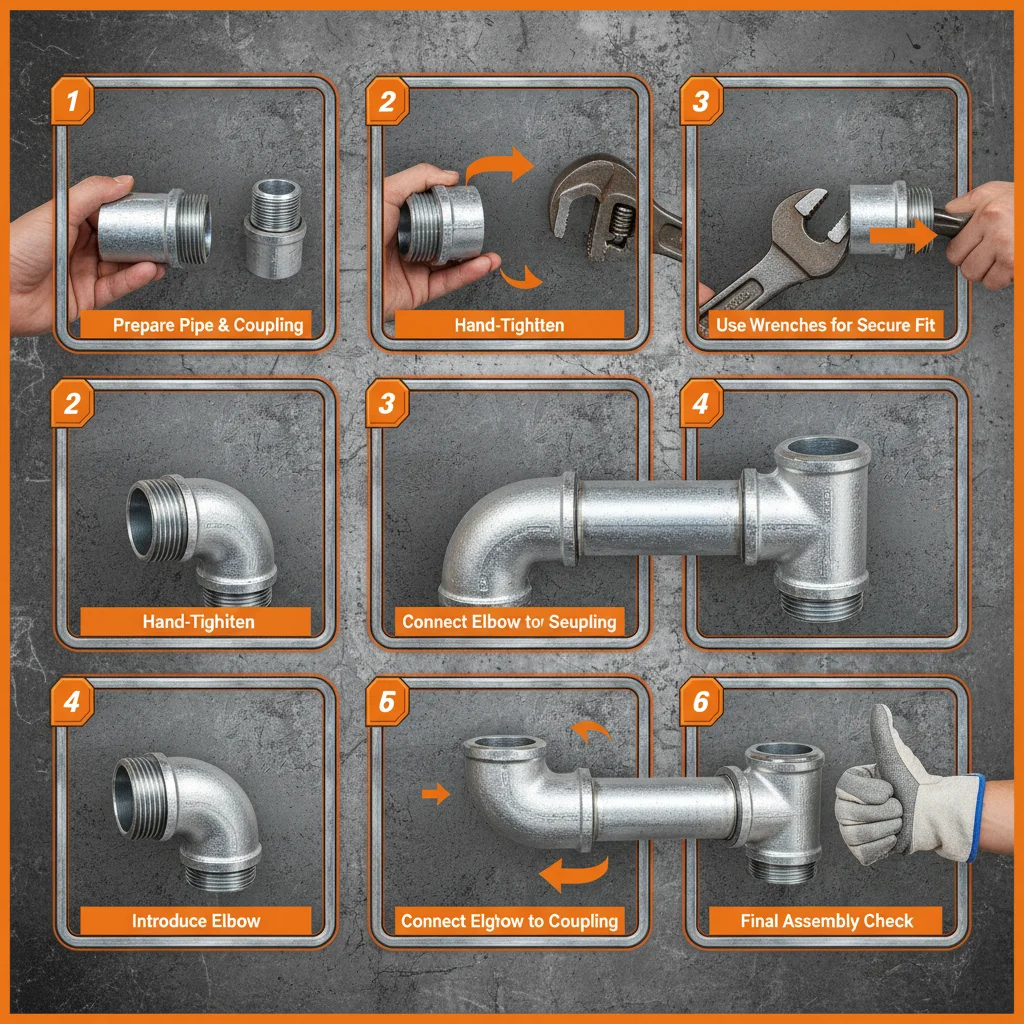
The threading process often removes the protective zinc layer. To prevent corrosion, it is essential to use high-quality PTFE tape or professional-grade pipe dope during installation. Additionally, applying a cold-galvanizing spray to the joint after tightening can restore the protective barrier.
Depending on the environment, a high-quality hot-dip galvanized fitting can last anywhere from 20 to 50 years. In highly corrosive chemical environments, this may be shorter, while in dry, indoor warehouse settings, they can virtually last the lifetime of the building.
While they can be physically connected, mixing galvanized and black steel can lead to galvanic corrosion at the junction point. For long-term stability, it is recommended to maintain a consistent material type throughout the system or use a dielectric union to isolate the different metals.
Look for a uniform, matte grey appearance without excessive "zinc spikes" or peeling. High-quality fittings will have precise, clean threads and clear marking of the pressure rating and material grade (e.g., ASTM A197) stamped into the metal body.
Conclusion
In summary, the fitting galvanized pipe remains a cornerstone of industrial and civil engineering due to its unmatched balance of strength and corrosion resistance. From the metallurgical bond of hot-dip galvanizing to the reliability of malleable iron casting, these components ensure that our most critical fluid systems operate safely and efficiently across the globe.
As we move toward a future of greener manufacturing and smarter infrastructure, the evolution of zinc coatings and AI-driven quality control will only enhance the value of these fittings. For any project where longevity and safety are non-negotiable, prioritizing high-specification galvanized solutions is the most logical path to long-term operational success. Visit our website for more information: www.jinmaicasting.com