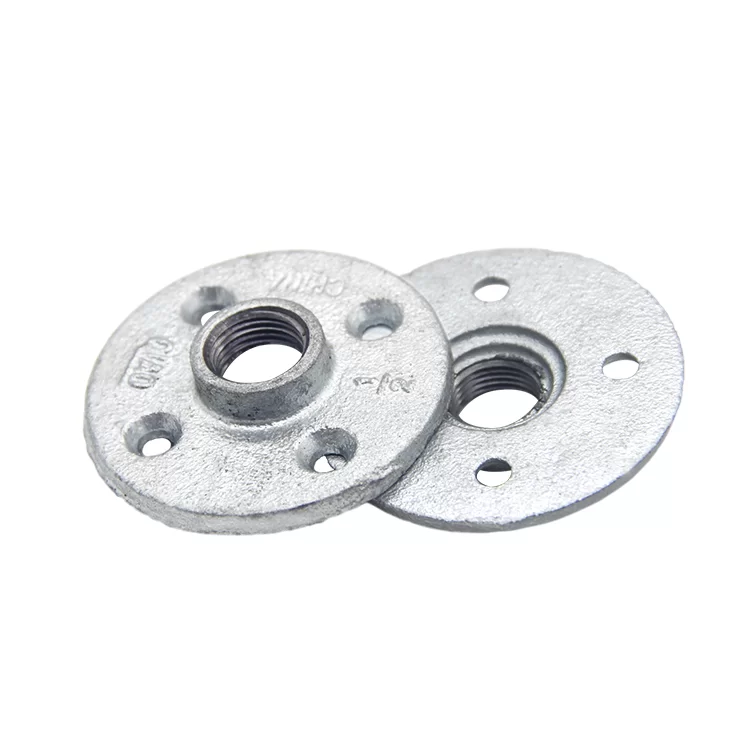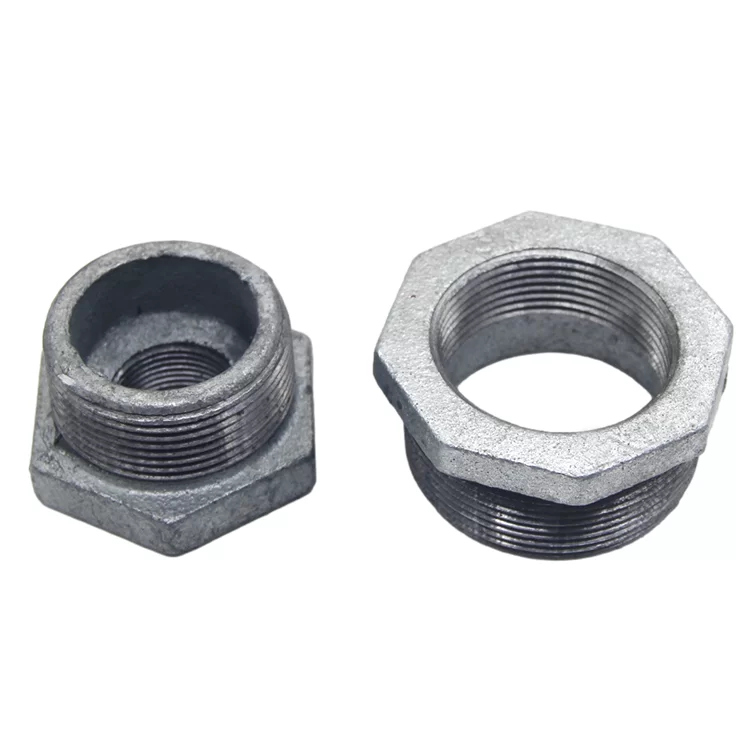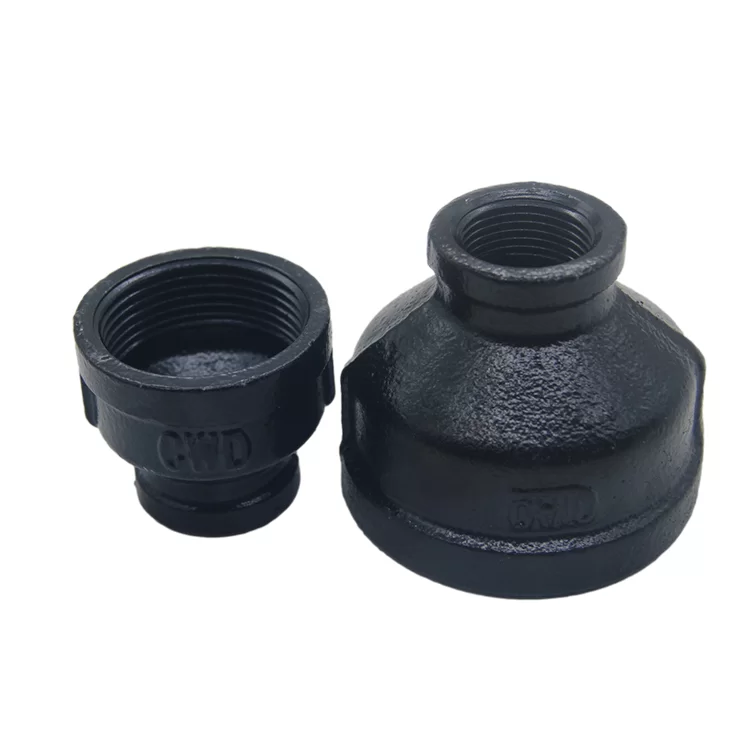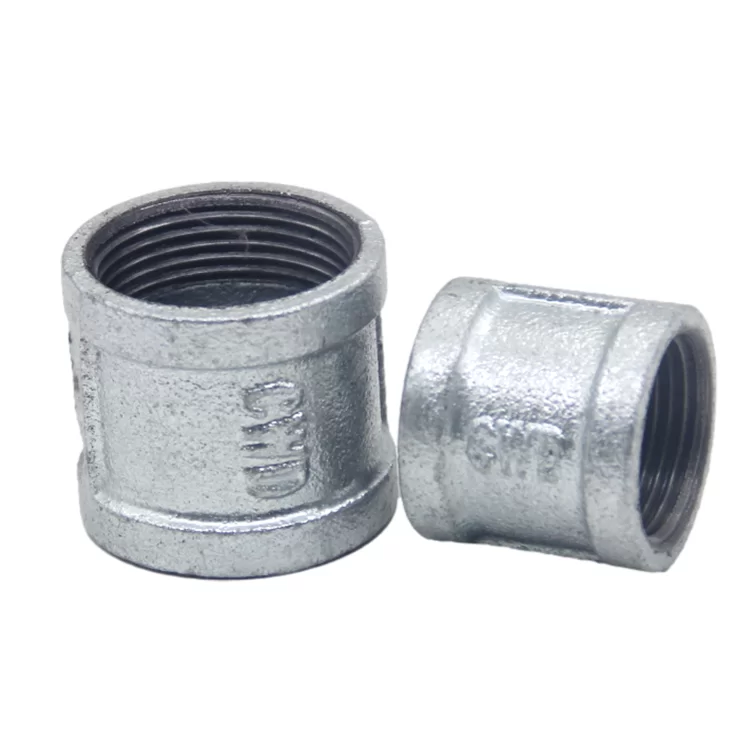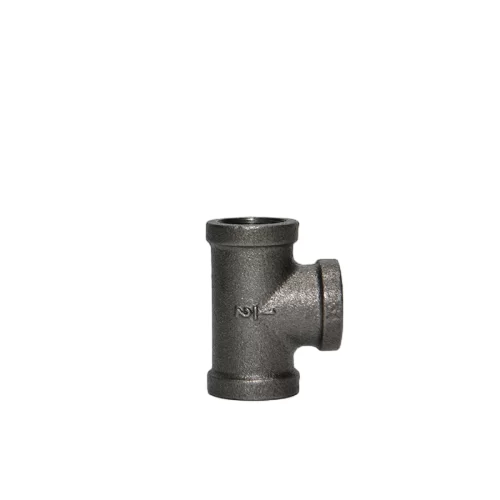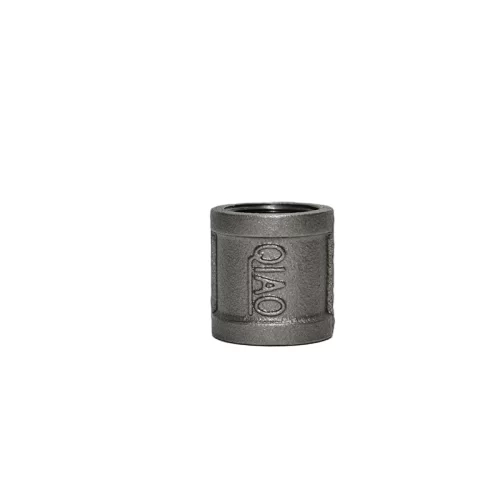

In the world of plumbing, construction, and industrial applications, 1 in galvanized pipe fittings are essential components. These fittings, characterized by their durable zinc coating, are vital for creating robust and corrosion-resistant piping systems. This article provides a comprehensive overview of 1-inch galvanized fittings, exploring their applications, material properties, manufacturing processes, quality standards, and crucial considerations for international trade. Understanding these elements is paramount for sourcing and utilizing these fittings effectively in your projects. We'll focus on what makes these fittings valuable for a global market.
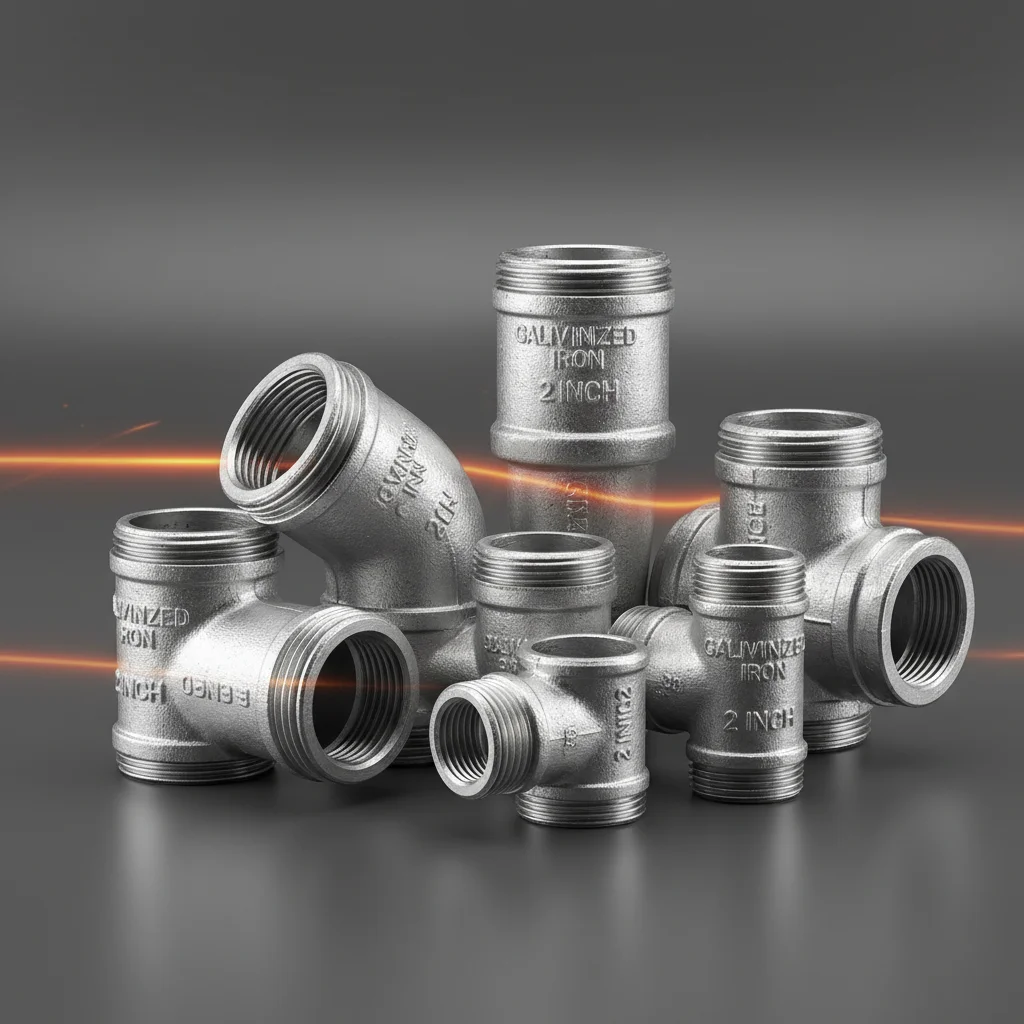
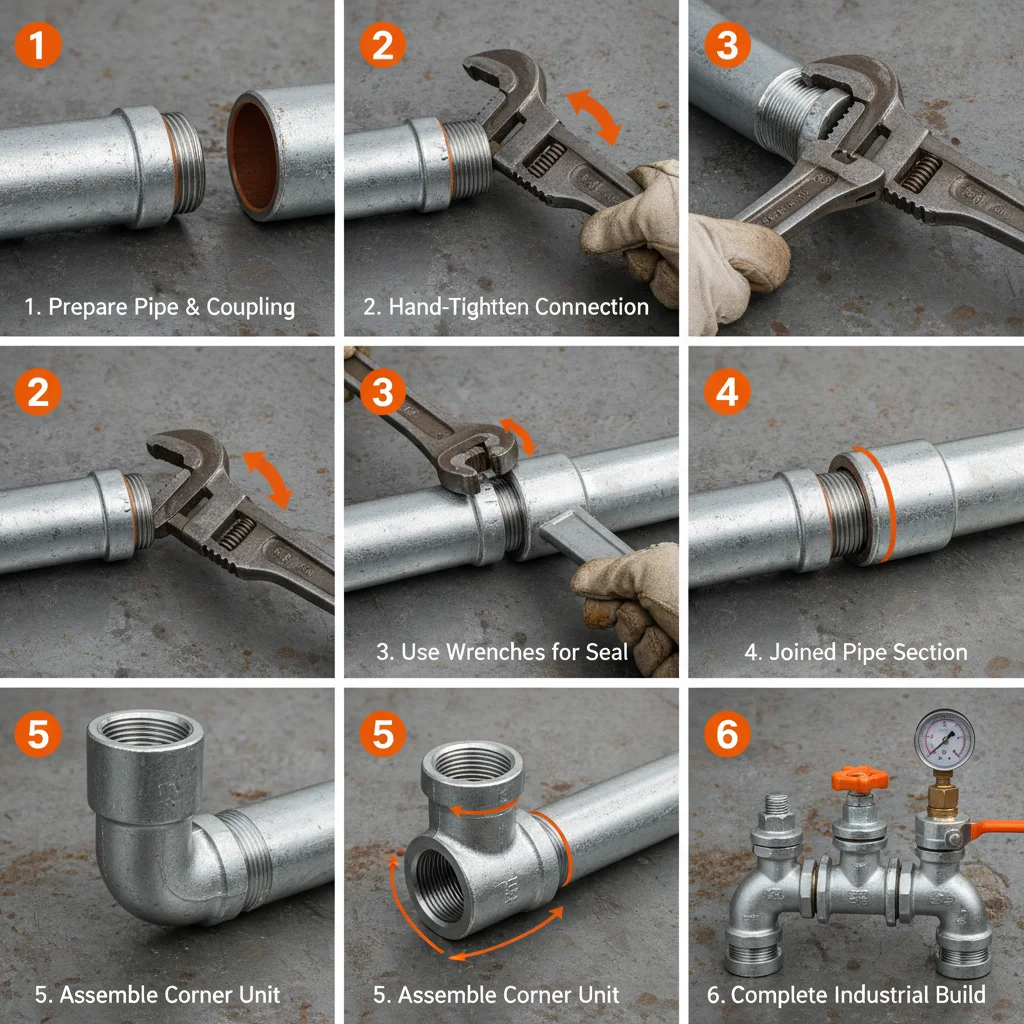
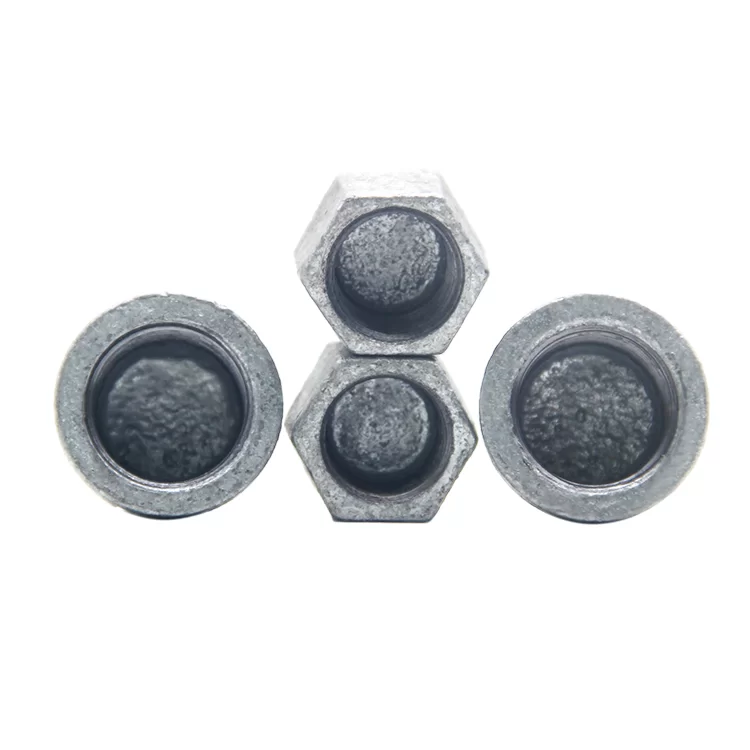
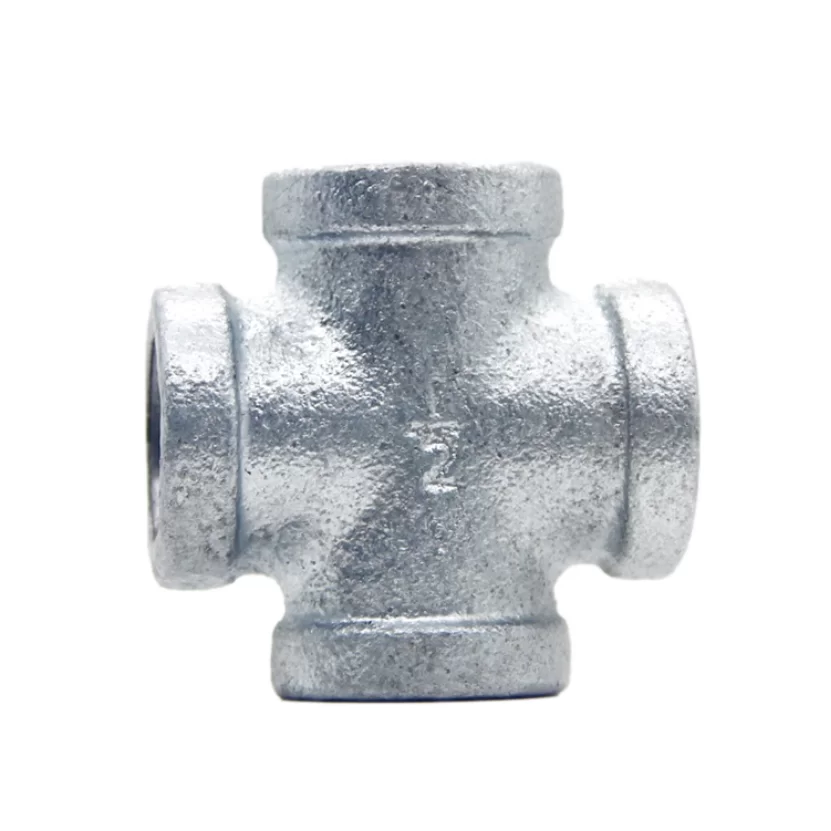
1 in galvanized pipe fittings refer to pipe connectors and components with a nominal pipe size of one inch, coated with a layer of zinc through a galvanization process. This protective coating shields the underlying metal (typically steel or iron) from corrosion, making the fittings suitable for both indoor and outdoor applications. Common types include elbows, tees, couplings, nipples, and reducers. The ‘1 in’ designation refers to the internal diameter of the pipe the fitting is designed to connect to, although slight variations can occur depending on the manufacturing standard. These fittings are integral for creating safe, efficient, and long-lasting fluid and gas transport systems. Jinmai Casting provides high-quality galvanized fittings to meet international demands.
Key Benefit: Galvanization significantly enhances the durability and lifespan of steel pipe fittings by protecting against rust and corrosion, reducing maintenance costs and ensuring system reliability.
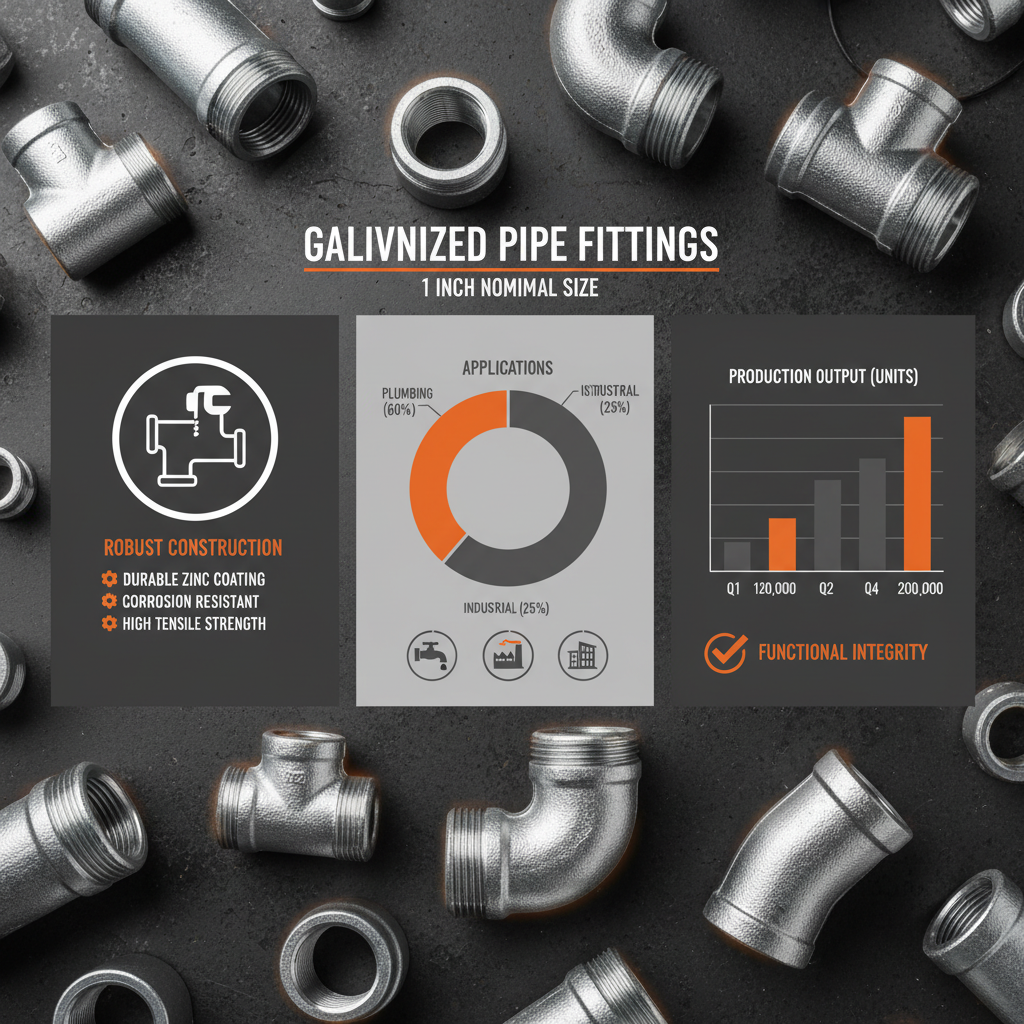
The versatility of 1 in galvanized pipe fittings allows for widespread use across numerous industries. They are particularly prevalent in residential and commercial plumbing systems for water distribution. Agricultural applications utilize them for irrigation systems and livestock watering. The construction industry employs them in fire protection systems and structural supports. Industrial facilities rely on them for compressed air lines, chemical processing, and various fluid transfer needs. Furthermore, their durability makes them ideal for outdoor applications like fencing and guardrails. The ability to withstand harsh environments makes them a preferred choice for these demanding scenarios.
Application Areas:
• Plumbing systems (residential & commercial)
• Agricultural irrigation
• Fire protection
• Industrial fluid transfer
Several galvanization methods are employed to coat 1 in pipe fittings, each offering different levels of protection and cost-effectiveness. Hot-dip galvanization, the most common method, involves immersing the steel fitting in molten zinc, resulting in a thick, durable coating. Electrogalvanization uses an electric current to deposit zinc onto the steel, offering a smoother finish but typically a thinner coating. Zinc-alloy galvanization utilizes alloys with aluminum and other metals to improve corrosion resistance and coating adhesion. The choice of method depends on the intended application and desired level of protection. Below is a comparison table:
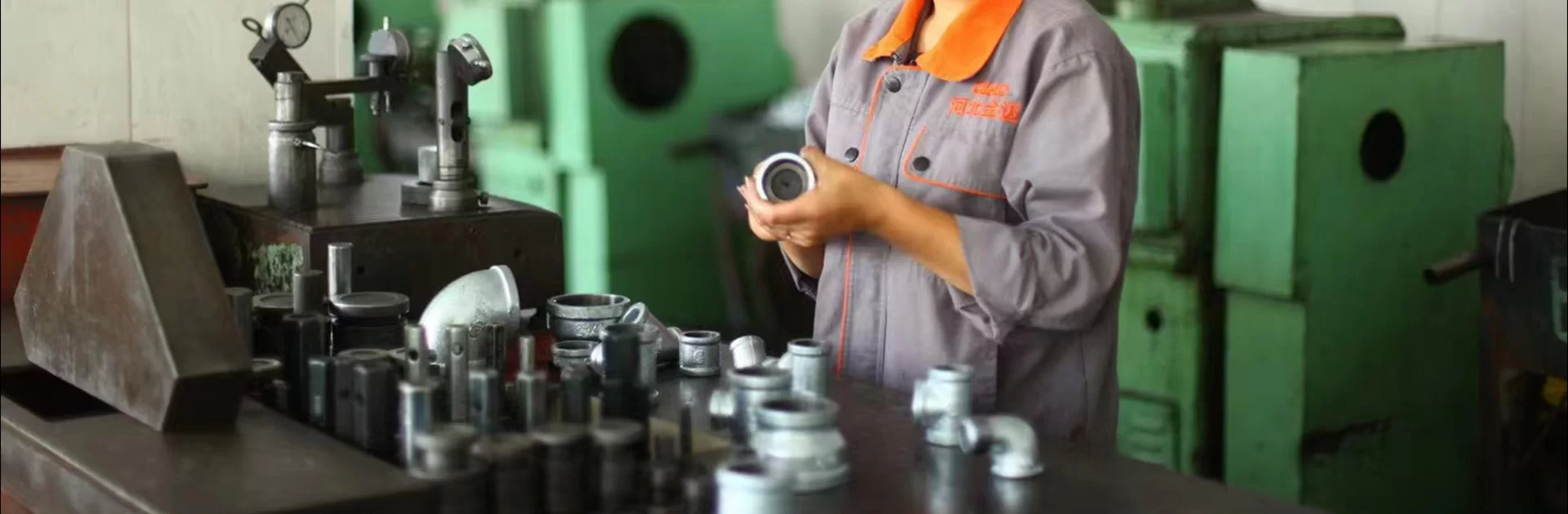
When engaging in cross-border trade of 1 in galvanized pipe fittings, adhering to international standards is critical. ASTM standards (American Society for Testing and Materials), such as ASTM A53 for steel pipe and ASTM A778 for galvanized fittings, are widely recognized. EN standards (European Norms), like EN 10255 for galvanized steel tubes and fittings, are prevalent in Europe. ISO standards (International Organization for Standardization) provide globally harmonized specifications. Quality control measures, including dimensional checks, coating thickness verification, and corrosion resistance testing, are essential to ensure products meet required specifications. Jinmai Casting maintains stringent quality control procedures and certifications to guarantee product compliance.
Importing and exporting 1 in galvanized pipe fittings involves navigating complex regulations. Tariff classifications, determined by the Harmonized System (HS) code, impact duties and taxes. Country-specific import requirements, including labeling, certification, and inspection protocols, must be met. Documentation, such as commercial invoices, packing lists, and bills of lading, must be accurate and complete. Furthermore, understanding trade agreements and potential trade barriers (e.g., quotas, anti-dumping duties) is crucial for smooth transactions. Working with experienced freight forwarders and customs brokers can streamline the process and ensure compliance.
Choosing the right supplier for 1 in galvanized pipe fittings is vital for project success. Factors to consider include product quality, adherence to standards, competitive pricing, and reliable delivery. Jinmai Casting offers a comprehensive range of high-quality galvanized fittings and provides expert support for international trade. Partnering with a trusted supplier ensures you receive the materials needed to build durable and safe piping systems for your global projects.
The lifespan of galvanized pipe fittings depends on the environment they are exposed to. In relatively clean, indoor environments, they can last for 40-50 years or more. However, in harsh outdoor conditions with exposure to saltwater, acid rain, or industrial pollutants, the lifespan may be significantly reduced, potentially to 20-30 years. Regular inspections and maintenance can help extend the lifespan by identifying and addressing corrosion early on. Proper coating thickness and the quality of the galvanization process are also key factors.
Galvanized steel fittings offer several advantages over plastic alternatives. Primarily, they are significantly stronger and more durable, able to withstand higher pressures and temperatures. They are also less susceptible to deformation or damage from physical impact. Furthermore, galvanized steel is fire-resistant, while many plastics are flammable. While plastic fittings are often lighter and less expensive upfront, galvanized steel provides a longer lifespan and greater reliability, particularly in demanding applications.
When sourcing internationally, prioritize suppliers with established quality control systems and relevant certifications (e.g., ISO 9001). Verify compliance with applicable international standards like ASTM or EN. Request samples for testing to confirm material properties and coating thickness. Carefully review the supplier's export documentation capabilities and ensure they can meet your shipping requirements. Consider obtaining independent inspection services to verify quality before shipment, and factor in potential lead times and shipping costs.
Yes, labeling requirements vary depending on the destination country. Generally, labels must clearly indicate the manufacturer's name, product specifications (size, material, standard compliance), and country of origin. Some countries may require specific warnings or markings related to hazardous materials or safety precautions. It's crucial to consult the import regulations of the specific country to ensure compliance. Accurate and compliant labeling is essential for clearing customs and avoiding delays or penalties.