
When undertaking plumbing, irrigation, or industrial projects, selecting the correct pipe fittings is crucial for ensuring a reliable and long-lasting system. 2 1/2 galvanized pipe fittings are a popular choice due to their durability, corrosion resistance, and cost-effectiveness. This article will provide a comprehensive overview of these fittings, covering their applications, materials, types, installation considerations, and benefits, with a focus on guiding your purchasing decisions. Choosing the right fitting can save you time, money, and potential headaches down the road.
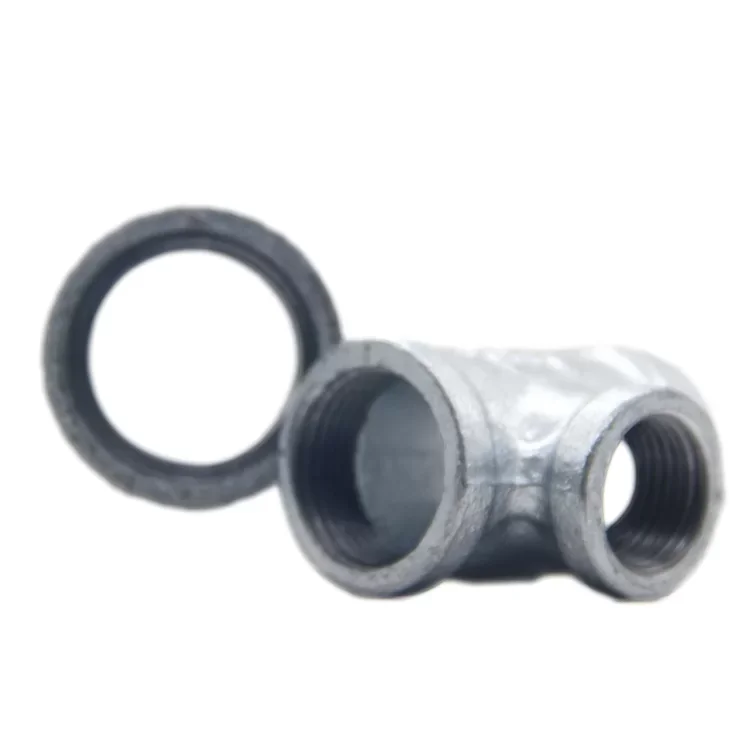
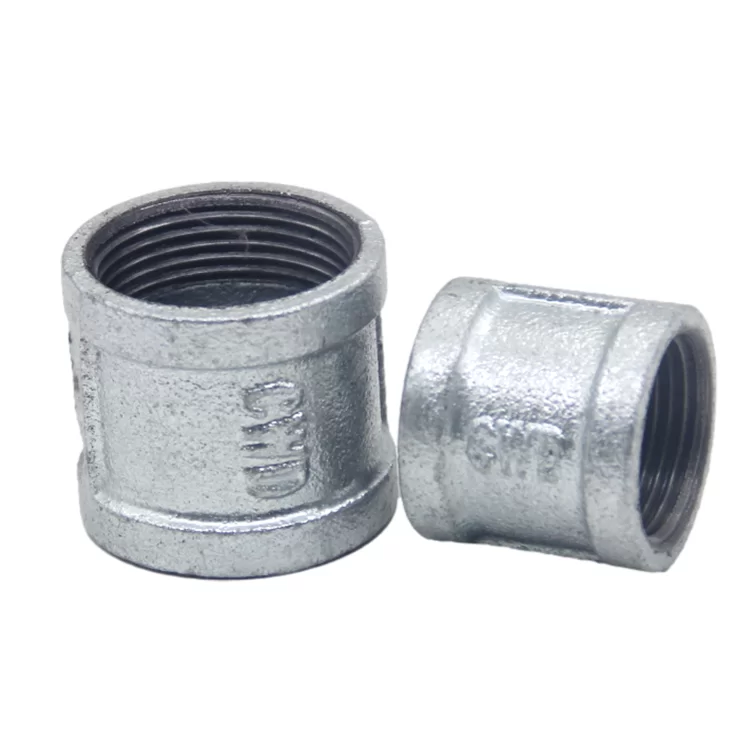
2 1/2 galvanized pipe fittings refer to connectors used with 2.5-inch diameter pipes that have been coated with a layer of zinc through a process called galvanization. This zinc coating provides a protective barrier against corrosion, making these fittings ideal for both indoor and outdoor applications where exposure to moisture and harsh elements is a concern. They are commonly used in water supply lines, fire sprinkler systems, and various industrial applications. The "2 1/2" designation refers to the nominal pipe size, which isn’t the precise internal diameter, but a standardized measurement for sizing purposes. The galvanization process extends the lifespan of the pipe and fittings, reducing the need for frequent replacements.
Key Highlights: Galvanization provides excellent corrosion resistance, making them suitable for a wide range of applications. These fittings are known for their strength and durability.
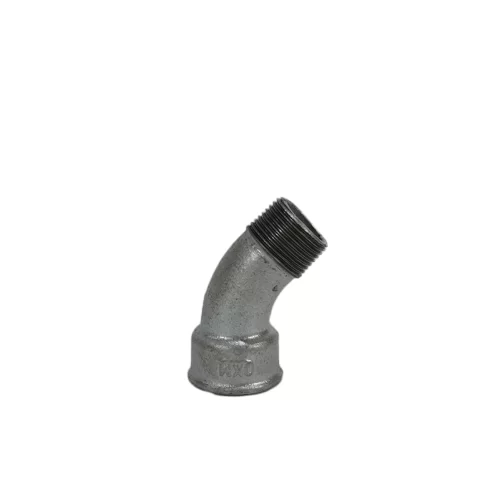
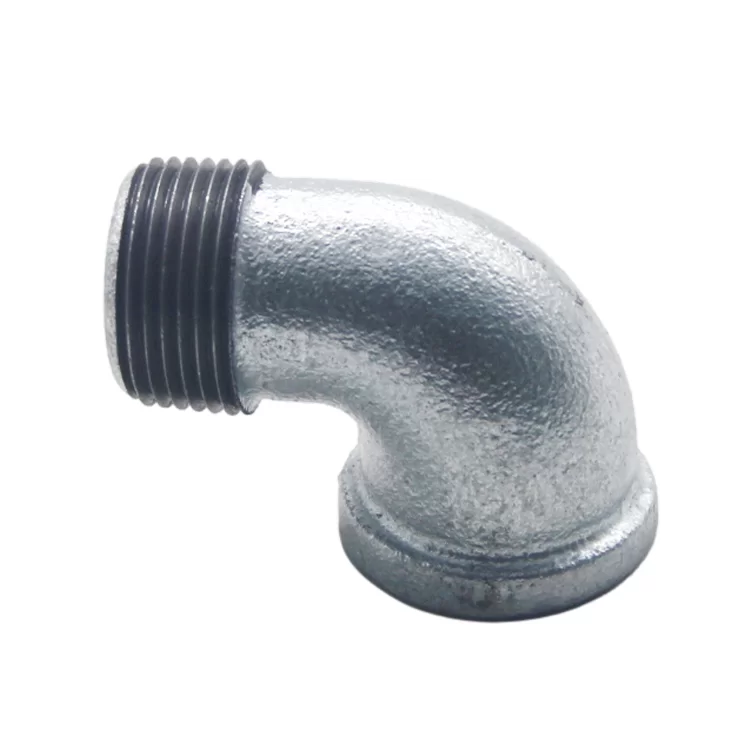
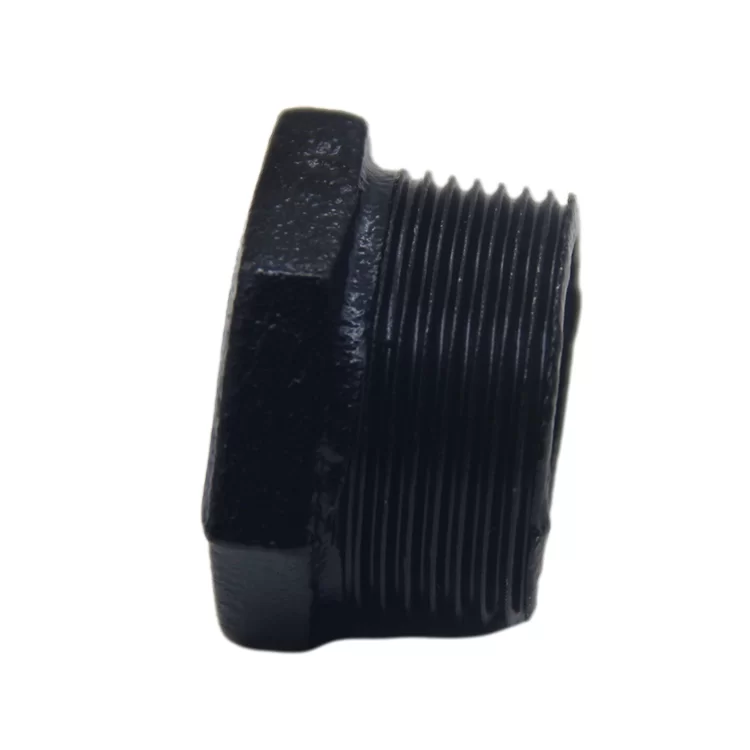
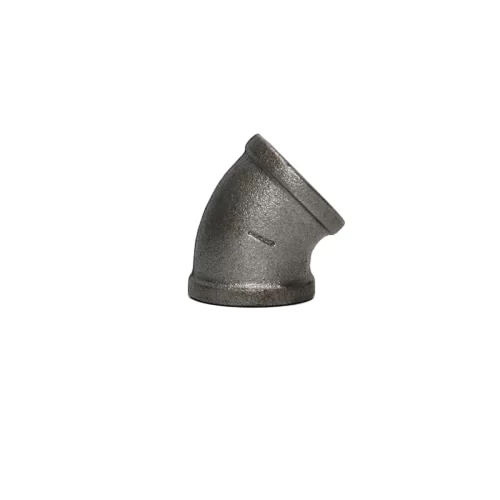
A variety of fittings are available in 2 1/2-inch size to accommodate different connection needs. Some of the most common include:
Understanding the purpose of each fitting is essential for proper system design and installation. At Jinmai Casting, we offer a comprehensive range of these fittings to meet your specific project requirements.
While "galvanized" refers to the zinc coating, the base material of these fittings is typically either malleable iron or steel. Malleable iron fittings are known for their ductility and ability to withstand pressure, making them suitable for water and gas lines. Steel fittings offer greater strength and are often used in heavier-duty industrial applications. The galvanization process itself involves applying a layer of zinc to the base metal, either through hot-dip galvanization or electrogalvanization. Hot-dip galvanization typically provides a thicker, more durable coating, while electrogalvanization offers a smoother, more uniform finish. Choosing the right material depends on the specific application and pressure requirements.
Material Comparison:
• Malleable Iron: Ductile, good for pressure applications.
• Steel: Stronger, ideal for heavy-duty industrial use.
• Galvanization: Provides corrosion resistance to both materials.
While galvanized fittings are a common choice, they aren’t always the best option. Here’s a comparison with other popular materials:
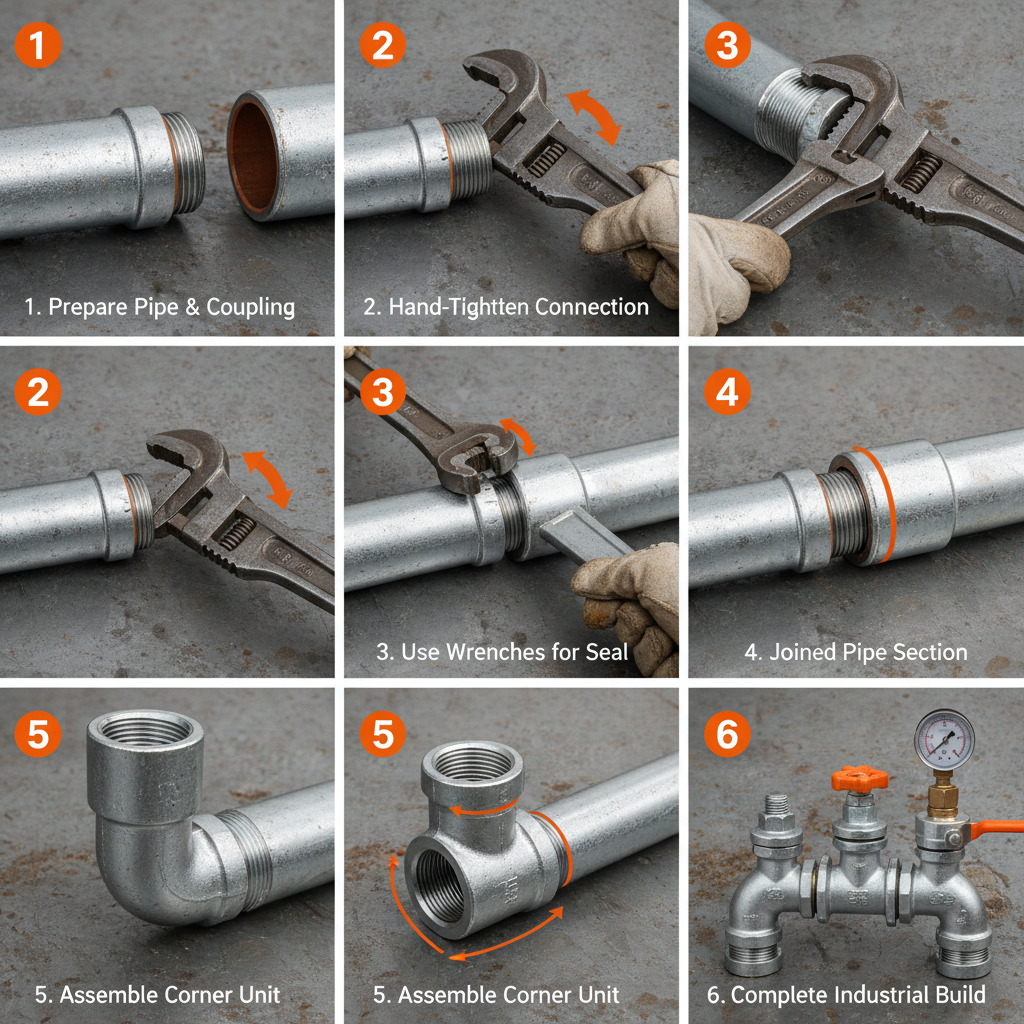
Proper installation is critical for ensuring the longevity and reliability of your plumbing system. Here are some key considerations:
If you’re unfamiliar with plumbing installation, it’s always best to consult a qualified professional. Our team at Jinmai Casting can provide guidance and support.
Investing in high-quality 2 1/2 galvanized pipe fittings is a smart decision for any plumbing or industrial project. Consider the application, material requirements, and installation best practices to ensure a durable and reliable system. At Jinmai Casting, we are committed to providing you with top-notch fittings and expert support.
These fittings are widely used in water supply lines, irrigation systems, fire sprinkler systems, and various industrial applications where corrosion resistance is crucial. They're also common in older plumbing systems due to their historical prevalence. Because of their robust nature they also see service in structural applications where pipe is used for support.
With proper installation and maintenance, galvanized pipe fittings can last for several decades. However, their lifespan can be affected by factors such as water quality, exposure to corrosive substances, and climate. Regular inspections and preventative maintenance can help extend their life. While resistant to corrosion, the zinc coating will eventually degrade over time.
Generally, yes, but there are considerations. While galvanized steel is widely used for potable water systems, some concerns exist about zinc leaching into the water, potentially affecting taste and clarity. Modern galvanized coatings are designed to minimize this, and the amount of zinc leached is often within acceptable limits. However, some regions have regulations restricting the use of galvanized steel for potable water. It is best to verify local regulations before using galvanized fittings for drinking water applications.