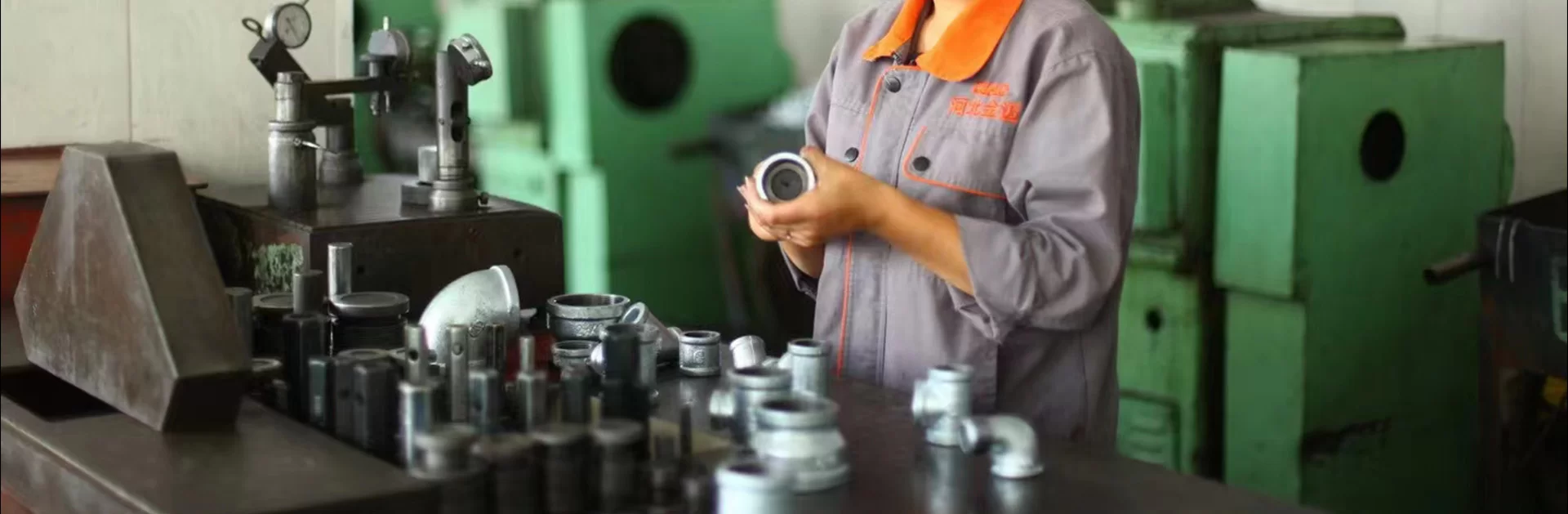
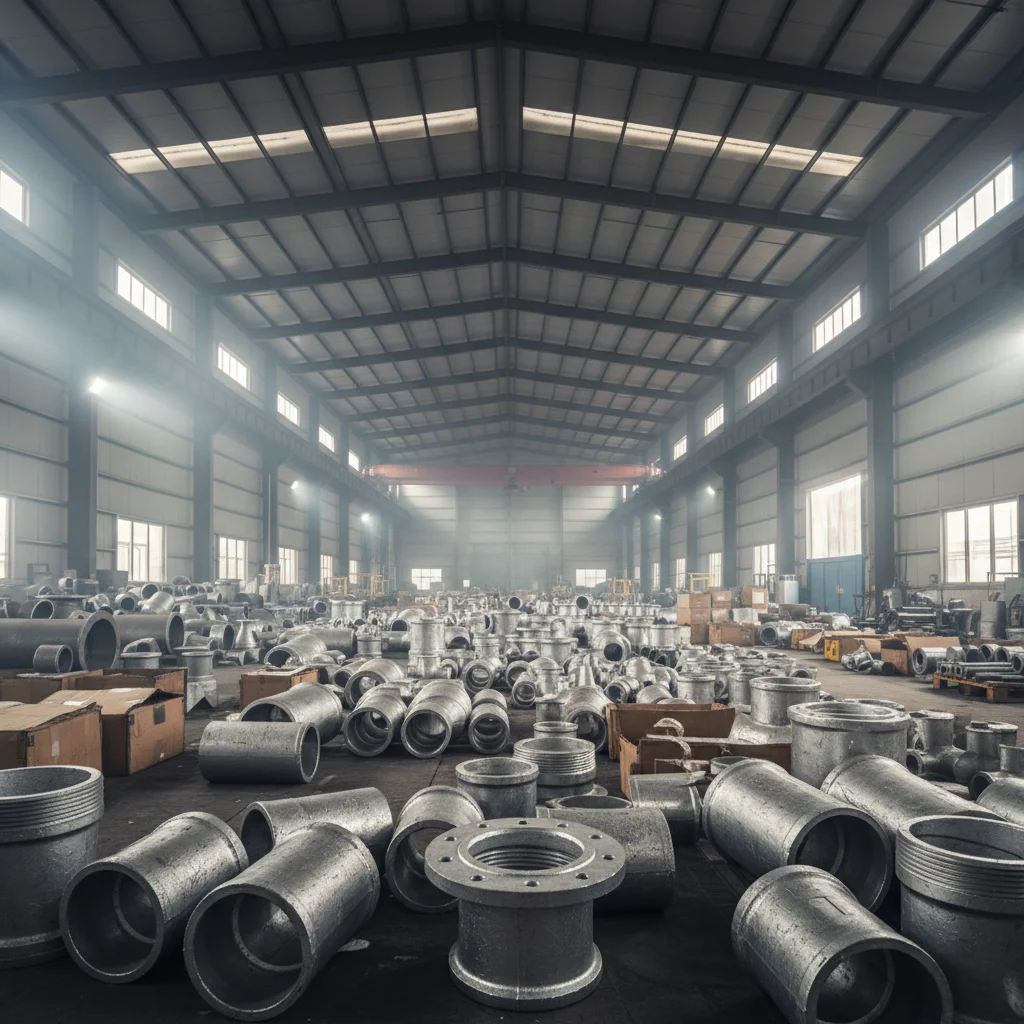
In the demanding world of industrial infrastructure, the integrity of piping systems relies heavily on the quality of their support mechanisms. galvanized pipe clamp fittings serve as the critical junction between structural stability and long-term durability, ensuring that fluid and gas transport lines remain secure under extreme pressure and environmental stress. By integrating advanced metallurgical coatings with precision engineering, these components prevent systemic failure and reduce maintenance overhead in heavy-duty environments.
Globally, the shift toward more sustainable and resilient urban planning has placed a premium on materials that can withstand corrosion without requiring frequent replacement. The adoption of high-grade galvanized pipe clamp fittings has become a standard across North American and European industrial zones, where ISO standards dictate the necessity of zinc-coated steel to combat oxidation. As industries scale their operations, the demand for fittings that combine mechanical strength with chemical resistance has surged, making them indispensable in the modern construction landscape.
Understanding the nuances of these components—from the hot-dip galvanizing process to the specific torque requirements for installation—allows engineers to optimize the lifecycle of their piping networks. Whether applied in high-rise HVAC systems or sprawling petrochemical plants, the right choice of galvanized pipe clamp fittings ensures operational safety and minimizes the risk of costly downtime. This guide explores the technical specifications, global applications, and future innovations driving the evolution of pipe securing technology.

Global Industrial Relevance of Galvanized Pipe Clamp Fittings
The global industrial landscape is currently facing a critical challenge: the acceleration of structural corrosion due to increasing atmospheric carbon levels and industrial pollutants. In this context, galvanized pipe clamp fittings have emerged as a primary defense mechanism. By applying a sacrificial layer of zinc, these fittings protect the underlying steel from the elements, which is vital for maintaining the structural integrity of essential utilities in coastal cities and humid industrial hubs.
Data from international engineering standards indicate that non-galvanized supports in high-humidity zones can fail up to 40% faster than their zinc-coated counterparts. This disparity highlights why the transition to specialized pipe clamps is not merely a preference but a safety requirement. The ability to secure heavy-gauge piping without fearing rapid oxidation ensures that critical infrastructure—from water treatment plants to energy grids—can operate reliably for decades.
Technical Definition and Material Composition
At its core, galvanized pipe clamp fittings are specialized mechanical fasteners designed to hold pipes firmly against walls, ceilings, or other supports while providing a high degree of corrosion resistance. The "galvanized" aspect refers to the process of coating the iron or steel with a layer of zinc. This is typically achieved through hot-dip galvanizing, where the fitting is submerged in molten zinc, creating a metallurgical bond that is far more durable than simple paint or powder coating.
From a metallurgical perspective, these fittings are often crafted from malleable iron or carbon steel to ensure they can withstand the immense weight of fluid-filled pipes. The zinc coating serves two purposes: it acts as a physical barrier against moisture and oxygen, and it provides cathodic protection. If the surface is scratched, the zinc will corrode preferentially to the steel, effectively "sacrificing" itself to preserve the structural core of the clamp.
In modern industry, these fittings are essential for bridging the gap between rigid structural elements and the dynamic movement of piping systems. They are engineered to accommodate thermal expansion and contraction, preventing the pipes from buckling or leaking at the joints. By providing a secure, non-slip grip, they ensure that the entire plumbing or industrial gas network remains aligned under varying operational loads.
Core Components and Engineering Factors
The efficiency of galvanized pipe clamp fittings is determined by several key engineering factors, foremost among them being tensile strength. The fittings must be capable of supporting the full dead load of the pipe plus the weight of the transported medium without deformation. This requires precise casting and heat treatment of the base metal to avoid brittleness while maintaining hardness.
Another critical factor is the uniformity of the zinc coating. Inconsistent galvanization can lead to "white rust" or localized pitting, which compromises the lifespan of the fitting. High-quality galvanized pipe clamp fittings undergo rigorous thickness testing to ensure that the zinc layer meets ASTM or ISO standards, providing a consistent shield across all surfaces, including the interior threads.
Finally, the scalability and versatility of the design are paramount. Modern fittings are designed to be compatible with a wide range of pipe diameters and wall thicknesses. The integration of rubber gaskets or vibration-dampening liners within the clamp further enhances the system by reducing acoustic noise and preventing galvanic corrosion between the clamp and the pipe itself.
Performance Metrics and Comparative Efficiency
When comparing different fastening solutions, the performance of galvanized pipe clamp fittings stands out in terms of the cost-to-lifespan ratio. While stainless steel options may offer superior corrosion resistance in extreme saline environments, the galvanized route provides a more economically viable solution for the vast majority of industrial and commercial applications without sacrificing necessary strength.
The primary metric for success is the "Time to First Maintenance" (TFM). Galvanized fittings significantly extend TFM compared to black iron or painted fittings. This reduction in maintenance frequency translates directly into lower operational expenditure (OPEX) for facility managers, as it eliminates the need for frequent inspections and the labor-intensive process of replacing rusted supports in hard-to-reach ceiling voids.
Comparative Durability of Pipe Securing Methods
Global Applications and Real-World Use Cases
The versatility of galvanized pipe clamp fittings makes them a staple in diverse geographic and industrial settings. In the heavy industrial zones of Southeast Asia and India, where high humidity and salty air are prevalent, these fittings are used to secure massive steam lines and water conduits in textile and chemical plants. Their ability to resist atmospheric oxidation prevents the catastrophic collapse of overhead piping, which could otherwise lead to severe industrial accidents.
Beyond heavy industry, these components are vital in urban infrastructure projects. In the construction of modern skyscrapers and underground transit systems in cities like New York or London, galvanized clamps are used to stabilize fire sprinkler systems and HVAC ducting. Because these systems are often hidden behind walls or under floors, the long-term reliability of the galvanized pipe clamp fittings is paramount, as replacing a failed clamp in a completed building is exponentially more expensive than the initial installation.
Long-Term Economic and Safety Advantages
Investing in high-quality galvanized pipe clamp fittings is a strategic decision that balances upfront cost with lifetime value. From a financial perspective, the reduction in replacement frequency leads to a lower Total Cost of Ownership (TCO). When a facility uses inferior supports, the hidden costs—such as production shutdowns for emergency repairs and the labor cost of removing rusted hardware—far outweigh the small premium paid for galvanized components.
From a safety and psychological standpoint, the reliability of these fittings fosters a culture of trust and stability. Engineers and site managers can operate with the confidence that the overhead networks are secure. This "peace of mind" is critical in high-risk environments like refineries or power plants, where a single loose pipe could lead to a leak of hazardous materials, potentially endangering lives and the environment.
Furthermore, the use of galvanized steel contributes to sustainability. Because these fittings last significantly longer than non-coated alternatives, the amount of raw material required for maintenance over a 50-year building lifecycle is drastically reduced. This aligns with global "green building" initiatives and LEED certifications, which reward the use of durable, long-lasting materials that minimize waste.
Future Trends in Pipe Securing Technology
The future of galvanized pipe clamp fittings is being shaped by the intersection of materials science and digital monitoring. We are seeing the emergence of "Smart Clamps" that integrate small IoT sensors to monitor vibration and tension. These sensors can alert facility managers to a loosening clamp or an abnormal pipe vibration long before a failure occurs, transforming maintenance from a reactive to a predictive model.
On the material front, there is a move toward hybrid coatings. While traditional hot-dip galvanizing remains the gold standard, new zinc-aluminum-magnesium (ZAM) coatings are being tested to provide even greater protection in hyper-corrosive environments. These next-generation galvanized pipe clamp fittings are designed to offer the strength of steel with the corrosion resistance approaching that of high-end polymers, without the loss of structural rigidity.
Additionally, automation in the casting and coating process is reducing human error and ensuring perfectly uniform zinc layers. As 3D printing of metal components becomes more viable, we may soon see custom-engineered clamp geometries that optimize weight and strength for specific, complex piping configurations, further increasing the efficiency of industrial installations.
Technical Comparison of Galvanized Pipe Clamp Fitting Specifications
| Fitting Grade |
Coating Thickness (μm) |
Expected Life (Years) |
Application Environment |
| Standard Commercial |
45-65 |
15-20 |
Indoor HVAC/Plumbing |
| Industrial Heavy-Duty |
80-110 |
30-40 |
Factory Floor/Warehouses |
| Marine Grade |
120+ |
50+ |
Offshore/Coastal Plants |
| Electro-Galvanized |
10-25 |
5-10 |
Low-moisture Interiors |
| Custom Reinforced |
90-120 |
40-50 |
Chemical Processing |
| High-Temp Galvanized |
70-100 |
25-35 |
Boiler Rooms/Steam Lines |
FAQS
Hot-dip galvanizing involves submerging the fitting in molten zinc, resulting in a thick, durable layer that provides superior corrosion resistance and a longer lifespan, ideal for outdoor or industrial use. Electro-galvanizing uses an electrical current to apply a thinner zinc layer, which offers a smoother aesthetic finish but is significantly less resistant to harsh environments, making it suitable only for dry, indoor applications.
Galvanic corrosion occurs when two dissimilar metals touch in the presence of an electrolyte. To prevent this, we recommend using galvanized pipe clamp fittings that include rubber, neoprene, or plastic liners. These insulators break the electrical circuit between the clamp and the pipe, ensuring that neither component degrades prematurely, especially in moist or salty conditions.
Yes, provided that the base material is high-grade malleable iron or carbon steel. Galvanized pipe clamp fittings are specifically engineered to handle the weight and thermal expansion associated with steam lines. However, it is crucial to ensure the clamp size is precisely matched to the pipe's outer diameter to avoid slippage during thermal cycles.
In coastal areas, salt spray accelerates oxidation. High-quality hot-dip galvanized pipe clamp fittings with a thickness of 80-120μm typically last 30 to 50 years. For extreme saline environments, we recommend applying an additional cold-galvanizing spray or using marine-grade fittings to extend the service life further.
While they can be used, caution is required. Since PVC and PEX are flexible and expand differently than metal, over-tightening a galvanized clamp can crush or deform the plastic pipe. We recommend using clamps with wide surface areas and rubber cushions to distribute the pressure evenly and avoid compromising the pipe's wall integrity.
Ensure your supplier adheres to international standards such as ASTM A153 (for hot-dip galvanizing) or ISO 1461. These certifications guarantee that the zinc coating thickness and adhesion meet rigorous quality controls, ensuring that the fittings provide the promised corrosion resistance and mechanical strength.
Conclusion
In summary, galvanized pipe clamp fittings are much more than simple hardware; they are fundamental components of industrial safety and efficiency. By combining the mechanical robustness of cast steel with the protective power of zinc galvanization, these fittings solve the age-old problem of corrosion while providing the necessary stability for complex piping networks. From reducing operational costs via extended maintenance cycles to ensuring the safety of workers in high-risk environments, the value proposition of high-quality galvanized supports is undeniable.
As we look toward the future, the integration of smart monitoring and advanced hybrid coatings will only enhance the reliability of these systems. For engineers and procurement managers, the priority should remain on sourcing fittings that meet strict international standards to ensure long-term structural integrity. To secure your infrastructure with the highest quality industrial solutions, visit our website: www.jinmaicasting.com.