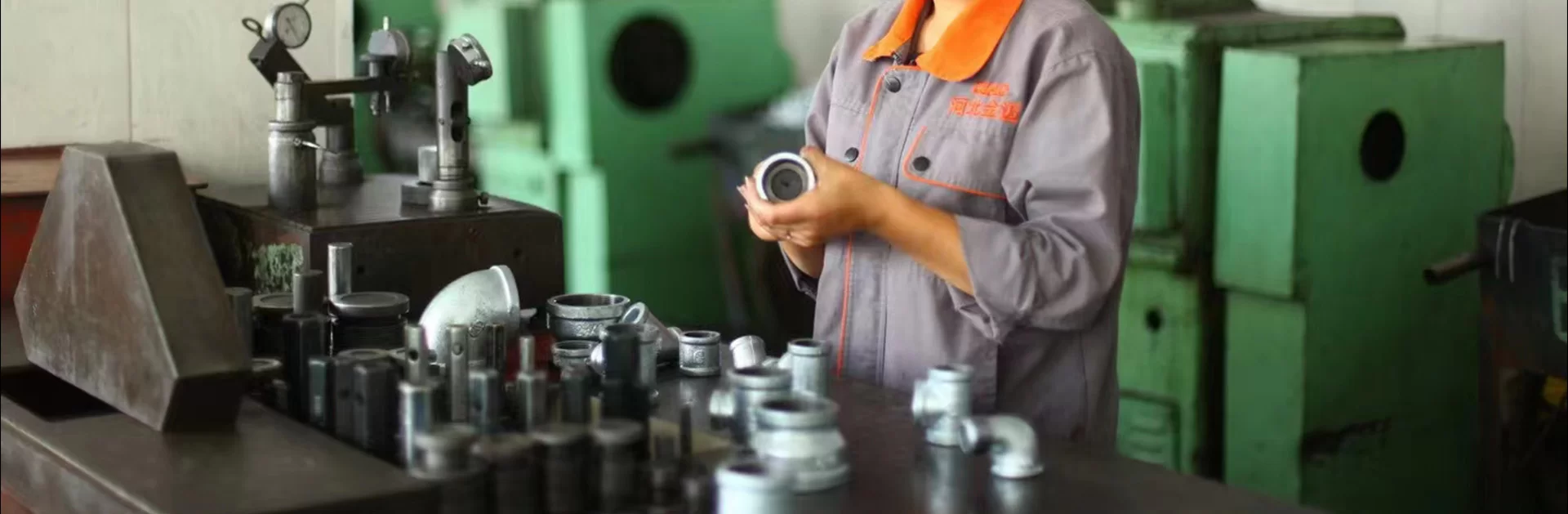
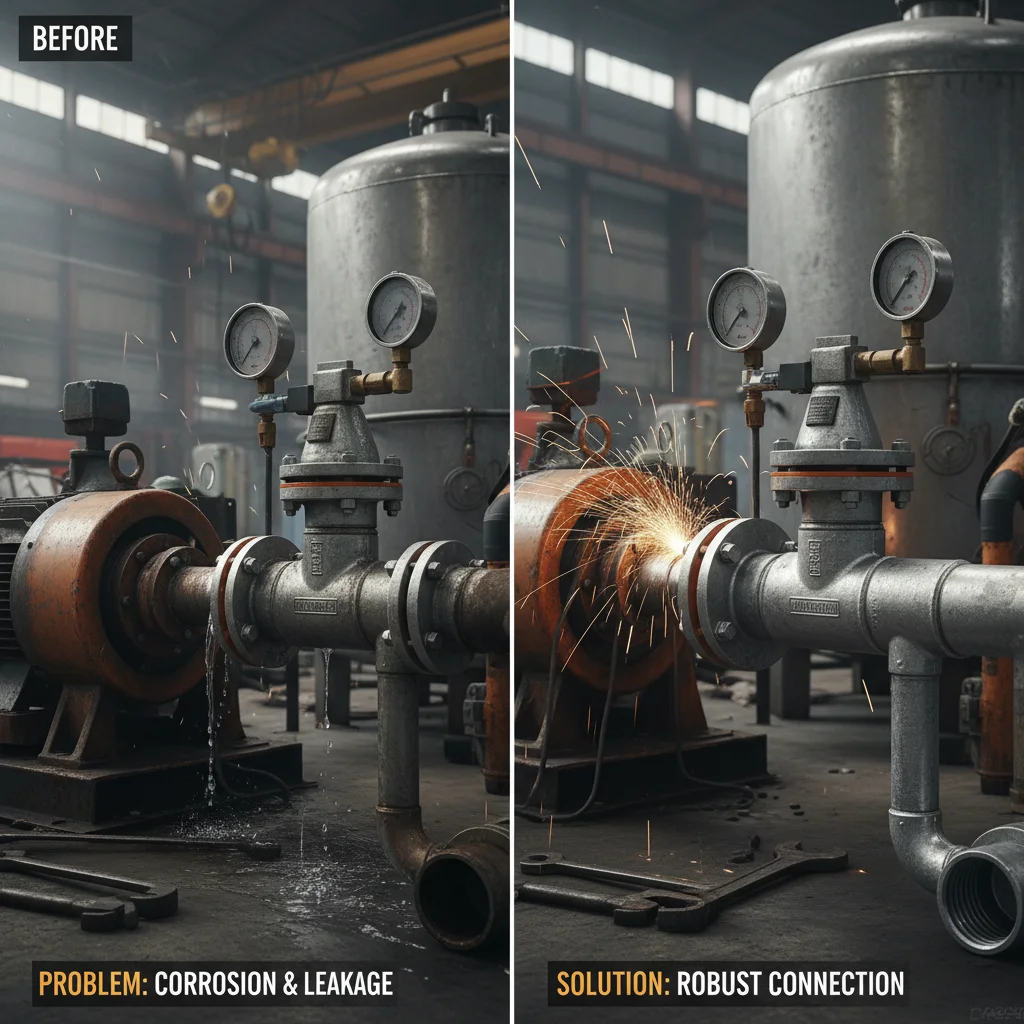
The global infrastructure landscape relies heavily on the integrity of piping systems, where the selection of precise components can determine the longevity of an entire project. Among these, the use of 1 in galvanized pipe fittings stands as a critical standard for ensuring leak-proof connections and structural durability in demanding environments. By combining the strength of malleable iron with a protective zinc coating, these fittings address the universal challenge of oxidation and systemic failure in fluid transport.
From industrial processing plants to residential plumbing, the demand for high-pressure resistant connectors is ever-increasing. The integration of 1 in galvanized pipe fittings provides a balanced solution that merges ease of installation with long-term reliability, reducing the frequency of costly maintenance cycles. As global building codes evolve toward stricter safety and sustainability standards, the role of high-quality galvanized components becomes even more pivotal.
Whether you are managing a large-scale municipal project or a specialized industrial assembly, choosing 1 in galvanized pipe fittings ensures that your system can withstand work pressures up to 1.6 Mpa while resisting the corrosive effects of moisture and chemicals. Understanding the technical nuances of these fittings is the first step toward optimizing your piping network's efficiency.

Technical Specifications of 1 in Galvanized Pipe Fittings
The technical foundation of 1 in galvanized pipe fittings is rooted in high-strength base materials that provide exceptional ductility and load-bearing capacity. These components are engineered to handle a work pressure of 1.6 Mpa and can withstand test pressures up to 2.4 Mpa, making them suitable for a wide array of hydraulic and pneumatic applications. With size ranges from 1/8" to 6" and compatibility with BS, NPT, and DIN thread standards, they offer universal adaptability across different regional engineering requirements.
Beyond mere dimensions, the versatility of these fittings is enhanced by various seating options, including Female Flat Seats, Female Conical Joints, and Brass to Iron Seats. This variety allows engineers to select the exact seal type required for their specific medium, whether it be water, gas, or oil. By leveraging the inherent strength of the steel bar base material, these fittings ensure that the structural integrity of the pipeline is never compromised, even under fluctuating pressure conditions.
The Role of Galvanization in Corrosion Resistance
Galvanization serves as the primary line of defense for 1 in galvanized pipe fittings against the relentless process of oxidation. By applying a protective zinc coating to the iron or steel substrate, the fitting gains a sacrificial layer that prevents rust from reaching the core metal. This is particularly critical in environments with high humidity or exposure to corrosive chemical vapors, where uncoated black pipe fittings would fail rapidly.
The chemical bond created during the galvanization process ensures that the coating is not merely a surface layer but an integrated shield. This prevents the "pitting" effect commonly seen in industrial piping, which often leads to microscopic leaks that can escalate into catastrophic system failures. By maintaining a smooth, protected surface, these fittings ensure a consistent flow of fluids and gases without the interference of internal rust buildup.
Furthermore, the use of galvanized coatings significantly extends the lifecycle of the piping infrastructure. In sectors like agriculture or marine engineering, where salt and moisture are omnipresent, the reliance on 1 in galvanized pipe fittings reduces the need for frequent replacement. This transition from reactive maintenance to proactive durability is what makes galvanized options the industry standard for outdoor and underground installations.
Installation Efficiency and Operational Flexibility
One of the most significant advantages of using 1 in galvanized pipe fittings is the simplicity of the threaded connection. The threaded design allows for a secure, tight fit that minimizes the risk of leaks, eliminating the need for complex welding processes in many scenarios. This "screw-in" mechanism ensures that pipes can be joined quickly and efficiently, which is a vital factor in reducing labor costs during large-scale deployments.
Operational flexibility is further highlighted when working in narrow or densely packed sites. Because 1 in galvanized pipe fittings can be operated flexibly where steel bars are arranged densely, they allow technicians to make precise adjustments without requiring extensive clearance. This adaptability is essential in the retrofit of old industrial plants where space is at a premium and traditional joining methods are impractical.
Moreover, the ease of removal and replacement cannot be overstated. When maintenance or repairs are required, these threaded fittings can be unscrewed without the need for specialized heavy machinery or professional welding assistance. This capability ensures that downtime is kept to an absolute minimum, allowing for the rapid replacement of damaged sections and ensuring the continuous operation of the piping system.
Comparing Performance Metrics of Threaded Joints
When evaluating the effectiveness of 1 in galvanized pipe fittings, it is essential to look at the performance balance between strength, ease of assembly, and leak prevention. Threaded joints are prized for their ability to provide a mechanical lock that is resistant to vibration and thermal expansion, which are common causes of failure in adhesive or welded joints. The consistency of the thread pitch ensures that torque is distributed evenly across the connection.
The reliability of these fittings is not just about the material but the precision of the manufacturing process. By adhering to international standards like DIN and NPT, the fittings ensure a seamless interface between components from different manufacturers. This standardization allows for a scalable approach to piping, where components can be added or modified as the system grows without requiring a total redesign of the layout.
Comparative Performance Ratings of 1 in Galvanized Pipe Fittings
Global Industrial Applications and Use Cases
The application of 1 in galvanized pipe fittings extends across diverse global sectors, from the heavy industries of East Asia to the infrastructure projects of North America. In the mining and metallurgy sectors, these fittings are used to construct robust conduits for cooling water and air compressors, where they must withstand both external corrosive dust and internal high-pressure flow. Their ability to be installed quickly makes them ideal for the modular setups often found in temporary mining sites.
In the realm of urban development and HVAC systems, these fittings provide the necessary structural support for gas lines and fire suppression systems. Because they are resistant to temperature fluctuations and do not degrade under the pressure of high-rise building requirements, they offer a level of safety that is non-negotiable. In remote industrial zones, the availability of standardized threaded fittings means that local technicians can perform critical repairs without needing specialized welding certifications.
Long-Term Value and Sustainability Benefits
Investing in 1 in galvanized pipe fittings provides tangible long-term economic value by drastically reducing the "total cost of ownership." While the initial cost of galvanized materials may be slightly higher than basic black iron, the savings realized through the elimination of frequent anti-corrosion treatments and the reduction in replacement frequency are substantial. This makes them a logically superior choice for any project with a lifecycle exceeding five years.
From a sustainability perspective, the durability of these fittings contributes to a reduction in material waste. By extending the operational life of the piping system, fewer raw materials are consumed over time, and less industrial scrap is generated. Furthermore, the recyclable nature of the malleable iron and zinc ensures that at the end of the system's life, the components can be processed and reused in the circular economy of metal casting.
Beyond the financial and environmental metrics, there is the element of trust and safety. In critical infrastructure, the peace of mind knowing that a connection will not fail due to hidden corrosion is invaluable. The reliability of these fittings protects not only the assets of the company but also the safety of the workers and the surrounding community, reinforcing the dignity of high-quality engineering.
Future Trends in Metal Casting and Pipe Fittings
The future of 1 in galvanized pipe fittings is being shaped by advancements in metallurgy and automation. We are seeing a shift toward "smart coatings" that provide even higher levels of corrosion resistance while remaining environmentally friendly. The integration of robotic precision casting is also reducing the tolerance gaps in threading, which means that future fittings will offer even tighter seals and higher pressure ratings without increasing the wall thickness of the metal.
Digital transformation is also playing a role, with BIM (Building Information Modeling) allowing engineers to simulate the fluid dynamics and stress points of a network before a single 1 in galvanized pipe fitting is installed. This precision prevents over-engineering and ensures that the right fitting is used for the right application, optimizing the efficiency of the entire installation process.
As the world moves toward green energy, these fittings are finding new roles in geothermal heating and hydrogen transport pilot projects. The ability to withstand high pressures and resist corrosion makes them an ideal candidate for the evolving needs of sustainable energy infrastructure. The marriage of traditional casting strength with modern material science ensures that these components will remain relevant for decades to come.
Analysis of 1 in Galvanized Pipe Fittings Across Different Environments
| Environment Type |
Corrosion Risk |
Installation Ease |
Recommended Lifecycle |
| Industrial Plant |
Medium-High |
High |
15-20 Years |
| Coastal Area |
Very High |
High |
10-15 Years |
| Residential Plumbing |
Low-Medium |
Very High |
25+ Years |
| Mining Site |
High |
Medium |
10-12 Years |
| Agricultural Use |
Medium |
High |
15-20 Years |
| Underground Conduit |
High |
Medium |
20-25 Years |
FAQS
Our 1 in galvanized pipe fittings are designed with a standard work pressure of 1.6 Mpa. To ensure maximum safety and integrity during the manufacturing process, they are subjected to a test pressure of 2.4 Mpa. This ensures that the fittings can handle significant surges in pressure without leaking or bursting, making them ideal for high-demand industrial applications.
Yes, we provide 1 in galvanized pipe fittings that are compatible with BS, NPT, and DIN thread standards. This versatility ensures that our products can be integrated into piping systems regardless of the regional standard used, allowing for seamless global deployment and easy sourcing of replacement parts for international projects.
Galvanization adds a protective zinc layer that acts as a sacrificial anode, preventing the underlying steel from rusting when exposed to moisture and oxygen. While black pipe fittings are prone to rapid oxidation and internal scaling, 1 in galvanized pipe fittings maintain their structural integrity for significantly longer, especially in damp or corrosive environments.
For maintenance, threaded 1 in galvanized pipe fittings are vastly superior. They allow for quick removal and replacement without the need for cutting or re-welding the pipe. This means repairs can be conducted with simple hand tools, significantly reducing system downtime and the cost associated with hiring specialized welding contractors.
For gas lines, we typically recommend the Female Conical Joint or the M&F Conical Joint available in our 1 in galvanized pipe fittings range. Conical joints provide a tighter, more secure seal that is essential for preventing the leakage of flammable gases, ensuring a higher level of safety for the entire facility.
Absolutely. One of the key strengths of our 1 in galvanized pipe fittings is their strong applicability. They are specifically designed to be operated flexibly in narrow sites where steel bars are arranged densely, allowing for efficient installation in cramped industrial environments where larger tools or welding equipment cannot fit.
Conclusion
In summary, 1 in galvanized pipe fittings represent the ideal intersection of strength, durability, and operational efficiency. By leveraging high-quality malleable iron and a robust zinc coating, these components solve the critical problem of corrosion while offering a versatile, threaded solution that simplifies installation and maintenance across various global industries. From their impressive pressure ratings to their adaptability in constrained spaces, they provide a reliable foundation for any fluid or gas transport system.
Looking ahead, as industrial requirements evolve toward greater sustainability and precision, the continued adoption of standardized, high-performance fittings will be essential. We recommend that project managers and engineers prioritize the long-term value of galvanized components to reduce life-cycle costs and enhance system safety. For more information on our full range of high-quality casting solutions, visit our website: www.jinmaicasting.com.