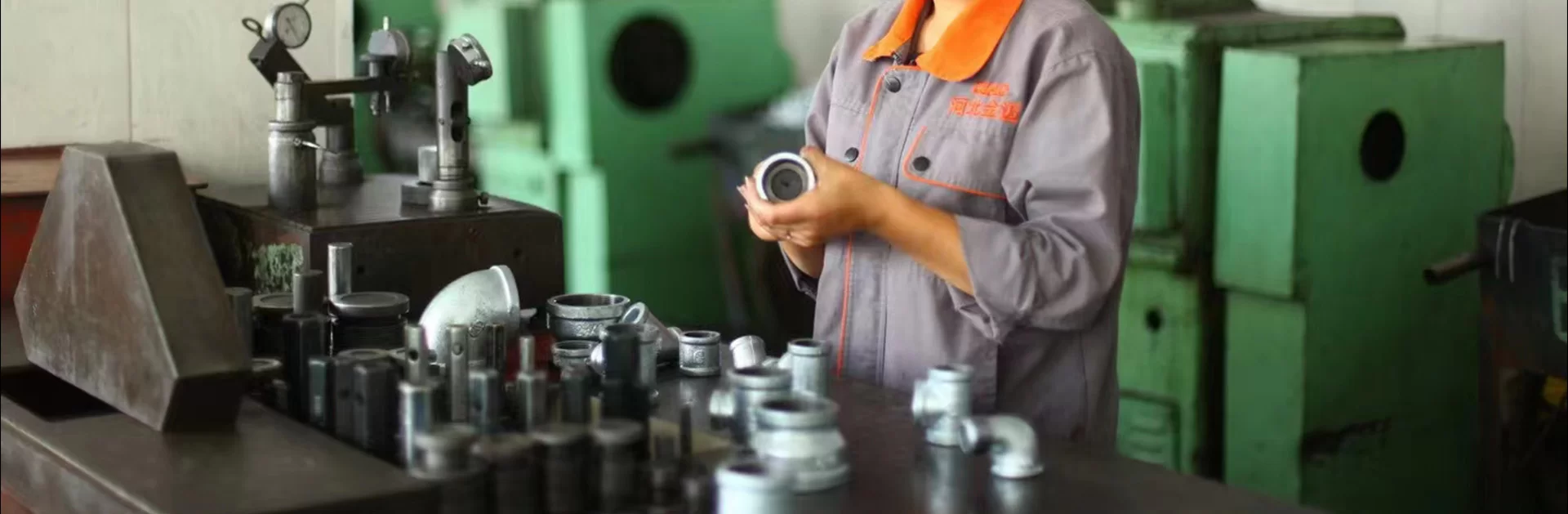
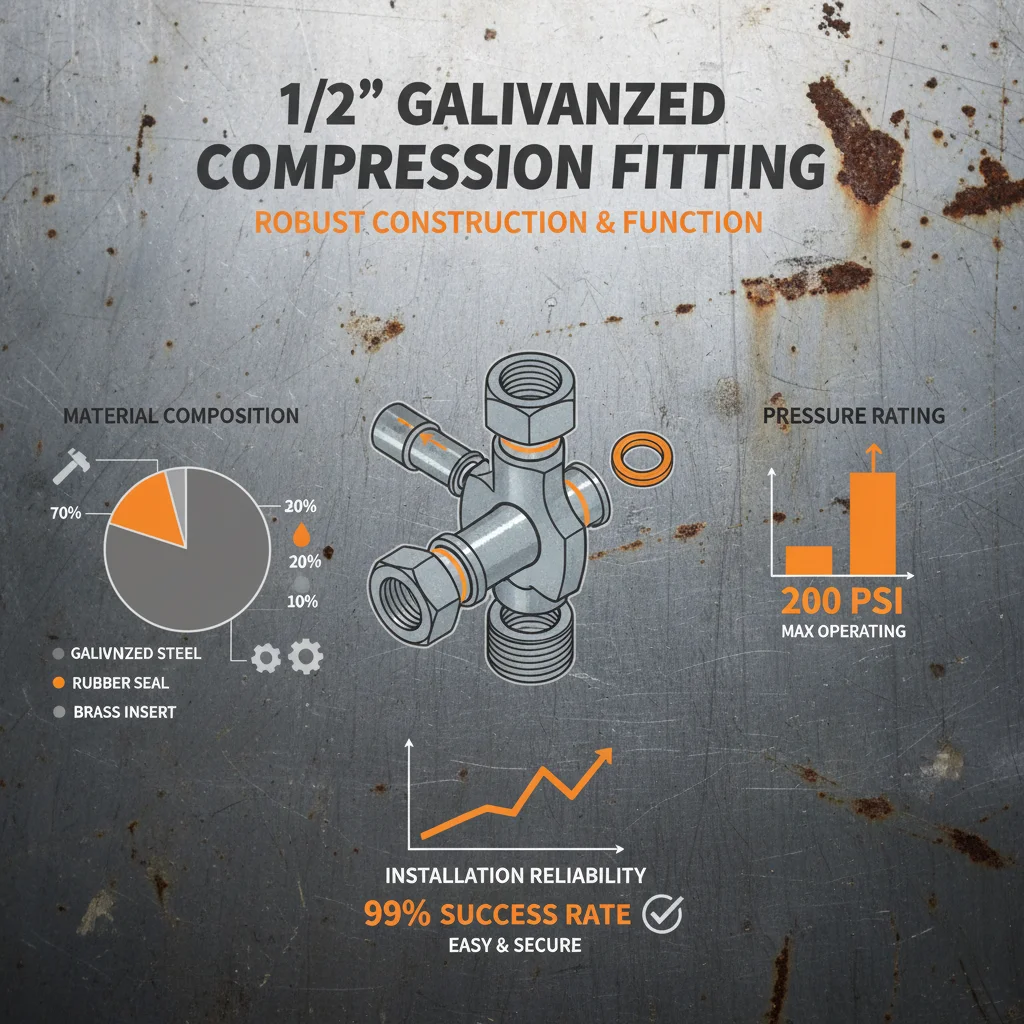
In the demanding landscape of industrial fluid transmission, the selection of high-performance components is critical for operational safety and system longevity. A high-quality galvanized pipe fitting serves as a cornerstone in piping architecture, providing the necessary structural integrity to handle high-pressure media while resisting the relentless effects of oxidation and chemical corrosion.
Globally, the shift toward advanced metallurgical coatings has redefined how industries approach piping infrastructure. While traditional methods provided basic protection, modern engineering now demands a synergy between precision casting and advanced surface treatments to eliminate turbulence and prevent premature failure in harsh environments, such as marine cabins or chemical processing plants.
Understanding the nuances of these components is essential for engineers aiming to reduce maintenance cycles and maximize energy efficiency. By utilizing a specialized galvanized pipe fitting—specifically those enhanced with electrophoretic coatings—operators can achieve a significant reduction in pressure loss and a drastic increase in the service life of their fluid systems.

Global Industry Context of Galvanized Pipe Fittings
The global industrial sector relies heavily on the stability of fluid transmission networks. According to international engineering standards, the failure of a single joint can lead to catastrophic pressure loss or hazardous leaks. In this context, the galvanized pipe fitting has evolved from a simple connector into a precision-engineered component designed to meet ISO and PN40 pressure ratings, ensuring safety in high-risk environments.
The challenge modern industries face is the aggressive nature of corrosive media. Standard iron fittings often succumb to oxidation within a few years, leading to frequent replacements and costly downtime. By integrating advanced materials and coatings, the industry is now moving toward solutions that offer C5-level corrosion resistance, which is essential for the longevity of infrastructure in coastal and chemical-heavy regions.
Defining High-Performance Malleable Iron Fittings
A high-performance galvanized pipe fitting is essentially a connector made from malleable cast iron that has undergone a specialized coating process to prevent rust and degradation. Unlike standard fittings, professional-grade versions utilize a combination of precise casting and surface treatment—such as epoxy electrophoresis—to create a seamless barrier between the metal substrate and the external environment.
In the modern industrial landscape, these fittings are not merely hardware but are critical assets for humanitarian and infrastructure projects. From providing clean water in remote regions to maintaining high-pressure steam in power plants, the ability of a fitting to maintain a leak-proof seal under temperature fluctuations from -30℃ to 130℃ is what defines its quality and reliability.
The integration of "Malleable Iron" ensures that the component possesses the toughness to resist impact and the ductility to avoid brittle fractures under stress. When paired with a high-grade protective layer, these fittings become the ideal solution for any system where precision and long-term stability are non-negotiable requirements.
Core Components of Advanced Corrosion Protection
The effectiveness of a galvanized pipe fitting depends heavily on its coating system. Traditional galvanization provides a zinc layer, but advanced solutions now employ a full-immersion epoxy electrophoretic primer combined with a PU topcoat. This dual-layer approach ensures 360° coverage, protecting even the interior threads and hidden crevices from moisture ingress.
Durability is measured by the Salt Spray Test. While standard fittings may fail early, a premium galvanized pipe fitting with a C5 rating can withstand over 1200 hours of salt spray exposure. This makes it indispensable for marine environments where salt-laden air would otherwise corrode untreated iron in a matter of months.
Beyond the coating, the structural integrity of the material plays a role. The use of Finite Element Analysis (FEA) during the design phase allows for variable wall thickness, reinforcing high-stress points. This ensures that the galvanized pipe fitting can handle a working pressure of 4.0MPa while maintaining a safety burst margin of up to 7.2MPa.
Fluid Dynamics and Pressure Optimization
Efficiency in fluid transmission is often lost at the bends of a system. A standard 90° elbow creates significant turbulence and pressure drops. To combat this, the engineering of a specialized galvanized pipe fitting now incorporates a 45° "golden corner" and a 1.5D curvature radius. This design optimizes the flow path, reducing pressure loss by up to 65% compared to traditional sharp bends.
Furthermore, the interior surface roughness is a key metric. By machining the inner walls to a Ra ≤ 6.3μm, the friction between the fluid and the pipe wall is minimized. This precision machining ensures a laminar flow, which not only increases the efficiency of the pumping system but also reduces the internal wear and tear caused by eddy currents.
Performance Metrics of Advanced Pipe Fittings
Global Applications and Industrial Use Cases
The versatility of the galvanized pipe fitting makes it essential across diverse sectors. In chemical piping, where corrosive media are the norm, the electrophoretic coating prevents the iron from reacting with acids and bases. Similarly, in HVAC engineering, these fittings are used to manage complex refrigerant and water lines, where the 45° elbow design reduces the energy required for circulation.
In more extreme contexts, such as marine cabins and wastewater treatment plants, the C5 corrosion rating is a critical safety requirement. These environments expose fittings to constant humidity and saline agents; using a reinforced galvanized pipe fitting ensures that the infrastructure does not fail unexpectedly, protecting both the environment and the personnel operating the equipment.
Long-Term Value and Sustainability Metrics
Investing in high-grade fittings is a decision based on Life Cycle Cost (LCC). While a premium galvanized pipe fitting may have a higher initial procurement cost, the reduction in maintenance frequency provides a massive return on investment. By extending the replacement cycle from 3 years to over 10 years, companies significantly reduce their operational expenditure (OPEX).
From a sustainability perspective, longer-lasting components mean less material waste. The use of malleable iron—which is highly recyclable—combined with a non-toxic electrophoretic coating, aligns with global green building standards. This reduces the carbon footprint associated with the continuous manufacturing and shipping of replacement parts.
Ultimately, the value lies in the "peace of mind." Knowing that a system is built with fittings that have undergone 100% magnetic particle inspection and 7.2MPa burst testing eliminates the emotional and financial stress of potential system failures. Trust in the material is the foundation of industrial innovation.
Future Innovations in Metallurgical Coatings
The future of the galvanized pipe fitting lies in the convergence of material science and digital monitoring. We are seeing the emergence of "smart coatings" that can signal the onset of corrosion before it reaches the substrate. This digital transformation will allow for predictive maintenance, where fittings are replaced based on actual wear data rather than arbitrary time intervals.
Additionally, the industry is exploring nano-ceramic additives within the electrophoretic process to further increase surface hardness and reduce the friction coefficient. These innovations aim to push the Ra roughness even lower, potentially bringing the efficiency of iron fittings closer to that of high-end stainless steel while maintaining the cost-effectiveness of malleable iron.
As automation in casting increases, the tolerance levels for angle accuracy (currently at ±0.5°) are expected to tighten even further. This will allow for "plug-and-play" modular piping systems that can be assembled with robotic precision, reducing installation errors and further enhancing the structural integrity of the overall network.
Comparison of Fitting Performance by Coating and Design
| Fitting Type |
Corrosion Rating |
Pressure Loss |
Expected Life |
| Standard Hot-Dip Galvanized |
C2 / C3 |
High (90° Bend) |
3-5 Years |
| Electrophoretic galvanized pipe fitting |
C5 (1200h+) |
Very Low (45° Bend) |
12-15 Years |
| Black Malleable Iron |
Low (No Coating) |
High |
1-2 Years |
| Epoxy Coated Fitting |
C4 |
Moderate |
7-10 Years |
| Stainless Steel (Ref) |
C5+ |
Low |
20+ Years |
| Reinforced FEA Fitting |
C5 |
Very Low |
15+ Years |
FAQS
A 45° elbow, specifically one designed as a galvanized pipe fitting with a 1.5D radius, provides a much smoother transition for the fluid. This reduces pressure loss by up to 65% and minimizes the turbulence (eddies) that typically occurs in tighter bends, thereby increasing the overall energy efficiency of the pumping system and reducing wear on the pipe walls.
Unlike standard dipping, electrophoresis involves 360° full immersion using an electric current to bond the coating. This ensures that every internal thread and hidden surface of the galvanized pipe fitting is protected. It achieves a C5 corrosion rating, which is essential for longevity in marine or chemical environments where standard zinc coatings would fail.
The standard working pressure for our malleable iron fittings is 4.0MPa (PN40). However, thanks to FEA-optimized wall thickness technology, we subject every batch to a water pressure burst test of 7.2MPa. This provides a substantial safety margin, ensuring the galvanized pipe fitting can handle unexpected pressure surges without failing.
Yes, these fittings are engineered to operate reliably in a wide temperature range, from -30℃ up to 130℃. The combination of malleable cast iron and a heat-stable PU topcoat ensures that the galvanized pipe fitting maintains its structural integrity and coating adhesion even under thermal stress.
To maintain the C5 corrosion protection, we recommend using nylon-coated wrenches during installation to prevent scratching the epoxy layer. Additionally, ensure the medium flow direction is consistent with the elbow direction to maximize the benefits of the 1.5D radius and avoid creating unnecessary turbulence within the galvanized pipe fitting.
Every galvanized pipe fitting undergoes a rigorous QC process: 100% magnetic particle inspection for internal flaws, CMM verification for angle tolerance (±0.5°), 12-point coating thickness measurement (40-50μm), and a batch-wide 7.2MPa burst test to guarantee zero-defect delivery.
Conclusion
In summary, the evolution of the galvanized pipe fitting from a basic iron component to an FEA-optimized, electrophoretically coated precision tool has fundamentally changed industrial piping. By focusing on C5 corrosion resistance, 1.5D fluid optimization, and rigorous burst testing, these fittings provide an unmatched balance of durability and efficiency. The integration of these high-performance components not only reduces immediate pressure loss but also ensures a sustainable, long-term reduction in maintenance costs and operational risks.
Looking forward, the industry will continue to embrace smarter materials and tighter machining tolerances to meet the demands of green energy and automated infrastructure. For engineers and procurement managers, transitioning to advanced electrophoretic solutions is no longer just an upgrade—it is a strategic necessity for ensuring system reliability in an increasingly corrosive world. To secure your infrastructure with the highest standard of components, visit our website: www.jinmaicasting.com.