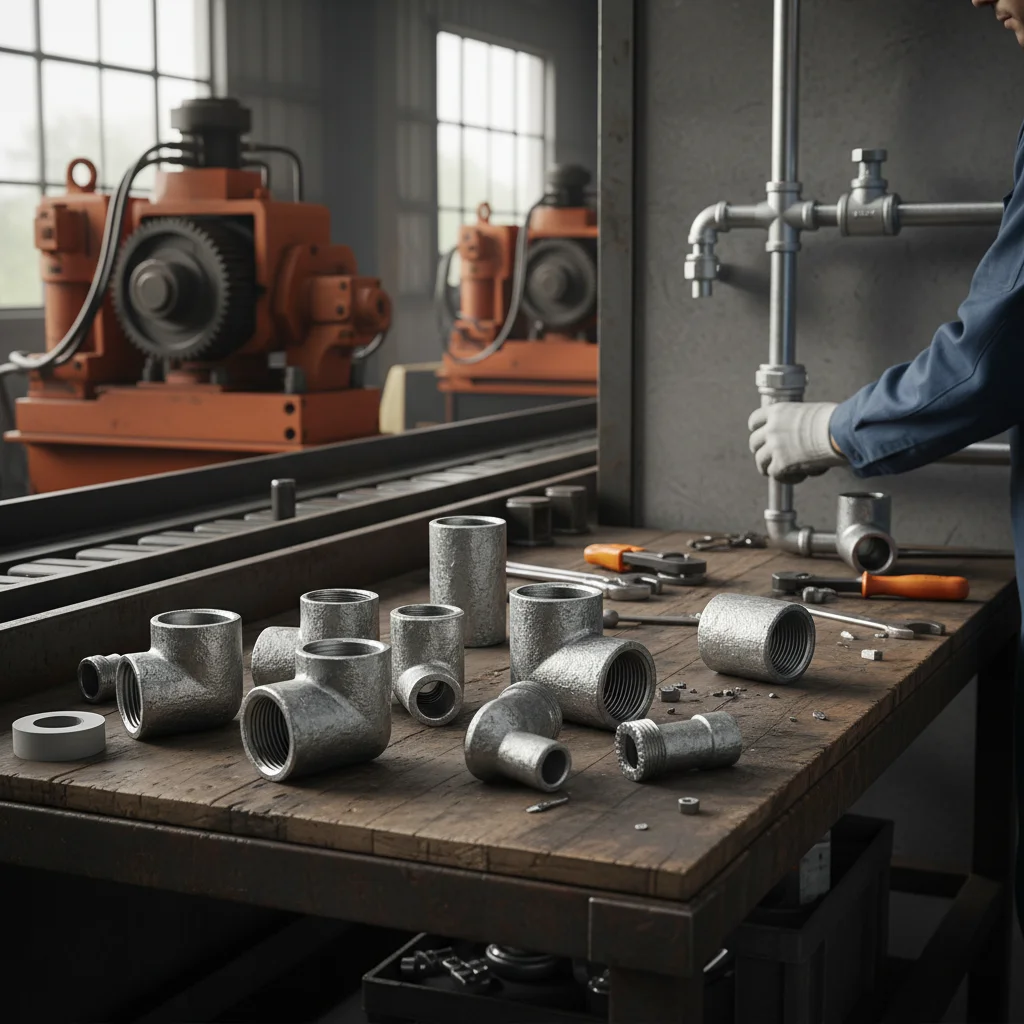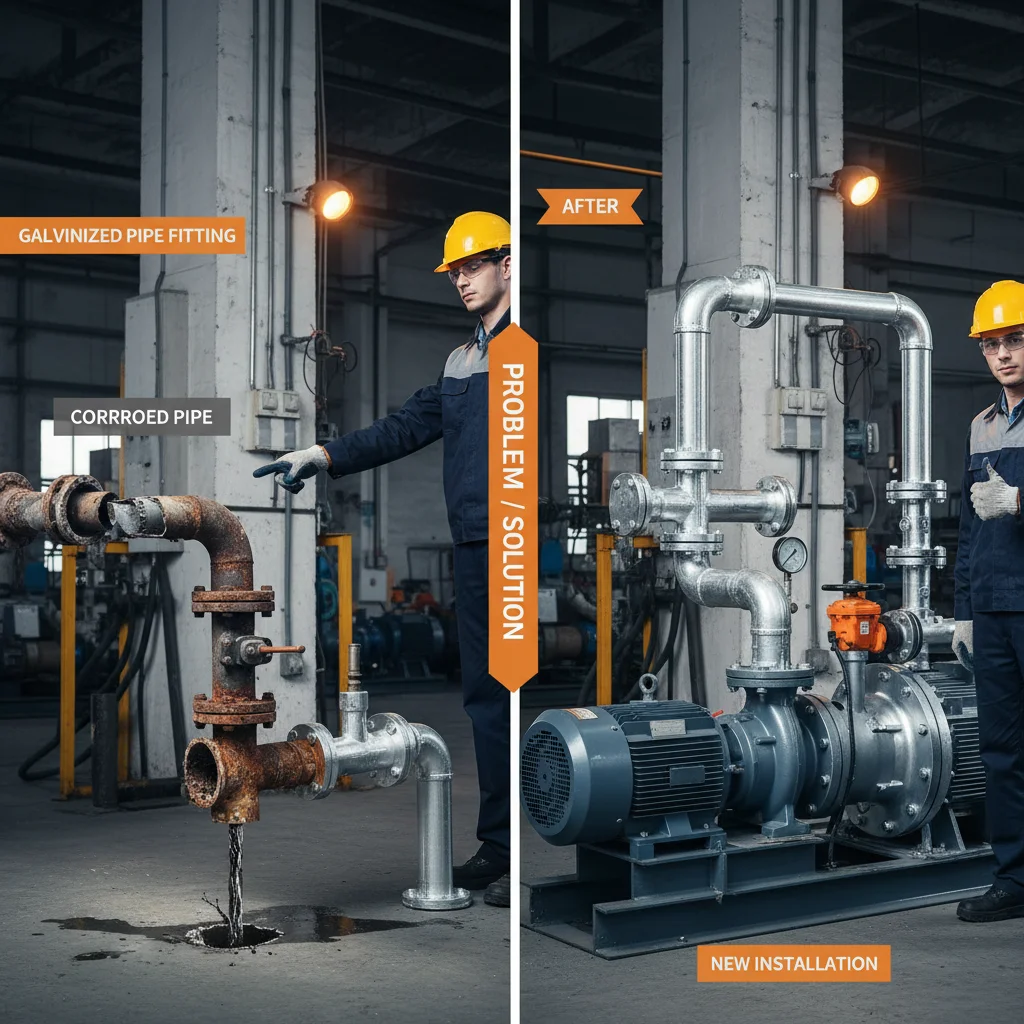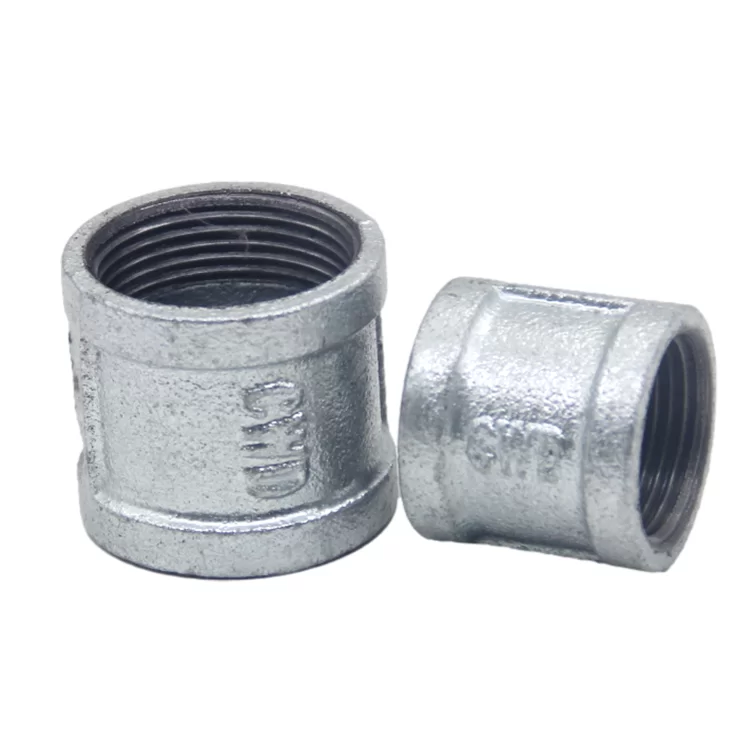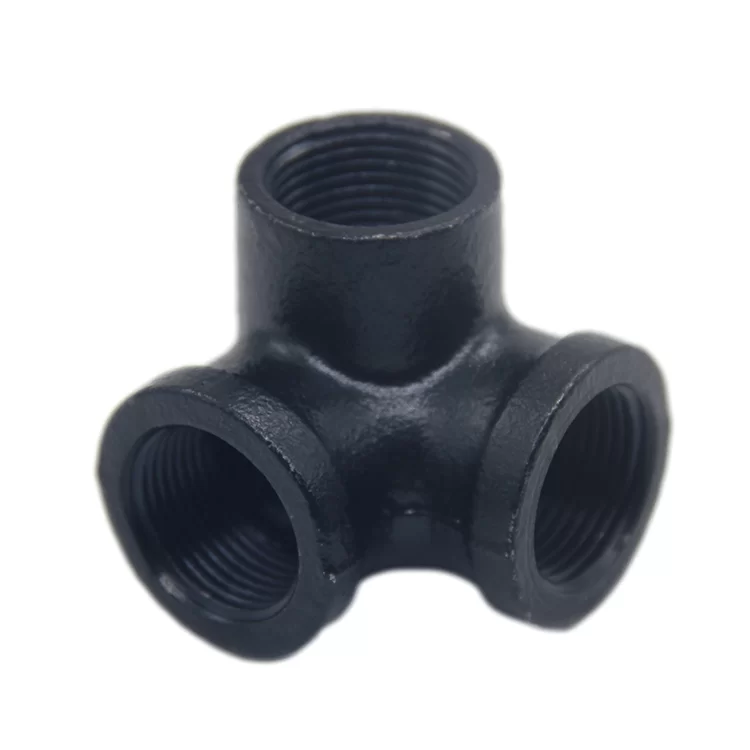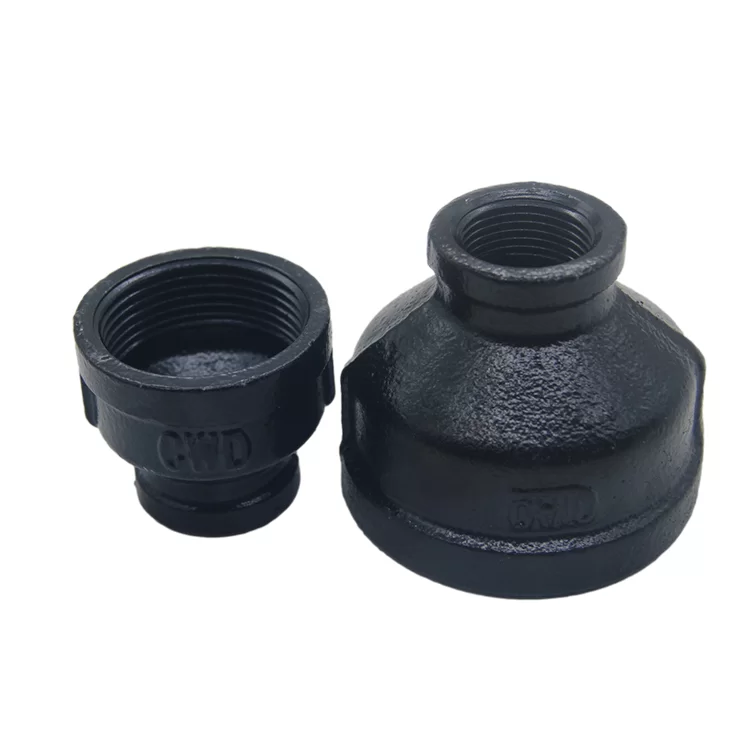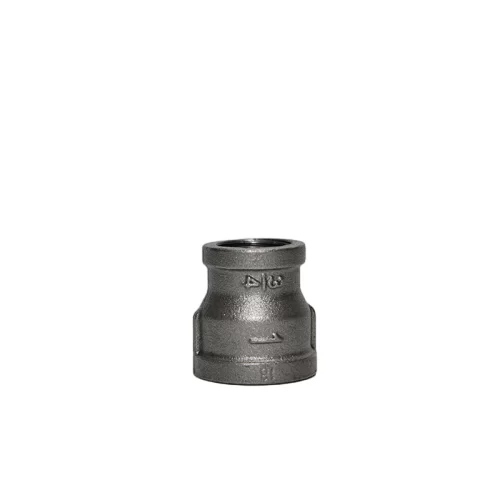

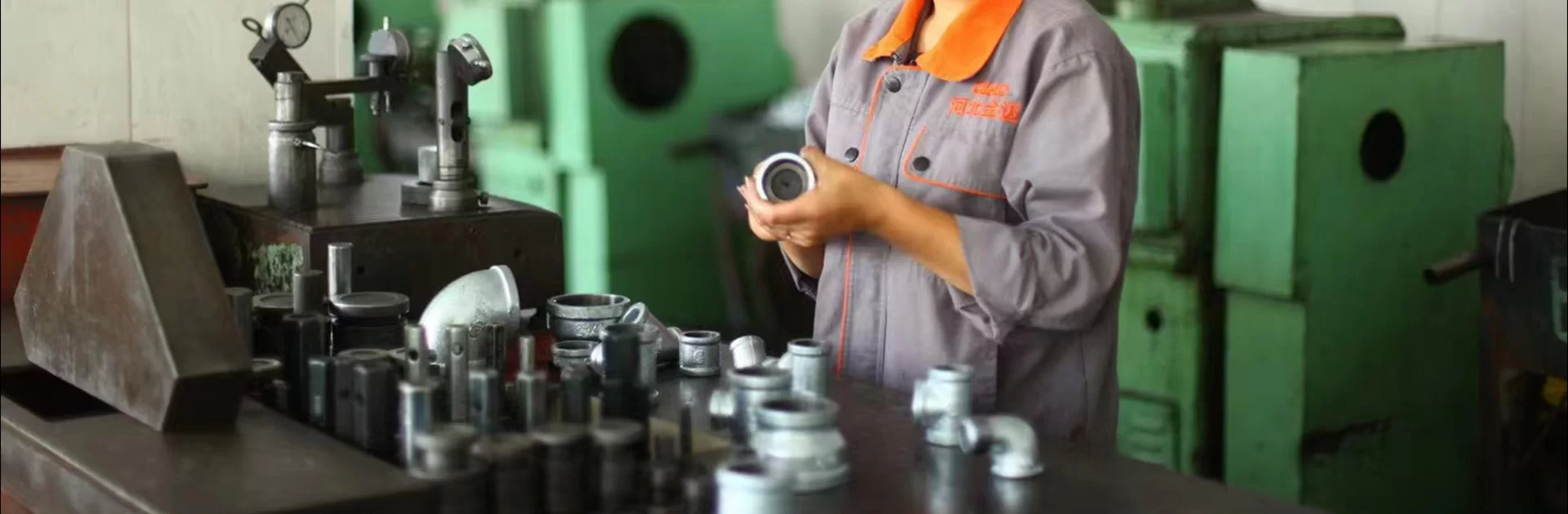
When undertaking plumbing or fluid transfer projects, the selection of the right fittings is crucial for ensuring a leak-proof and durable system. A 1 1/2 galvanized pipe compression fitting stands out as a reliable choice for connecting galvanized steel pipes without the need for threading or welding. This article will delve into the features, benefits, applications, and key considerations when using these fittings. We'll explore how they work, their advantages over other connection methods, and why Jinmai Casting offers premium quality options for your needs. Ensuring a robust and long-lasting connection is paramount, and understanding the nuances of compression fittings is the first step.
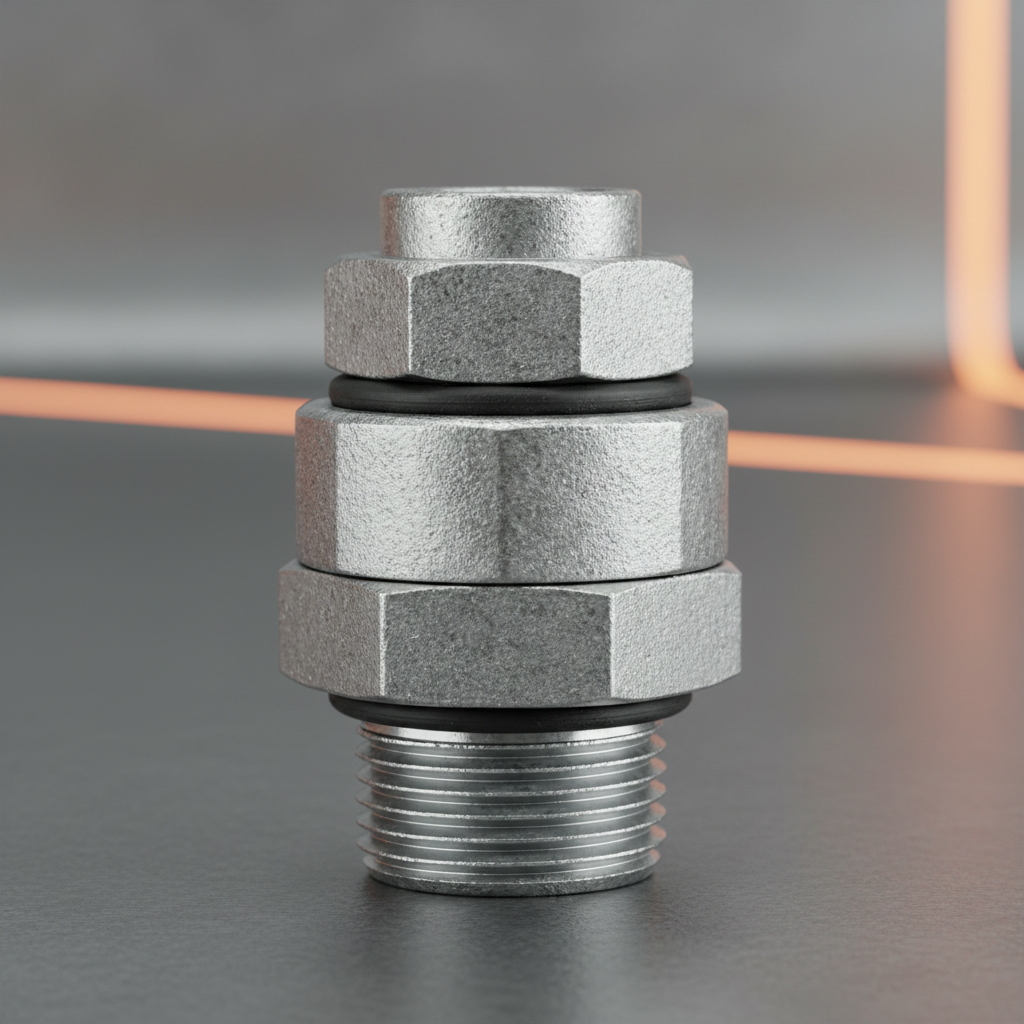
A 1 1/2 galvanized pipe compression fitting is a type of plumbing fitting used to join two galvanized steel pipes of the same size (1 1/2 inch diameter). It works by compressing a compression nut over a compression ring (also known as a ferrule), which is placed around the pipe. Tightening the nut forces the ring to tightly grip the pipe's outer surface, creating a watertight seal. The galvanized coating on the pipe and fitting provides corrosion resistance, making them ideal for both indoor and outdoor applications. These fittings are preferred for their ease of installation and ability to create secure connections without specialized tools like welders or threaders. Jinmai Casting specializes in manufacturing these fittings with precision and quality materials.
Key Benefits: Easy to install, no welding or threading required, corrosion resistant due to galvanization, creates a secure and leak-proof connection.
1 1/2 galvanized pipe compression fittings find applications across a wide range of industries and projects. Common uses include: water supply lines, irrigation systems, fire sprinkler systems, compressed air lines, and gas lines (check local codes for gas line suitability). They're frequently used in residential plumbing, agricultural settings, and industrial facilities. Because they don’t require hot work, they are very useful for maintenance projects, or applications where the environment requires no open flame. The durability of galvanized steel and the secure connection provided by compression fittings make them ideal for long-term reliability. Jinmai Casting provides fittings designed to withstand the rigors of various applications.
Common Application Areas:
• Water Supply Systems
• Irrigation and Sprinkler Systems
• Compressed Air Lines
• Industrial Plumbing
Compared to other methods of connecting galvanized pipes – such as threading or welding – compression fittings offer several advantages. Threading requires specialized tools and can weaken the pipe over time, increasing the risk of leaks. Welding demands skilled labor and can alter the metal's properties. Compression fittings are relatively easy to install, requiring only a wrench, and they don’t introduce heat or stress to the pipe material. However, it's crucial to properly tighten the compression nut to achieve a secure seal. Here's a quick comparison:
Selecting the correct fitting is vital for a reliable connection. Ensure the fitting is specifically designed for galvanized steel pipe. Verify the fitting’s size matches the pipe diameter (in this case, 1 1/2 inch). Look for fittings made from high-quality materials with a robust galvanized coating to prevent corrosion. Jinmai Casting utilizes advanced manufacturing processes and stringent quality control to deliver fittings that meet or exceed industry standards. Consider the application's pressure and temperature requirements to select a fitting rated accordingly.
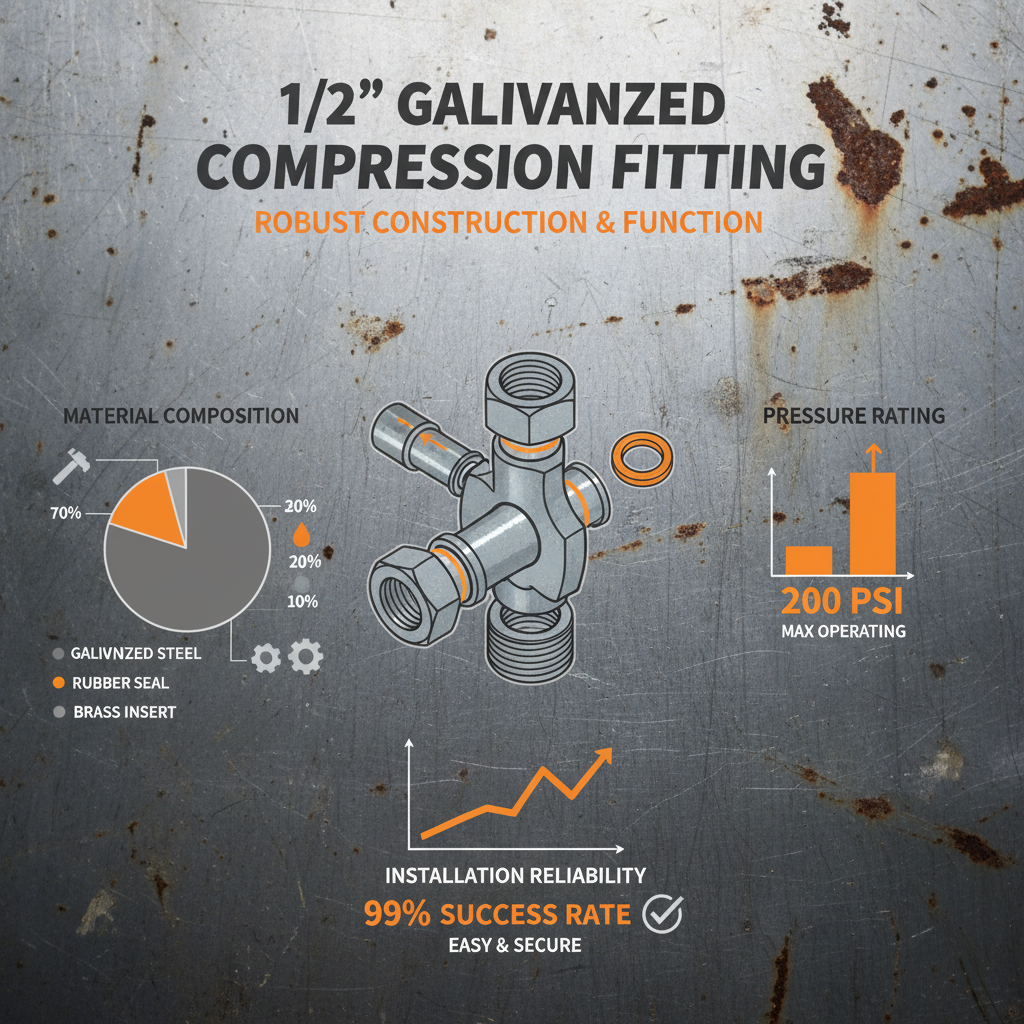
Proper installation is critical for preventing leaks. First, ensure the pipe ends are clean and free of burrs or debris. Slide the compression nut and then the compression ring onto the pipe. Insert the pipe fully into the fitting body. Tighten the compression nut by hand, then use a wrench to tighten it further – but avoid over-tightening, which can damage the fitting or pipe. Always check for leaks after installation. Refer to the manufacturer's instructions for specific guidance. Jinmai Casting provides detailed product specifications and installation guides on its website.
The 1 1/2 galvanized pipe compression fitting is a versatile and reliable solution for connecting galvanized steel pipes. Its ease of installation, corrosion resistance, and secure connection make it a preferred choice for various applications. By sourcing your fittings from a reputable manufacturer like Jinmai Casting, you can ensure you're receiving high-quality products that will deliver long-lasting performance.
While 1 1/2 galvanized pipe compression fittings can be used for gas lines, it’s absolutely crucial to check and adhere to local plumbing codes and regulations. Many jurisdictions restrict the use of compression fittings for gas lines due to the potential for leaks. If permitted, ensure the fitting is specifically rated for gas service and is installed by a qualified professional. Always prioritize safety and compliance with local laws.
Leaks in compression fittings are typically caused by improper installation, damaged components, or incompatible materials. Insufficient tightening of the compression nut is a common issue. Similarly, over-tightening can deform the ring and damage the pipe. Damaged or improperly sized compression rings can also lead to leaks. Always ensure the ring is correctly seated and that the nut is tightened to the manufacturer's recommended torque. If the pipe surface is damaged or corroded, this can also prevent a secure seal.
Removing a stuck compression fitting can be challenging. First, apply penetrating oil to the nut and let it sit for several minutes. Then, use a wrench to carefully attempt to loosen the nut. If it remains stuck, applying gentle heat with a torch (use caution and follow safety guidelines!) can help expand the metal. Avoid excessive force, as this can damage the pipe. In some cases, it may be necessary to carefully cut the nut off with a hacksaw or cutting wheel. Always wear appropriate safety gear during this process.