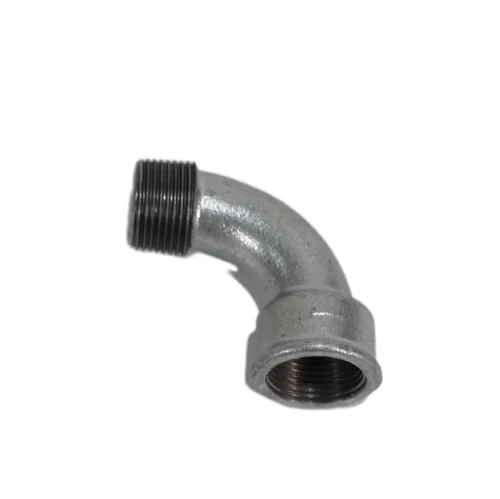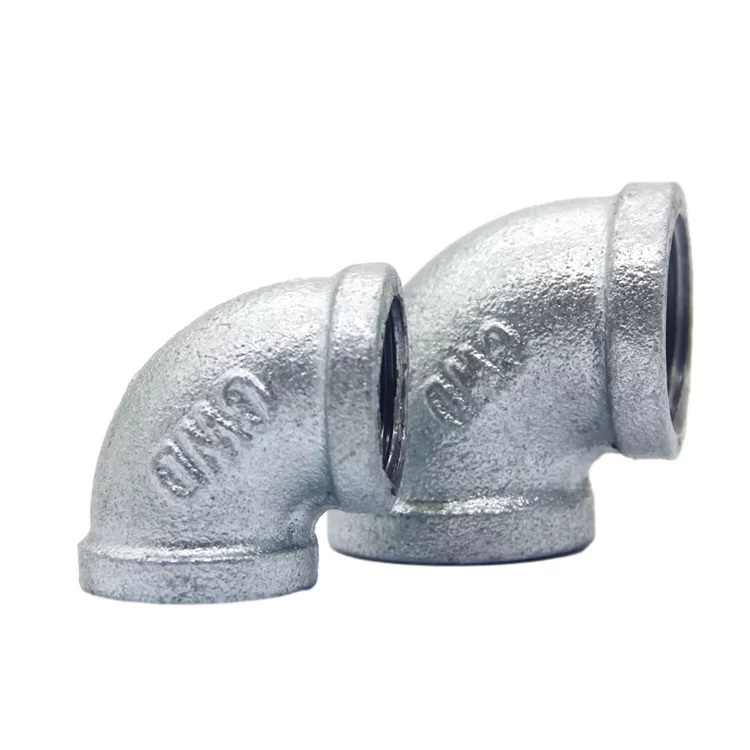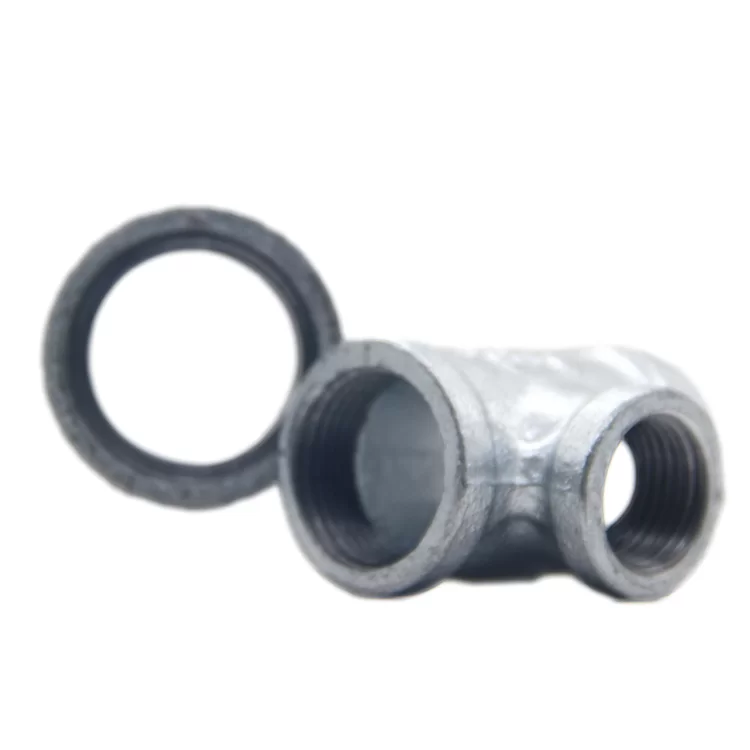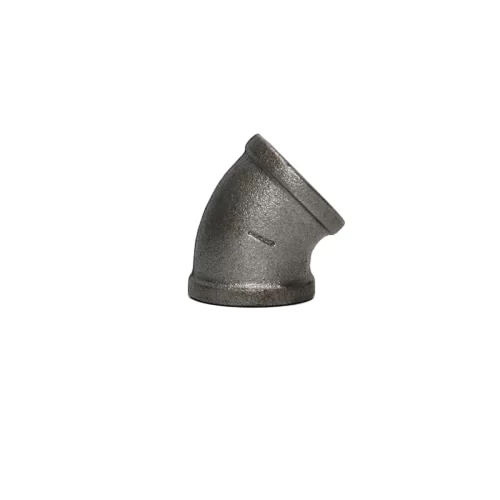

Galvanized pipe fittings are essential components in various industries, from plumbing and irrigation to construction and industrial applications. Their corrosion resistance and durability make them a reliable choice for fluid and gas conveyance. This article will delve into the world of 1 2 galvanized pipe fittings, covering their types, applications, advantages, and important considerations when selecting the right fittings for your needs. Understanding these fittings will ensure efficient and long-lasting piping systems.
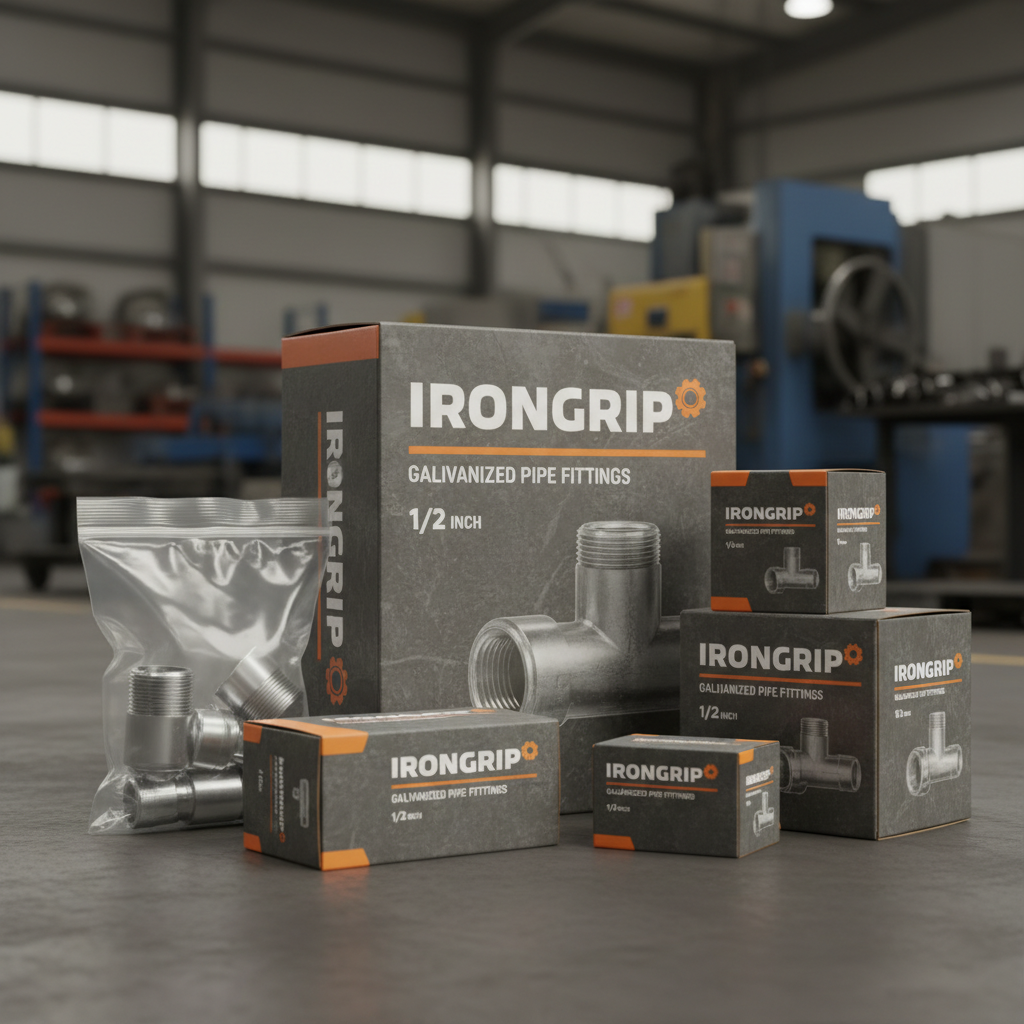
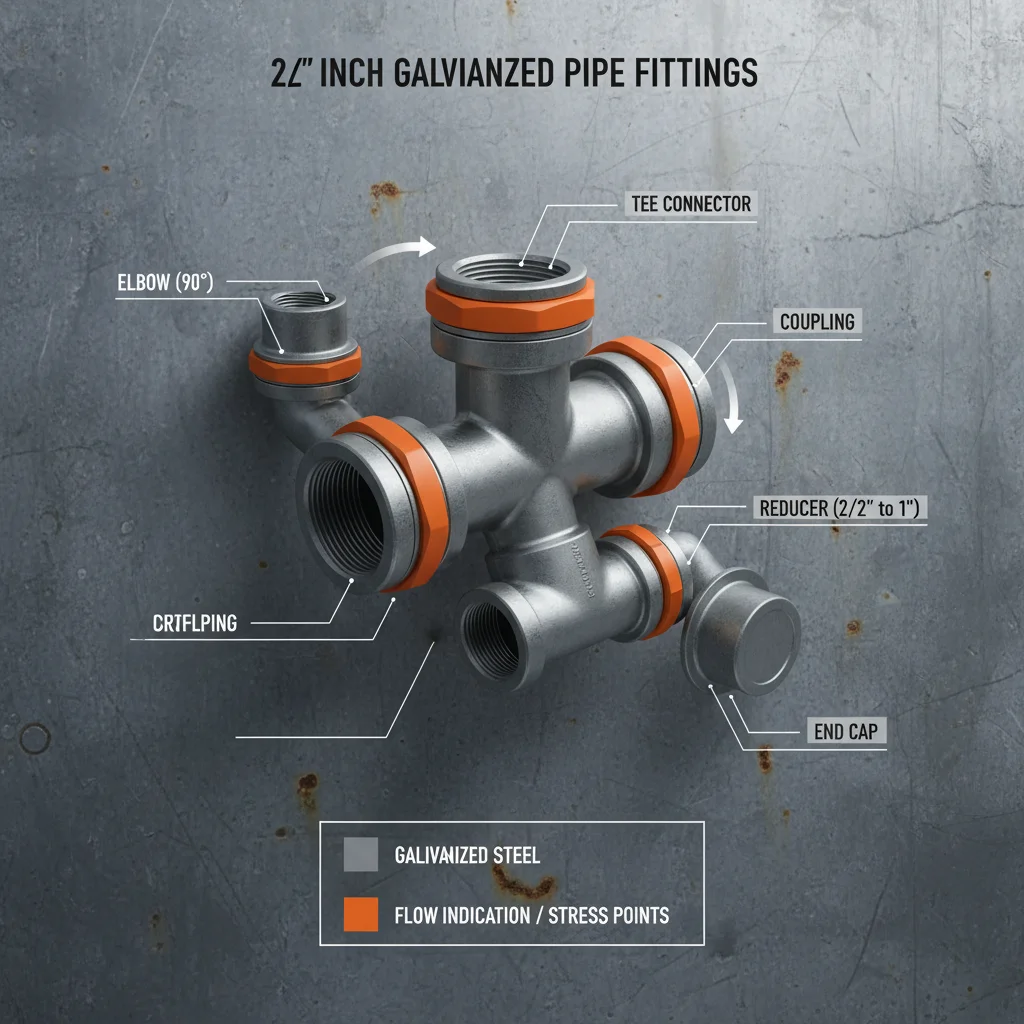
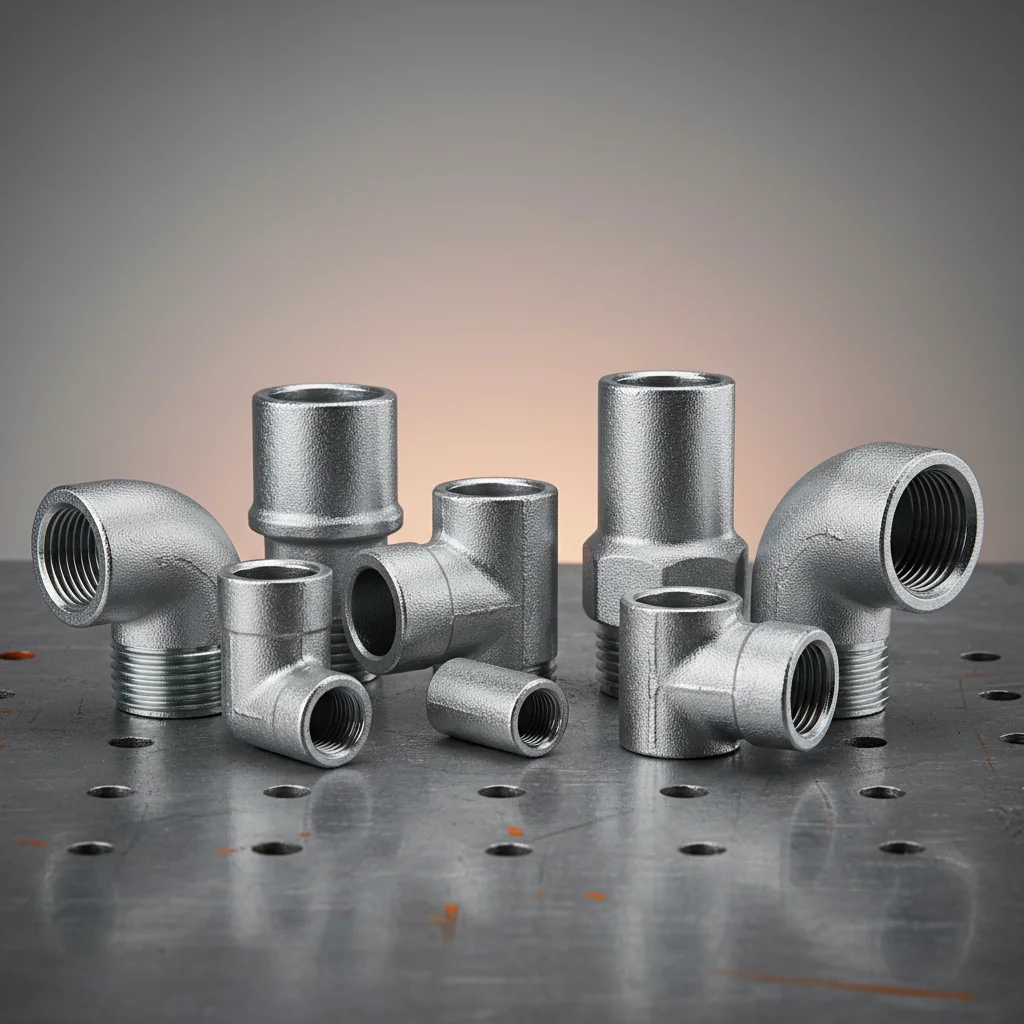
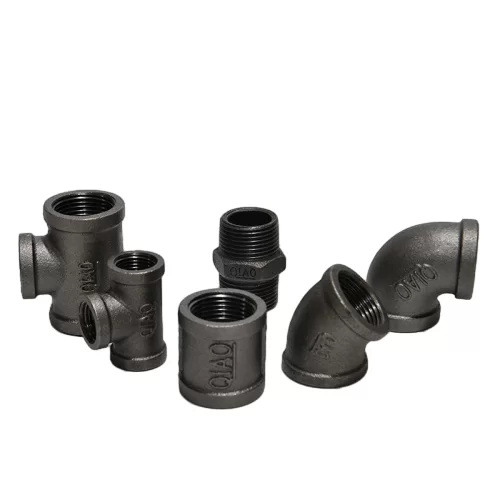
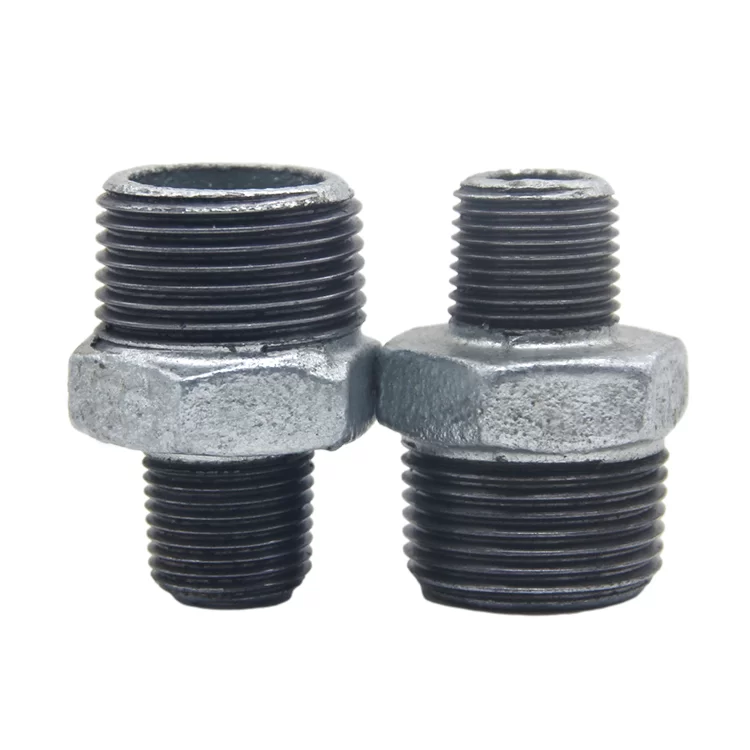
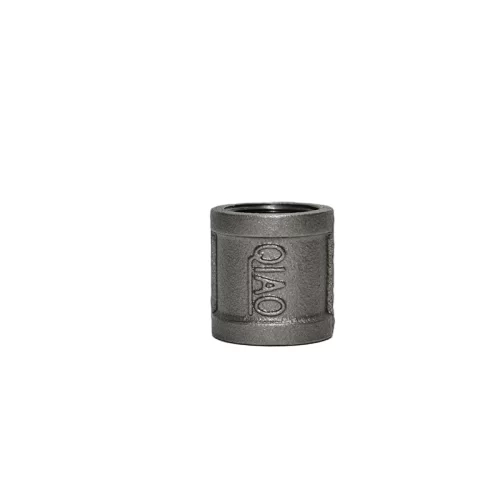
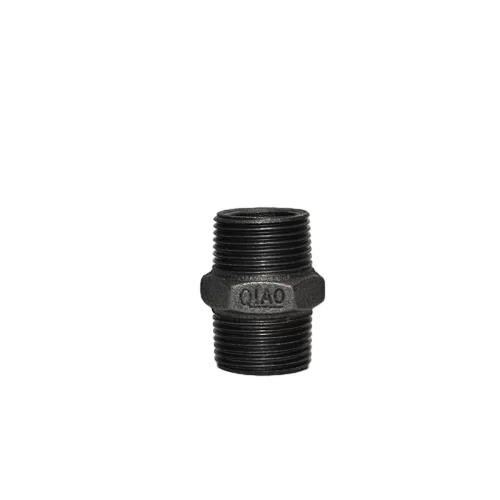
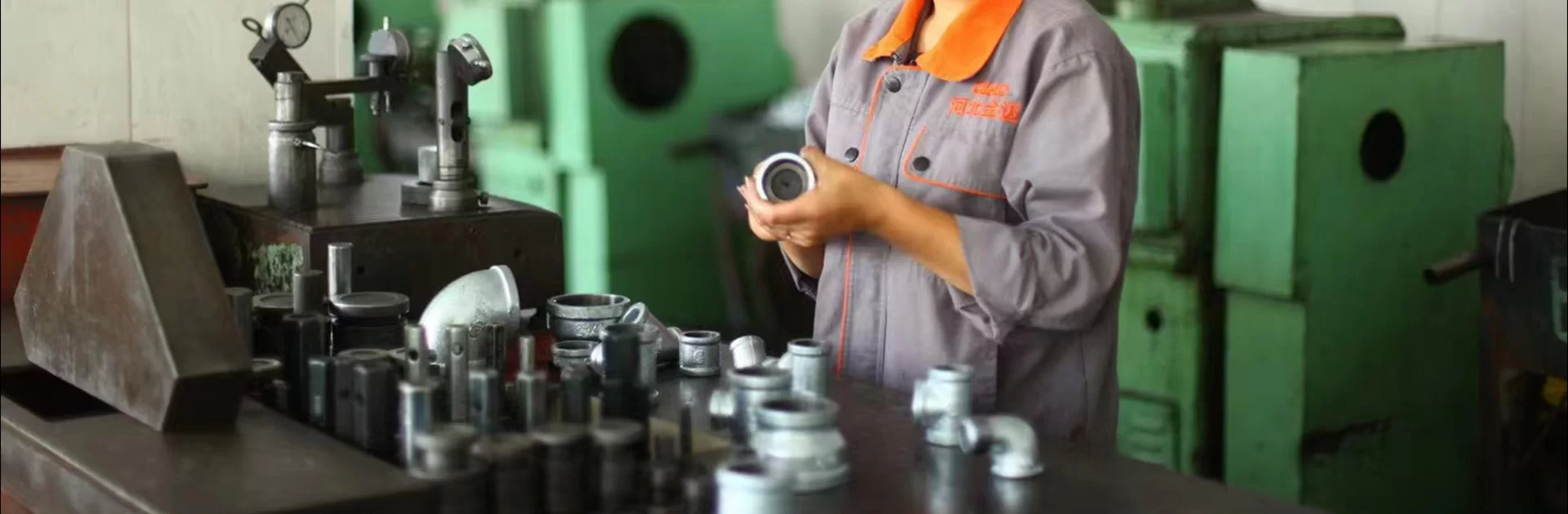
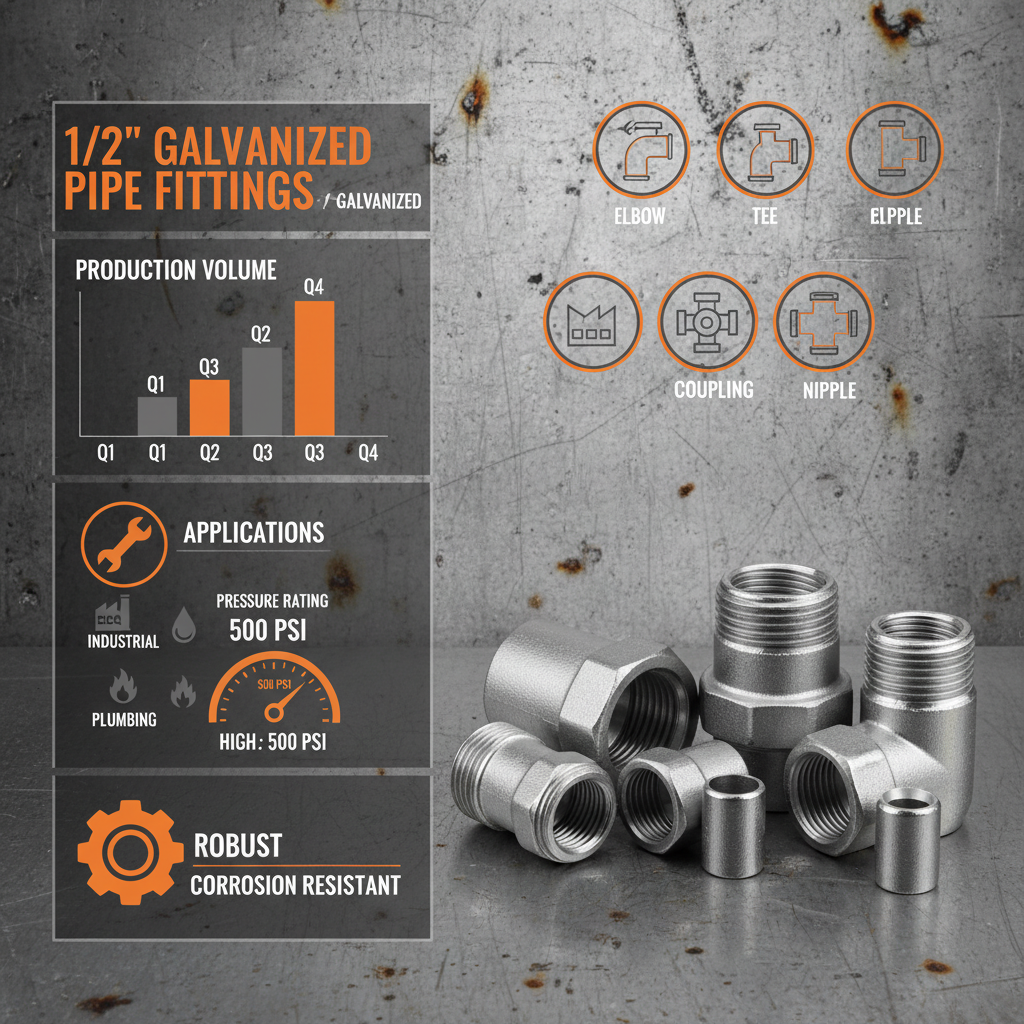
1/2 inch galvanized pipe fittings refer to fittings designed to connect to 1/2 inch nominal pipe diameter. "Galvanized" indicates that the fittings are coated with a layer of zinc through a process called galvanization. This zinc coating acts as a sacrificial layer, protecting the underlying steel or iron from corrosion. This is crucial for applications where pipes are exposed to moisture, chemicals, or harsh environmental conditions. Common types include elbows, tees, couplings, nipples, caps, and reducers. These fittings are available in threaded and solder-fit options, offering versatility for different installation methods. Jinmai Casting offers a wide array of these fittings meeting industry standards.
Key Benefit: Galvanization provides excellent corrosion resistance, extending the lifespan of piping systems, reducing maintenance costs and ensuring long-term reliability.
Understanding the different types of 1/2 inch galvanized pipe fittings is essential for selecting the right components for your project. Here’s a breakdown of some of the most common types:
The applications for 1/2" galvanized pipe fittings are incredibly diverse. They are frequently used in residential plumbing for water supply lines, especially in older homes. They're also common in irrigation systems for gardens and agricultural purposes, providing a durable and reliable solution for water distribution. In industrial settings, these fittings are used for compressed air lines, low-pressure gas systems, and various fluid transfer applications. Jinmai Casting supplies these fittings to a wide range of industries.
While galvanized steel fittings offer excellent corrosion resistance, it's important to understand how they compare to other common pipe materials. Here’s a quick comparison:
Material Comparison:
• Galvanized Steel: Excellent corrosion resistance, durable, cost-effective.
• Copper: Corrosion-resistant, excellent flow rate, more expensive.
• PVC: Lightweight, inexpensive, not suitable for high temperatures or pressures.
• PEX: Flexible, easy to install, limited temperature and pressure ratings.
Choosing the correct 1/2 inch galvanized pipe fittings depends on several factors. Consider the fluid or gas being conveyed, the operating pressure and temperature, and the environmental conditions. Ensure the fittings are compatible with the pipe material (galvanized steel) and meet relevant industry standards. Threaded fittings require pipe sealant for leak-proof connections, while solder-fit fittings require proper soldering techniques. Always prioritize quality fittings from reputable suppliers like Jinmai Casting to ensure long-term reliability and performance.
Investing in high-quality 1 2 galvanized pipe fittings is a smart move for any plumbing or industrial project. Their durability, corrosion resistance, and versatility make them a reliable choice for long-lasting systems. By selecting the right fittings and ensuring proper installation, you can minimize maintenance costs and maximize the efficiency of your piping infrastructure.
The lifespan of galvanized pipe fittings can vary considerably depending on the environment and the quality of the galvanization. Typically, they can last between 40 to 70 years in residential applications. However, exposure to highly corrosive substances, acidic water, or constant moisture can significantly shorten this lifespan. Regular inspection and preventative maintenance, such as coating the fittings with a protective sealant, can help extend their lifespan. The thickness of the zinc coating is a key factor, with thicker coatings providing longer-lasting protection.
While galvanized steel was traditionally used for potable water systems, modern regulations often favor alternative materials like copper or PEX due to concerns about lead content in some older galvanized pipes and the potential for zinc leaching. Newer galvanized fittings generally adhere to lead-free standards, but it's crucial to verify compliance with local plumbing codes before using them for potable water. The formation of zinc deposits can also affect water clarity and taste, although these deposits are generally not harmful.
Proper joining techniques are essential for a leak-free and durable connection. For threaded fittings, always use a high-quality pipe thread sealant to prevent leaks. Avoid overtightening, as this can damage the threads. For solder-fit fittings, ensure the surfaces are clean and free of oxidation before applying flux and solder. Follow proper soldering procedures to create a strong and watertight joint. When working with galvanized steel, use appropriate tools and safety precautions to avoid injury.
While galvanized fittings are primarily designed for use with galvanized steel pipes, they can sometimes be connected to other pipe materials using dielectric unions or adapters. This is crucial to prevent galvanic corrosion, which occurs when dissimilar metals are in contact in the presence of an electrolyte (like water). Using the appropriate adapter ensures compatibility and prevents corrosion between the different pipe materials.