Get a Quote

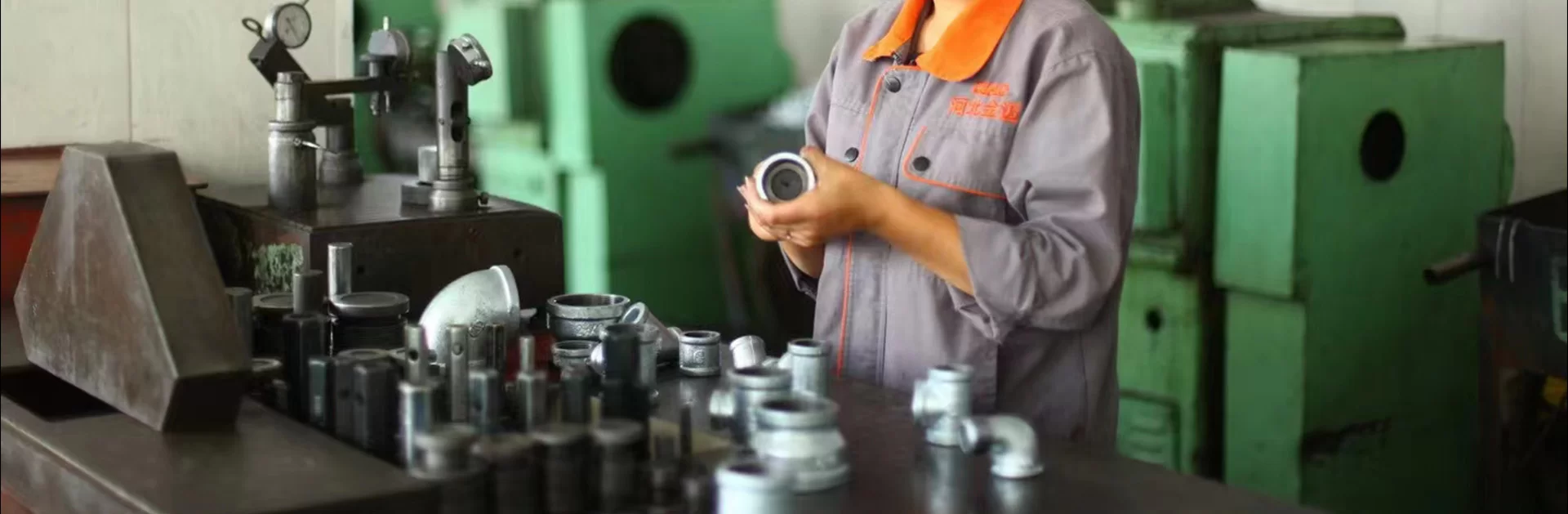
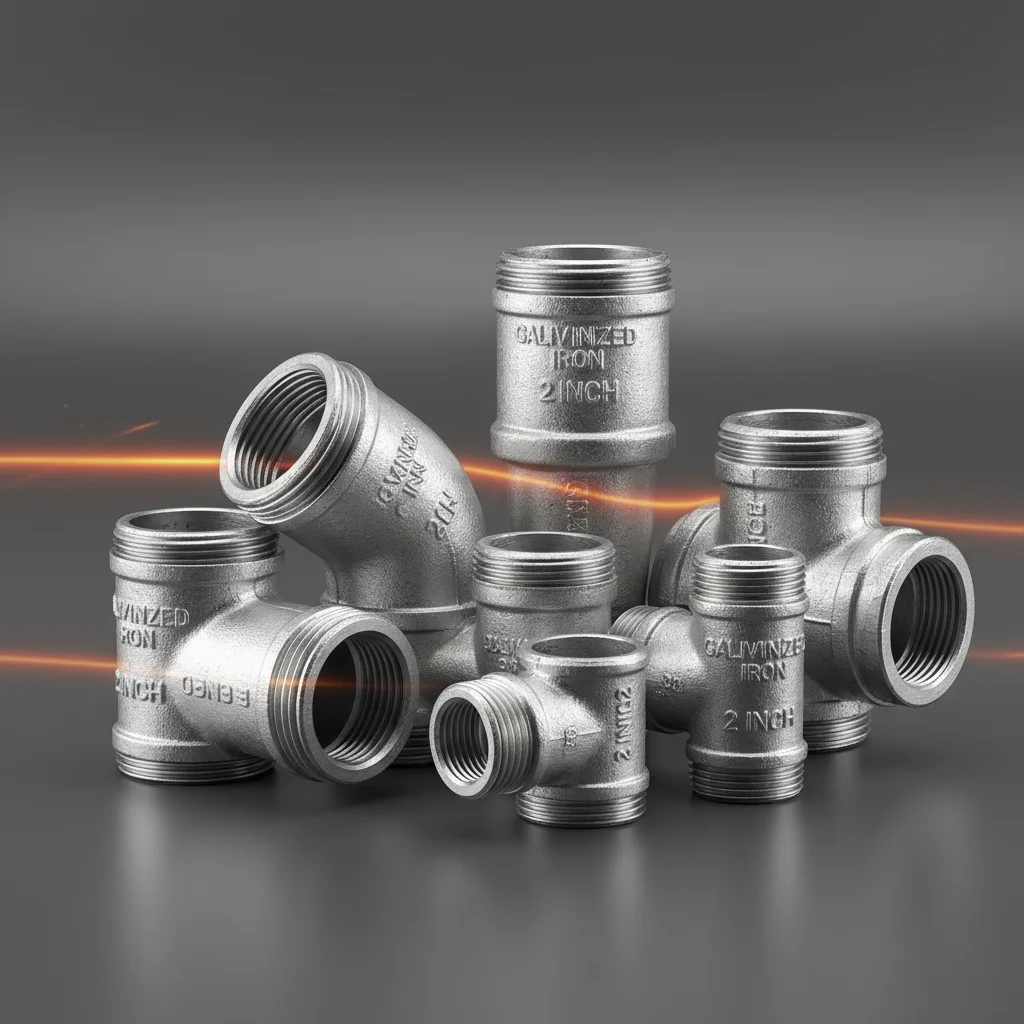
In the world of industrial infrastructure and plumbing, the integrity of your connections is just as important as the pipes themselves. galvanized pipe corner fittings serve as the critical joints that allow piping systems to navigate corners, change directions, and maintain structural stability under pressure. Whether you are dealing with water transport, HVAC systems, or structural framing, choosing the right fitting ensures longevity and prevents costly leaks. In this comprehensive guide, we will explore the technical advantages, material specifications, and professional applications of these essential components to help you make an informed procurement decision.

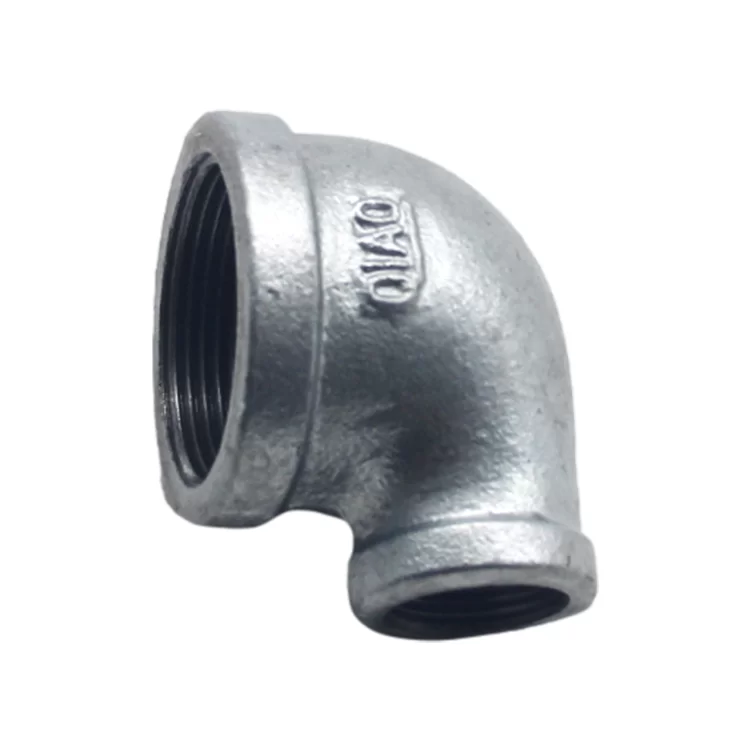
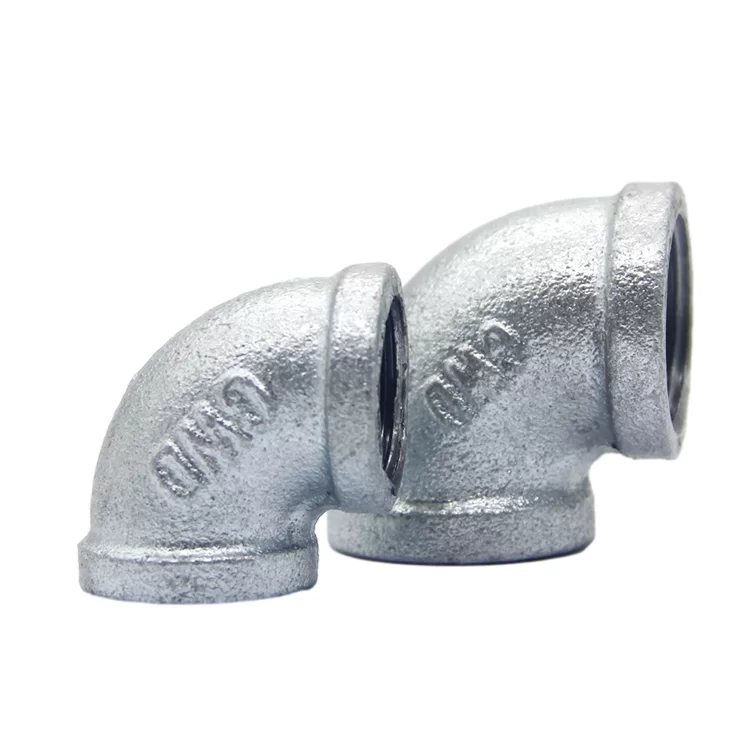
The primary advantage of using galvanized pipe corner fittings lies in their exceptional resistance to corrosion. Through the process of hot-dip galvanization, a protective layer of zinc is applied to the steel, creating a metallurgical bond that shields the base metal from oxygen and moisture. This is particularly vital for installations in humid environments, underground piping, or areas exposed to salt air. Beyond rust prevention, these fittings provide the necessary mechanical strength to handle high-pressure flows without compromising the 90-degree or 45-degree angles required for complex layouts.
Pro Tip: When selecting fittings, always ensure the galvanization thickness matches the environmental severity of your project to maximize the service life of the system.
Quality control in casting and coating is what separates industrial-grade fittings from standard hardware. High-performance galvanized pipe corner fittings are typically manufactured from malleable iron or carbon steel. The precision of the threads—whether NPT or BSP—ensures a leak-proof seal when paired with matching pipes. Below is a detailed specification table used by engineers to determine the suitability of fittings for various pressure ratings.
To maximize the lifespan of your galvanized pipe corner fittings, proper installation is non-negotiable. Over-tightening can strip the threads or cause stress fractures in the casting, while under-tightening leads to seepage. We recommend using high-quality PTFE tape or pipe sealant specifically designed for galvanized steel to ensure a hermetic seal. Furthermore, when installing corners in a series, ensuring the pipes are perfectly aligned before tightening prevents "torsional stress," which can weaken the joint over time.

A common dilemma for procurement managers is whether to use galvanized pipe corner fittings or stainless steel alternatives. While stainless steel offers higher corrosion resistance in extreme chemical environments, galvanized fittings provide a more cost-effective solution for the majority of industrial and commercial applications. They offer a perfect balance between durability and budget, especially for large-scale projects where the cost of stainless steel would be prohibitive.
The versatility of galvanized pipe corner fittings allows them to be used across various sectors. In agricultural settings, they are used for irrigation systems where pipes must withstand soil acidity. In the construction industry, they are the gold standard for handrails, scaffolding, and fire sprinkler systems. Additionally, they are widely used in industrial warehouses for cable conduit runs, ensuring that electrical wiring is protected from physical damage while maintaining a clean, right-angled layout along walls and ceilings.
While galvanization provides a strong defense, no material is entirely invincible. To ensure your galvanized pipe corner fittings last for decades, a routine maintenance schedule is recommended. Periodically inspect joints for "white rust" (zinc oxide), which indicates the protective layer is reacting with the environment. If the zinc coating becomes compromised, cold galvanizing sprays can be used for spot repairs. Avoiding the use of strong acids near the fittings will also prevent the premature stripping of the zinc layer, preserving the structural integrity of the corner joints.
Choosing high-quality galvanized pipe corner fittings is an investment in the safety and efficiency of your facility. By combining the strength of industrial steel with the corrosion resistance of zinc, these fittings provide a reliable solution for complex piping challenges. Whether you are upgrading an old system or designing a new industrial plant, prioritizing precision-engineered components will reduce downtime and maintenance costs. Trust in proven materials to keep your operations flowing smoothly.
Hot-dip galvanizing involves immersing the fitting in molten zinc, creating a thick, durable layer that is ideal for outdoor and harsh environments. Electro-galvanizing uses an electrical current to apply a much thinner layer of zinc. For galvanized pipe corner fittings used in industrial piping, hot-dip is strongly recommended because it provides significantly better long-term corrosion protection and a more robust physical barrier against abrasion.
Yes, galvanized steel is commonly used for water lines. However, it is important to ensure that the fittings meet local health and safety standards for drinking water. Over very long periods, the zinc coating can degrade, which may lead to internal rusting. In modern high-end residential construction, PEX or copper is often used, but for industrial water transport and firefighting systems, galvanized fittings remain the industry standard due to their unmatched strength.
Preventing leaks starts with using the correct thread sealant. We recommend applying PTFE (Teflon) tape in the direction of the threads or using a high-quality pipe dope. Ensure that the pipe is cut square and deburred before threading. When assembling galvanized pipe corner fittings, use a pipe wrench to achieve a snug fit, but avoid excessive force that could crack the casting or distort the threads, as this is the most common cause of slow leaks.
Yes, they are physically compatible as they share the same threading standards. However, mixing galvanized fittings with black steel pipes can lead to "galvanic corrosion" in the presence of moisture. The different electrochemical potentials of the materials can cause the black steel to corrode faster at the point of contact. For a cohesive and long-lasting system, it is best practice to use galvanized components throughout the entire line or utilize a dielectric union to isolate the different metals.