Get a Quote

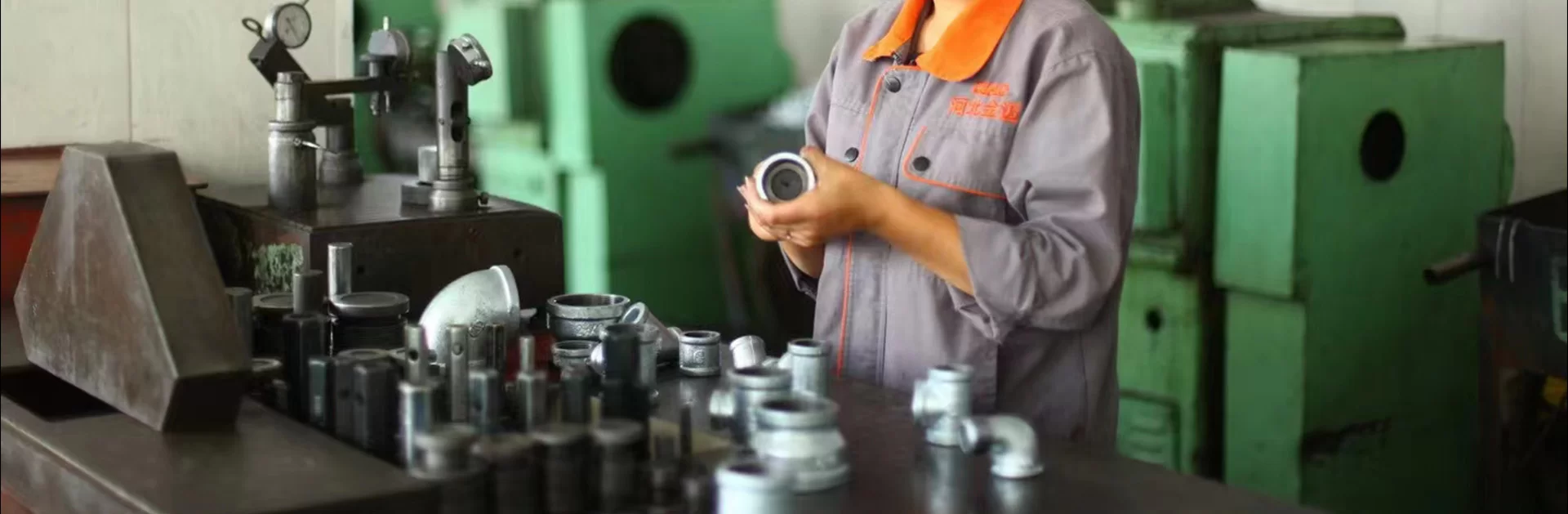
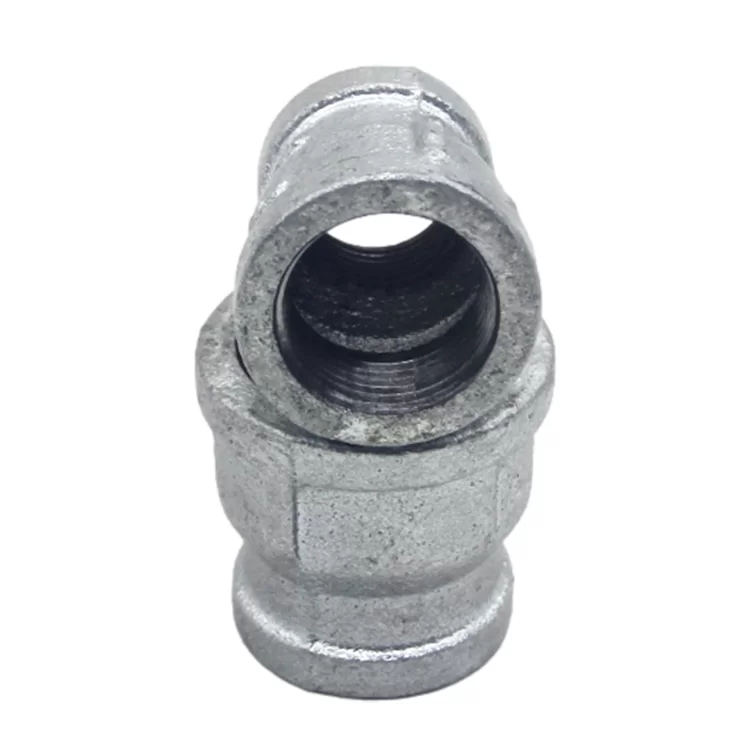
Ensuring structural integrity and personnel safety in industrial environments requires high-quality hardware. galvanised pipe handrail fittings provide the essential connection points for guardrails, walkways, and safety barriers, offering a critical defense against corrosion in harsh environments. Whether you are managing a chemical plant or a marine facility, choosing the right fittings ensures long-term stability and reduced maintenance costs. In this comprehensive guide, we will explore the technical advantages, material standards, and practical applications of these indispensable components to help you make an informed procurement decision.

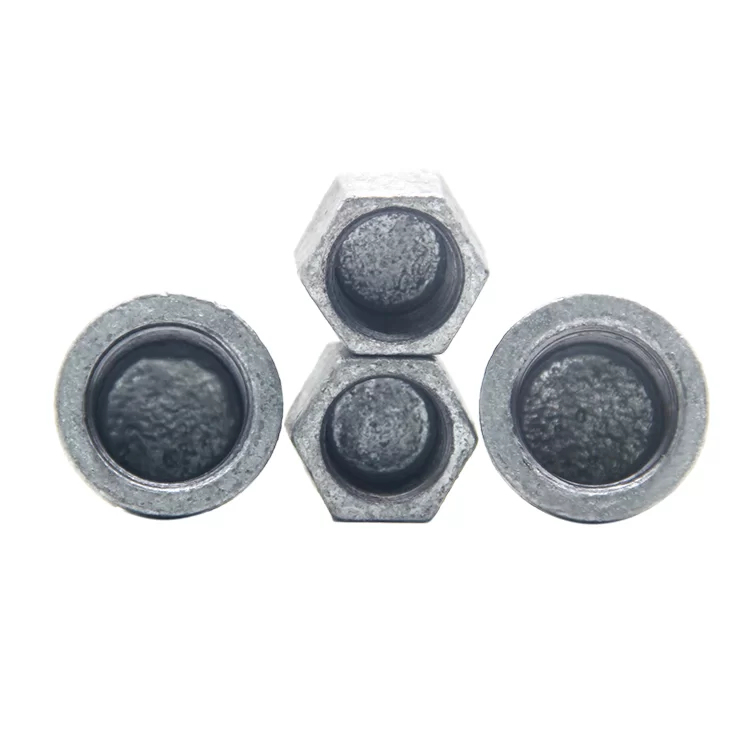
The durability of galvanised pipe handrail fittings stems from the synergy between high-grade malleable cast iron and advanced zinc coatings. By applying a hot-dip galvanization process, the steel is protected from oxidation and atmospheric corrosion. This is particularly vital for facilities located in coastal regions where salt spray can rapidly degrade untreated metals. Our fittings undergo rigorous quality control, including 100% penetrant testing of castings, to ensure there are no internal voids or structural weaknesses that could compromise safety.
Technical Advantage: The use of malleable cast iron ensures that the fittings possess the necessary ductility to withstand sudden impacts without fracturing, combined with a zinc layer that prevents red rust for thousands of hours.
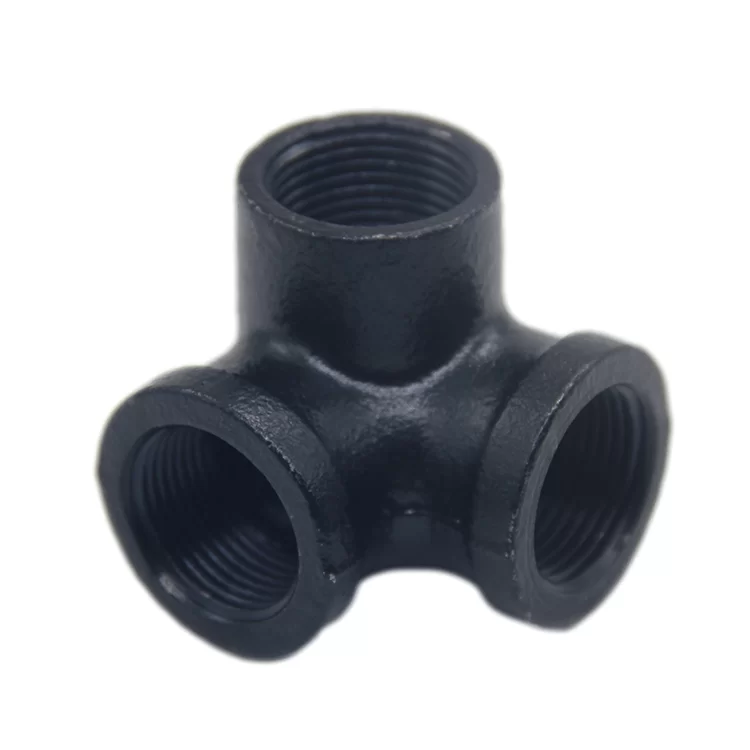
While primarily used for structural support, many galvanised pipe handrail fittings in complex systems also manage flow diversion. Utilizing CFD (Computational Fluid Dynamics) simulation, the internal geometry of our tees and diverters is optimized to reduce eddy currents. For instance, controlling the branch pipe connection angle at precisely 45° can reduce pressure loss by up to 35%. This precision engineering ensures that the piping system operates efficiently while maintaining the rigid structural support required for a safety handrail.
When comparing galvanized fittings to standard painted or untreated options, the difference in lifespan and safety is stark. The electrophoretic coating system used in our premium galvanised pipe handrail fittings provides a 360° protective layer, eliminating dead angles. This results in a salt spray resistance of over 1200 hours, far exceeding industry averages.
The versatility of galvanised pipe handrail fittings makes them ideal for various demanding environments. In chemical pipelines, they facilitate the diversion of corrosive media without risking leakages. In marine engineering, they provide the necessary distribution networks for seawater pipelines within ship hulls, resisting the aggressive salinity of the ocean. Additionally, they are widely used in sewage treatment plants and coastal buildings, where high humidity and salt spray are constant threats to metal structures.

To ensure a perfect fit and maximum safety, it is essential to adhere to precise technical parameters. Our galvanised pipe handrail fittings are engineered to withstand high pressures and extreme temperature fluctuations, ranging from -30℃ to 130℃. Below are the core specifications for our standard series:
The performance of galvanised pipe handrail fittings depends significantly on correct installation. Firstly, always confirm that the medium flow direction is consistent with the tee direction. Secondly, use a torque wrench to tighten bolts in a diagonal sequence to avoid uneven stress. For structural handrails, we recommend adding pipe support within 30cm downstream of any branch pipe to prevent vibration-induced fatigue. Finally, conduct a pressure test at 1.5 times the working pressure 24 hours after installation to ensure a leak-free system.
Choosing high-performance galvanised pipe handrail fittings is not just about meeting specifications—it is about investing in safety and longevity. From the precision of CFD-optimized fluid designs to the robustness of a 1200-hour salt spray resistant coating, these components provide unmatched reliability in the most challenging environments. By selecting certified malleable cast iron fittings, industries can significantly reduce operational risks and maintenance downtime. Trust in precision engineering to protect your assets and your workforce.
Galvanization works by creating a metallurgical bond between the zinc coating and the base steel. This layer acts as a physical barrier, preventing oxygen and moisture from reaching the iron. More importantly, zinc provides cathodic protection; if the coating is scratched, the zinc will corrode preferentially to the steel, preventing the underlying structure from rusting. For galvanised pipe handrail fittings, this means a significantly extended service life even in high-salt marine environments.
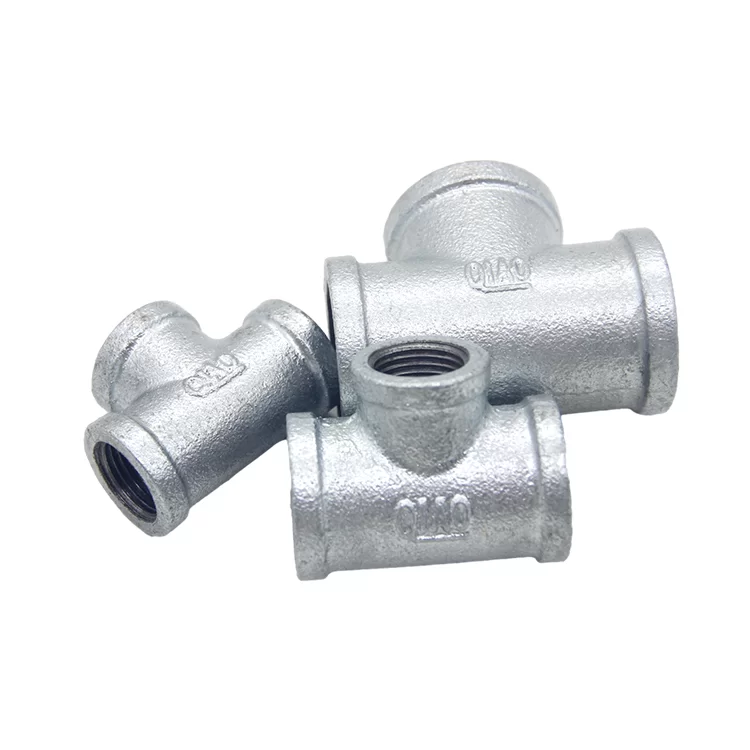
An equal diameter tee is used when the branch pipe and the main pipe have the same size, maintaining consistent structural strength and flow. A reducing tee is used when the branch pipe needs to be smaller than the main line, often to accommodate smaller handrail extensions or diverted fluid lines. Selecting the correct type of galvanised pipe handrail fittings is crucial for maintaining the intended load-bearing capacity of the safety system.
Yes, our premium fittings are designed for industrial-grade pressure. With a working pressure of 4.0MPa (PN40) and a burst pressure exceeding 8.0MPa, they are suitable for most high-pressure transport and diversion systems. We recommend our "thickened series" for systems requiring maximum structural rigidity. Always ensure that the installation follows the 1.5x working pressure test protocol to verify the safety of the entire network of galvanised pipe handrail fittings.
To guarantee zero-defect shipments, we employ a multi-stage testing process. Every casting undergoes 100% penetrant testing to detect surface-breaking defects. We perform multi-point measurement of the electrophoretic coating thickness (at least 16 points per piece) to ensure uniform protection. Additionally, a 6.0MPa water pressure test is conducted for 5 minutes to ensure absolute sealing. This rigorous approach ensures that every piece of galvanised pipe handrail fittings meets global safety standards.