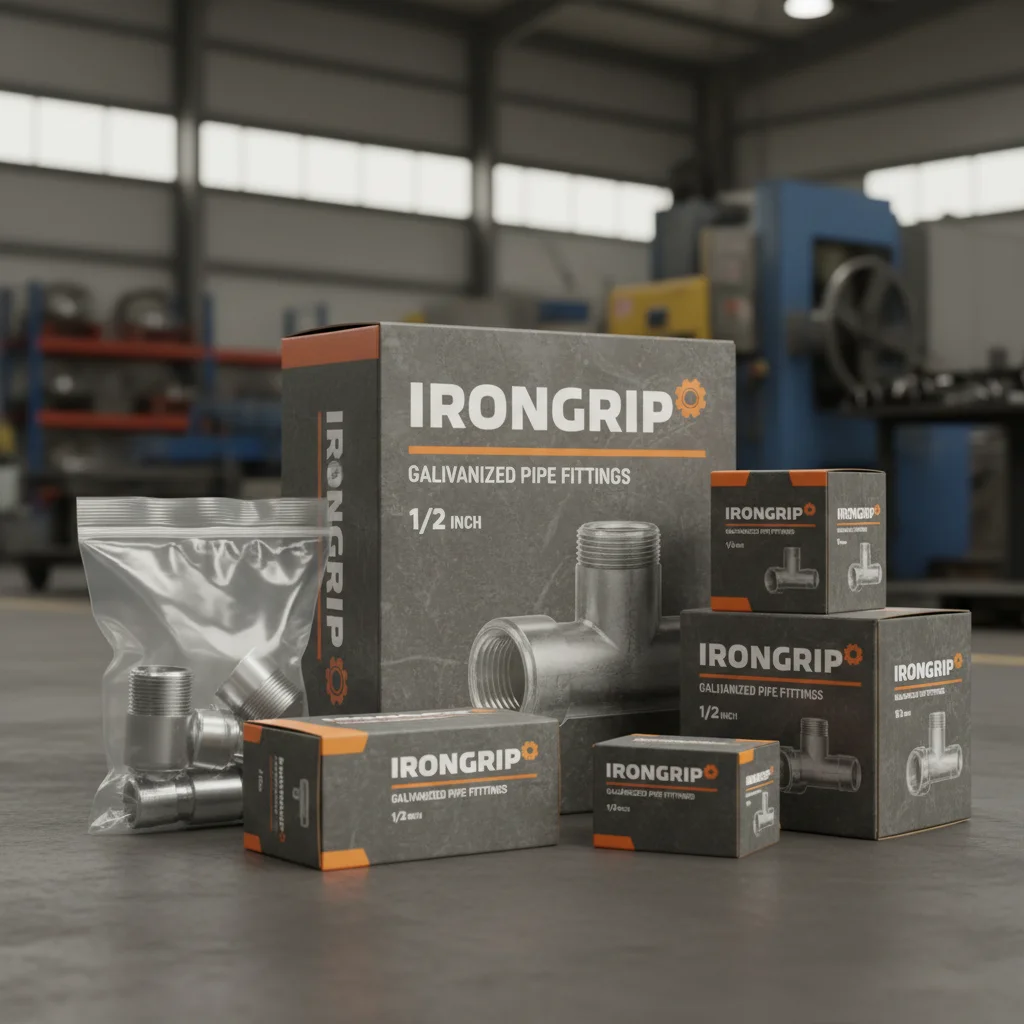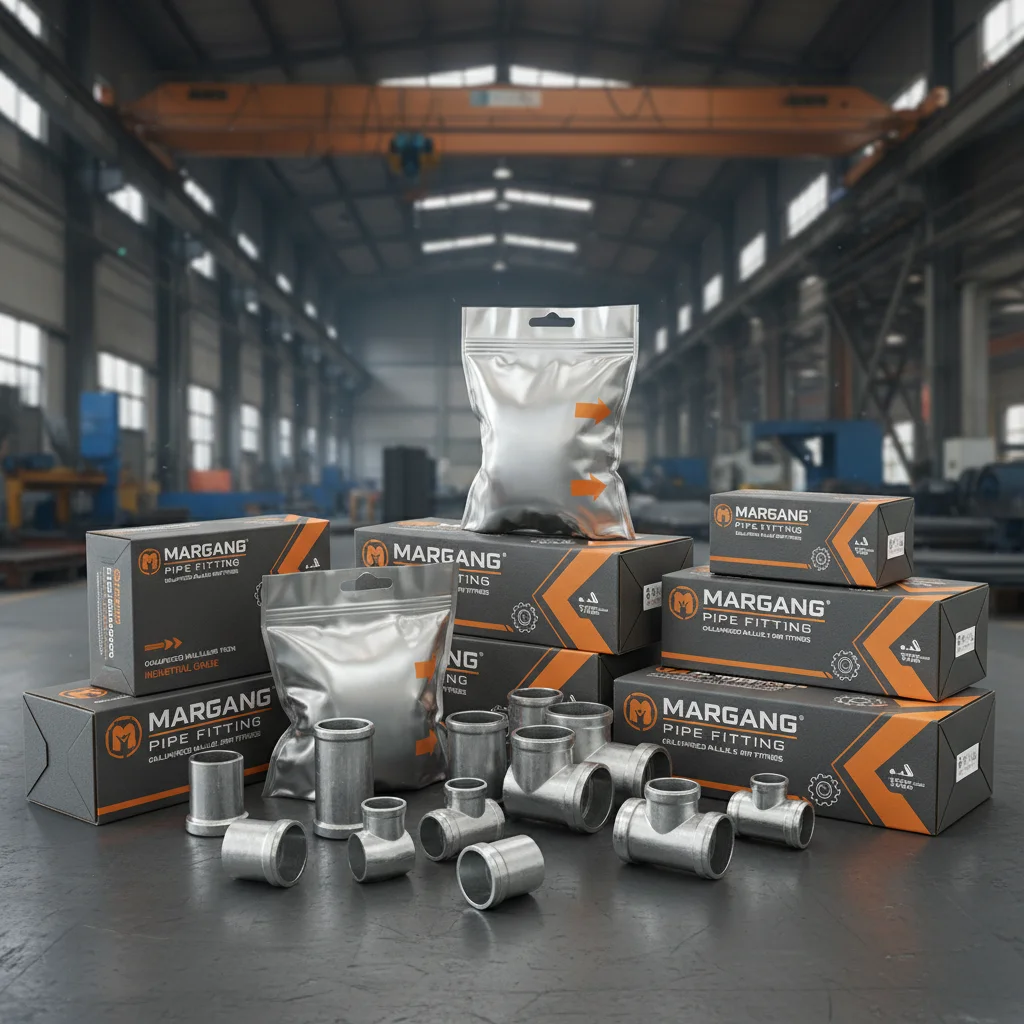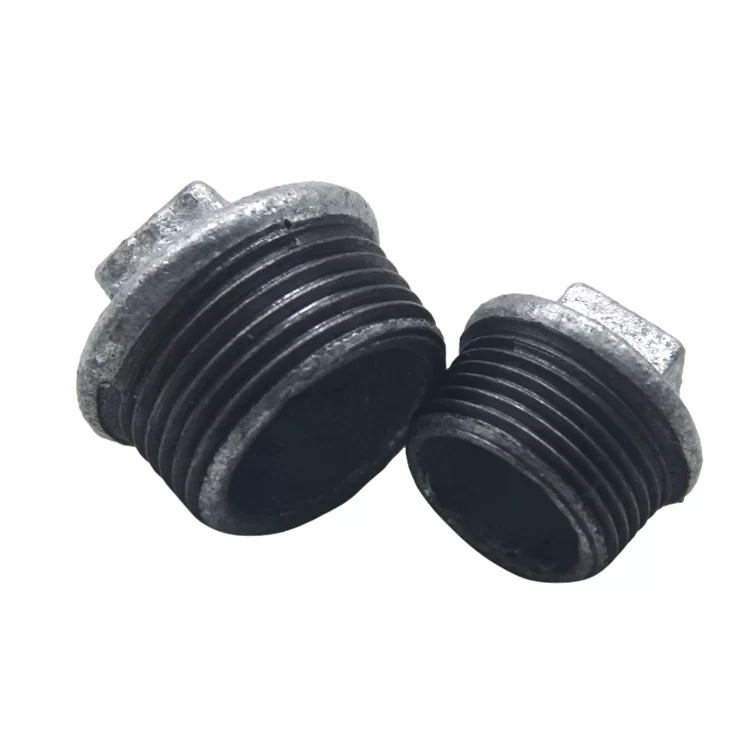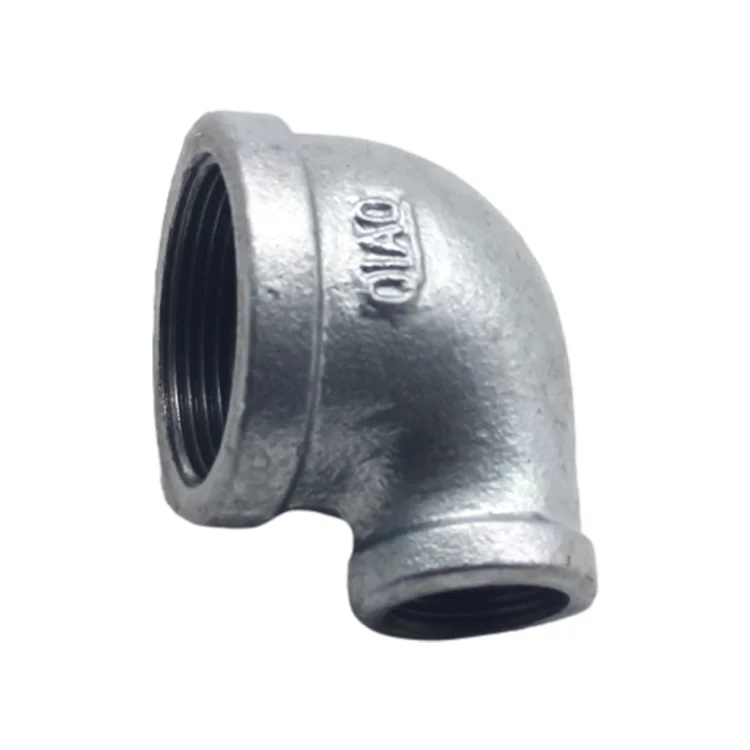

1 Galvanized pipe fittings are essential components in various plumbing, construction, and industrial applications. Offering corrosion resistance and durability, these fittings play a crucial role in creating secure and long-lasting piping systems. This article will explore the properties, applications, types, and benefits of 1 galvanized pipe fittings, helping you understand why they remain a popular choice for professionals and DIY enthusiasts alike. We'll also discuss selecting the right fittings for your specific project and where to source high-quality components. Learn more about our range of high-quality pipe fittings at Jinmai Casting.
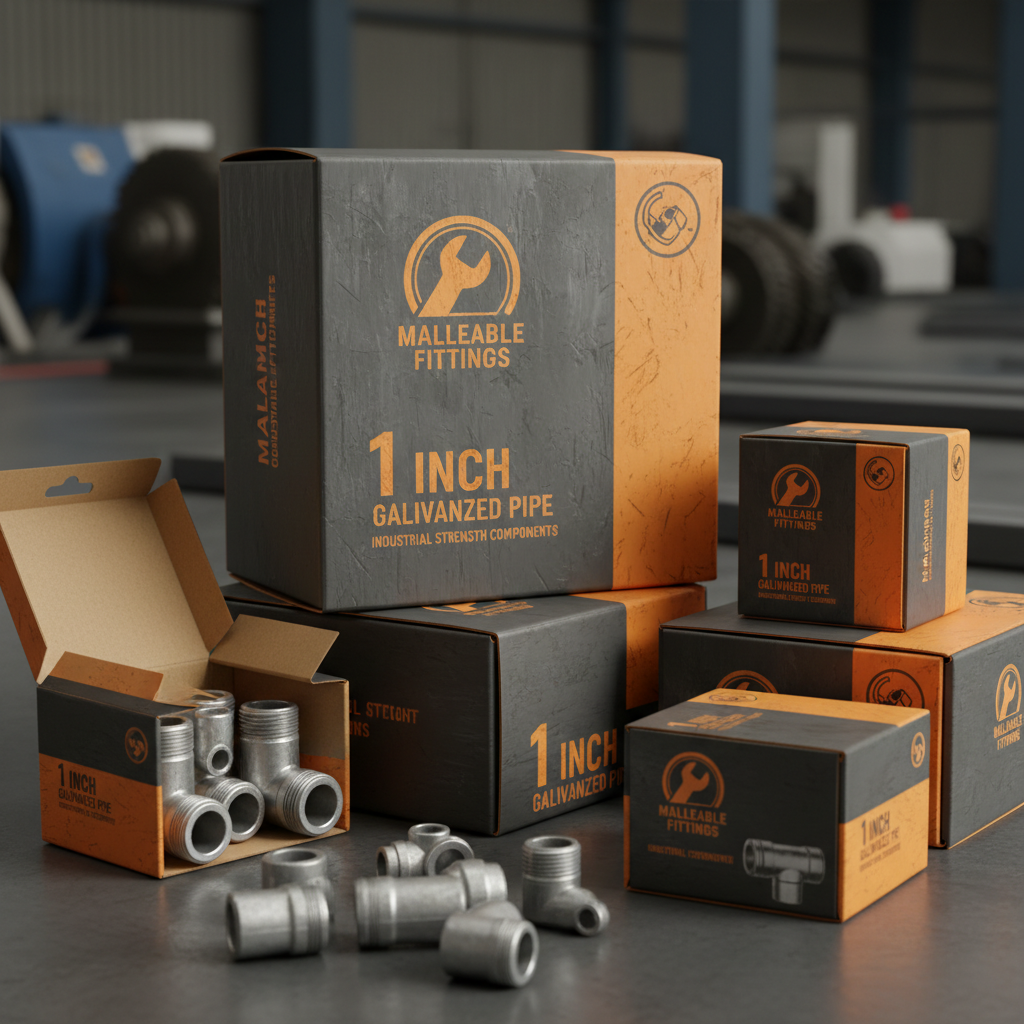
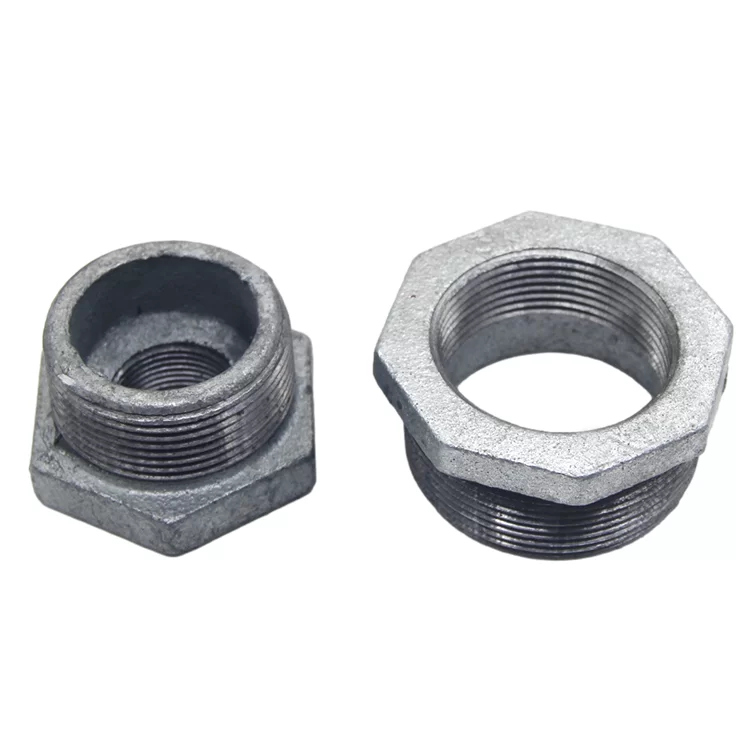
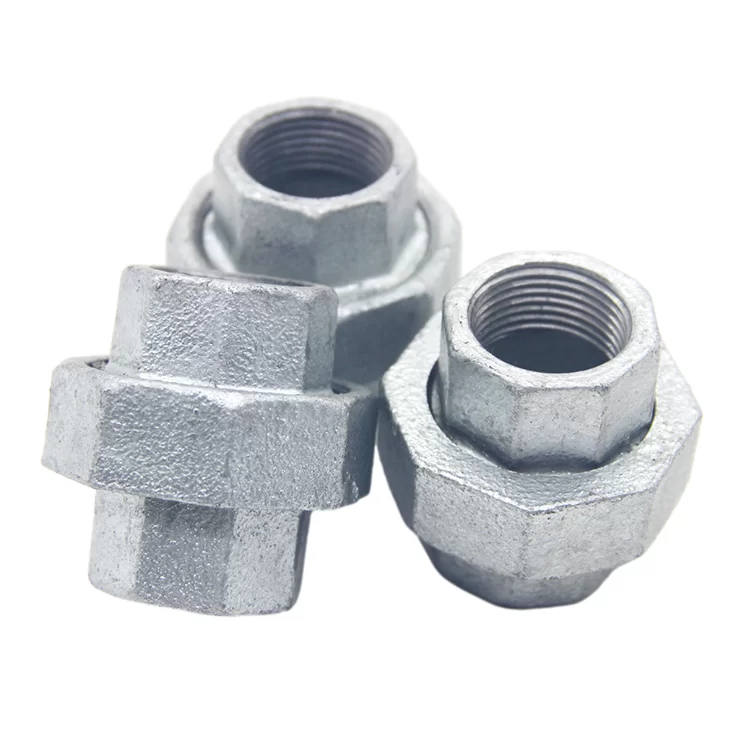
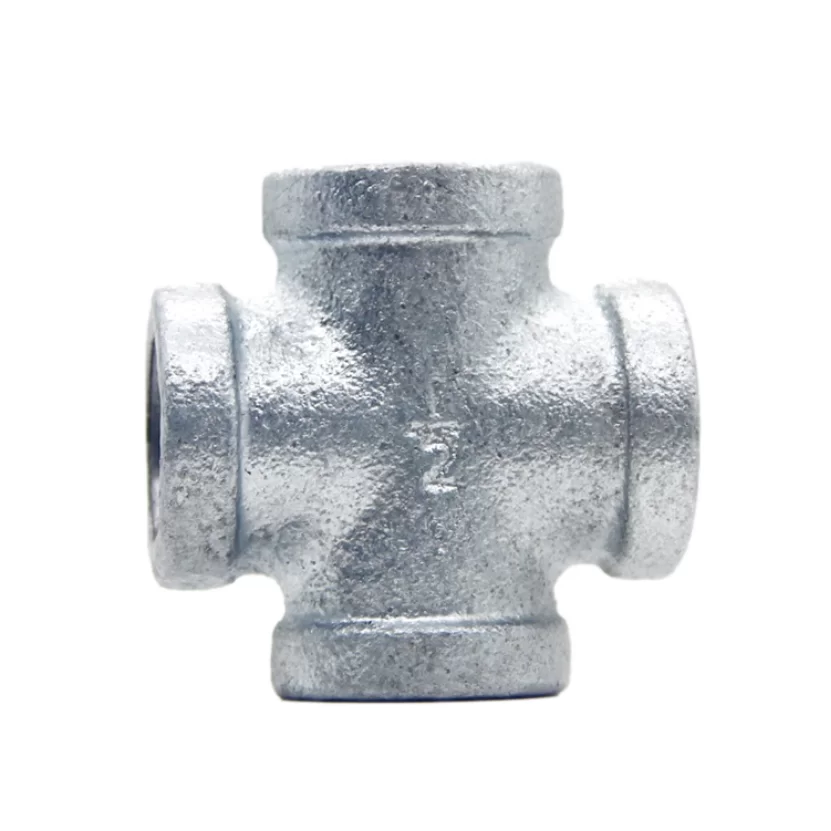
Galvanized pipe fittings are made from carbon steel that has been coated with a layer of zinc through a process called galvanization. This zinc coating acts as a protective barrier against corrosion, preventing rust and extending the lifespan of the piping system. The "1" in 1 galvanized pipe fittings refers to the nominal pipe size - the approximate inside diameter of the pipe. Common types of 1 galvanized pipe fittings include elbows, tees, couplings, nipples, and caps. These fittings are readily available and relatively inexpensive, making them a cost-effective solution for many plumbing needs. The zinc coating provides sacrificial protection, meaning the zinc corrodes before the steel, ensuring the structural integrity of the pipe system.
Key Highlights: Galvanized pipe fittings offer excellent corrosion resistance, durability, and affordability. They are suitable for a wide range of applications, from potable water systems to industrial piping.
A variety of 1 galvanized pipe fittings are available to accommodate different piping configurations. Here’s a breakdown of some of the most common types:
1 Galvanized pipe fittings are used in a wide array of applications, including:
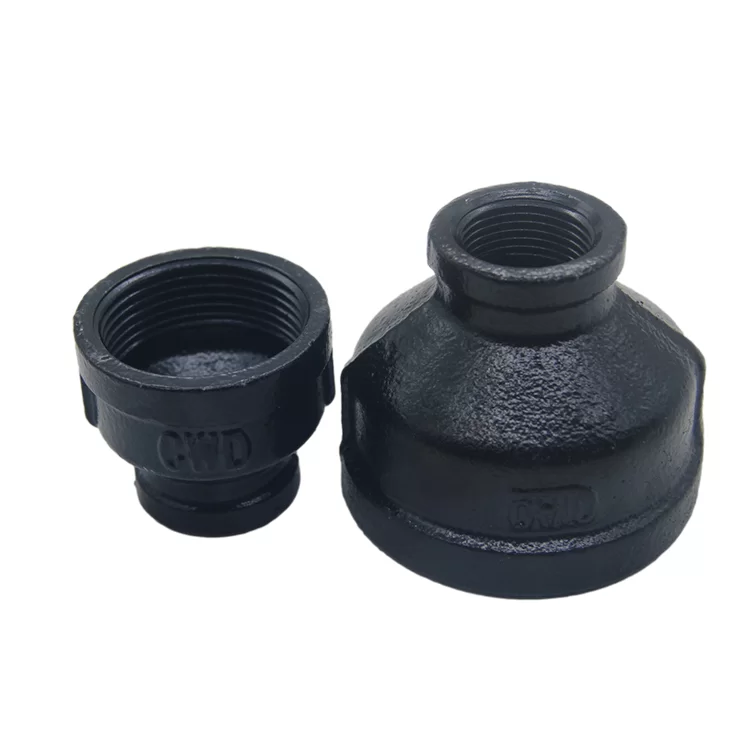
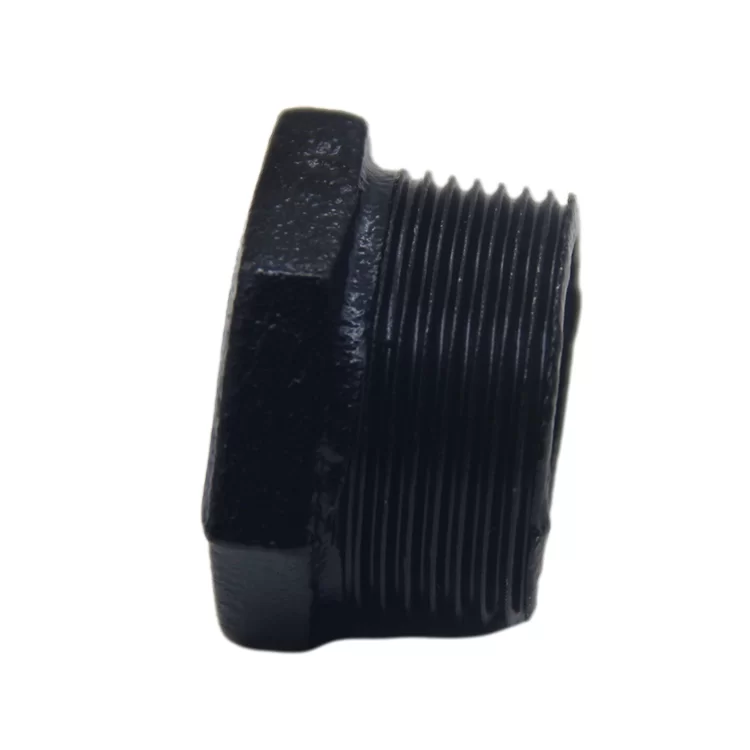
Choosing between galvanized and black pipe fittings depends on the application. Galvanized pipe offers superior corrosion resistance, making it ideal for water and outdoor applications. Black pipe, however, is more commonly used for gas lines and industrial applications where corrosion isn't a major concern.
When selecting 1 galvanized pipe fittings, consider the following factors:
1 Galvanized pipe fittings remain a dependable choice for a wide range of plumbing and industrial applications. Their corrosion resistance, durability, and affordability make them a valuable asset in any piping system. By understanding the different types, applications, and selection criteria, you can ensure a safe and efficient installation. Explore our comprehensive selection of high-quality galvanized pipe fittings at Jinmai Casting today!
The lifespan of galvanized pipe fittings can vary depending on environmental factors, water quality, and usage. Generally, a well-maintained galvanized piping system can last 40-50 years or even longer. However, in areas with highly acidic or alkaline water, corrosion may occur more rapidly, reducing the lifespan. Regular inspections and maintenance, such as addressing any leaks or corrosion spots, can help extend the lifespan of the system. Consider the water chemistry in your area and implement appropriate water treatment measures if necessary.
Generally, yes. Galvanized pipe fittings have been used safely for decades in potable water systems. However, some concerns have been raised regarding the potential for lead leaching from the zinc coating and potential flaking of the coating, which can affect water quality. Modern galvanized pipes typically have lower lead content. Additionally, a protective layer of mineral scale can form inside the pipes over time, mitigating corrosion and minimizing the release of zinc or lead into the water. It's recommended to flush the system thoroughly after installation and periodically to remove any debris.
Proper connection of galvanized pipe fittings typically involves using pipe thread sealant (pipe dope) or Teflon tape to create a watertight seal. Ensure the threads on both the fitting and the pipe are clean and free of debris. Apply the sealant or tape in the direction of the threads, wrapping it around several times. Tighten the fitting securely with a pipe wrench, but avoid over-tightening, as this can damage the threads. It's always a good practice to pressure test the system after installation to check for leaks.