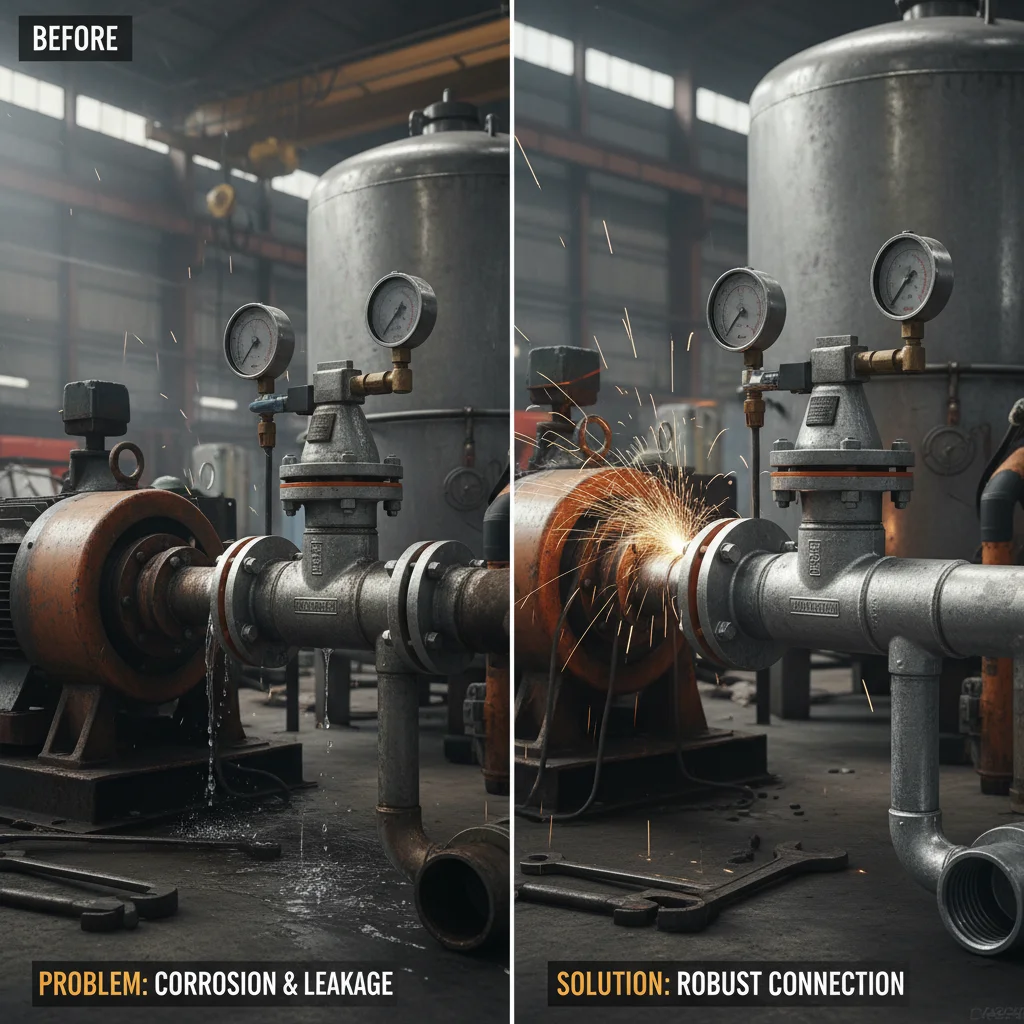
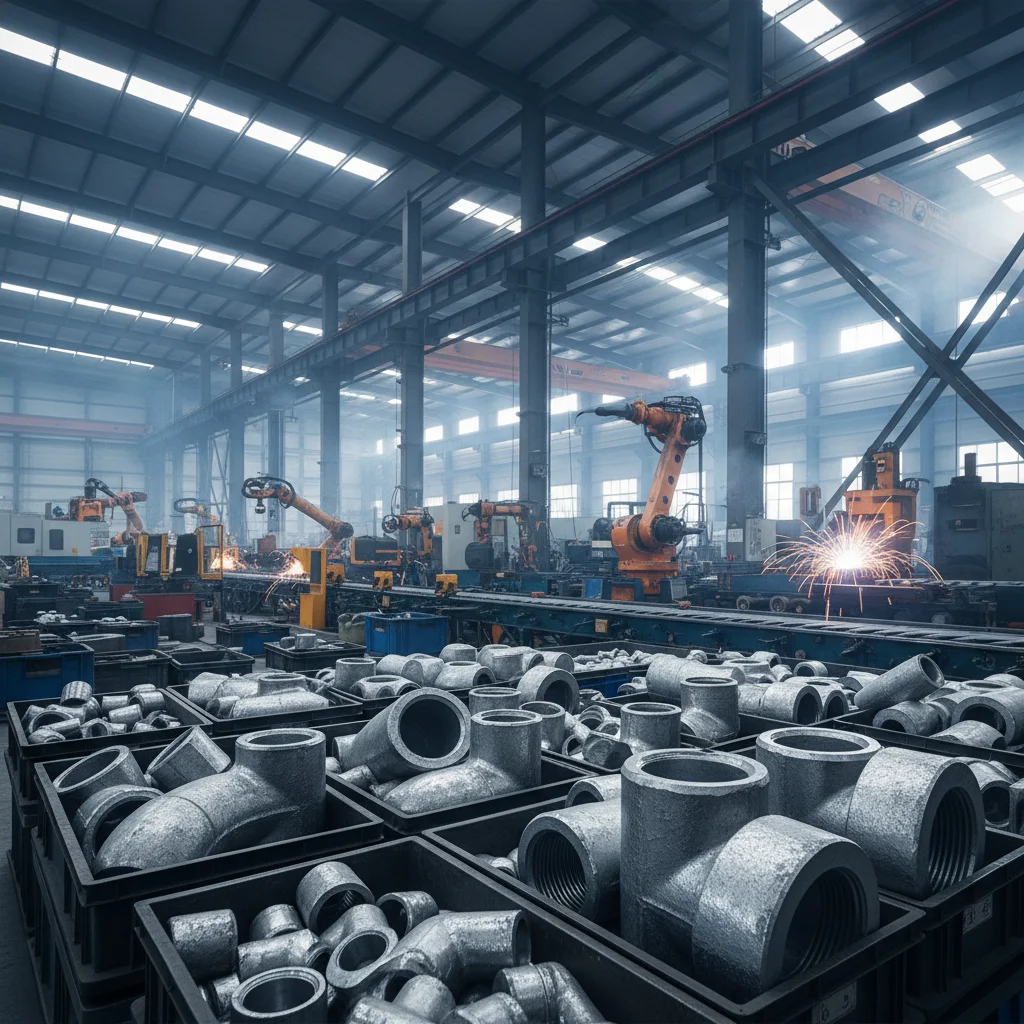
2 galvanized pipe fittings are critical components in numerous industries, from plumbing and irrigation to construction and infrastructure projects. Their robust construction and corrosion resistance make them a reliable choice for fluid and gas transport systems. Understanding their specifications, applications, and benefits is essential for engineers, contractors, and procurement professionals alike.
Globally, demand for galvanized pipe fittings continues to rise, driven by urbanization, industrialization, and the need for durable infrastructure. The market is influenced by factors like raw material costs, regulatory standards, and technological advancements in manufacturing processes. Selecting the correct 2 galvanized pipe fittings for a specific application can significantly impact project longevity and cost-effectiveness.
This comprehensive guide delves into the world of 2 galvanized pipe fittings, providing a detailed overview of their characteristics, applications, advantages, and future trends. We will explore how these fittings contribute to safe, efficient, and sustainable infrastructure development.
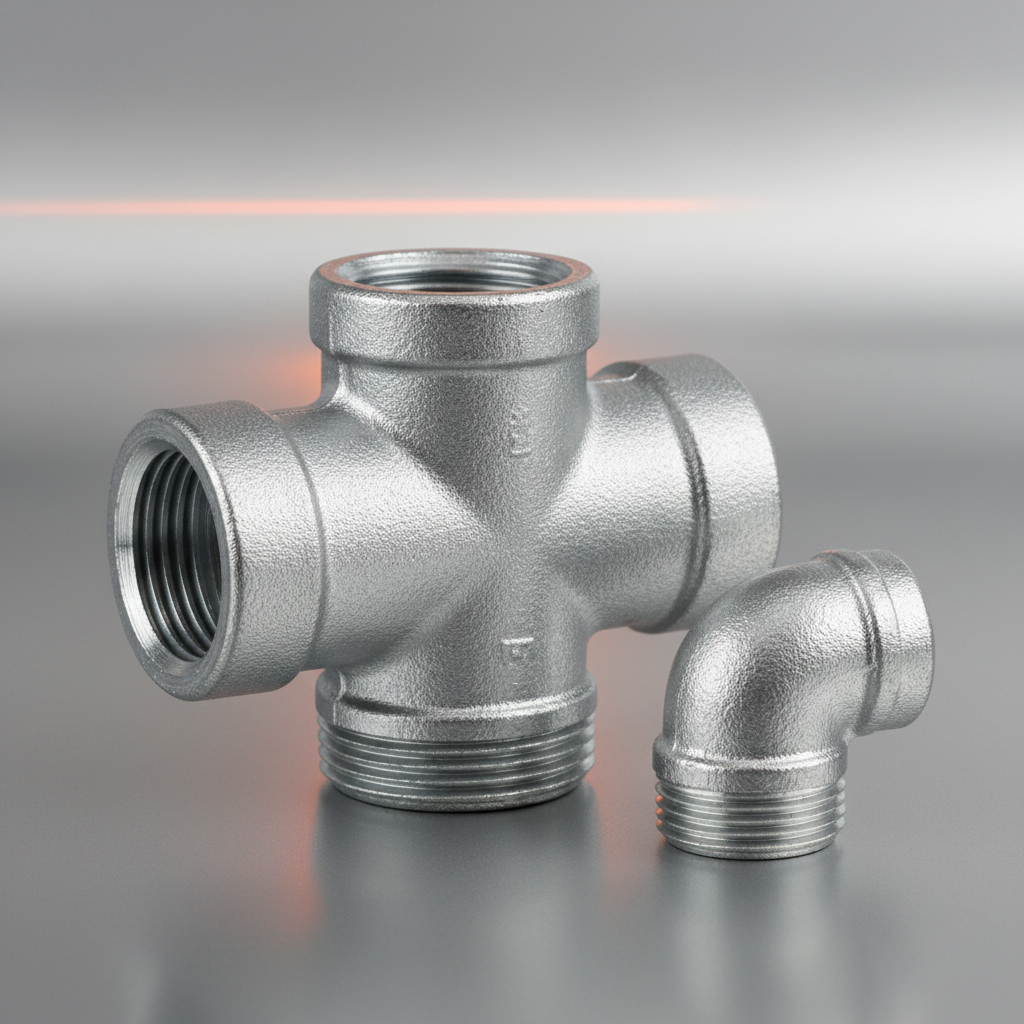
The Importance of 2 Galvanized Pipe Fittings
2 galvanized pipe fittings play a vital role in ensuring the safe and reliable transfer of fluids and gases. Their widespread use stems from their inherent resistance to corrosion, a crucial factor in extending the lifespan of piping systems. Choosing the right 2 galvanized pipe fittings – whether they be elbows, tees, or couplings – is paramount for system integrity.
The zinc coating applied to these fittings provides cathodic protection, preventing rust and degradation even in harsh environments. This makes them particularly well-suited for outdoor applications and industries dealing with corrosive substances. Properly selected 2 galvanized pipe fittings minimize maintenance costs and reduce the risk of costly leaks or failures.
Global Context and Industry Relevance
The demand for 2 galvanized pipe fittings is deeply intertwined with global infrastructure development and industrial growth. Developing nations undergoing rapid urbanization require robust piping systems for water distribution, sanitation, and industrial processing. According to the World Bank, investments in infrastructure are critical for sustainable economic development, and galvanized steel pipe fittings represent a significant portion of these investments.
The construction sector, a major driver of demand, is experiencing steady growth worldwide. The United Nations projects a continued increase in the global population, further amplifying the need for expanded infrastructure. This translates into a consistent and growing market for 2 galvanized pipe fittings and related products.
Industries such as oil and gas, chemical processing, and agriculture also heavily rely on these fittings due to their durability and resistance to harsh conditions. Adherence to international standards, such as those set by ISO, ensures quality and compatibility across different regions.
Defining 2 Galvanized Pipe Fittings
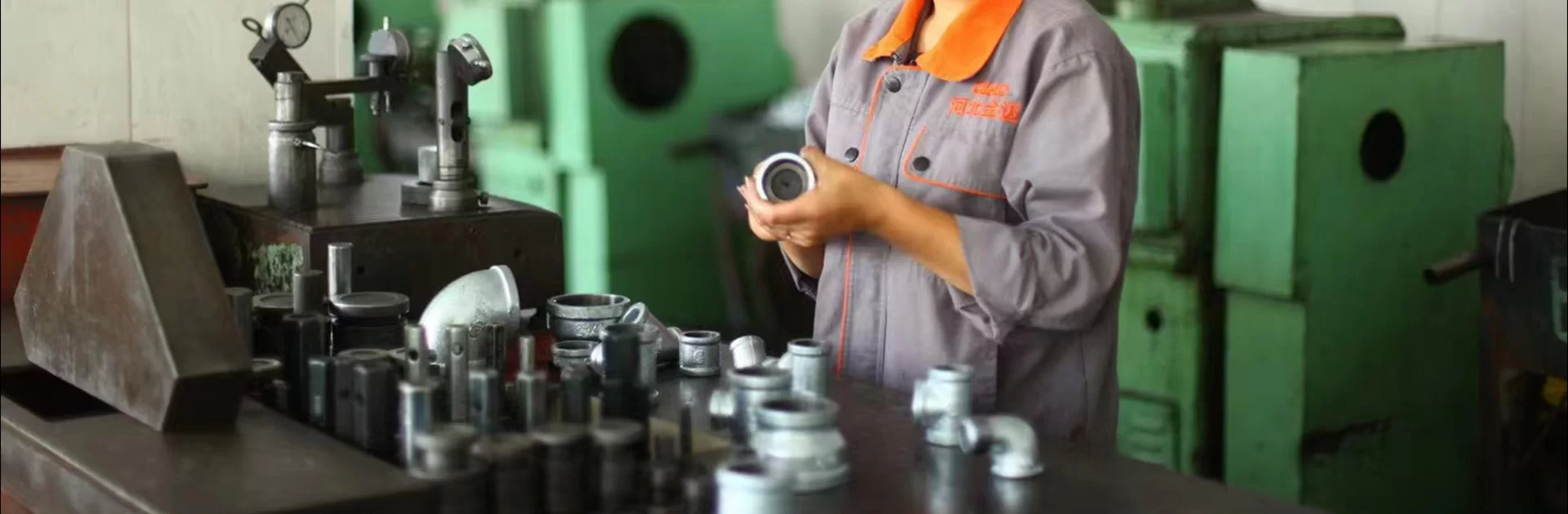
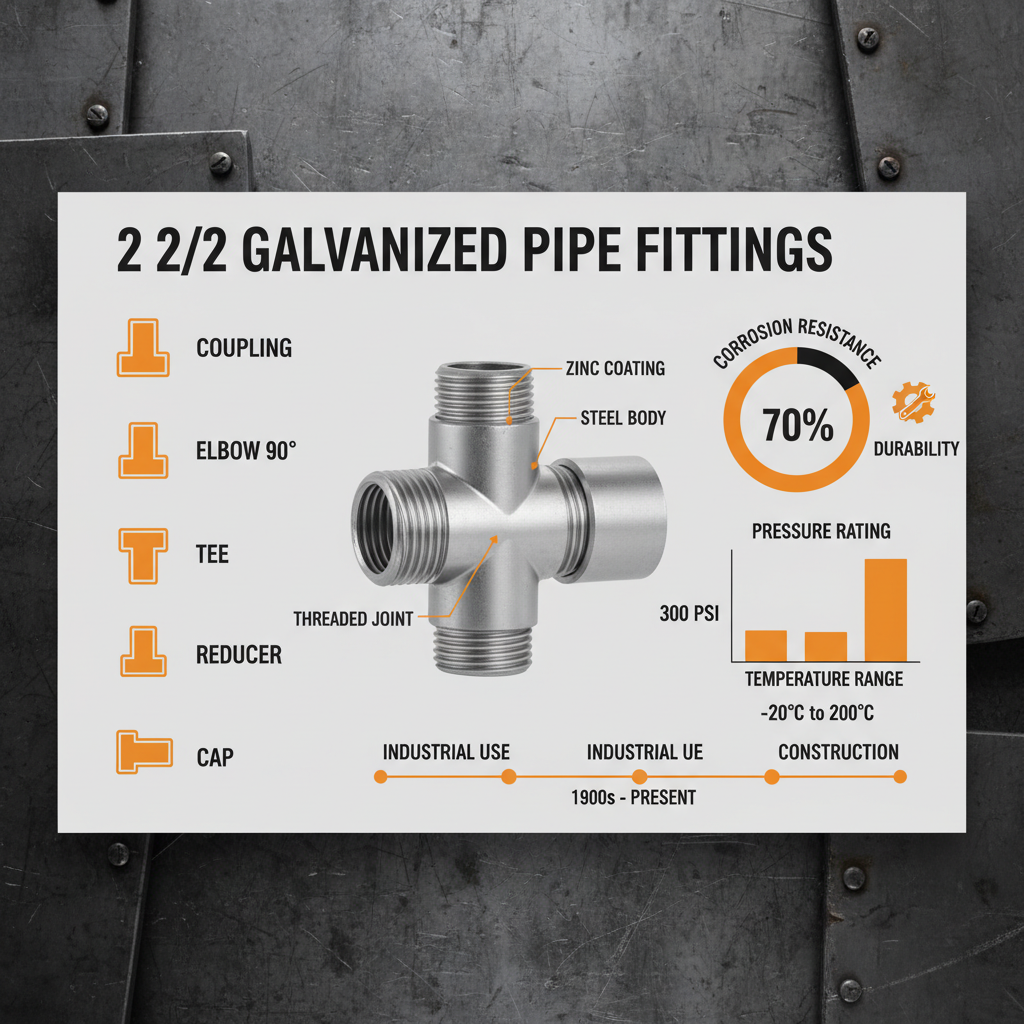
2 galvanized pipe fittings are pipe connectors made of steel that have been coated with a layer of zinc through a process called galvanization. This zinc coating acts as a protective barrier, shielding the underlying steel from corrosion and rust. They are available in various shapes and sizes, including elbows, tees, couplings, nipples, and reducers, each designed for specific connection needs.
These fittings are integral to modern plumbing and piping systems, ensuring the safe and efficient transport of water, gas, and other fluids. Unlike some alternative materials, 2 galvanized pipe fittings offer a balance of strength, durability, and cost-effectiveness. Their compatibility with threaded pipe ensures a secure and leak-proof connection.
The galvanization process contributes directly to humanitarian needs by enabling the construction of reliable water supply systems in both developed and developing countries. Access to clean water is a fundamental human right, and 2 galvanized pipe fittings are a key component in achieving that goal.
Key Factors Driving Performance
The performance of 2 galvanized pipe fittings is influenced by several key factors. First, the thickness of the zinc coating directly impacts corrosion resistance; a thicker coating provides greater protection. Second, the quality of the steel used in the fitting's construction determines its overall strength and durability.
Third, manufacturing precision is essential for ensuring tight and leak-proof connections. Properly threaded fittings minimize the risk of failure. Finally, environmental conditions – such as exposure to salt water or acidic environments – can accelerate corrosion and reduce the lifespan of the fittings.
2 Galvanized Pipe Fitting Performance Metrics
Real-World Applications
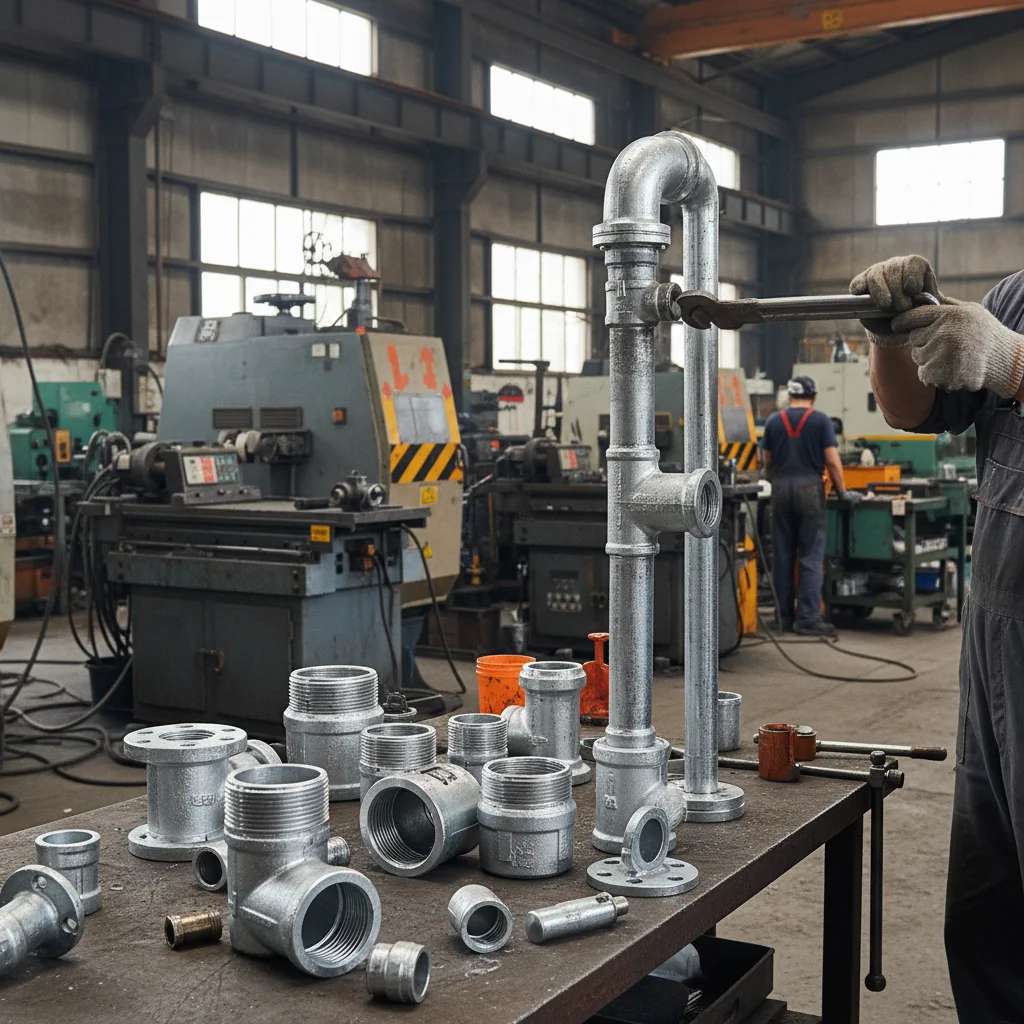
2 galvanized pipe fittings are used extensively in residential plumbing systems, providing a durable and reliable solution for water distribution. In agricultural settings, they are vital for irrigation systems, delivering water to crops efficiently. Furthermore, they are commonly found in industrial facilities for conveying various fluids and gases, including compressed air and steam.
In post-disaster relief operations, portable water purification systems often utilize 2 galvanized pipe fittings for quick and effective water distribution to affected communities. Construction projects, both large-scale and small, rely on these fittings for building water and gas lines.
Remote industrial zones, where access to alternative materials may be limited, frequently rely on the readily available and cost-effective nature of 2 galvanized pipe fittings.
Long-Term Advantages and Value Proposition
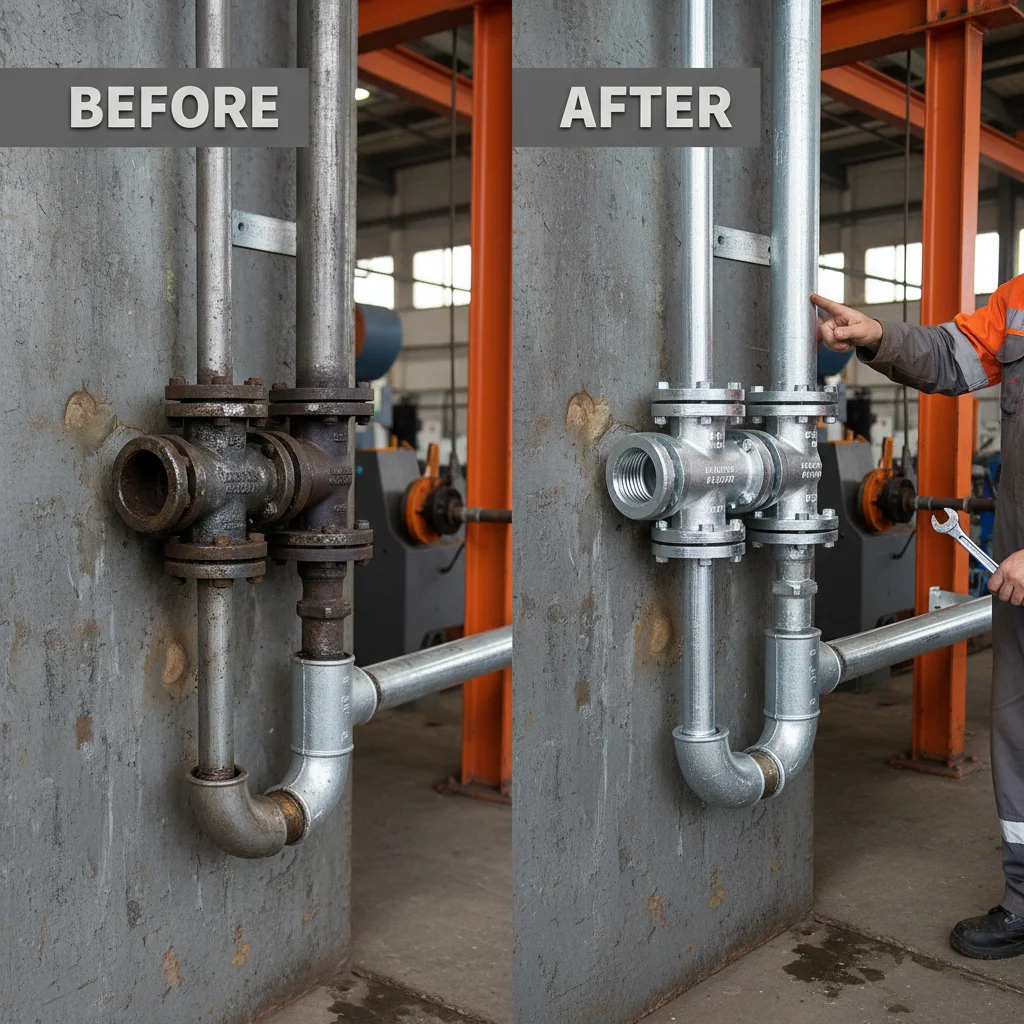
The primary advantage of using 2 galvanized pipe fittings is their long-term cost-effectiveness. While the initial cost may be slightly higher than some alternatives, their superior durability and corrosion resistance translate into reduced maintenance and replacement expenses over the lifespan of the system. This contributes to a lower total cost of ownership.
From a sustainability perspective, the longevity of galvanized steel piping minimizes waste and reduces the need for frequent material replacements. This aligns with the growing emphasis on environmentally responsible construction practices. The inherent strength and reliability of 2 galvanized pipe fittings also enhance safety by minimizing the risk of leaks and system failures.
Future Trends and Innovations
Ongoing research focuses on improving the galvanization process to enhance corrosion resistance even further. Nanotechnology is being explored to create more effective protective coatings. Furthermore, the integration of digital technologies, such as smart sensors, is enabling real-time monitoring of pipe system health, allowing for proactive maintenance and preventing costly failures.
The development of more sustainable zinc sourcing methods is also gaining momentum, addressing environmental concerns associated with mining and processing. Automation in manufacturing is increasing production efficiency and reducing costs.
These advancements are poised to shape the future of 2 galvanized pipe fittings, making them even more durable, reliable, and environmentally friendly.
Summary of Key Challenges and Potential Solutions Related to 2 Galvanized Pipe Fittings
| Challenge |
Impact Area |
Severity (1-10) |
Potential Solution |
| Corrosion in Highly Saline Environments |
Lifespan & Reliability |
8 |
Employing thicker zinc coatings & specialized alloy formulations |
| Thread Damage During Installation |
Leakage & System Integrity |
6 |
Utilizing thread sealant and proper installation techniques |
| Variations in Manufacturing Quality |
Consistency & Performance |
7 |
Implementing rigorous quality control measures & certifications |
| Zinc Coating Uniformity |
Corrosion Resistance |
5 |
Optimizing the galvanization process using advanced technologies |
| Cost Fluctuations of Zinc |
Material Costs |
4 |
Exploring alternative coating materials & supply chain diversification |
| Compatibility with Dissimilar Metals |
Galvanic Corrosion |
6 |
Using dielectric unions and appropriate material selection |
FAQS
The lifespan of 2 galvanized pipe fittings can vary significantly depending on the environment, but generally ranges from 40 to 70 years. Factors like exposure to salt water, acidic conditions, and the quality of the initial galvanization process play a crucial role. Regular inspection and maintenance can help extend their service life.
Yes, 2 galvanized pipe fittings are generally considered safe for drinking water systems when properly installed and maintained. However, some older systems may exhibit a slight zinc taste in the water initially, which typically diminishes over time. NSF/ANSI certification ensures compliance with drinking water standards.
To prevent corrosion, ensure proper installation techniques are followed, avoiding direct contact between galvanized steel and dissimilar metals. Regularly inspect fittings for signs of rust or damage, and apply a protective coating if necessary. Avoid exposure to highly acidic or alkaline substances.
Threaded connections are the most common method for joining 2 galvanized pipe fittings. Use a pipe thread sealant or Teflon tape to ensure a leak-proof seal. Avoid excessive tightening, which can damage the threads. For larger diameter pipes, welding may be an option, but requires specialized expertise.
Yes, 2 galvanized pipe fittings can be used for gas lines, but it's crucial to adhere to local plumbing codes and regulations. Specifically designed gas-rated fittings should be used, and installation must be performed by a qualified professional. Regular inspections are essential to ensure gas line safety.
Alternatives to 2 galvanized pipe fittings include copper, CPVC, PEX, and stainless steel. Each material has its own advantages and disadvantages in terms of cost, durability, corrosion resistance, and ease of installation. The best choice depends on the specific application and budget.
Conclusion
In summary, 2 galvanized pipe fittings remain a crucial component in numerous industries, offering a robust, durable, and cost-effective solution for fluid and gas transport. Their inherent corrosion resistance, combined with ongoing advancements in manufacturing and coating technologies, ensures their continued relevance in modern infrastructure development. Understanding their properties, applications, and limitations is vital for making informed decisions and achieving long-term performance.
Looking ahead, we anticipate further innovation in this field, with a focus on sustainability, smart monitoring, and enhanced corrosion protection. We encourage you to explore our comprehensive range of 2 galvanized pipe fittings at 2 galvanized pipe fittings to find the perfect solution for your specific needs.