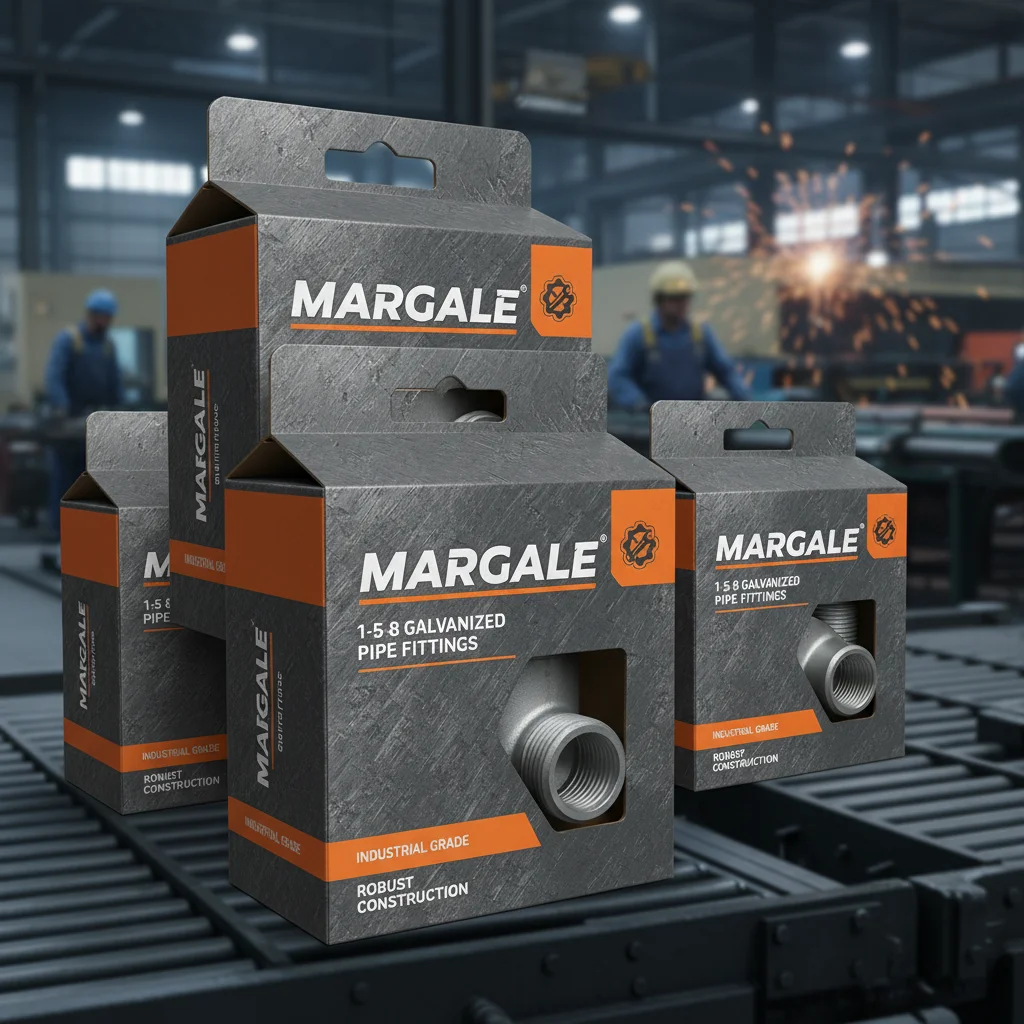
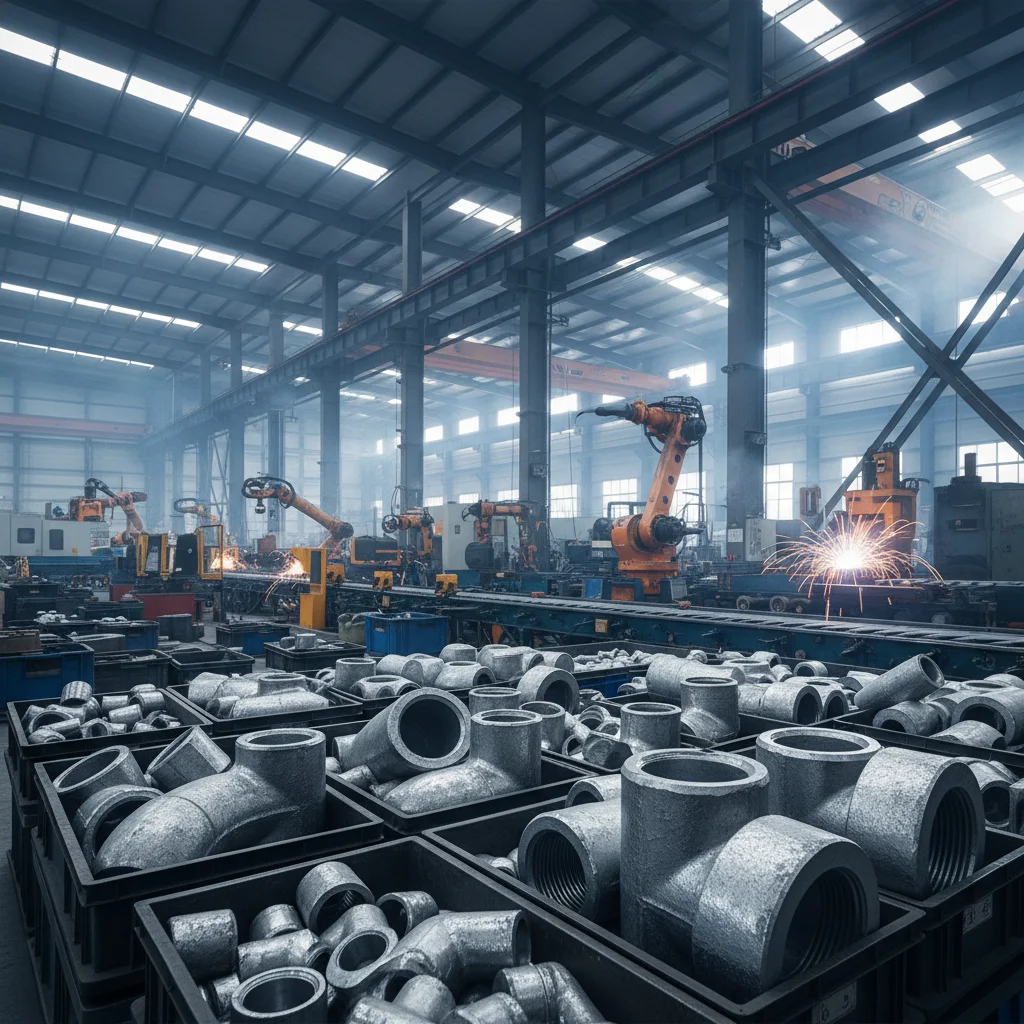
In the complex world of industrial piping and structural assembly, the selection of high-quality connectors is paramount for ensuring long-term structural integrity. Among these, 3 way galvanized pipe fittings serve as critical junctions, allowing for seamless transitions and reinforced stability in a variety of fluid transport and framework applications. By combining the strength of iron with the corrosion resistance of a zinc coating, these components solve the perennial problem of rust and degradation in harsh environments.
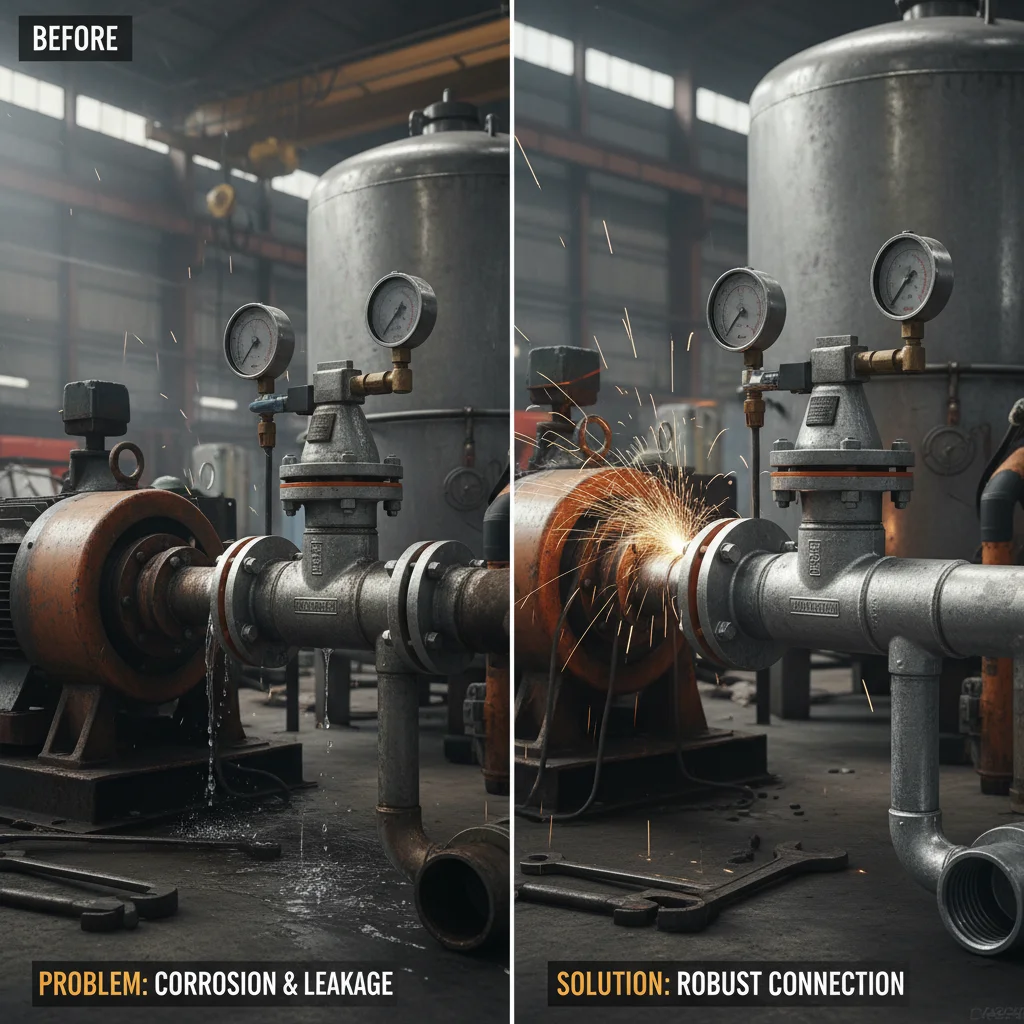
The global demand for reliable piping infrastructure has surged as urbanization and industrialization expand into more corrosive coastal and humid climates. Standard steel fittings often succumb to oxidation, leading to costly leaks and structural failures that can jeopardize safety. The implementation of 3 way galvanized pipe fittings provides a robust shield against these environmental stressors, ensuring that conduits for water, gas, and air remain airtight and durable for decades.
Understanding the technical nuances of these fittings—from the hot-dip galvanization process to the precision of the three-way junction—is essential for engineers and procurement officers alike. Whether used in heavy-duty manufacturing plants or intricate greenhouse frameworks, these fittings represent a balance of cost-efficiency and high-performance engineering. This guide explores why these components are indispensable in modern metallurgy and how they contribute to safer, more sustainable industrial ecosystems.
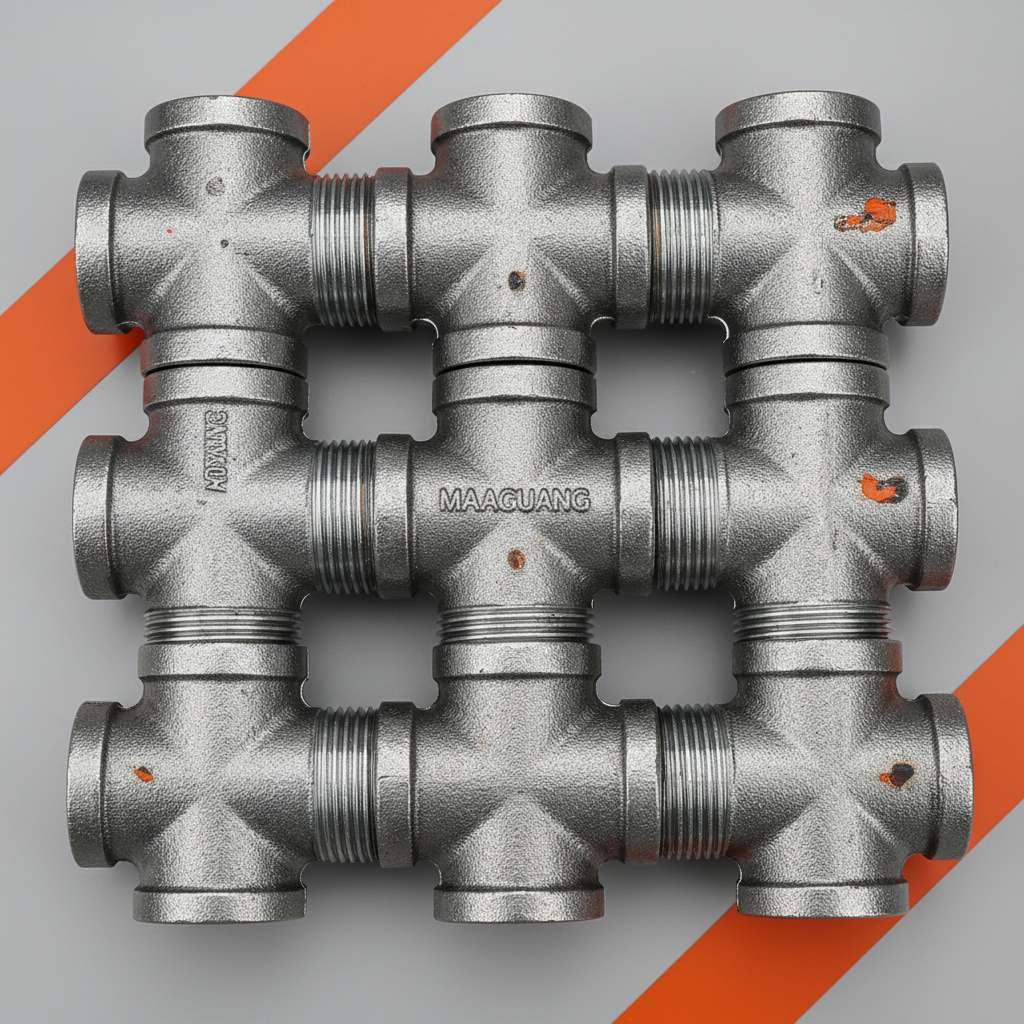
Global Relevance of 3 Way Galvanized Pipe Fittings
From an industrial perspective, the relevance of 3 way galvanized pipe fittings extends far beyond simple plumbing. In accordance with ISO standards for corrosion protection, the galvanization process creates a metallurgical bond that is vastly superior to surface painting. This is critical in global infrastructure projects where maintenance access is limited, such as in deep-sea oil platforms or remote mining sites in the Andes.
As developing nations modernize their water and sanitation systems, the reliance on malleable iron and galvanized steel increases. These 3-way connectors allow for the complex routing of pipes in densely packed urban environments, reducing the need for excessive custom welding and speeding up the deployment of essential utilities.
Defining the Technical Role of 3 Way Junctions
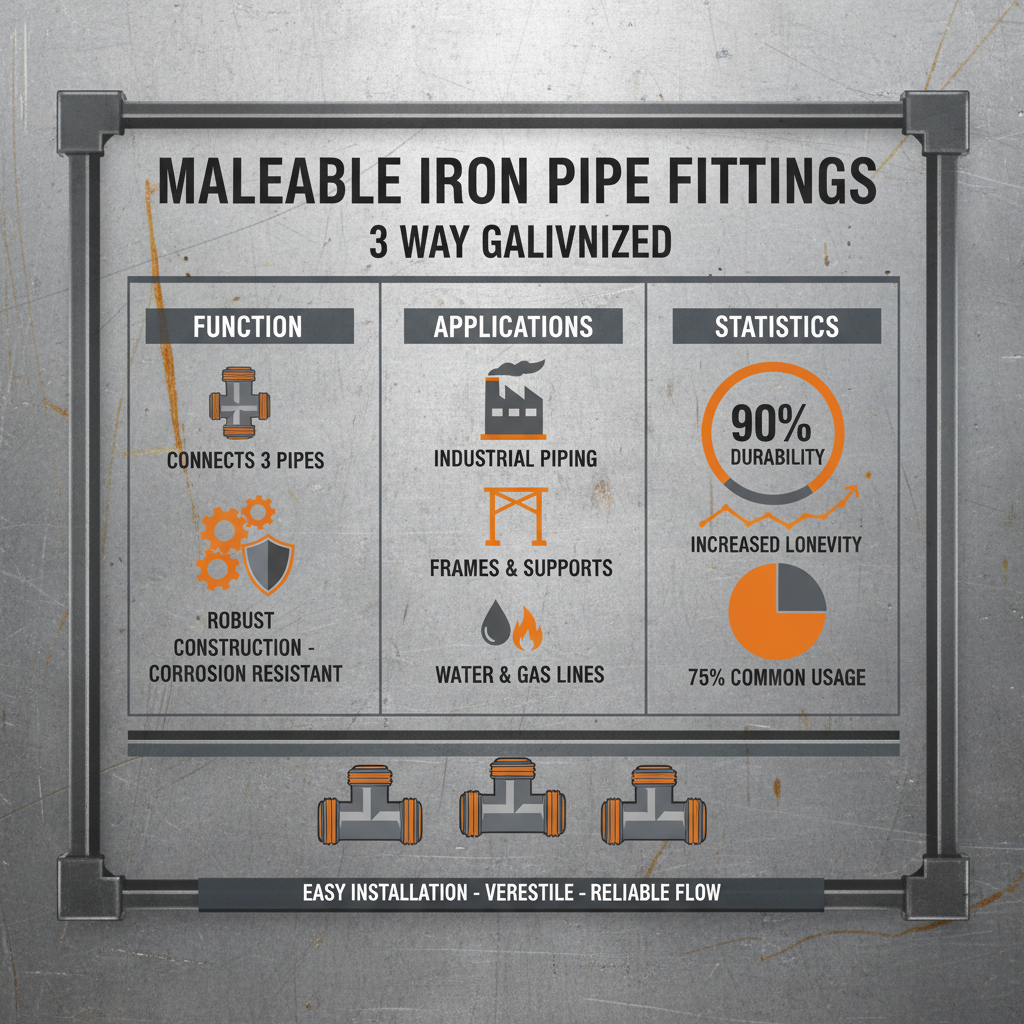
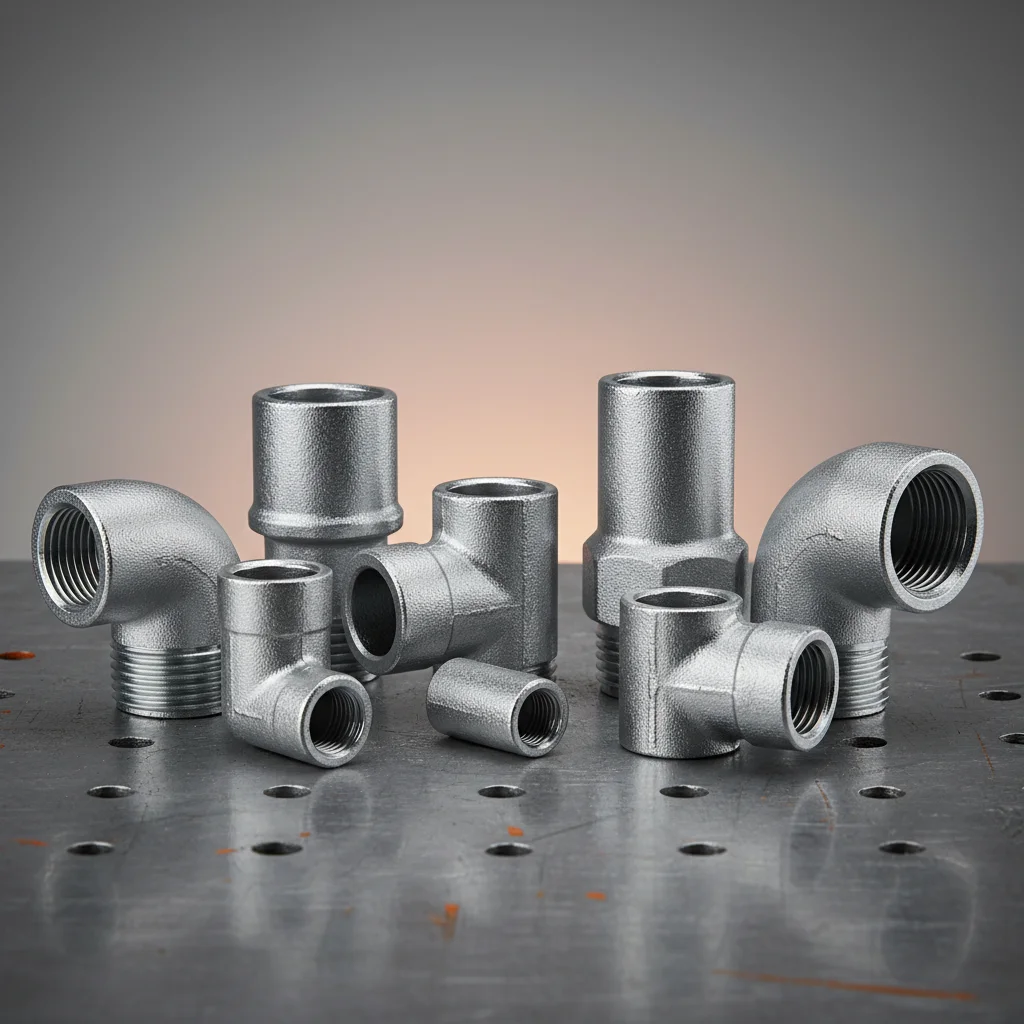
A 3 way galvanized pipe fitting is a specialized connector designed to join three separate lengths of pipe, typically at 90-degree angles. Unlike simple couplings, the three-way configuration allows for the creation of corners, T-junctions, or structural frames. These are primarily manufactured from ductile iron or carbon steel and then coated with a layer of zinc to prevent the underlying metal from reacting with oxygen and moisture.
In the context of modern industry, these fittings are not just conduits for fluids; they are the skeletal joints of modular architecture. From building temporary industrial scaffolding to constructing permanent safety railings in chemical plants, the precision of the threading and the thickness of the galvanized layer determine the overall lifespan of the structure.
Furthermore, the "3-way" aspect is crucial for distribution systems. Whether it is splitting a water line into two separate directions or creating a reinforced cube frame for equipment housing, these fittings provide the geometric versatility required to optimize space and material usage in high-pressure environments.
Core Factors Driving Fitting Durability
The primary driver of performance for 3 way galvanized pipe fittings is the quality of the zinc coating. Hot-dip galvanization ensures that the zinc penetrates the surface of the iron, creating a sacrificial anode that protects the base metal even if the surface is scratched during installation.
Material purity and casting precision also play a pivotal role. High-grade malleable iron is used to ensure that the fittings can withstand significant mechanical stress and pressure without cracking, while precision threading ensures a leak-proof seal that minimizes the need for excessive chemical sealants.
Finally, scalability and compatibility are key. These fittings are designed to adhere to global NPT or BSP standards, allowing them to be integrated into existing piping networks worldwide. This standardization ensures that replacements can be sourced and installed rapidly, minimizing downtime in critical industrial processes.
Practical Applications Across Global Industries
The application of 3 way galvanized pipe fittings is diverse, spanning from agricultural irrigation in Southeast Asia to heavy industrial frameworks in North America. In agricultural settings, they are used to build sturdy, rust-proof greenhouse supports and hydroponic racks that must withstand constant humidity and nutrient-rich water exposure.
In the energy sector, specifically within oil and gas refineries, these fittings are used for safety handrails and cable trays. Their ability to resist saltwater spray and chemical fumes makes them a safer choice than untreated steel, reducing the risk of structural collapse and ensuring the safety of personnel working in hazardous zones.
Comparative Performance of 3 Way Galvanized Pipe Fittings
Long-Term Value and Economic Advantages
Investing in high-quality 3 way galvanized pipe fittings offers a significant return on investment by drastically reducing the frequency of replacement cycles. While the initial cost may be higher than that of black iron pipe fittings, the elimination of frequent painting and anti-corrosion treatments results in a lower total cost of ownership over a 20-year period.
Beyond the financial metrics, there is a profound value in reliability. In critical infrastructure, the failure of a single joint can lead to catastrophic system shutdowns. The trust that engineers place in galvanized fittings stems from their predictable wear patterns and high load-bearing capacity, providing peace of mind and ensuring operational continuity in high-stakes industrial environments.
Future Trends in Galvanized Coating Technology
The future of 3 way galvanized pipe fittings is being shaped by the drive toward "Green Metallurgy." New zinc-aluminum-magnesium (ZAM) alloys are being introduced into the galvanization process, offering even higher corrosion resistance than traditional pure zinc coatings, particularly in highly polluted urban air or saline environments.
Digital transformation is also hitting the casting floor. The use of AI-driven quality control and automated laser inspection ensures that every fitting has a perfectly uniform coating thickness. This reduces material waste and ensures that there are no "thin spots" where corrosion could begin, further extending the product's lifecycle.
Sustainability policies are also pushing manufacturers toward closed-loop zinc recovery systems. By recycling the zinc dross and utilizing renewable energy in the smelting process, the production of these fittings is becoming more eco-friendly, aligning with global ESG (Environmental, Social, and Governance) goals.
Overcoming Common Installation Challenges
One of the most common challenges when working with 3 way galvanized pipe fittings is the risk of coating damage during the threading process. If a fitting is over-tightened or if poor-quality tools are used, the zinc layer can be stripped away, leaving the raw iron exposed to moisture and creating a point of vulnerability.
To combat this, expert installers recommend using cold-galvanizing sprays to "touch up" any scratches or sheared threads immediately after assembly. This restores the sacrificial protection of the zinc and prevents localized oxidation from spreading across the joint.
Another challenge involves the interaction between galvanized steel and other metals, which can lead to galvanic corrosion. The solution lies in the strategic use of dielectric unions or non-conductive gaskets to isolate the galvanized fittings from dissimilar metals, ensuring that the chemical integrity of the system remains intact.
Technical Analysis of 3 Way Galvanized Pipe Fittings Performance
|
Fitting Material
|
Corrosion Resistance (1-10)
|
Installation Ease
|
Estimated Lifespan
|
| Hot-Dip Malleable Iron |
10 |
High |
30+ Years |
| Electro-Galvanized Steel |
6 |
Very High |
10-15 Years |
| Black Steel (Untreated) |
2 |
High |
5-8 Years |
| Cast Iron (Standard) |
5 |
Medium |
15-20 Years |
| ZAM Alloy Coated |
11 |
High |
40+ Years |
| Epoxy-Zinc Hybrid |
9 |
Medium |
25 Years |
FAQS
Hot-dip galvanizing involves submerging the fitting in molten zinc, creating a thick, durable layer that is chemically bonded to the steel. Electro-galvanizing uses an electrical current to apply a much thinner layer of zinc. For outdoor or industrial use, hot-dip 3 way galvanized pipe fittings are far superior due to their thickness and ability to resist harsh environments for decades.
Yes, they can be used, but it is important to ensure the fittings meet local health and safety standards (such as NSF/ANSI). While galvanization prevents rust, some modern systems prefer stainless steel for drinking water to avoid any potential zinc leaching over extremely long periods, though galvanized iron remains a global standard in many regions.
To ensure a leak-proof seal, we recommend using high-quality PTFE thread seal tape or a professional-grade pipe joint compound. Avoid over-tightening with heavy wrenches, as this can distort the threads or crack the malleable iron, particularly in older casting styles. A snug, consistent fit is the key to longevity.
Depending on the schedule and grade of the malleable iron, many 3 way galvanized pipe fittings are rated for high pressure. However, you must always verify the pressure rating (PSI/Bar) stamped on the fitting or provided in the technical datasheet to ensure it matches the requirements of your specific gas system.
Small scratches are often handled by the sacrificial nature of the surrounding zinc. However, for deep gouges that expose the raw steel, you should apply a cold-galvanizing spray (zinc-rich primer). This restores the protective barrier and prevents "creep" corrosion from undermining the rest of the coating.
Most industrial suppliers provide shipping based on global standards. Ensure you specify the threading standard (NPT for US, BSP for Europe/Asia) and the required zinc coating thickness. Working with a manufacturer like Jinmai Casting allows for customized bulk orders that meet specific ISO or ASTM certifications for international customs compliance.
Conclusion
In summary, 3 way galvanized pipe fittings are an essential intersection of material science and practical engineering. By providing a corrosion-resistant, high-strength solution for complex piping junctions, they reduce maintenance costs, enhance structural safety, and offer unparalleled versatility across agricultural, energy, and urban infrastructure sectors. Their ability to withstand extreme environments makes them a logical choice for any project prioritizing long-term stability over short-term savings.
Looking forward, the evolution of alloy coatings and automated precision casting will only further enhance the reliability of these components. For engineers and project managers, the focus should remain on sourcing fittings that adhere to strict galvanization standards to ensure maximum lifecycle value. To explore our full range of high-performance piping solutions, visit our website: www.jinmaicasting.com.