Get a Quote

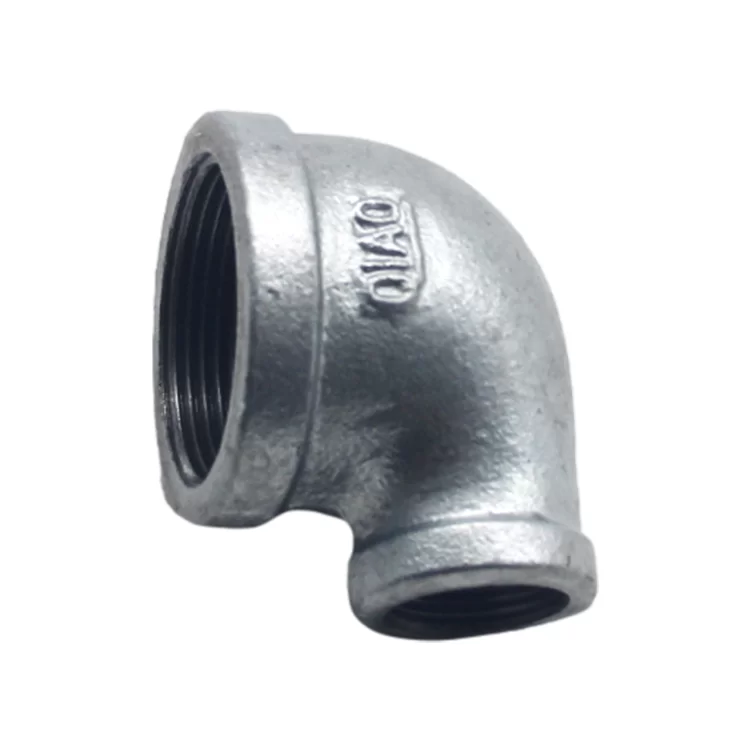
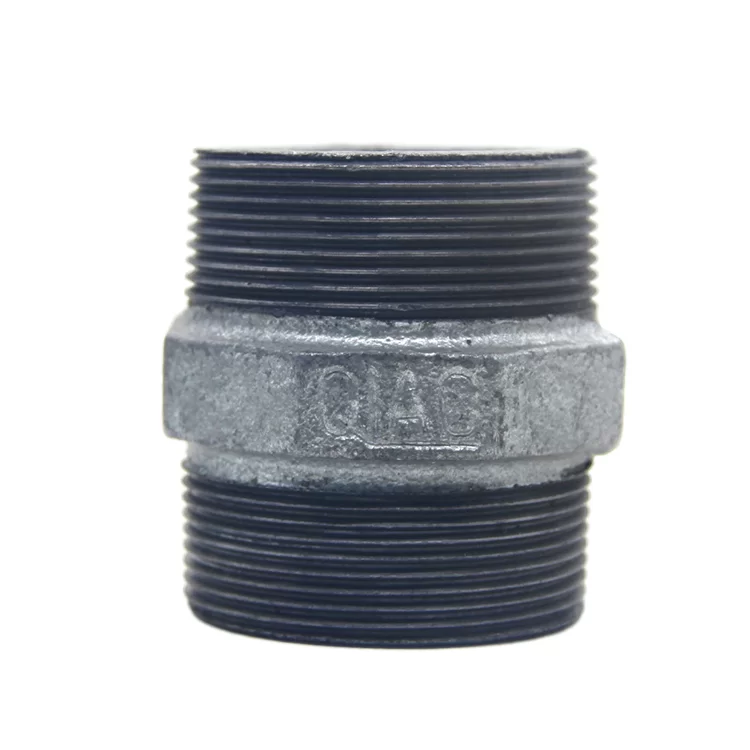
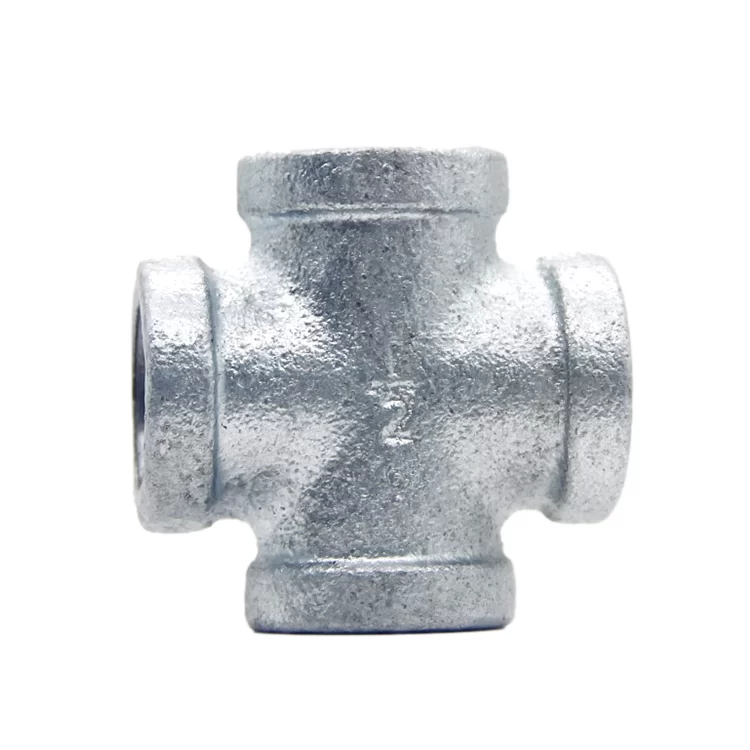
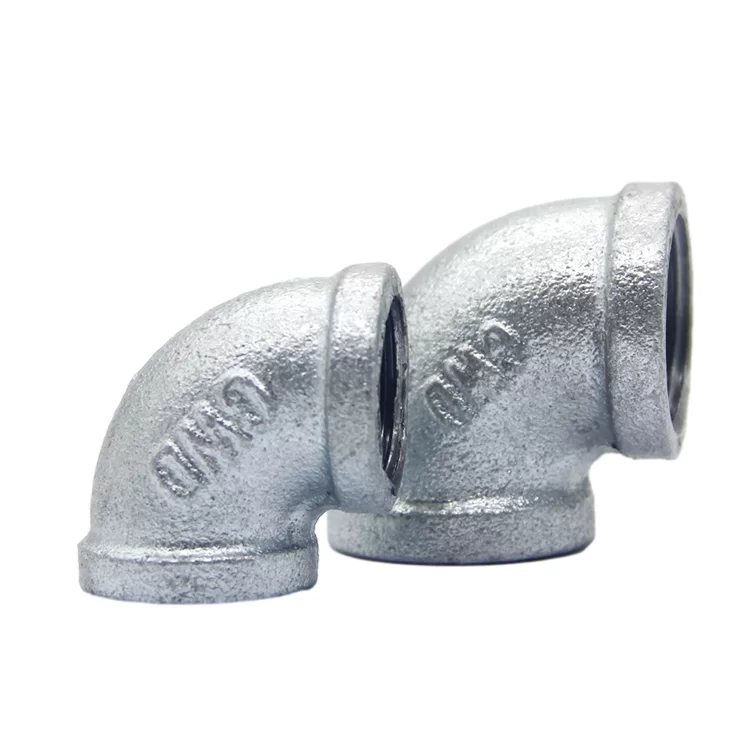
In the world of industrial infrastructure, the stability and longevity of piping systems depend heavily on the quality of their support components. galvanized pipe clamp fittings serve as the critical backbone for securing pipes against walls, ceilings, and floors, preventing vibration and structural failure. By combining the strength of steel with a protective zinc coating, these fittings offer an unparalleled balance of durability and corrosion resistance. Whether you are managing a large-scale construction project or maintaining a facility, understanding the nuances of these components is essential for ensuring operational safety and reducing long-term maintenance costs.

The primary advantage of utilizing galvanized pipe clamp fittings lies in the galvanization process. This involves coating the base metal with a layer of zinc, which acts as a sacrificial anode, protecting the underlying steel from oxidation. In humid environments or areas exposed to chemicals, untreated steel would rust rapidly, leading to clamp failure and potential pipe leaks. Galvanized fittings not only prevent rust but also provide a smooth surface that reduces friction during installation. This makes them the ideal choice for HVAC systems, water distribution networks, and electrical conduits where reliability is non-negotiable.
Key Advantage: The zinc layer provides a physical barrier and electrochemical protection, ensuring that the structural integrity of the piping system remains intact even in harsh atmospheric conditions.
Depending on the application, different styles of galvanized pipe clamp fittings are required. Two-bolt clamps are typically used for heavy-duty industrial pipes that require maximum rigidity, while one-piece wrap-around clamps are preferred for quicker installations in lighter applications. U-clamps and saddle clamps offer targeted support for specific pipe orientations. Choosing the right type ensures that the load is distributed evenly across the pipe surface, avoiding deformation or "pinching," which can restrict flow or cause premature wear. Proper selection is the first step toward a professional and safe installation.
Common Fitting Categories:
• Two-Bolt Clamps: Maximum grip for high-pressure lines.
• Saddle Clamps: Ideal for surface mounting on flat walls.
• U-Bolts: Versatile fastening for beams and frames.
• Cushioned Clamps: Used to reduce vibration and noise.
When selecting materials, engineers often debate between galvanized steel and stainless steel. While stainless steel offers superior corrosion resistance in saltwater or highly acidic environments, galvanized pipe clamp fittings provide a more cost-effective solution for the vast majority of industrial and commercial applications. Galvanized steel maintains excellent load-bearing capacity and is significantly more affordable for large-scale deployments. For standard indoor plumbing, warehouse racking, and outdoor sheltered piping, galvanization provides more than enough protection to last for decades.
To maximize the lifespan of your galvanized pipe clamp fittings, precision during installation is key. First, ensure the pipe is clean and free of debris before applying the clamp. Over-tightening is a common mistake; while a secure fit is necessary, excessive torque can damage the zinc coating or distort the pipe. We recommend using a calibrated torque wrench for industrial applications. Additionally, consider the spacing between clamps to prevent pipe sagging, especially for longer horizontal runs. Properly spaced supports reduce mechanical stress and minimize the risk of vibration-induced fatigue.

When sourcing components from Jinmai Casting, it is important to review the technical data to ensure compatibility with your system's load requirements. Most galvanized fittings are manufactured from high-grade carbon steel and hot-dip galvanized according to international standards (such as ASTM or ISO). This ensures a consistent coating thickness across the entire part, including the threads and inner edges. Below is a general specification table for standard industrial fittings:
Choosing high-quality galvanized pipe clamp fittings is a strategic investment in the safety and durability of your piping network. From their superior rust prevention to their mechanical strength, these components eliminate the risk of costly failures and minimize maintenance downtime. By selecting the right type of clamp and adhering to professional installation standards, you ensure a stable, secure, and professional finish for any industrial project. Trust in proven materials to keep your operations running smoothly for years to come.
The lifespan of galvanized fittings varies based on the environment. In dry, indoor settings, they can easily last 30 to 50 years. In outdoor environments with moderate moisture, they typically last between 20 and 30 years. The duration depends heavily on the thickness of the zinc coating and the presence of corrosive agents like salt spray or industrial chemicals. Regular visual inspections are recommended to check for "white rust" or signs of the zinc layer wearing thin, which indicates that the protective coating is doing its job but may eventually need replacement.
Yes, galvanized pipe clamp fittings can be used for PVC pipes, but with a critical caution: PVC is softer than steel. To prevent the metal clamp from crushing or scarring the plastic pipe, it is highly recommended to use clamps with rubber liners or cushions. These liners distribute the pressure more evenly and prevent the metal from digging into the pipe wall, which could otherwise lead to leaks or structural weak points in the PVC system over time.
Hot-dip galvanizing involves submerging the part in molten zinc, creating a thick, durable layer that is highly resistant to corrosion. Electro-galvanizing uses an electrical current to apply a thinner layer of zinc. While electro-galvanized clamps have a shinier, smoother finish and are cheaper, they offer significantly less protection against rust. For industrial applications and outdoor use, hot-dip galvanized pipe clamp fittings are always the superior choice due to their longer service life and robust protective barrier.
Galvanic corrosion occurs when two dissimilar metals (like copper piping and galvanized steel clamps) touch in the presence of moisture. To prevent this, you should use an insulating barrier. Rubber gaskets, plastic spacers, or specialized coated clamps are effective solutions. By breaking the electrical contact between the two different metals, you prevent the electrochemical reaction that accelerates corrosion. This is particularly important in plumbing systems where copper is frequently used alongside steel supports.