
When undertaking plumbing or industrial projects, selecting the correct pipe fittings is crucial for ensuring a secure, durable, and long-lasting connection. 1 1/4 galvanized pipe fittings are a popular choice for various applications due to their corrosion resistance and strength. This article will delve into the specifics of these fittings, covering their uses, materials, advantages, and considerations when making a purchase. Understanding these elements will empower you to make informed decisions for your project's success.
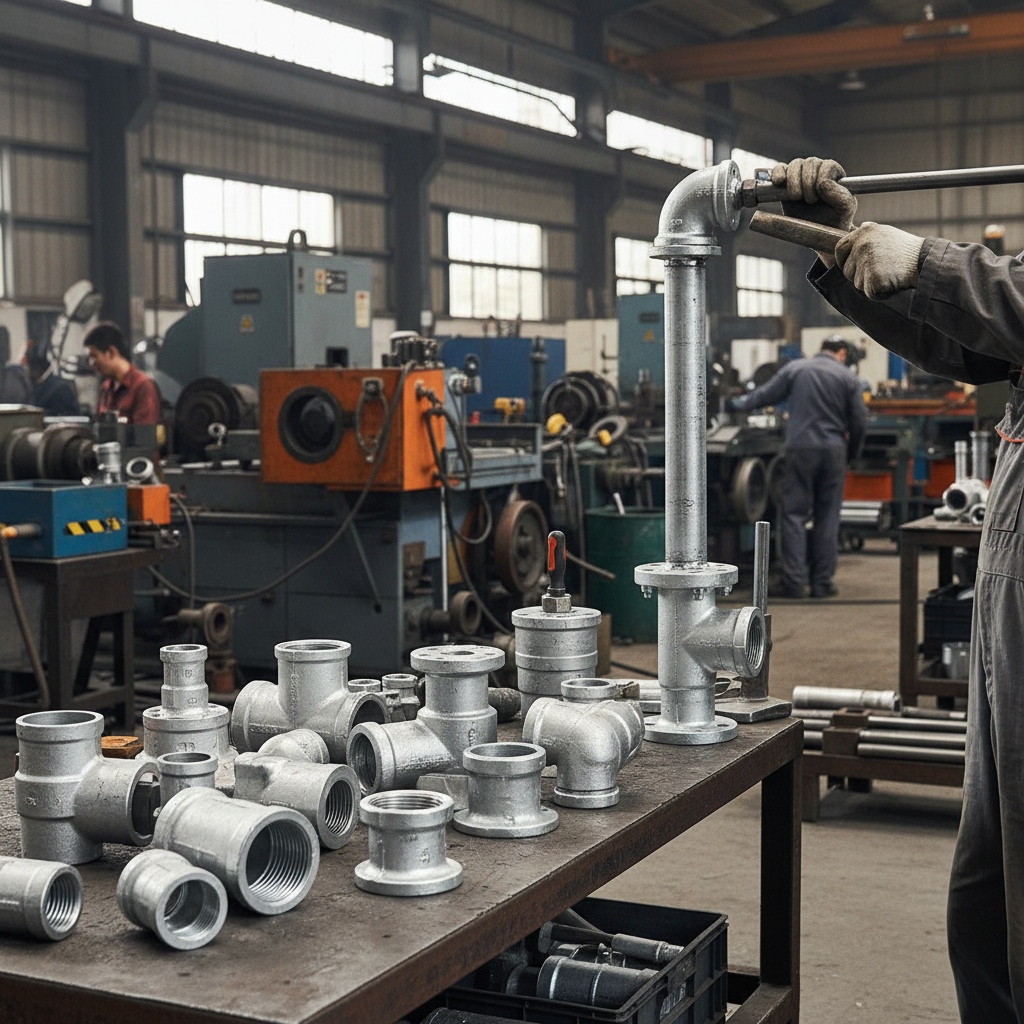
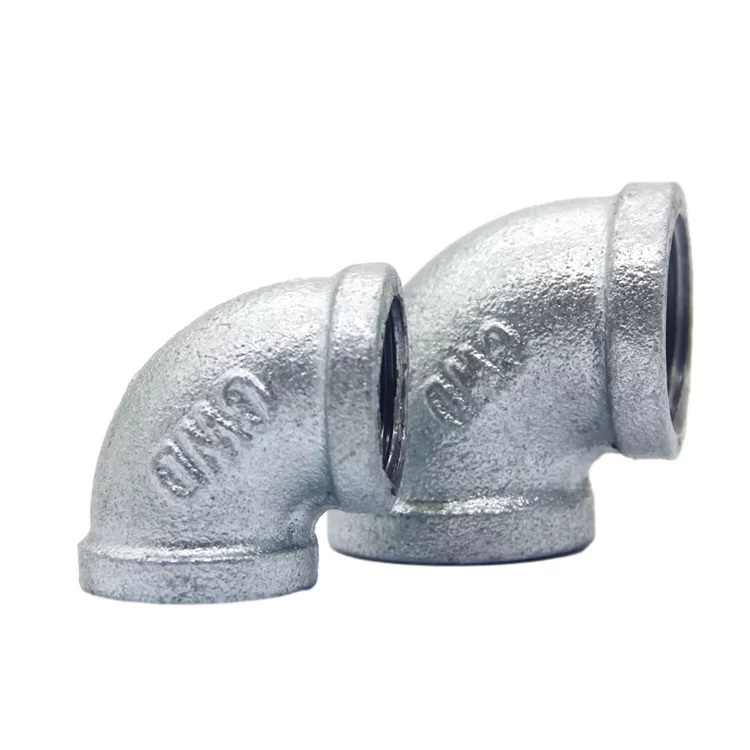
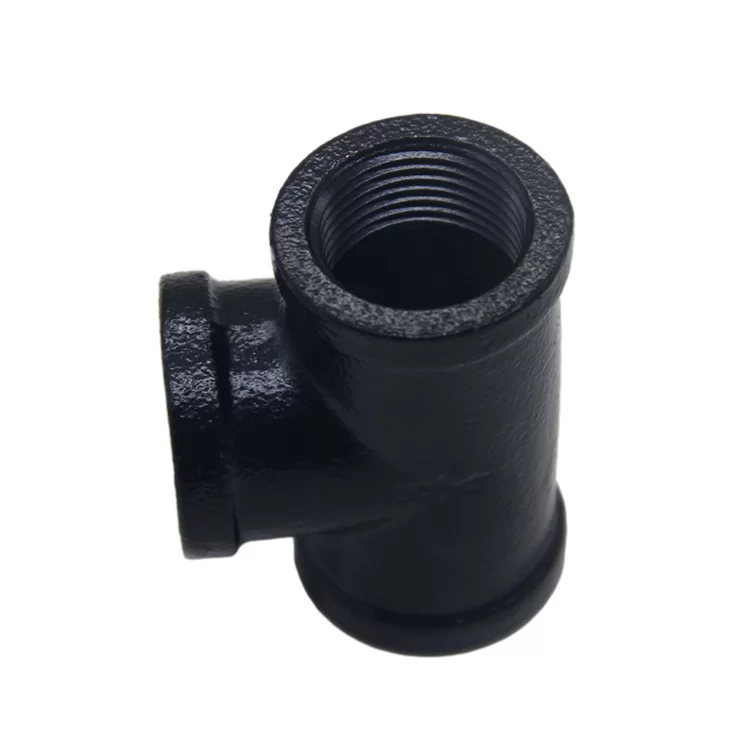
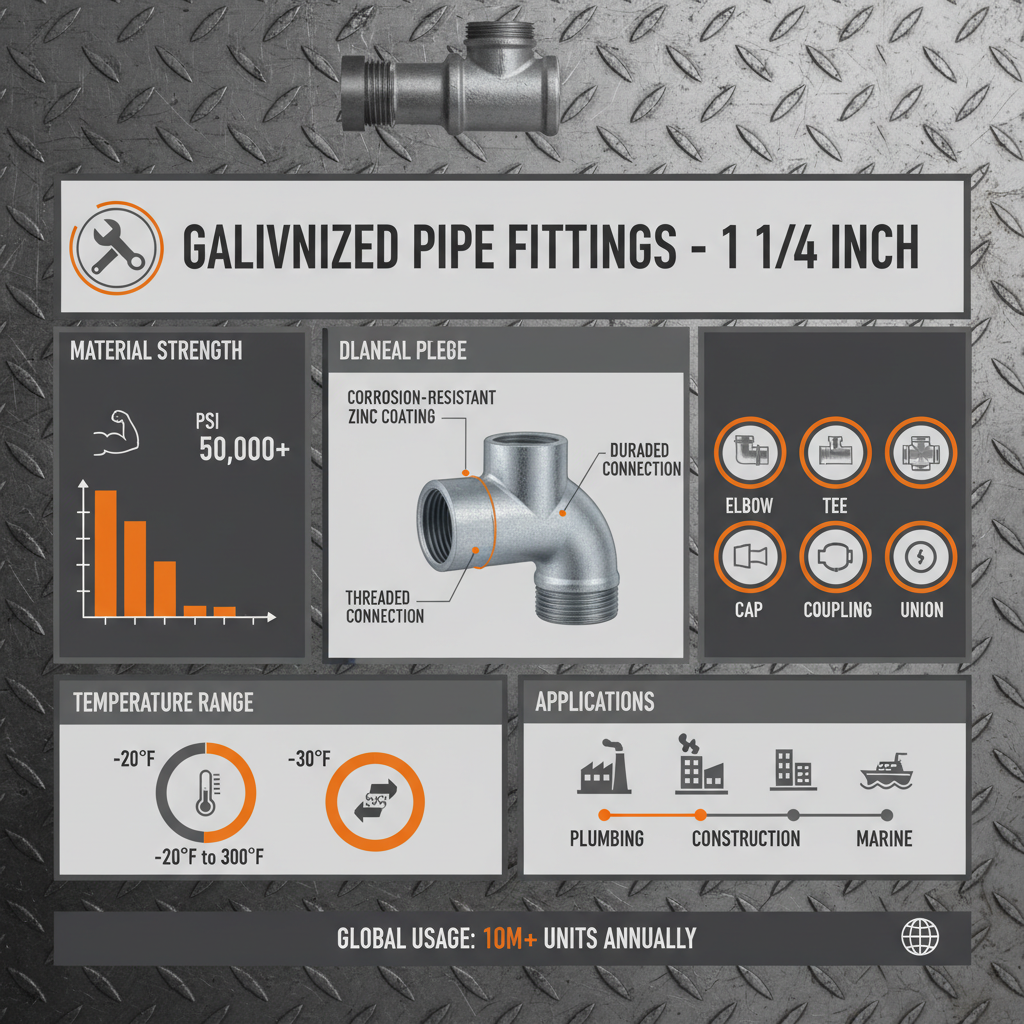
1 1/4 galvanized pipe fittings refer to fittings with a nominal pipe size of 1 1/4 inches. The ‘nominal’ size doesn’t directly correlate to the exact internal or external diameter of the pipe; it’s a standardized designation for sizing. The ‘galvanized’ aspect refers to a protective zinc coating applied to the steel or iron fitting. This coating shields the underlying metal from corrosion, making these fittings ideal for both indoor and outdoor use, particularly in environments exposed to moisture and chemicals. Commonly found fittings in this size include elbows, tees, couplings, and reducers, essential for creating complete plumbing systems. You can find a comprehensive range of these fittings at Jinmai Casting.
Key Highlights: These fittings offer robust corrosion protection, making them suitable for a wide range of applications. Their standardized size ensures compatibility with corresponding pipes and other fittings.
A variety of fittings fall under the 1 1/4 inch galvanized category. Some of the most frequently used include:
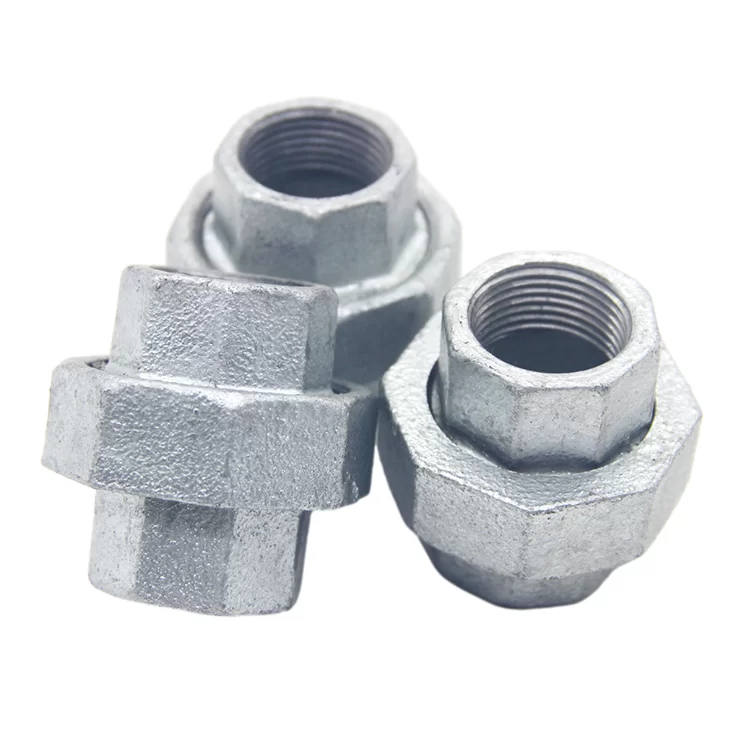
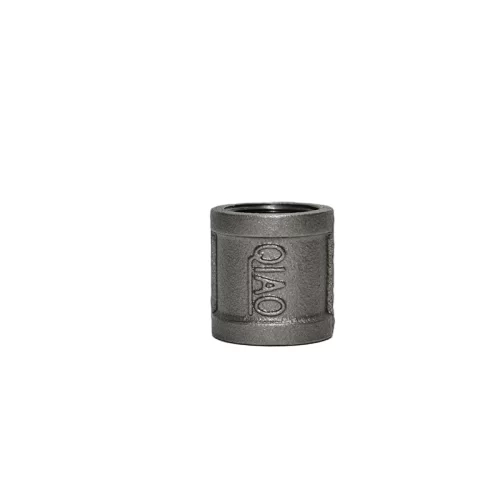
Couplings: Used to connect two pipes of the same size.
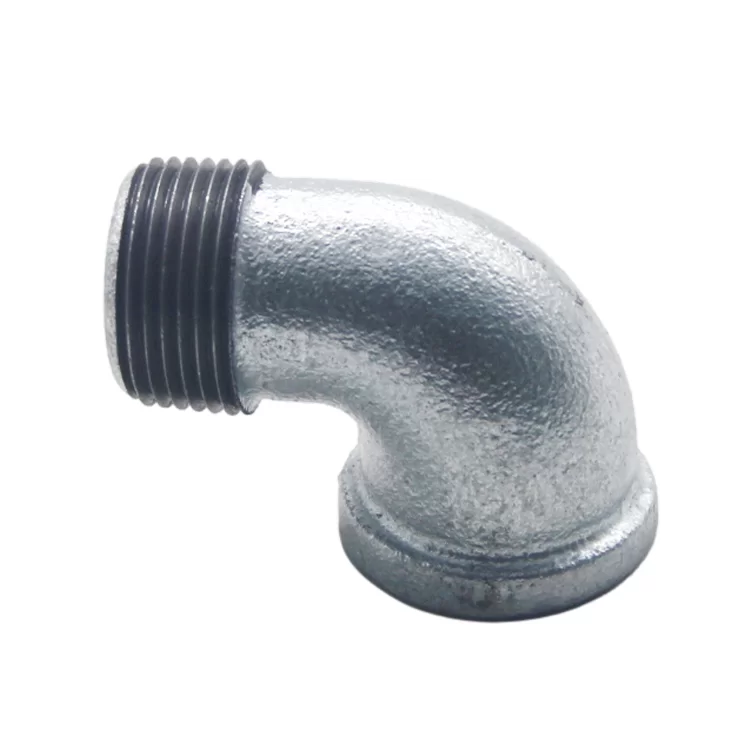
Elbows: Create angles in the piping system (90-degree or 45-degree).
Tees: Allow for a branch connection to be made from the main pipe.
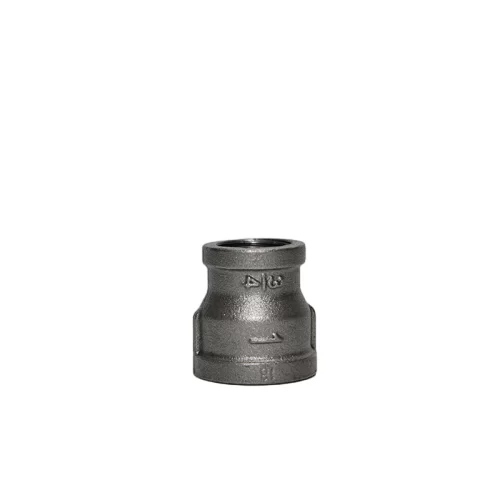
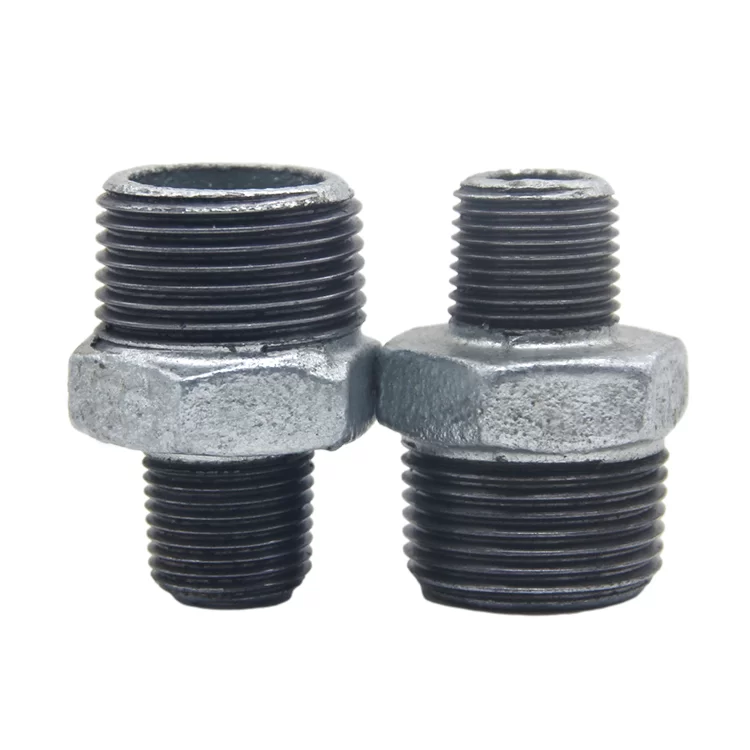
Reducers: Connect pipes of different diameters.
Caps: Used to seal the end of a pipe.
Flanges: Offer a screw-on connection to other equipment.
Choosing the correct fitting type depends entirely on the specific requirements of your piping project.
Fitting Type Overview:
•Couplings: Connect pipes of same size.
•Elbows: Create angles.
•Tees: Branch connections.
•Reducers: Connect different diameter pipes.
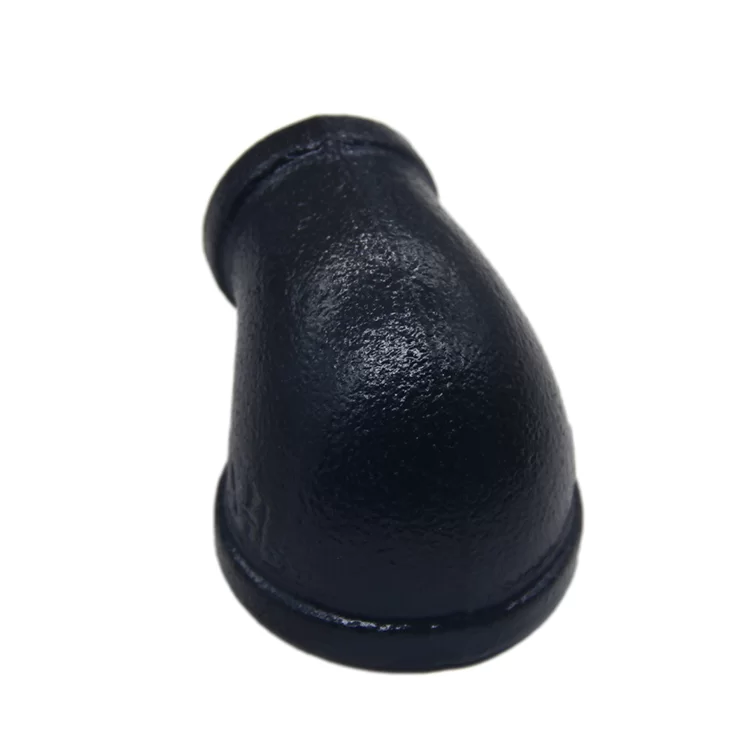
While both galvanized and black pipe fittings are made of steel, the key difference lies in their protective coating. Black pipe fittings, as the name suggests, have a black finish resulting from a chemical process. Galvanized fittings offer superior corrosion resistance, making them suitable for outdoor applications or areas prone to moisture. Black pipe fittings are often preferred for gas lines, as the galvanization process can sometimes interfere with gas flow. Here’s a detailed comparison:
These fittings are incredibly versatile and find application in numerous industries. Common uses include:
Plumbing Systems: For water supply lines and drainage in residential and commercial buildings.
Irrigation Systems: Durable and resistant to corrosion from water and fertilizers.
Gas Lines (with caution): While possible, black pipe is often preferred for gas.
Fire Sprinkler Systems: Reliable and able to withstand high pressure.
Structural Support: Used in some scaffolding and support structures.
At Jinmai Casting, we provide high-quality 1 1/4 galvanized pipe fittings for a variety of these applications.
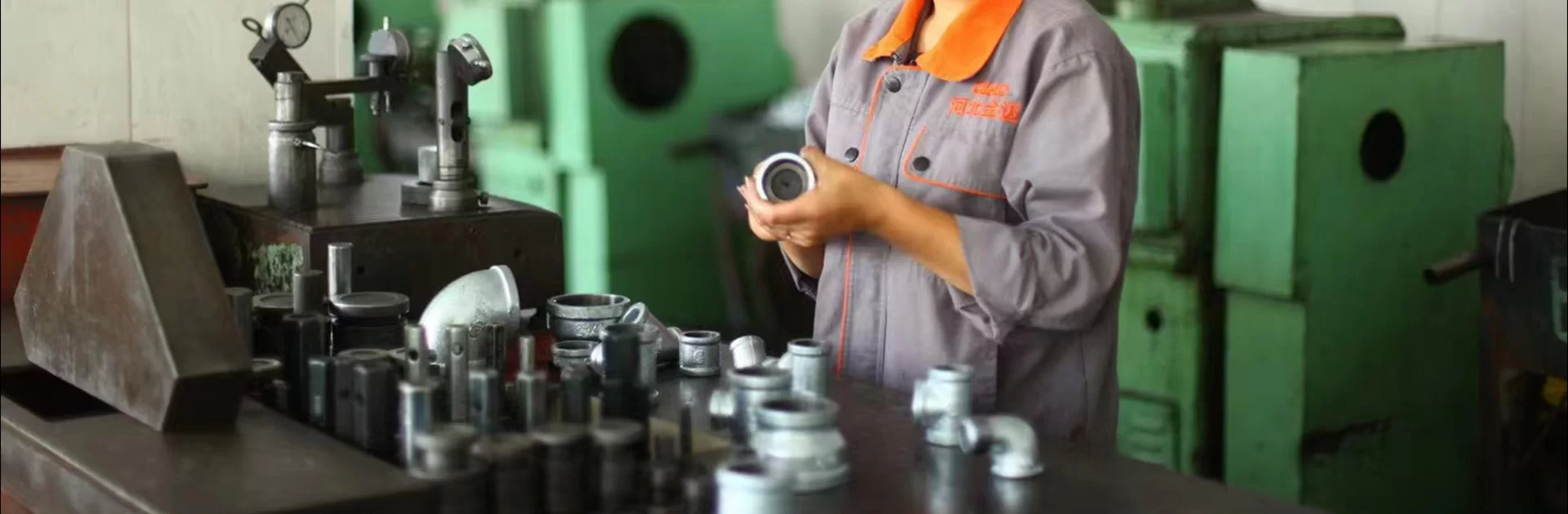
Selecting a reputable supplier is vital when sourcing 1 1/4 galvanized pipe fittings. Jinmai Casting is a leading manufacturer and supplier, committed to delivering high-quality fittings that meet industry standards. We offer a wide range of sizes and types, competitive pricing, and excellent customer service. We prioritize quality control to ensure the durability and reliability of our products.
Choosing the right 1 1/4 galvanized pipe fittings is essential for ensuring the integrity and longevity of your plumbing or industrial project. Understanding the different types, comparing materials, and selecting a trusted supplier like Jinmai Casting will ultimately save you time, money, and potential headaches. Prioritize quality and reliability for a lasting, secure installation.
The lifespan of galvanized pipe fittings can vary based on environmental conditions and the quality of the galvanization. However, with proper installation and maintenance, they can typically last 40-70 years. Factors like exposure to saltwater, acidic soils, and extreme temperatures can accelerate corrosion and shorten their lifespan. Regular inspection for signs of rust or corrosion is recommended. Selecting high-quality fittings from a reputable supplier like Jinmai Casting can significantly extend their service life.
Generally, yes, 1 1/4 galvanized pipe fittings can be used for potable water systems, but it's becoming less common due to potential concerns. Over time, the zinc coating can leach into the water, potentially affecting its taste and appearance. Modern plumbing codes often favor alternative materials like copper or PEX for potable water lines. If using galvanized fittings for potable water, it’s advisable to flush the system thoroughly after installation to remove any loose zinc particles. Always check local plumbing codes to ensure compliance.
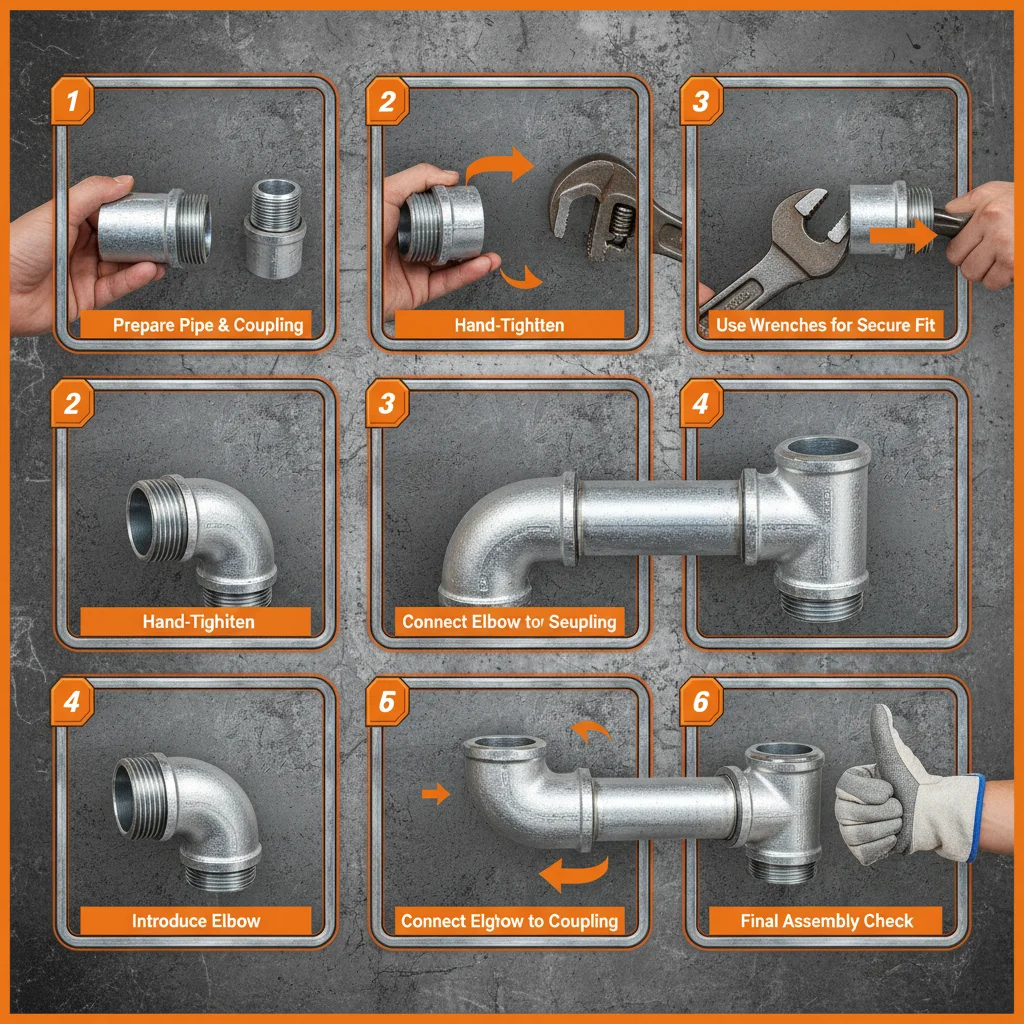
Threading galvanized pipe requires careful technique to avoid damaging the threads. Use a pipe wrench and a die set specifically designed for galvanized pipe. Apply a generous amount of cutting oil to lubricate the cutting process. Turn the die slowly and evenly, backing it off occasionally to clear chips. Avoid excessive force, which can strip the threads. After threading, clean the threads thoroughly with a wire brush and apply pipe thread sealant before assembly. If you're not experienced with threading pipe, it's best to consult a professional plumber.