

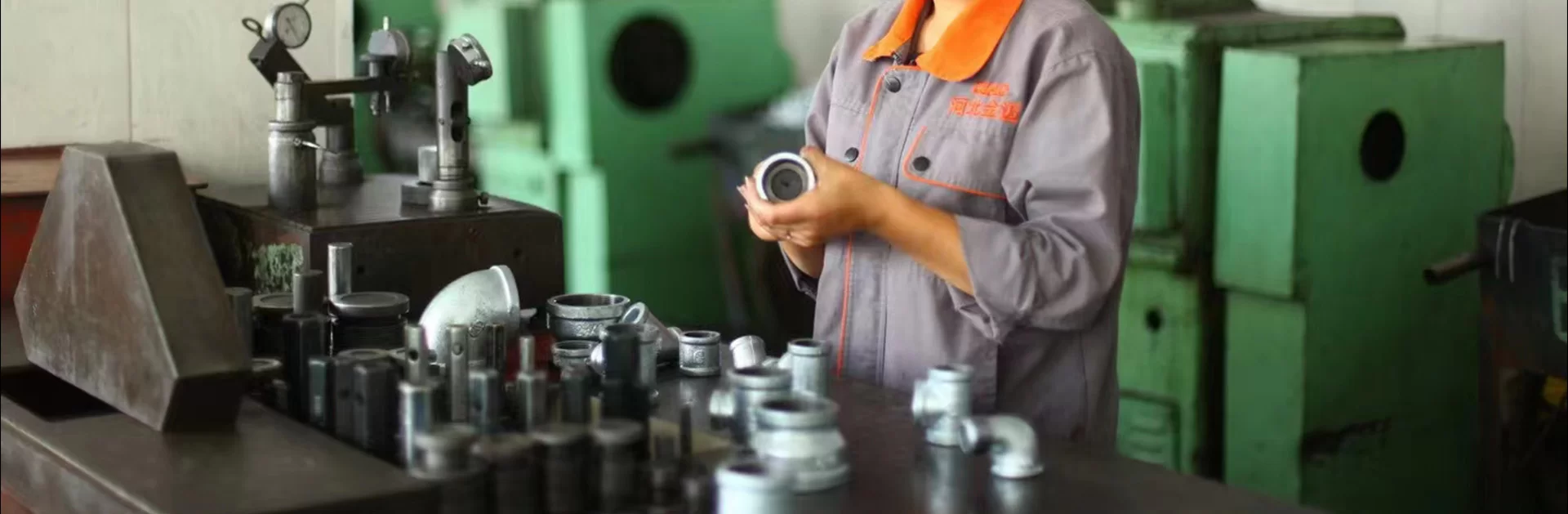

Galvanized Iron (GI) nipples are essential components in piping infrastructure, serving as short segments of pipe used to connect two other fittings. When professionals search for 1 2 gi nipple price, they are typically evaluating the cost-to-performance ratio for a 1/2 inch diameter connection. This article explains the technical drivers behind the cost of these fittings and how to identify a high-quality component that ensures system longevity.
In industrial B2B procurement, the price of a fitting is rarely about the raw material alone. It is a reflection of the casting precision, the quality of the zinc coating, and the adherence to international threading standards. For sectors such as HVAC, fire protection, and water distribution, a marginally cheaper fitting that fails under pressure can lead to catastrophic operational downtime and expensive repairs.
Readers will discover the critical differences between standard cast iron and malleable iron, the impact of hot-dip galvanization on service life, and the specific criteria used to evaluate suppliers. By focusing on technical specifications rather than just the initial purchase price, engineers and procurement officers can optimize their total cost of ownership.
Understanding GI Nipple Specifications and Market Value
The value of a galvanized iron nipple is determined by its ability to maintain a leak-proof seal under varying thermal and pressure conditions. Malleable iron is the preferred material for these components because it undergoes a specialized annealing process that removes the inherent brittleness of grey cast iron. This makes the fitting resistant to impact and high-stress environments. In the global market, the price fluctuates based on the grade of the iron and the thickness of the galvanization layer. A professional-grade nipple is not just a piece of metal but a precision-engineered part designed to interface seamlessly with valves and pipes. For example, the use of go/no-go gauges during production ensures that the threads are perfectly formed, which directly affects the installation speed and the reliability of the seal. When evaluating quotes, buyers must distinguish between electro-galvanized parts, which offer thin protection, and hot-dip galvanized parts, which provide a robust barrier against oxidation and chemical aggression.
Strategic Procurement Guide for Pipe Fittings
Selecting the right GI nipple requires a balance between immediate budget constraints and long-term technical requirements. The following analysis breaks down the key dimensions that procurement teams should evaluate to ensure they are receiving a product that meets industrial safety standards.
Material Selection and Corrosion Resistance
The choice between standard cast iron and high-strength malleable iron is the primary driver of durability. Malleable iron provides the structural integrity needed for high-pressure environments. To further enhance this, hot-dip galvanization is applied, creating a thick zinc layer that prevents rust even in humid or corrosive settings.
| Material Type | Corrosion Life | Installation Speed | Pressure Stability |
|---|---|---|---|
| Standard Cast Iron | Low to Moderate | Standard | Variable |
| Malleable Iron (Galvanized) | Exceptional | Ultra-Fast | Consistent High |
| Stainless Steel | Very High | Standard | High |
| Carbon Steel | Moderate | Standard | High |
| Electro-Galvanized Iron | Moderate | Ultra-Fast | Moderate |
| Hot-Dip Galvanized Iron | High | Ultra-Fast | High |
Dimensional Accuracy and Thread Standards
Thread mismatch is a leading cause of leaks in piping systems. High-quality nipples must adhere strictly to either Metric or Imperial (BSP/NPT) standards. The use of precision machining and rigorous testing with go/no-go gauges ensures that the fitting screws in perfectly without stripping the threads, which is critical for maintaining system pressure in industrial pipelines.
The Role of Hot-Dip Galvanization
Unlike spray-on coatings, hot-dip galvanization involves submerging the iron in molten zinc. This process creates a metallurgical bond that protects the inner and outer walls of the nipple. This is particularly vital for 1/2 inch fittings used in HVAC and water drainage, where internal moisture can cause rapid oxidation in non-galvanized components.
Pressure Ratings and Structural Integrity
In high-pressure systems, the wall thickness and casting density of the nipple are paramount. Malleable iron fittings are designed to withstand significant mechanical stress without cracking. This structural robustness makes them ideal for fire protection systems where the piping must remain intact during extreme pressure surges.
Installation Efficiency in Industrial Systems
The screw-in design of GI nipples eliminates the need for welding, which drastically reduces labor costs and installation time. In tight industrial environments, a hexagonal structure allows for easy tightening with standard pipe wrenches, enabling rapid assembly and simplifying future maintenance or part replacement.
Compatibility with International Valve Standards
A universal fit is essential for global supply chains. Fittings must be compatible with a wide range of international valves and pipes. Ensuring that the nipple meets these universal standards prevents the need for additional adapters, which would otherwise introduce more potential leak points into the system.
Evaluating Total Lifecycle Value
The initial 1 2 gi nipple price is only one part of the equation. When considering the total lifecycle, the cost of frequent leakage repairs and premature replacements far outweighs the savings of buying low-grade fittings. High-integrity malleable iron fittings reduce maintenance costs and extend the overall lifespan of the infrastructure.
FAQ
What is the main difference between malleable iron and cast iron for nipples?
Malleable iron undergoes a specialized heat treatment process that eliminates the brittleness found in standard grey cast iron. This results in a fitting that is much more resistant to impact and high pressure, making it safer and more durable for industrial piping applications.
How does hot-dip galvanization protect the fitting?
Hot-dip galvanization creates a thick, protective zinc layer that acts as a sacrificial anode. This prevents the underlying iron from oxidizing and corroding, which is essential for fittings exposed to humidity, water, or chemically aggressive environments.
Can these GI nipples be used in HVAC systems?
Yes, they are highly suitable for HVAC equipment interfaces. Their ability to provide precise diameter conversion and resist corrosion makes them a standard choice for connecting different pipe sizes within heating and cooling systems.
How is the thread accuracy verified during manufacturing?
Thread accuracy is verified using professional go/no-go gauges. This ensures that every nipple produced meets the precise dimensional requirements of the specified standard (such as BSP or NPT), ensuring a leak-proof fit during installation.
Are these fittings suitable for fire protection systems?
Absolutely. Due to their high pressure ratings and robust malleable iron structure, these fittings are frequently used in fire protection and water drainage systems where structural integrity is a safety requirement.
Do I need specialized tools for installation?
No specialized equipment is required. Because these nipples use a screw-in interface, they can be installed using standard pipe wrenches. This eliminates the need for welding equipment and reduces the overall labor time for the project.
References and further reading
- International Standards for Malleable Iron Pipe Fittings (ISO/ANSI)
- Technical Guide to Hot-Dip Galvanizing for Industrial Steel Components
- Piping Engineering Handbook: Threading and Sealing Specifications


