

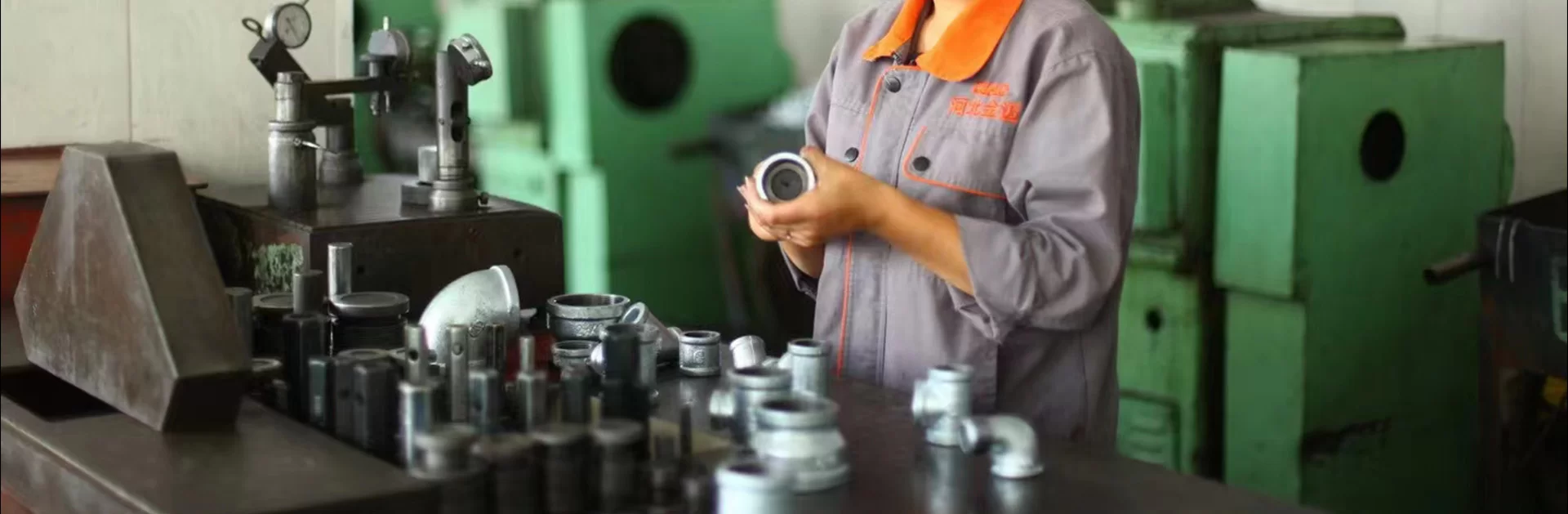

Selecting the correct piping components is critical for maintaining the structural integrity of industrial fluid systems. Specifically, China 1 inch galvanized pipe fittings serve as essential connectors in medium-scale plumbing and HVAC networks, providing a balance between flow capacity and mechanical strength. This article examines the technical specifications and material science behind these components to assist engineers in making informed selection decisions.
In high-moisture or corrosive environments, the vulnerability of base iron to oxidation necessitates a robust surface treatment. Malleable iron, when combined with a professional hot-dip galvanizing process, transforms a standard connector into a long-term asset capable of resisting rust and mechanical impact. For B2B procurement, understanding the difference between standard casting and precision-engineered fittings is the key to reducing lifecycle maintenance costs.
Readers will explore the metallurgical properties of malleable iron, the chemistry of zinc bonding, and the practical application of 1-inch specifications across various industries. By analyzing the trade-offs between material types and surface treatments, this guide provides a framework for evaluating supplier capabilities and ensuring system safety in high-pressure environments.
Technical Fundamentals of Galvanized Malleable Fittings
Malleable iron is a specialized form of cast iron that has undergone a comprehensive annealing process to remove the brittleness associated with gray iron. This heat treatment modifies the carbon structure, allowing the metal to deform slightly under stress rather than cracking. When applied to 1-inch fittings, this results in a component that can withstand the torque of industrial installation and the vibrations of pumping systems without failure. The integration of a galvanized layer adds a second dimension of protection, creating a metallurgical bond that prevents oxygen and moisture from reaching the substrate. For companies like HEBEI JINMAI CASTING Co., Ltd., which leverages decades of experience in the Zhandao Malleable Iron Zone, the focus remains on the precision of the casting process and the consistency of the zinc coating to ensure zero-defect batches for global distribution.
Engineering Guide for 1-Inch Piping Components
The effectiveness of a piping system depends on the synergy between material strength, sealing precision, and environmental resistance. The following analysis breaks down the critical dimensions of malleable iron fittings from a technical and procurement perspective.
Material Composition and Heat Treatment
The transition from white iron to malleable iron involves heating the casting in a controlled atmosphere for several days. This process converts cementite into tempered carbon (graphite nodules), which enhances the impact resistance of the fitting. This is particularly vital for 1-inch components used in HVAC or fire protection, where sudden pressure surges can occur.
| Property | Gray Cast Iron | Malleable Iron | Industrial Impact |
|---|---|---|---|
| Structure | Flake Graphite | Tempered Carbon | Higher ductility |
| Impact Strength | Low (Brittle) | High (Robust) | Resists cracking |
| Machinability | Good | Excellent | Precision threading |
| Stress Response | Fractures | Deforms slightly | Safety under load |
| Longevity | Moderate | Extended | Lower replacement rate |
| Sealing Ability | Basic | Professional | Zero-leak potential |
Hot-Dip Galvanization Mechanism
Unlike electroplating, hot-dip galvanizing involves immersing the fitting into a bath of molten zinc. This creates a series of zinc-iron alloy layers topped with a pure zinc coating. This physical barrier provides cathodic protection; if the surface is scratched, the surrounding zinc will sacrifice itself to protect the underlying iron, preventing the spread of rust in municipal water supply lines.
Pressure Resistance and Wall Thickness
A 1-inch fitting must maintain a specific wall thickness to handle rated pressures without deformation. Thick-walled construction, a hallmark of high-quality malleable casting, ensures that the fitting can support the weight of the connected piping and resist external mechanical damage. This is a critical consideration for fire-fighting systems where reliability is non-negotiable.
Threading Precision and Leak Prevention
Leakage typically occurs at the interface of the thread. Precision internal threads, achieved through advanced machining, ensure a tight fit across all pipe ports. When combined with optional gaskets, these fittings eliminate the risks associated with manual tightening errors, ensuring a professional-grade seal in high-pressure HVAC engineering.
Industrial Application Scenarios
These components are versatile across several domains. In drainage and water supply, the corrosion resistance is key. In heavy industrial manufacturing plants, the impact resistance of malleable iron is preferred. The 1-inch specification is often the "sweet spot" for auxiliary lines, equipment maintenance interfaces, and reserved piping ports.
Comparison: Malleable vs. Gray Iron
While gray iron is cheaper to produce, it is prone to cracks under shock. Malleable iron is specifically engineered for durability. For any application involving vibration, high-pressure movement, or potential mechanical impact, the investment in malleable iron significantly reduces the total cost of ownership by eliminating frequent replacements.
Procurement Evaluation Criteria
When evaluating suppliers, buyers should look for evidence of metallurgical standard adherence. Key indicators include the consistency of the hot-dip coating, the precision of the thread specifications, and the supplier's experience in global logistics. A manufacturer with a large-scale facility and a history of exporting to numerous countries typically offers better quality assurance and stability.
FAQ
What makes malleable iron superior to gray iron for pipe fittings?
Malleable iron undergoes a specialized annealing process that removes the inherent brittleness of gray cast iron. This makes the fittings significantly tougher and more resistant to impact and shock, which is essential for industrial environments where piping is subject to vibration or mechanical stress.
How does hot-dip galvanizing prevent corrosion in 1-inch fittings?
Hot-dip galvanizing creates a thick metallurgical bond of zinc over the iron. This provides both a physical barrier that blocks moisture and oxygen and cathodic protection, where the zinc layer corrodes preferentially to protect the iron base, effectively preventing rust for long periods.
Are these fittings suitable for high-pressure industrial pipelines?
Yes, malleable iron fittings are designed for pressure resistance. For extreme pressure levels, it is recommended to use optional sealing gaskets and ensure that the wall thickness meets the specific engineering requirements of the project to ensure maximum safety.
Can these fittings be used with standard international plumbing threads?
Absolutely. Professional manufacturers utilize standard international thread specifications to ensure full compatibility with most commercial and industrial piping systems globally, facilitating rapid installation and easy replacement.
Why is a hemispherical design often preferred for caps?
A hemispherical design is superior for pressure distribution. It reduces stress concentration at the edges and increases the overall strength of the seal under load compared to a flat-top design, making it ideal for high-pressure ports.
Which industries most commonly utilize galvanized malleable iron fittings?
They are widely used in HVAC engineering, fire protection systems, municipal water supply, and heavy industrial manufacturing plants due to their combination of mechanical strength and corrosion resistance.
References and further reading
- International Standards for Malleable Iron Pipe Fittings (ASTM/ANSI)
- Guidelines for Hot-Dip Galvanizing in Industrial Piping Systems
- Comparative Analysis of Cast Iron Alloys in Fluid Transport


