
Get a Quote
galvanized pipe fitting
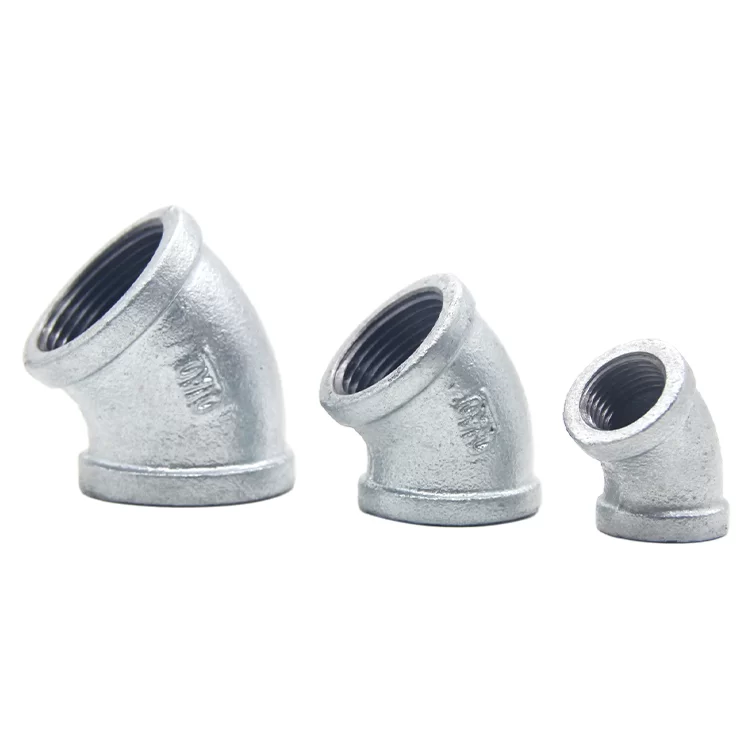
HomeGlobal ServiceUganda’s Premier galvanized steel elbow Solutions
Uganda’s Premier galvanized steel elbow Solutions

Uganda's Premier galvanized steel elbow Solutions

Providing high-quality pipe fittings and casting solutions for diverse industrial needs across Uganda.

Current Market Landscape for Metal Casting in Uganda

An overview of the challenges and opportunities in the Ugandan metal casting industry.

Uganda's manufacturing sector, particularly the metal casting industry, is experiencing a period of growth driven by infrastructure development, agriculture, and a rising demand for construction materials. However, the industry faces challenges related to access to advanced technology, skilled labor, and reliable raw material supply. The geographical location and climate present unique constraints, impacting logistics and material preservation.

The Ugandan market is largely reliant on imports for specialized castings and fittings. Local manufacturers primarily focus on simpler products, often utilizing traditional casting methods. Fluctuations in global steel prices significantly impact the cost of production, creating volatility in the local market. The growing emphasis on sustainable practices is also creating a demand for eco-friendly casting processes.

The availability of electricity remains a critical factor. Frequent power outages disrupt production schedules and necessitate investment in backup power solutions. Additionally, navigating the regulatory landscape and securing necessary permits can be complex and time-consuming for businesses operating in the metal casting sector.
Evolution of Metal Casting Technology in Uganda

Tracing the historical development of metal casting techniques in the Ugandan industry.

Market Development History

Prior to the 1990s, metal casting in Uganda was largely artisanal, relying on basic sand casting techniques for producing agricultural tools and simple hardware. Production volumes were limited, and the quality was often inconsistent.

From the 1990s onwards, with economic liberalization, there was an influx of imported machinery and technology. Small-scale foundries began to emerge, adopting more efficient casting methods like shell molding and investment casting. This period saw a gradual improvement in product quality and a wider range of offerings.

In the 2000s and 2010s, the demand for more complex castings, driven by the growth of the oil & gas and infrastructure sectors, led to increased investment in modern casting facilities. Computer-aided design (CAD) and computer-aided manufacturing (CAM) technologies started to be integrated into the production process.

Future Development Trends

Automation and Robotics

The integration of automation and robotics in the casting process is expected to increase efficiency, reduce labor costs, and improve product consistency. This trend is driven by the need to compete with lower-cost imports and enhance overall productivity.

Advanced Materials

There's a growing demand for castings made from advanced materials like high-nickel alloys and stainless steels, driven by applications in harsh environments. Manufacturers will need to invest in the expertise and equipment required to process these materials.

Sustainable Casting Practices

Environmental regulations are becoming stricter, pushing the industry towards more sustainable casting practices, such as the use of recycled materials and energy-efficient furnaces. This will require investment in new technologies and process optimization.

Industry Trends and Future Outlook for Metal Casting in Uganda

Exploring the emerging trends and potential growth opportunities in the Ugandan metal casting market.

Increased Demand from Infrastructure Projects
Uganda’s ongoing infrastructure projects, including roads, railways, and energy plants, will drive significant demand for malleable iron pipe fittings and other cast metal components.
Growth in Agricultural Sector
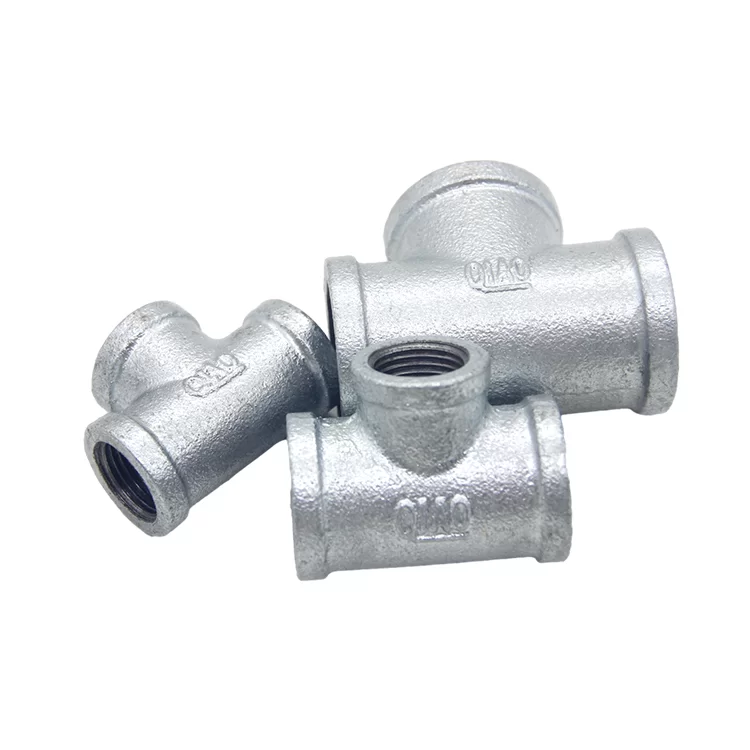
The agricultural sector, a major contributor to Uganda's economy, requires durable castings for irrigation systems, processing equipment, and farm machinery, increasing the need for galvanized pipe fitting.
Rising Demand for Housing & Construction
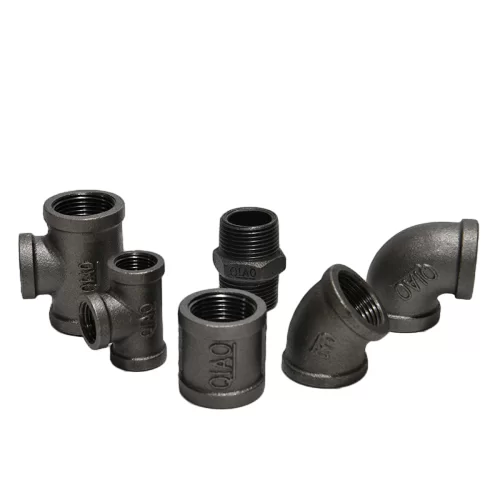
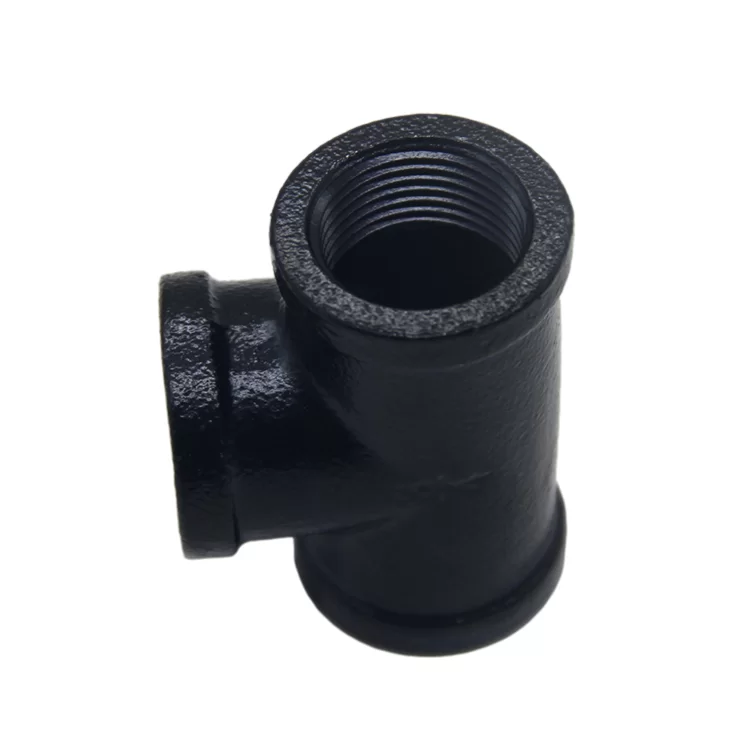
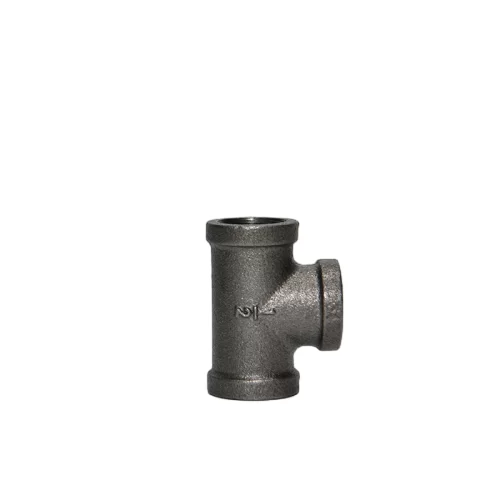
The increasing urbanization and growing population are fueling demand for housing and commercial buildings, requiring a steady supply of black iron pipe fittings and other structural castings.
Focus on Quality and Standardization
Increasing awareness of quality standards and the need for durable products is driving demand for high-quality castings and fittings that meet international specifications.

Industry Outlook

Over the next 3-5 years, the Ugandan metal casting industry is expected to experience steady growth, driven by the aforementioned factors. The key to success will be embracing technological advancements, improving product quality, and building strong relationships with local and international partners.

Google Trends data indicates a growing search interest in terms like "pipe fittings Uganda" and "metal casting companies Uganda," suggesting an expanding market. Manufacturers who can effectively target these search terms and provide reliable, high-quality products are well-positioned to capitalize on this growth.

Local Application Scenarios for Metal Castings in Uganda

Real-world examples of how metal castings are utilized across various industries in Uganda.

1. Irrigation Systems in Agricultural Regions

Uganda's agricultural sector relies heavily on irrigation, particularly during the dry seasons. Cast iron and ductile iron fittings are used in pipelines and sprinkler systems to ensure efficient water distribution. Our galvanized pipe fitting are ideal for these applications due to their corrosion resistance.

2. Plumbing and Sanitation in Urban Centers

Rapid urbanization in cities like Kampala and Jinja has increased the demand for reliable plumbing and sanitation systems. Malleable iron pipe fittings are widely used in residential and commercial buildings for connecting pipes and creating secure joints.

3. Oil and Gas Infrastructure Development

With the discovery of oil reserves in the Albertine Graben, Uganda is investing in the development of oil and gas infrastructure. Cast steel components are essential for pipelines, valves, and other critical equipment used in this sector.

4. Construction of Water Treatment Plants

Providing access to clean water is a priority for the Ugandan government. Cast iron and ductile iron components are used in water treatment plants for pumps, valves, and filtration systems, ensuring the safe and efficient delivery of potable water.

Brand Story

The Global Development History of Hebei Jinmai Ma Steel Co., Ltd.

Foundation and Core Values

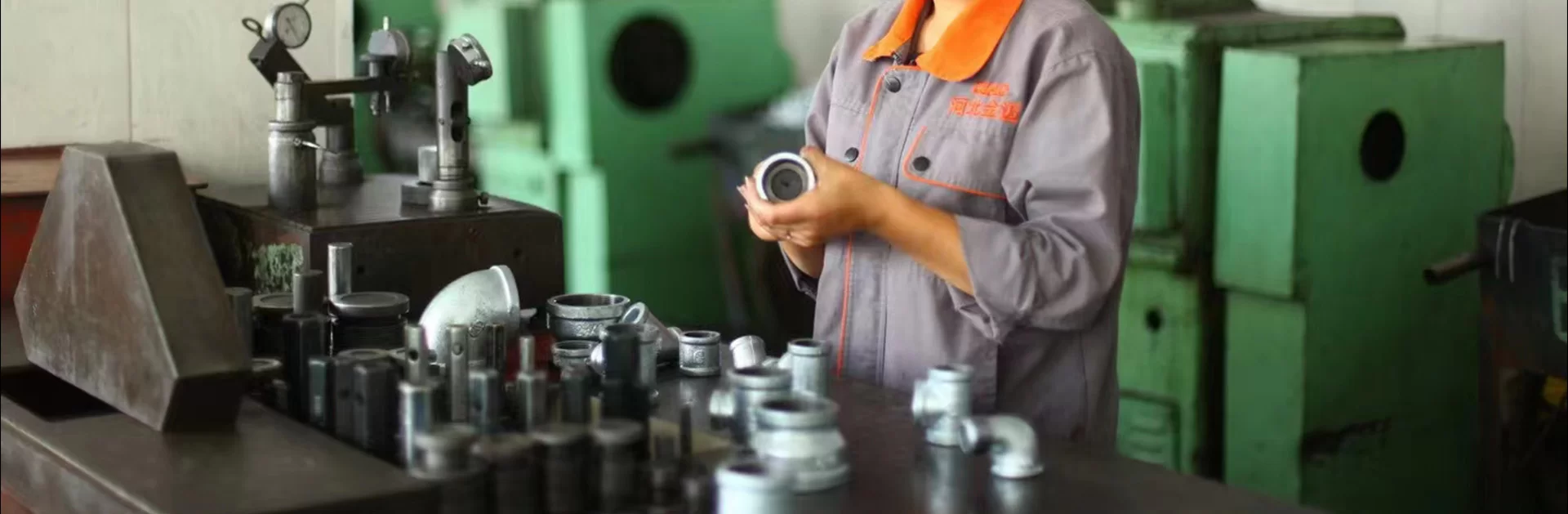
Established in 2008, Hebei Jinmai Ma Steel Co., Ltd. began with a commitment to providing high-quality metal castings and fittings to meet the growing demands of global infrastructure and industrial sectors.

Technological Advancement

In 2012, we invested heavily in advanced casting technologies, including automated molding lines and robotic finishing systems, to improve efficiency and precision.

International Expansion

Starting in 2015, we expanded our reach into emerging markets, including Africa, recognizing the growing demand for reliable and affordable metal castings.

Commitment to Quality

In 2018, we achieved ISO 9001 certification, demonstrating our commitment to maintaining the highest standards of quality control throughout our manufacturing process.

Customer-Centric Approach

Today, we prioritize building long-term relationships with our customers by providing customized solutions, responsive support, and competitive pricing.

Complete Product Range for the Ugandan Market

A comprehensive selection of metal castings and fittings tailored to meet the needs of Ugandan industries.

Frequently Asked Questions about Metal Castings in Uganda

Answers to common questions regarding our products and services in the Ugandan market.

What are the typical lead times for custom galvanized steel elbow orders in Uganda?

Lead times for custom orders typically range from 4-8 weeks, depending on the complexity of the casting, quantity required, and current production schedule.

Do you offer on-site support for installation and maintenance of malleable pipe fittings?

We offer technical support and guidance for installation and maintenance. While we don’t directly provide on-site installation, we can recommend qualified local partners.

What quality certifications do you hold for your black iron pipe fittings?

We are ISO 9001 certified, ensuring our products meet international quality standards. We can also provide material test reports and certificates of conformity upon request.

What are the common applications of malleable iron pipe fittings in the Ugandan agricultural sector?

Malleable iron pipe fittings are commonly used in irrigation systems, water supply lines for livestock, and drainage systems in agricultural facilities.

What materials are used in the manufacturing of your galvanized pipe fitting to ensure corrosion resistance?

We primarily use high-quality carbon steel and ductile iron, coated with a zinc layer through hot-dip galvanization to provide excellent corrosion resistance, even in harsh environmental conditions.

What is the typical wall thickness for your galvanized steel elbow suitable for high-pressure applications?

For high-pressure applications, our galvanized steel elbows typically have a wall thickness ranging from Schedule 40 to Schedule 80, depending on the specific pressure requirements and industry standards.

Get in Touch with Us

We are dedicated to providing top-quality metal casting solutions to customers throughout Uganda. Contact us today to discuss your specific needs.

Contact Us Now

If you are interested in our products, you can choose to leave your information here, and we will be in touch with you shortly.