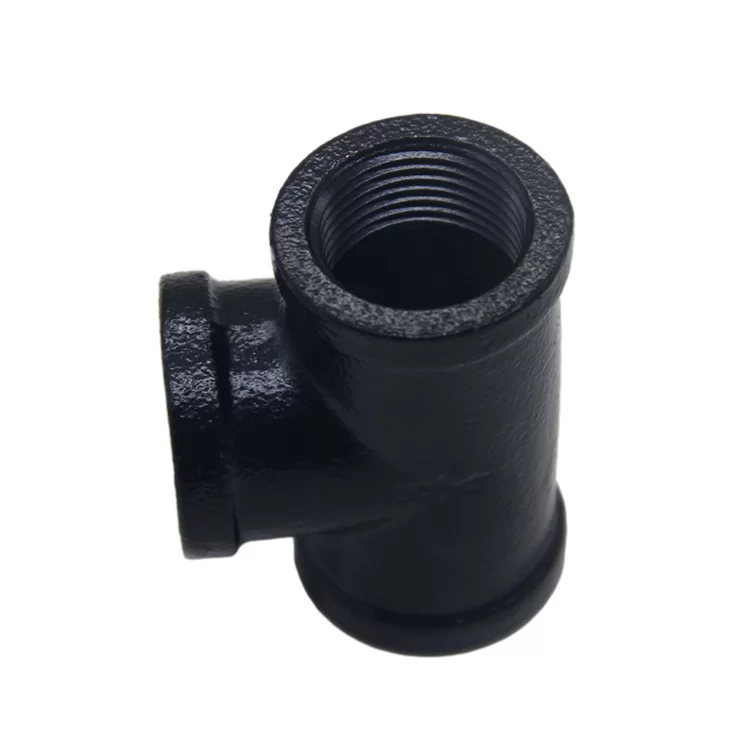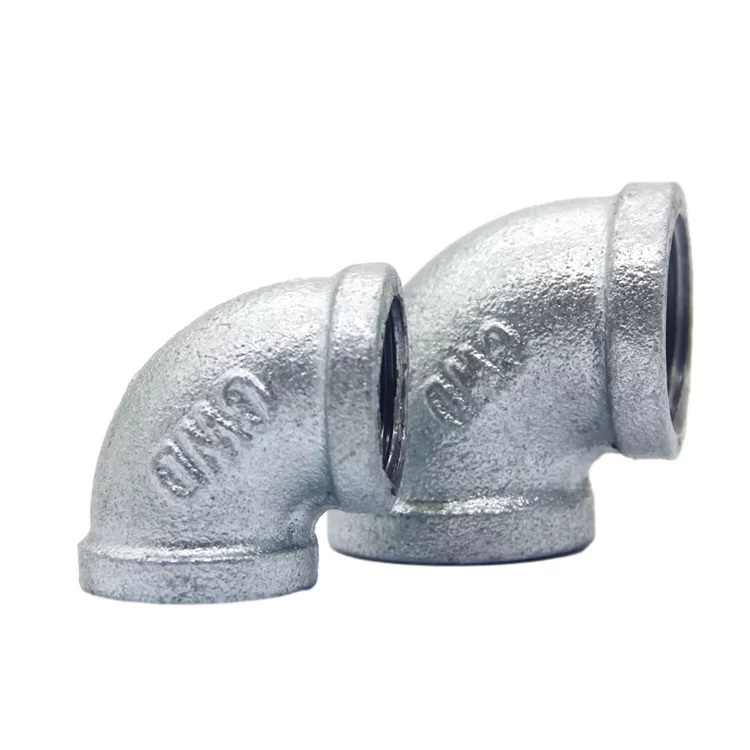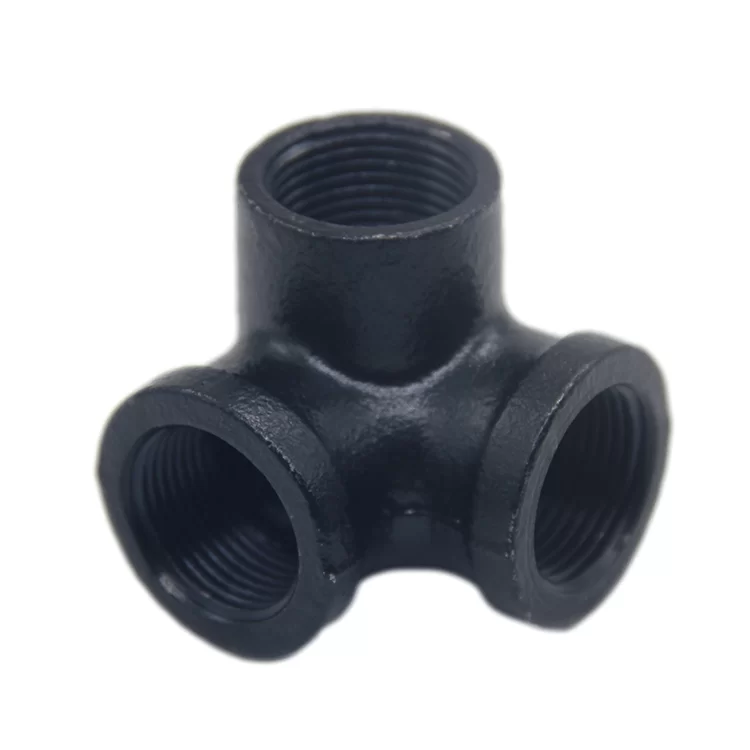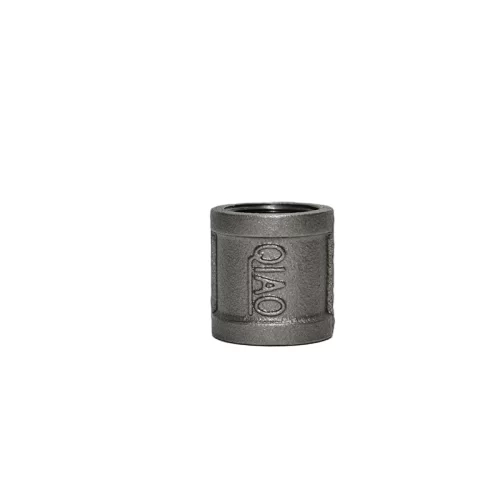

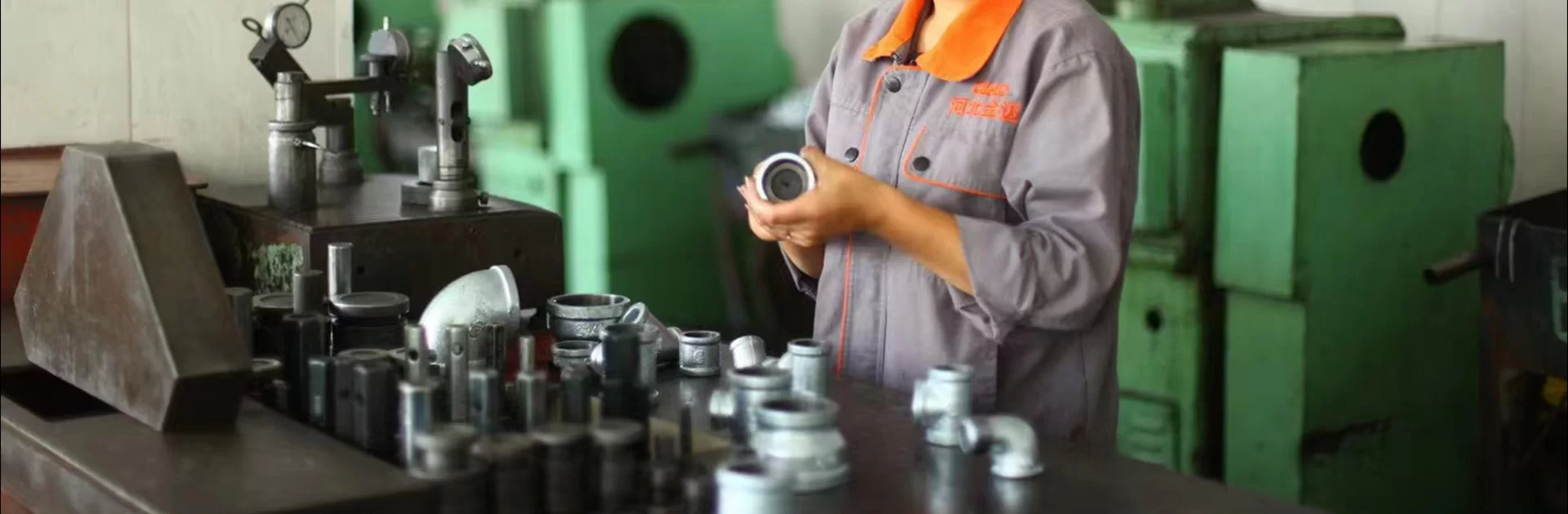
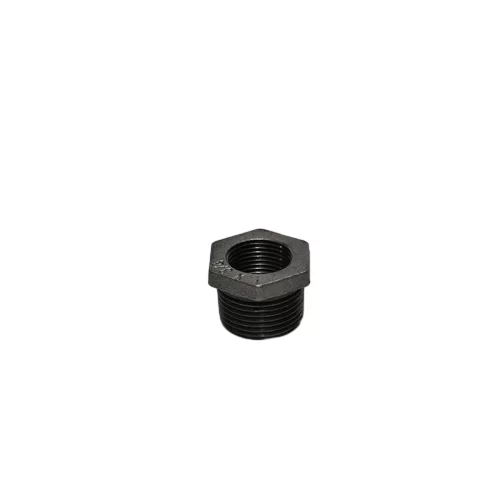
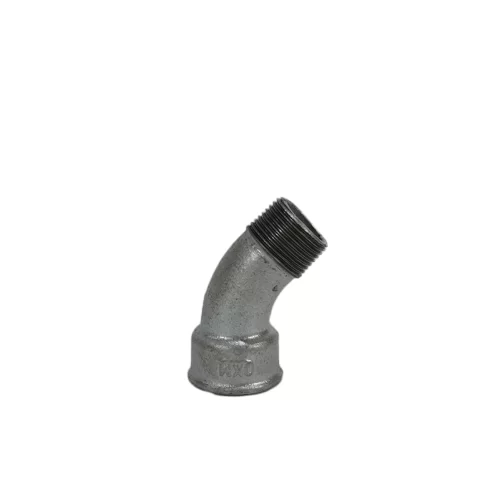
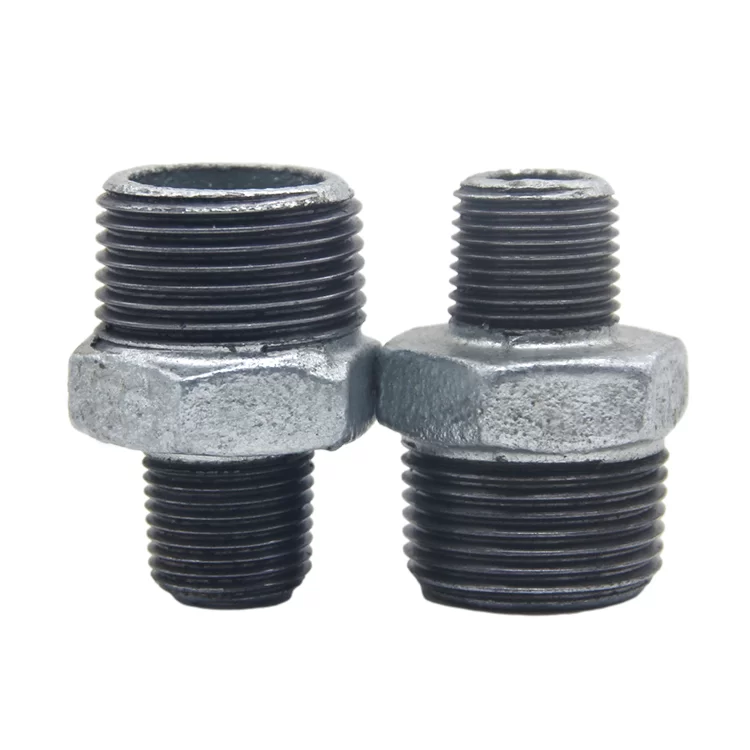
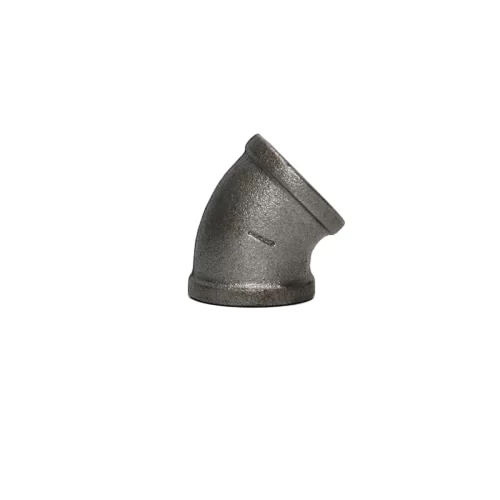
Nigeria's demand for galvanized pipe fitting is rapidly growing, driven by extensive infrastructure development, particularly in the oil & gas, water supply, and construction sectors. The country's tropical climate, with high humidity and rainfall, necessitates corrosion-resistant materials, making galvanized steel a preferred choice. However, local production capacity still lags behind demand, relying heavily on imports.
The Nigerian black metal casting industry is characterized by a mix of small-scale workshops and a few larger, more established foundries. Many operate with outdated technology, limiting their ability to meet the stringent quality standards required for international projects. Supply chain disruptions and fluctuating raw material costs (primarily iron ore and scrap metal) pose significant challenges.
Furthermore, access to skilled labor and engineering expertise is a critical bottleneck. Investing in training and technology upgrades is essential to enhance the competitiveness of the Nigerian casting industry and reduce its dependence on foreign suppliers of malleable iron pipe fittings and other related products.