

Get a Quote
galvanized pipe fitting
HomeGlobal ServiceKuwait’s Premier galvanized pipe fitting Solutions
Kuwait’s Premier galvanized pipe fitting Solutions

Kuwait's Premier galvanized pipe fitting Solutions

Supplying high-quality pipe fittings for Kuwait's industrial and infrastructure projects.

Current Market Landscape in Kuwait

An analysis of the pipe fitting industry in Kuwait, considering its unique environmental and economic factors.

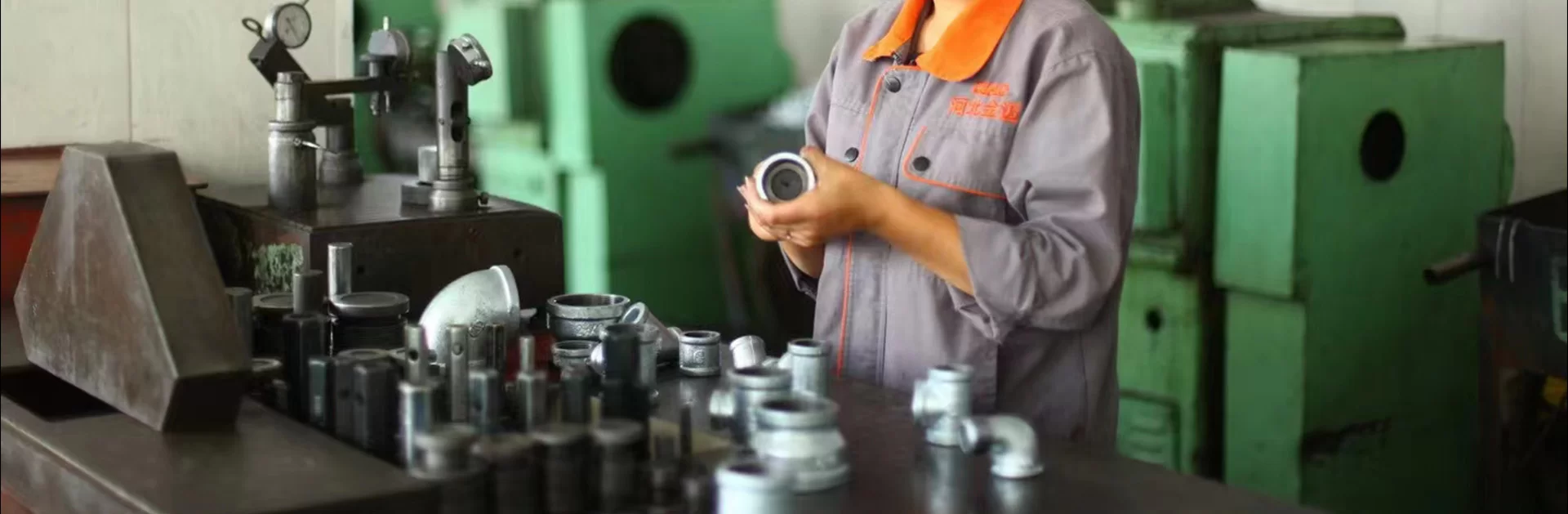
Kuwait’s arid climate and substantial oil and gas sector heavily influence the demand for durable and corrosion-resistant malleable pipe fittings. The high temperatures and salinity necessitate materials that can withstand harsh conditions, leading to a strong preference for galvanized and epoxy-coated products. Infrastructure projects, driven by Kuwait’s Vision 2035, are key drivers of growth.

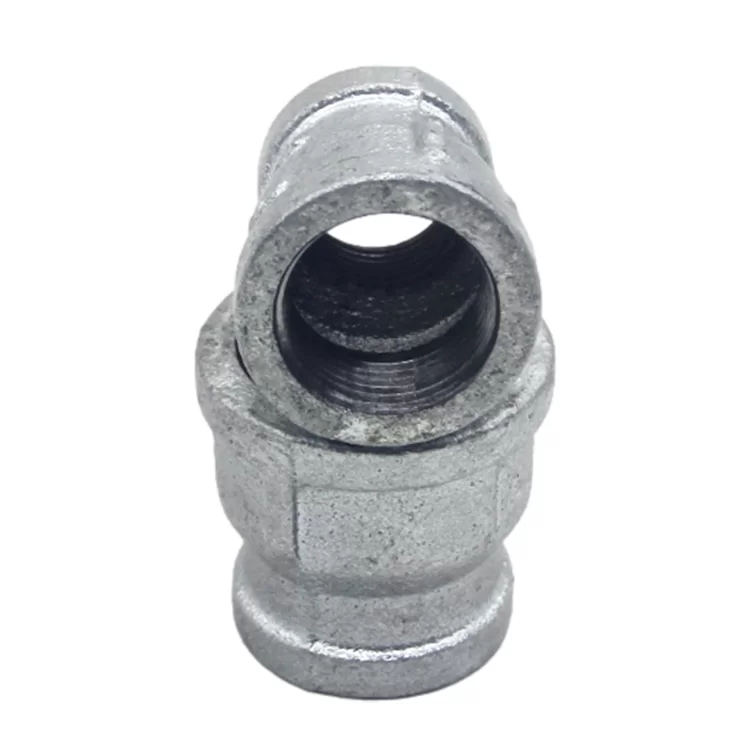
The reliance on imported materials presents both opportunities and challenges. Local fabrication capabilities are developing, but a significant portion of pipe fittings are sourced from international suppliers. Maintaining consistent supply chains and managing import costs are crucial considerations for businesses operating in this market. The demand for specialized galvanized steel elbow fittings in the oil & gas sector is consistently high.

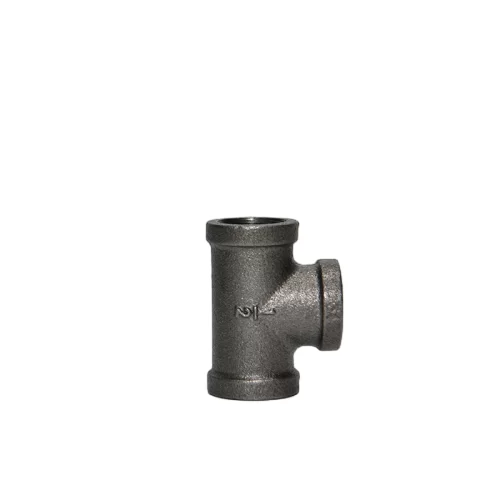
Kuwait’s commitment to environmental sustainability is increasing, prompting a demand for eco-friendly pipe fitting solutions. Materials that minimize corrosion and reduce the need for frequent replacements are gaining traction. Projects focused on water management and wastewater treatment contribute to the demand for robust and reliable black iron pipe fittings.
Evolution of Pipe Fitting Technology in Kuwait

Tracing the development of pipe fitting materials and techniques in the Kuwaiti market.

Market Development History

Historically, Kuwait relied heavily on basic carbon steel pipe fittings for water and gas distribution. From the 1970s onward, with the expansion of the oil industry, demand shifted towards higher-strength materials capable of withstanding high pressure and temperature. Galvanization became a standard corrosion protection method.

The 1990s saw the introduction of more sophisticated materials like ductile iron and stainless steel, particularly for critical applications in petrochemical plants. The adoption of threaded connections gave way to welded and flanged joints for greater reliability. The 2000s witnessed the increasing importance of quality control and international standards.

In recent years, the industry has focused on advanced coatings, such as epoxy and polyethylene, to enhance corrosion resistance and extend the lifespan of pipe fittings. The introduction of specialized malleable iron pipe fittings for seismic regions has also been a notable development.

Future Development Trends

Smart Pipe Fittings Integration

Integration of sensors and IoT technology into pipe fittings for real-time monitoring of pressure, temperature, and corrosion levels. Google Trends shows increasing search volume for “smart pipe fittings” globally, indicating a growing interest.

Advanced Materials Research

Development and adoption of new alloys and composite materials with superior corrosion resistance and mechanical properties. Focus on lightweight materials to reduce installation costs.

Sustainable Manufacturing Practices

Implementation of eco-friendly manufacturing processes, including reduced water consumption, waste minimization, and the use of recycled materials. This aligns with Kuwait’s sustainability goals.

Industry Trends and Future Outlook

Forecasting the future of the pipe fitting market in Kuwait.

Increased Demand for Corrosion Resistance
Kuwait’s harsh climate will continue to drive demand for highly corrosion-resistant pipe fittings, including those made from stainless steel and with advanced coatings.
Growth in Infrastructure Projects
Kuwait’s Vision 2035 and ongoing infrastructure development will fuel demand for a wide range of pipe fittings.
Adoption of Sustainable Solutions
Increasing focus on eco-friendly materials and manufacturing processes to align with Kuwait’s environmental goals.
Technological Advancements
The integration of smart technologies and IoT will revolutionize pipe fitting monitoring and maintenance.

Industry Outlook

The Kuwaiti pipe fitting market is projected to experience steady growth over the next 3-5 years, driven by infrastructure investments and the demand for durable, corrosion-resistant materials. The increasing focus on sustainability and technological advancements will also shape the industry’s future.

Local manufacturers and suppliers that prioritize quality, innovation, and customer service are well-positioned to succeed in this competitive market.

Local Application Scenarios in Kuwait

Specific use cases for pipe fittings within Kuwait's key industries.

1. Oil and Gas Pipelines

Kuwait’s extensive oil and gas infrastructure relies heavily on high-strength, corrosion-resistant pipe fittings to transport crude oil, natural gas, and refined products. Galvanized pipe fitting are crucial in this sector.

2. Water Desalination Plants

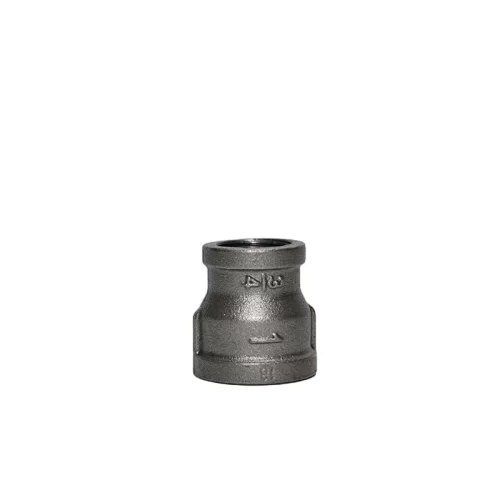
As a country with limited freshwater resources, Kuwait depends on desalination plants for its water supply. These plants require specialized pipe fittings that can withstand the corrosive effects of seawater. The need for malleable pipe fittings is significant.

3. Wastewater Treatment Facilities

Kuwait is investing in modern wastewater treatment facilities to improve water quality and environmental sustainability. These facilities demand robust pipe fittings that can handle harsh chemical environments and maintain long-term reliability. black iron pipe fittings are often employed.

4. Building Construction and Infrastructure

New construction projects, including residential, commercial, and public infrastructure, require a wide range of pipe fittings for plumbing, heating, and cooling systems. The demand for durable and cost-effective malleable iron pipe fittings remains strong.

5. Fire Protection Systems

Stringent fire safety regulations necessitate the use of reliable pipe fittings in fire sprinkler systems and other fire protection infrastructure throughout Kuwait.

Brand Story

The Global Development History of Hebei Jinmai Steel Co., Ltd.

Commitment to Quality

Established in 2008, Hebei Jinmai Steel Co., Ltd. began with a commitment to providing superior quality steel castings and pipe fittings.

Expansion and Innovation

Over the years, we expanded our product line and invested in advanced manufacturing technologies to meet evolving customer needs.

Global Reach

We established a global presence, exporting our products to numerous countries across Asia, Europe, and the Americas.

Focus on Customer Satisfaction

We prioritize customer satisfaction by providing tailored solutions and exceptional customer service.

Sustainable Practices

We are committed to sustainable manufacturing practices, reducing our environmental footprint and promoting responsible sourcing.

Frequently Asked Questions – Kuwait

Addressing common inquiries about pipe fittings in the Kuwaiti market.

What are the most common types of galvanized steel elbow fittings used in Kuwaiti oil pipelines?

90-degree and 45-degree elbows are the most common, along with tee fittings and reducers, all manufactured to API 5L standards.

What certifications are required for malleable pipe fittings used in water desalination plants in Kuwait?

Certifications such as ISO 9001, NSF/ANSI 61, and material test reports (MTRs) demonstrating compliance with ASTM standards are typically required.

How does Kuwait’s climate affect the lifespan of black iron pipe fittings?

The high salinity and temperature accelerate corrosion. Protective coatings like galvanization or epoxy are crucial for extending lifespan.

What are the lead times for importing malleable iron pipe fittings from China to Kuwait?

Typical lead times range from 4-8 weeks, depending on the quantity, shipping route, and customs clearance procedures.

Are there any specific standards for galvanized pipe fitting used in fire protection systems in Kuwait?

NFPA 13 and local Kuwaiti fire safety regulations dictate the standards for materials and installation.

What is the process for customs clearance of pipe fittings imported into Kuwait?

Requires submitting an import declaration, providing necessary documents (invoice, packing list, certificate of origin), paying duties and taxes, and inspection by Kuwaiti customs authorities.

Get in Touch

For all your pipe fitting needs in Kuwait, contact us today. We offer tailored solutions and reliable supply.

Contact Us Now

If you are interested in our products, you can choose to leave your information here, and we will be in touch with you shortly.