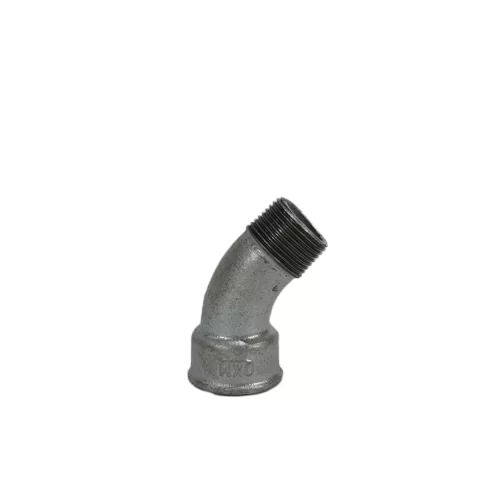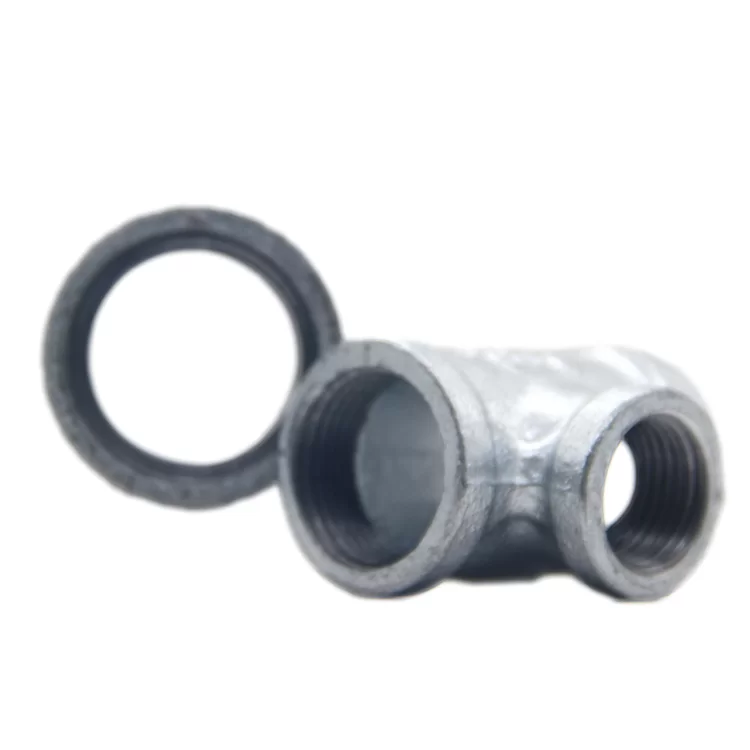

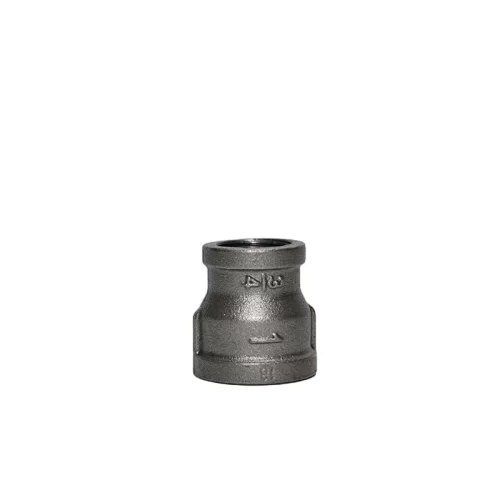

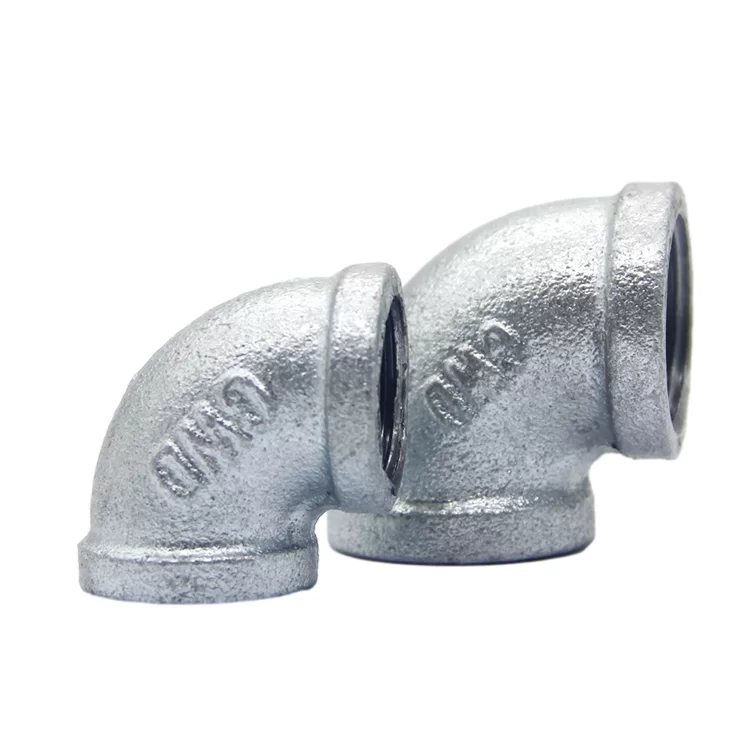

Kenya's black metal casting industry is currently undergoing a period of growth, driven by infrastructure development, agricultural expansion, and a rising demand for industrial components. However, the sector faces challenges including reliance on imported raw materials, limited access to advanced technologies, and competition from cheaper imports. The geographical location and climate of Kenya influence the demand for corrosion-resistant products like galvanized pipe fitting, due to the coastal humidity and seasonal rainfall.
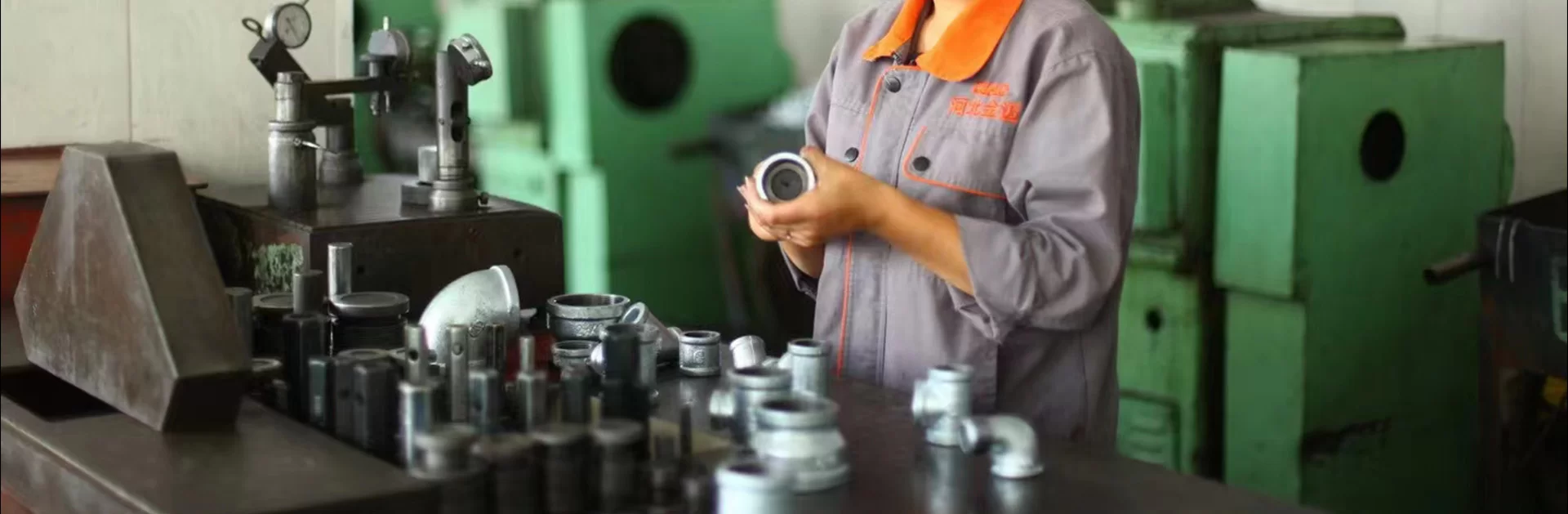
The existing foundries in Kenya largely cater to local demand, producing components for water infrastructure, construction, and manufacturing. Many are small to medium-sized enterprises (SMEs) with limited capacity for large-scale production. The availability of skilled labor is also a constraint, requiring investment in training and education. Demand for black iron pipe fittings remains steady, particularly in rural areas.
Government initiatives promoting local manufacturing and infrastructure projects are expected to further stimulate growth in the black metal casting industry. Sustainable practices and environmentally responsible casting processes are also gaining importance, driven by increasing environmental awareness and stricter regulations.