
Get a Quote
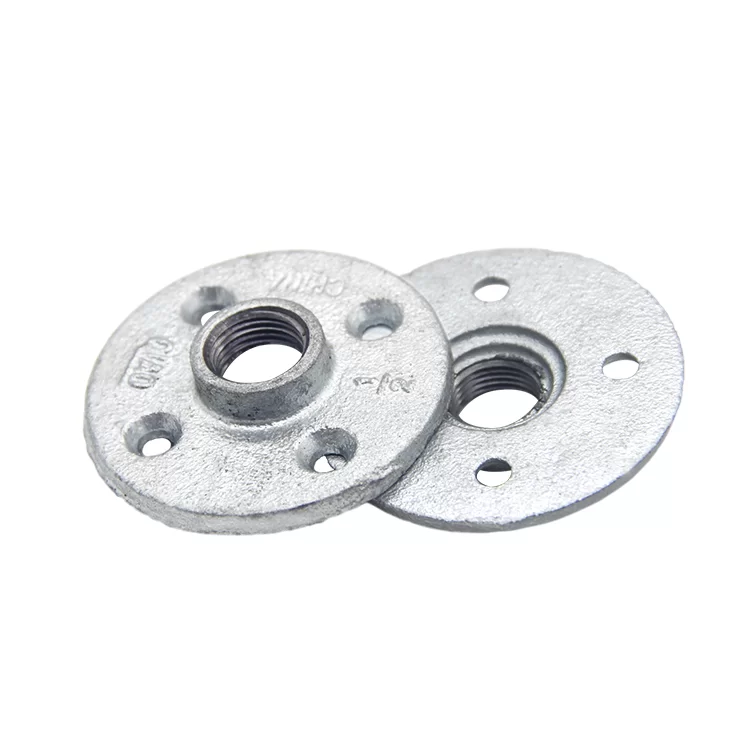
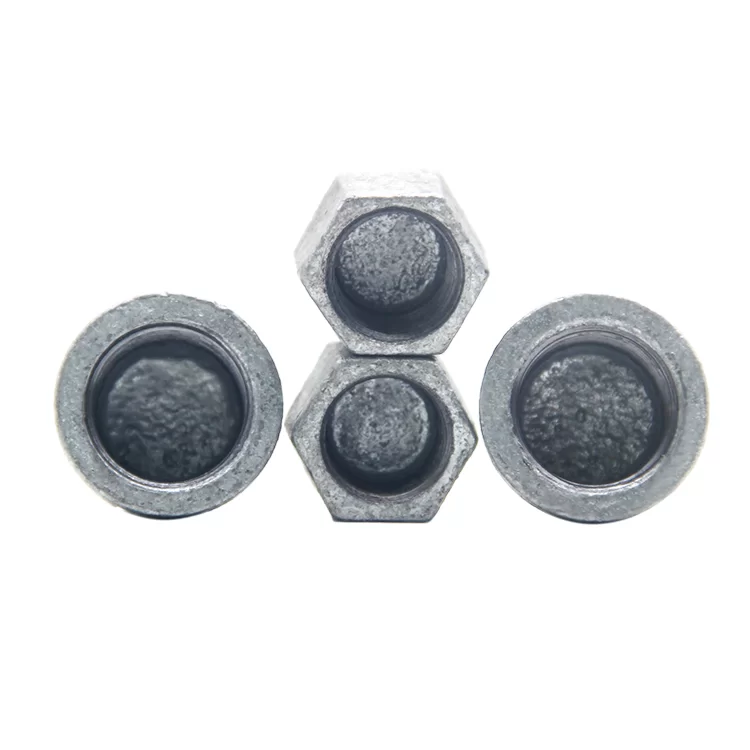
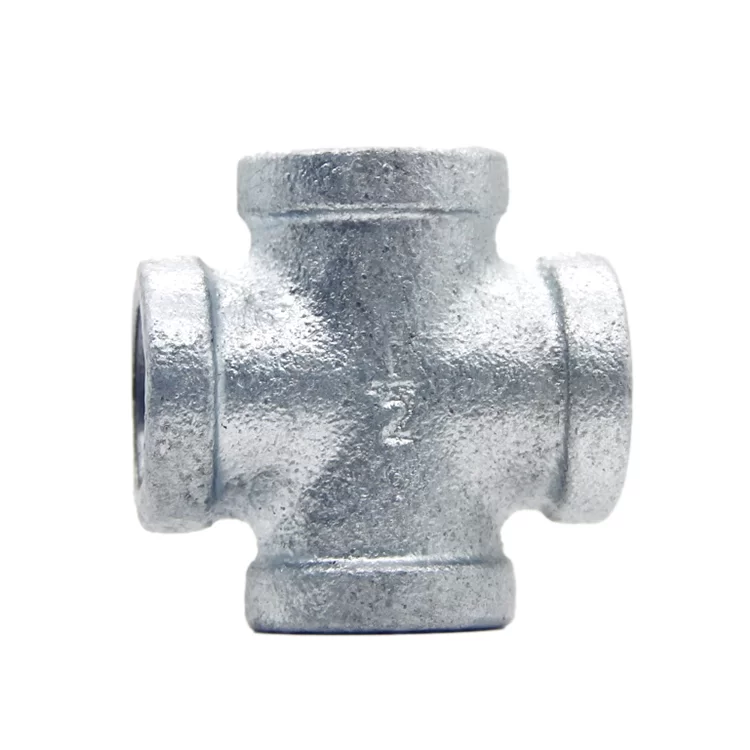
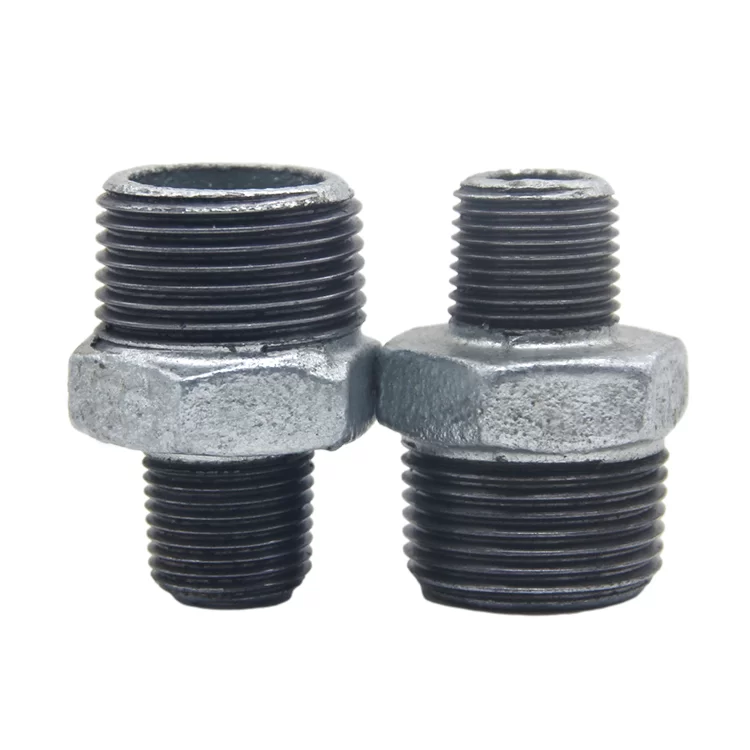
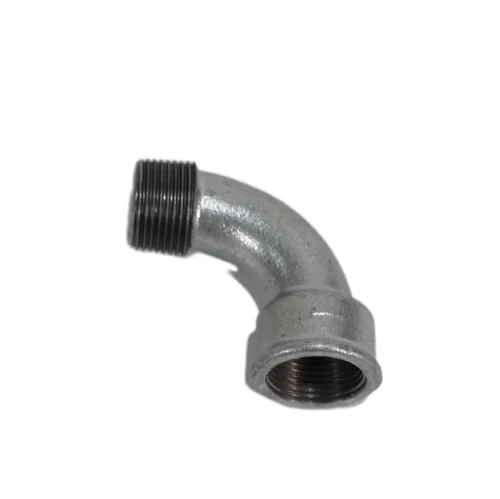
galvanized pipe fitting
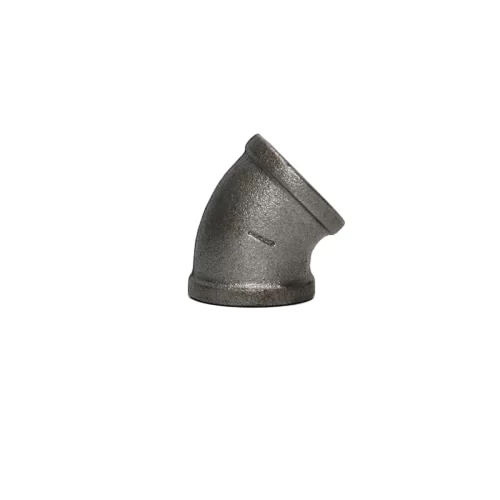
HomeGlobal ServiceHighQuality Galvanized Steel Elbow Solutions for Japanese Infrastructure
HighQuality Galvanized Steel Elbow Solutions for Japanese Infrastructure

High-Quality Galvanized Steel Elbow Solutions for Japanese Infrastructure

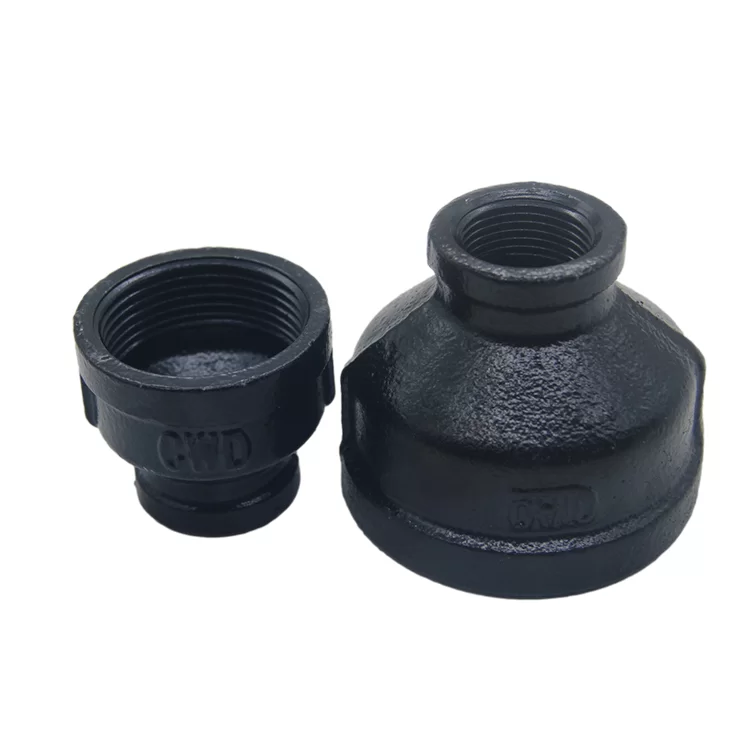
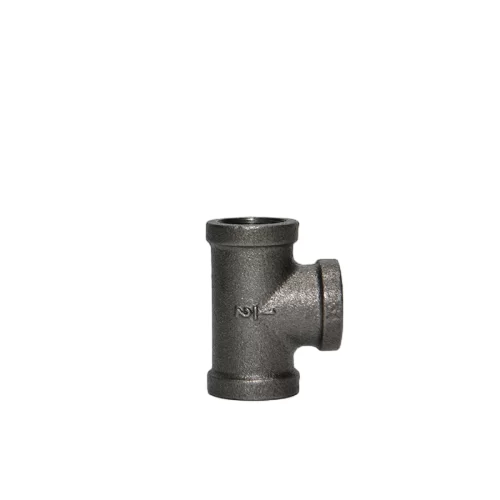
Expertly crafted galvanized pipe fitting, malleable pipe fittings, and related products for diverse industrial applications in Japan.

High-Quality Galvanized Steel Elbow Solutions for Japanese Infrastructure

Providing robust and reliable piping solutions for Japanese industries, specializing in galvanized pipe fitting and precision-engineered components.

Current State of Black Metal Casting in Japan

An overview of the Japanese market and its unique demands.

Japan's manufacturing sector, a global leader in precision engineering and automotive industries, demands high-quality black iron pipe fittings and durable casting solutions. The country’s stringent quality control standards and aging infrastructure create a consistent need for reliable pipe components. The market is characterized by a preference for domestically produced materials and a strong emphasis on corrosion resistance due to the country’s humid climate and coastal location.

Geographically, much of Japan's industrial activity is concentrated around major urban centers like Tokyo, Osaka, and Nagoya, influencing demand patterns and logistical considerations. The frequent seismic activity necessitates resilient piping systems, driving demand for ductile iron and malleable iron fittings that can withstand ground movement. Supply chain resilience is also paramount given the nation's vulnerability to natural disasters.

Economic conditions in Japan are mature and stable, fostering a focus on long-term durability and lifecycle cost optimization. While price sensitivity exists, Japanese manufacturers are willing to invest in premium materials and advanced manufacturing processes that guarantee performance and longevity. This translates to a consistent demand for high-grade malleable iron pipe fittings and specialized casting solutions.
Evolution of Black Metal Casting Technology in Japan

Tracing the technological advancements shaping the industry.

Market Development History

The initial phase of Japanese black metal casting, pre-1950s, involved primarily sand casting techniques, largely focused on basic infrastructure and agricultural applications. Post-WWII reconstruction fueled demand, but production methods remained relatively traditional. Quality control was nascent, and reliance on imported technology was significant.

From the 1960s to the 1980s, Japan experienced a period of rapid industrialization and technological advancement. Investment in precision casting techniques – investment casting, die casting, and centrifugal casting – increased dramatically. The adoption of automation and computerized design tools led to significant improvements in product accuracy and consistency. The demand for galvanized pipe fitting also rose during this period.

Since the 1990s, the focus has shifted towards high-value-added castings, sustainable manufacturing practices, and the integration of digital technologies like 3D printing for prototyping and tooling. Lean manufacturing principles and Six Sigma methodologies have been widely adopted to optimize production processes and minimize waste. The adoption of advanced surface treatment techniques, like specialized galvanization, ensures corrosion resistance and longevity.

Future Development Trends

Advanced Material Science

Research and development are accelerating in the area of advanced alloy compositions, exploring materials that offer enhanced strength, corrosion resistance, and temperature stability. Expect wider adoption of high-strength ductile irons and specialized alloys tailored to specific industrial applications.

Digital Twin Technology

The implementation of digital twin technology, creating virtual replicas of casting processes, will allow for real-time monitoring, predictive maintenance, and process optimization. This will significantly reduce downtime and improve product quality.

Sustainable Manufacturing

Increased emphasis on environmentally friendly practices, including the use of recycled materials, energy-efficient processes, and waste reduction strategies. Japan's commitment to sustainability will drive demand for "green" casting solutions.

Industry Trends and Future Outlook for Japanese Black Metal Casting

Projecting the future landscape of the industry in Japan.

Growing Demand for High-Precision Components
Japan's automotive and aerospace industries continue to demand increasingly precise and reliable casting components, driving innovation in manufacturing processes.
Increased Adoption of Automation
To address labor shortages and improve efficiency, Japanese foundries are rapidly adopting automated casting processes, including robotic pouring and inspection systems.
Focus on Lightweighting
The automotive industry's drive towards fuel efficiency is increasing demand for lightweight casting solutions, utilizing materials like aluminum alloys and magnesium alloys.
Stringent Quality Control Standards
Japanese manufacturers maintain exceptionally high-quality standards, requiring suppliers to demonstrate rigorous quality control processes and certifications.

Industry Outlook

The Japanese black metal casting industry is expected to remain stable over the next 3-5 years, driven by demand from the automotive, aerospace, and infrastructure sectors. Innovation in materials and manufacturing processes will be key to maintaining competitiveness. Growth is anticipated in specialized casting applications, such as those requiring high-temperature resistance or corrosion protection.

The adoption of Industry 4.0 technologies, including the Internet of Things (IoT) and artificial intelligence (AI), will further enhance efficiency and optimize production processes. Expect increased collaboration between foundries, research institutions, and end-users to develop cutting-edge casting solutions.

Localized Applications in Japan

Specific examples of how our castings are used in the Japanese market.

1. Earthquake-Resistant Piping Systems

Our ductile iron pipe fittings are critical components in earthquake-resistant piping systems for residential and commercial buildings, offering superior flexibility and durability to withstand seismic activity.

2. Automotive Engine Components

High-precision malleable iron pipe fittings are used in automotive engine components, providing reliable performance in demanding operating conditions.

3. High-Speed Rail Infrastructure

Specialized steel castings are utilized in the construction and maintenance of Japan’s high-speed rail infrastructure, ensuring safety and reliability.

4. Marine and Offshore Applications

Corrosion-resistant galvanized pipe fitting are employed in marine and offshore applications, providing long-lasting protection against saltwater corrosion.

5. Precision Machinery for Robotics

Our precision castings contribute to the construction of sophisticated robotic systems used extensively in Japanese manufacturing.

Brand Story

The Global Development History of Hebei JinmaiMa Steel Co., Ltd.

Commitment to Quality and Innovation

Founded on a dedication to providing exceptional casting solutions, Hebei JinmaiMa Steel Co., Ltd. began its journey with a commitment to exceeding customer expectations.

Expanding Global Reach

We strategically expanded our reach, establishing partnerships with key industries worldwide, including a strong presence in Japan.

Investing in Advanced Technology

We invested heavily in advanced casting technologies and quality control systems, ensuring consistent product performance and reliability.

Tailored Solutions for Japanese Industries

We adapted our products to meet the specific demands of Japanese manufacturers, prioritizing precision, durability, and adherence to stringent quality standards.

Sustainable Manufacturing Practices

We are committed to sustainable manufacturing practices, minimizing our environmental impact and contributing to a greener future.

Comprehensive Product Range for the Japanese Market

Explore our extensive catalog of high-quality casting solutions.

Frequently Asked Questions - Japan

Addressing common inquiries from our Japanese customers.

What corrosion resistance certifications do your galvanized pipe fittings hold for Japanese seawater environments?

Our galvanized pipe fittings undergo rigorous testing to meet and exceed Japanese Industrial Standards (JIS) for corrosion resistance in seawater environments. We provide full certification documentation upon request.

Do you offer malleable iron pipe fittings that comply with Japanese seismic standards for building infrastructure?

Yes, we specialize in manufacturing malleable iron pipe fittings designed to withstand seismic activity, adhering to the latest Japanese building codes and regulations. Our fittings are tested for flexibility and impact resistance.

What is the lead time for custom-designed galvanized steel elbows for large-scale Japanese infrastructure projects?

Lead times for custom-designed galvanized steel elbows vary depending on the complexity and quantity. Generally, we estimate 8-12 weeks from design confirmation to delivery. We prioritize urgent projects and offer expedited services when possible.

Can you provide black iron pipe fittings with specific surface treatments tailored to Japanese industrial requirements?

Absolutely. We offer a wide range of surface treatments, including specialized coatings and painting options, to meet the specific requirements of Japanese industries. We work closely with our customers to ensure optimal performance and durability.

What quality control measures do you have in place to ensure consistency in your malleable iron pipe fittings?

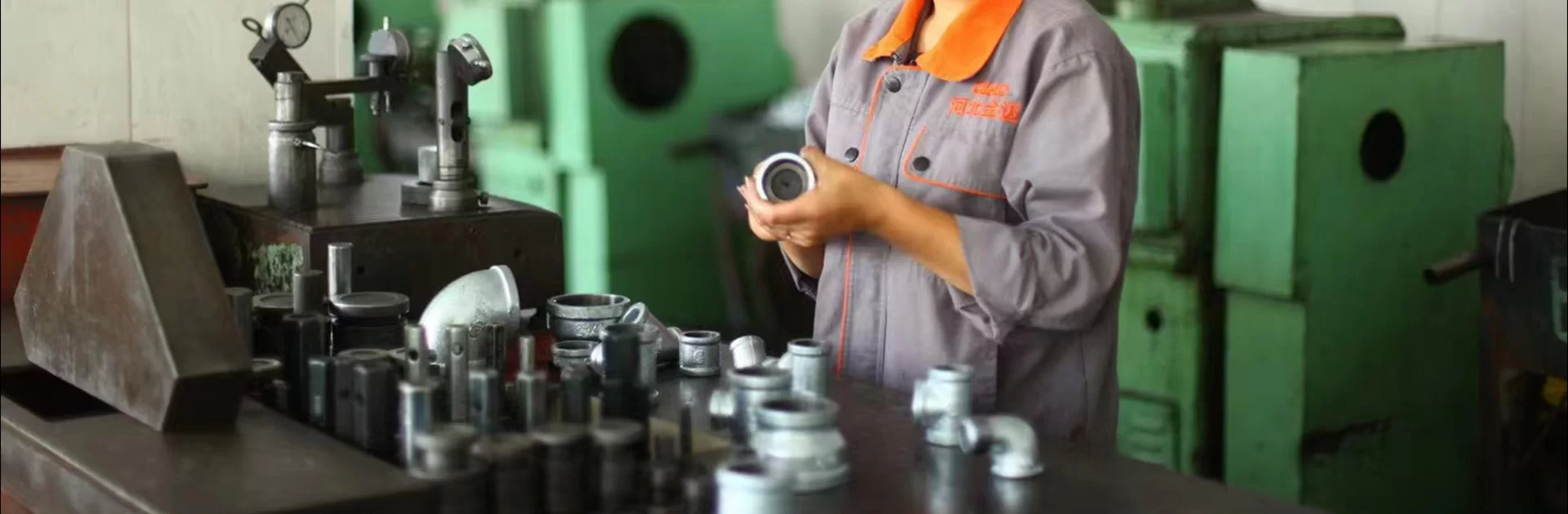
We employ a multi-stage quality control process, including raw material inspection, in-process monitoring, and final product testing. Our quality control system is ISO 9001 certified, guaranteeing consistent product quality.

Do you offer documentation in Japanese for your product specifications and material certifications?

Yes, we provide complete documentation in Japanese, including product specifications, material certifications, and testing reports. We are committed to providing seamless communication and support to our Japanese customers.

Get in Touch With Us

We are dedicated to serving our customers in Japan with high-quality casting solutions and exceptional support.

Contact Us Now

If you are interested in our products, you can choose to leave your information here, and we will be in touch with you shortly.