Tracing the development of casting techniques and materials in the Belarusian market.
Market Development History
In the Soviet era, Belarusian foundries primarily focused on large-scale production for centralized planning, utilizing traditional sand casting methods. The emphasis was on quantity rather than precision. Post-independence (1991), the industry experienced a period of decline due to economic instability and a lack of investment.
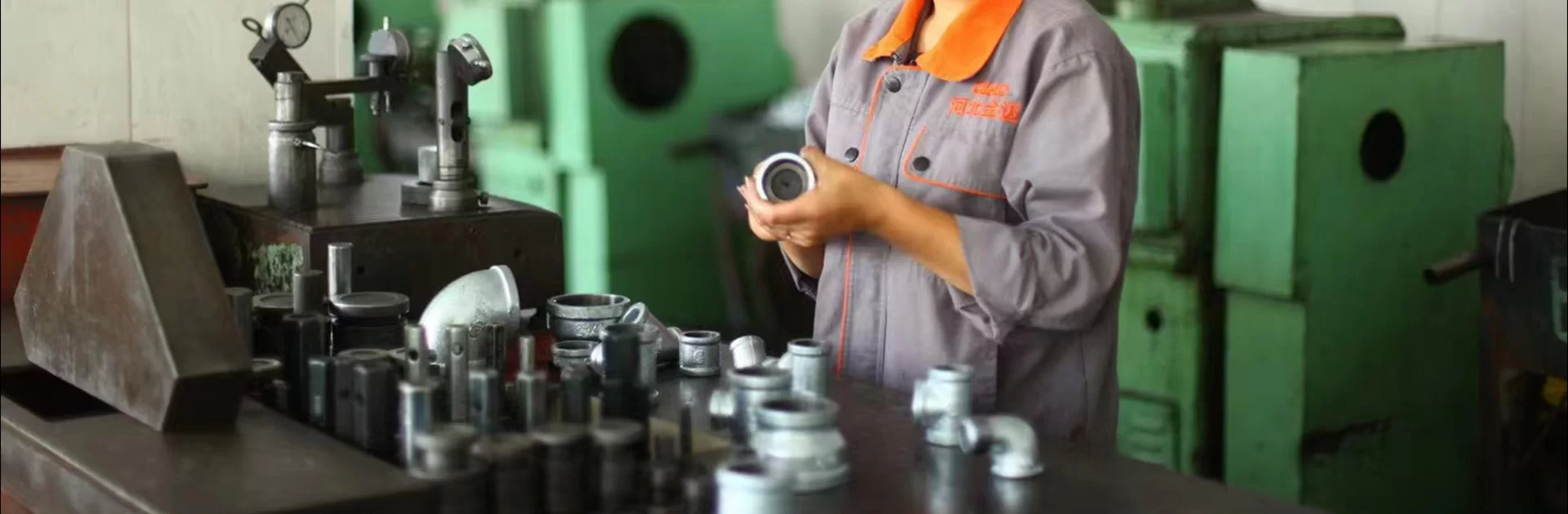
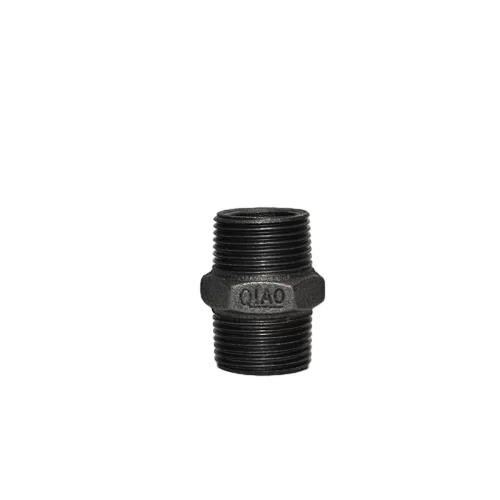
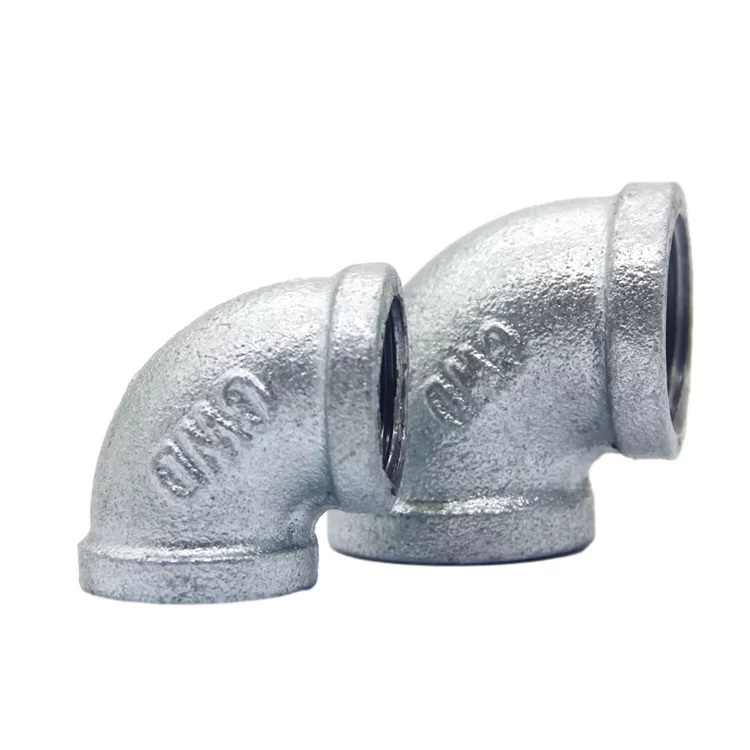
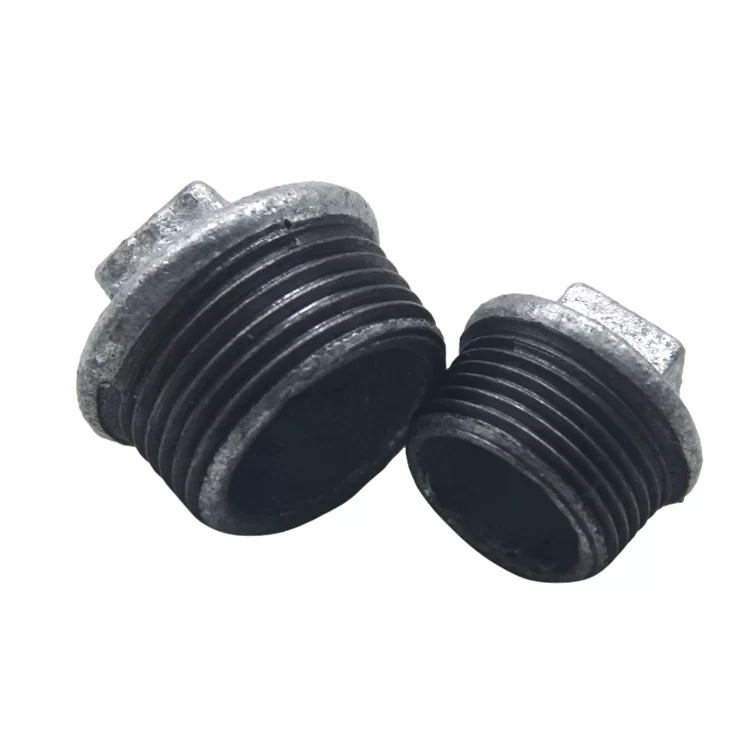
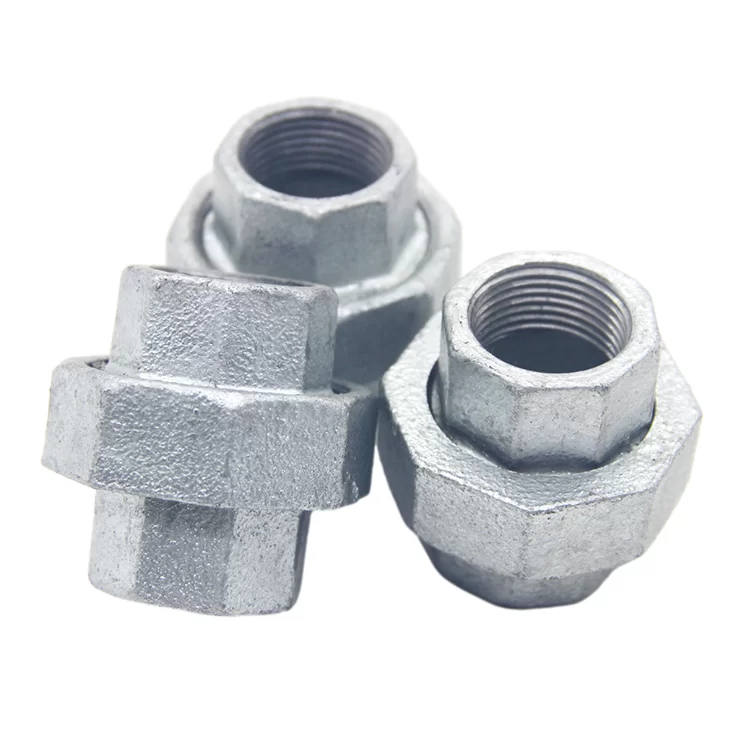
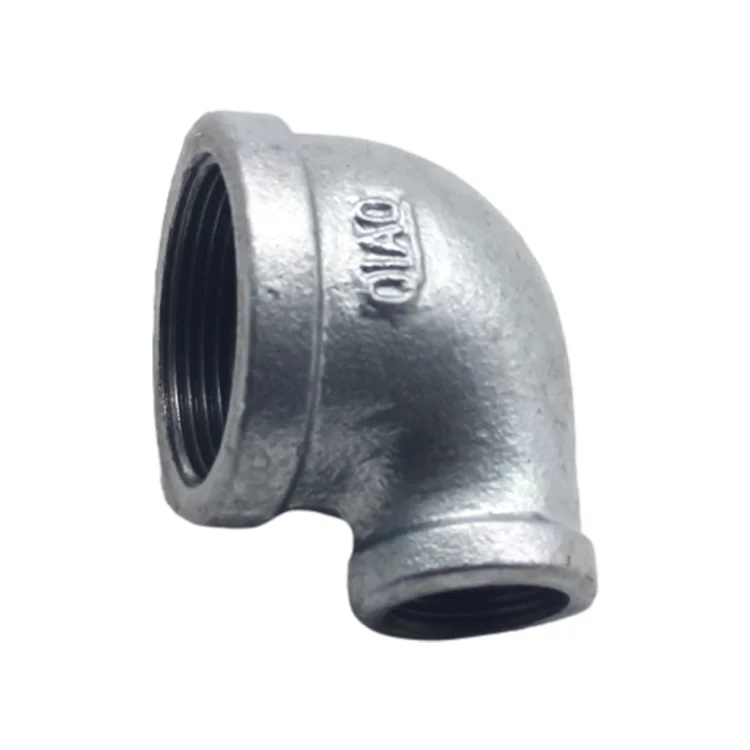
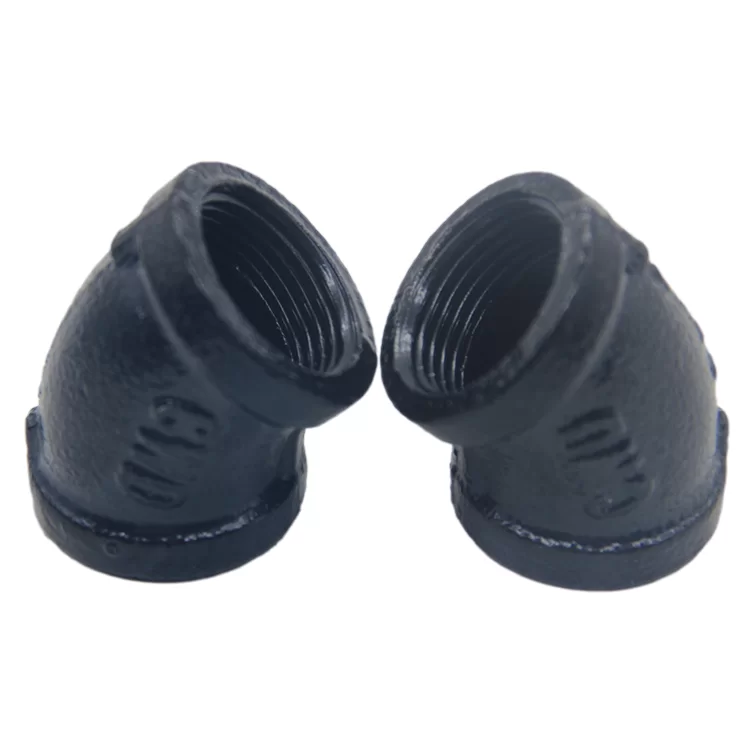
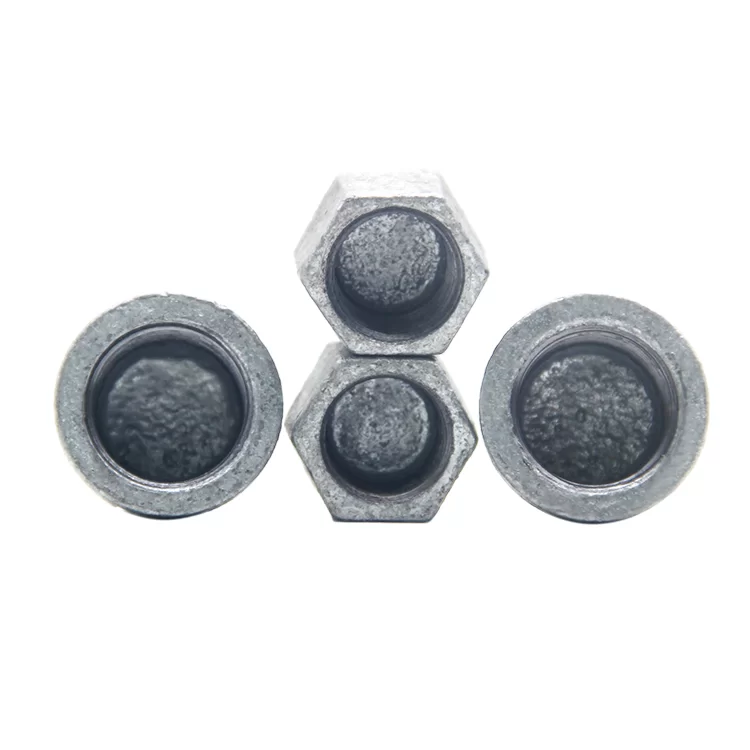
The early 2000s saw a gradual recovery, driven by increased demand from the agricultural and construction sectors. Foundries began to explore more efficient casting processes, like shell molding. The introduction of automated pouring systems and improved pattern-making techniques also helped to enhance productivity. The demand for malleable iron pipe fittings began to grow with housing starts.
From 2010 onwards, there has been a growing awareness of the importance of quality control and adherence to international standards (ISO 9001). Some Belarusian foundries have started to invest in advanced technologies like lost-foam casting and precision investment casting, focusing on higher-value, specialized products.
Future Development Trends
Automation and Robotics
Increased automation in casting processes, including robotic pouring and finishing, will be crucial for improving efficiency and reducing labor costs. This aligns with global trends identified by industry reports (Google Trends data shows a significant increase in searches for "automated foundry" in the past 5 years).
Digitalization and Industry 4.0
The adoption of Industry 4.0 technologies, such as digital twins and predictive maintenance, will enable foundries to optimize their operations and improve product quality. Data analytics will play a key role in identifying areas for improvement and reducing waste.
Sustainable Casting Practices
There's a growing focus on environmentally friendly casting processes, including the use of recycled materials and the reduction of energy consumption. Regulations regarding emissions and waste disposal are becoming more stringent, driving the need for sustainable solutions.