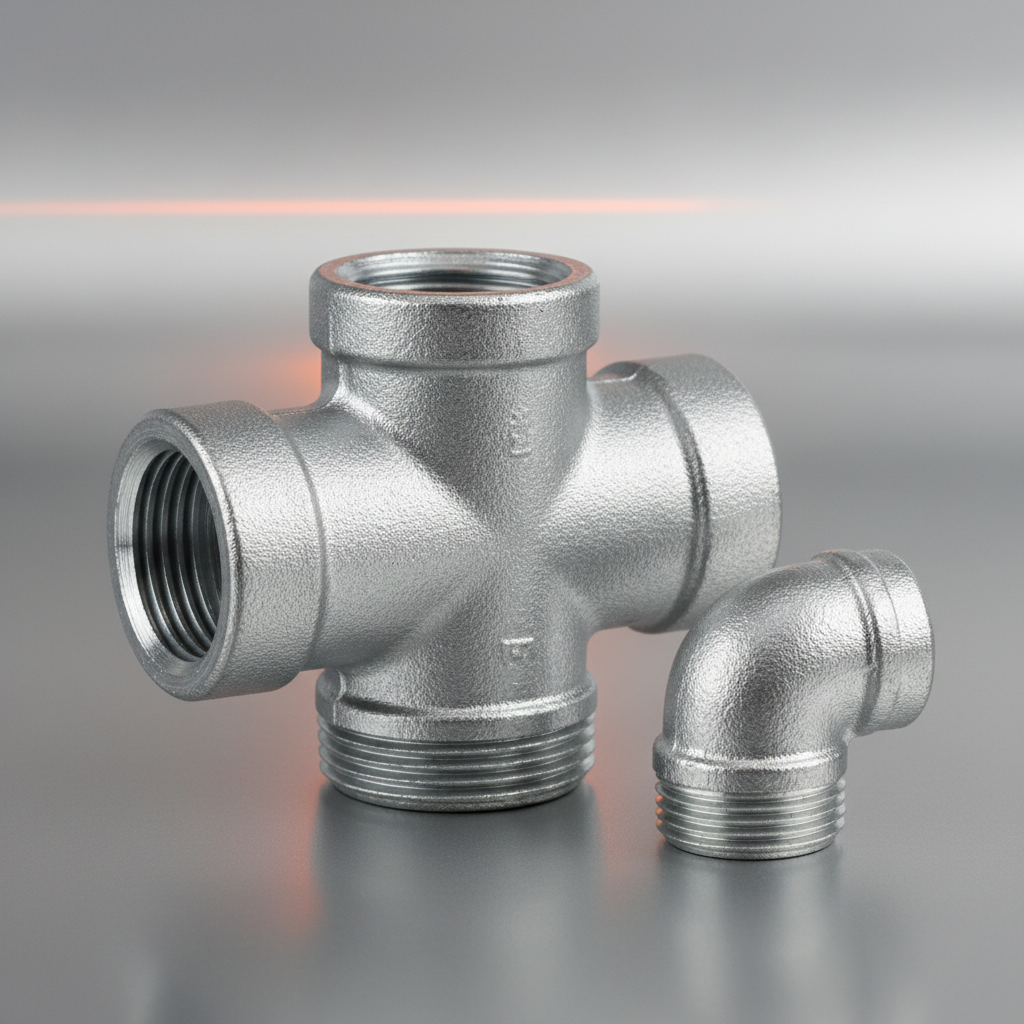

High Quality China black malleable iron pipe fittings for Industry
When managing complex piping networks, the ability to efficiently transition between different pipe diameters without compromising system integrity is a critical engineering challenge. The Malleable Iron Black Fitting Bushing is specifically engineered to solve this problem, providing a high-strength bridge for diameter reduction and seamless pipe repair. Unlike standard cast iron, these components undergo a specialized annealing process that removes brittleness, ensuring they can withstand mechanical stress and pressure spikes in demanding industrial environments.
For procurement managers and maintenance engineers, choosing high-grade China black malleable iron pipe fittings means investing in long-term leak prevention and reduced downtime. By utilizing high-temperature blackening anti-rust treatments, these bushings are optimized for HVAC systems, building water supplies, and industrial drainage projects, offering an economical alternative to full pipe replacement during renovations or emergency repairs.

Engineering Superiority of Malleable Cast Iron in Piping Systems
The fundamental value of these bushings lies in the metallurgy of high-strength malleable iron. Traditional cast iron is often too brittle for high-vibration or high-pressure environments, leading to catastrophic cracking. Malleable iron, however, is produced through a heat treatment process that transforms the carbon structure, granting the material significant ductility and toughness. This allows the bushing to absorb mechanical shocks and thermal expansion without failing.
To further enhance durability, the components are treated with a high-temperature blackening process. This is not merely an aesthetic choice; it creates a chemically stable oxide layer that acts as a primary barrier against moisture and oxygen. In sectors like black metal smelting and construction plumbing, this surface treatment is essential for preventing oxidation in humid or chemically active atmospheres.
- Enhanced Ductility: Prevents cracking under pressure compared to standard grey iron.
- Precision Threading: CNC machined external small threads and internal large threads ensure a tight fit.
- Thermal Stability: Rated for operating temperatures ranging from -20℃ to 110℃.

Practical Applications and Operational Benefits for Maintenance
In real-world industrial scenarios, the Malleable Iron Black Fitting Bushing serves as a versatile tool for both new installations and critical repairs. In HVAC and building water supply systems, these components allow engineers to connect pipes of different sizes efficiently. Instead of replacing entire sections of piping when a diameter change is required, a bushing can be installed in minutes, significantly reducing labor costs and system downtime.
Furthermore, these fittings are invaluable for thread repair. If a pipe hole becomes damaged or enlarged, the bushing provides a way to restore the connection integrity without the need for welding or expensive specialized equipment. The double-layer sealing mechanism, achieved through precision CNC machining, ensures that once installed with appropriate PTFE tape, the connection remains leak-proof under PN10 pressure ratings.
This efficiency is particularly evident in large-scale commercial drainage projects where rapid installation is required to meet strict project deadlines. The compact structural footprint of the bushing allows for seamless integration even in confined spaces, such as wall cavities or tight mechanical rooms.
Strategic Procurement and Selection Criteria for Industrial Buyers
When sourcing China black malleable iron pipe fittings, buyers must look beyond the price point and evaluate the technical consistency of the manufacturer. Key considerations include the precision of the thread fit and the uniformity of the anti-rust coating. A failure in thread tolerance can lead to slow leaks that are difficult to detect until significant damage has occurred.
Experienced procurement managers prioritize suppliers who implement strict QC monitoring for every batch. Dimensional accuracy is paramount; any deviation in the G1/2” to G3/4” specifications can result in installation failures. Additionally, verifying the pressure rating (such as PN10) ensures that the component is compatible with the specific hydraulic requirements of the system, whether it is a low-pressure drainage line or a more demanding water supply network.
Customization capabilities also play a role in supplier selection. Many industrial projects require bespoke thread specifications or specialized surface treatments to meet local building codes or specific environmental challenges. Partnering with a manufacturer that offers a dedicated customization hub allows for a more tailored approach to piping integrity.
Technical Performance and ROI Comparison
| Metric | Standard Pipe Replacement | Malleable Iron Bushing | Operational Benefit |
|---|---|---|---|
| Installation Time | High (Hours) | Low (Minutes) | Rapid System Recovery |
| Material Waste | High (Full Sections) | Minimal (Single Piece) | Eco-Friendly/Low Cost |
| Labor Expense | Expensive | Economical | Reduced Man-Hours |
| System Downtime | Extensive | Minimal | Higher Productivity |
| Sealing Reliability | Variable | High (Double Seal) | Leak Prevention |
Manufacturing Quality and Logistics Management
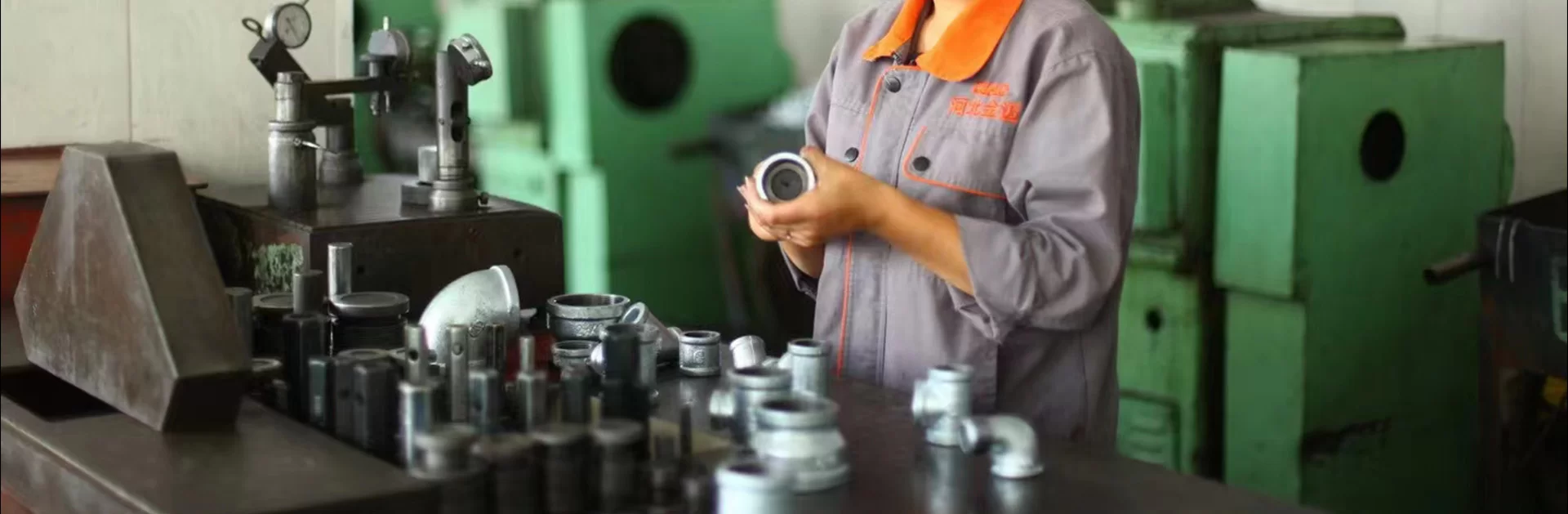
The reliability of a piping component is a direct result of the manufacturing process. At HEBEI JINMAI CASTING, the production of malleable iron components begins with premium raw materials and proceeds through a controlled casting process. The subsequent annealing phase is the most critical step, as it ensures the carbon is spheroidized, giving the iron its signature strength and flexibility. Every piece is then CNC machined to ensure the threads meet international standards for precision.
To support global distribution, an integrated management platform is employed. This includes real-time inventory control to prevent project delays and full order tracking from the casting stage to final shipping. For heavy-duty metal products, logistics synchronization is essential to minimize shipping costs and ensure that bulk orders arrive on site exactly when needed for installation.
Quality assurance is not a final step but a continuous process. Every batch undergoes dimensional accuracy testing and thread fit verification. This rigorous approach ensures that the "zero leakage" goal is achievable for the end-user, regardless of the complexity of the piping layout.
Future Trends in Industrial Piping and Material Evolution
The piping industry is moving toward materials that offer a better balance between cost, durability, and environmental impact. While plastics are common in residential settings, industrial applications still rely heavily on metal alloys due to their superior pressure resistance and thermal stability. The evolution of malleable iron focuses on enhancing the anti-corrosion layers and improving the precision of CNC machining to reduce the reliance on excessive sealants.
We are seeing an increase in demand for "smart" procurement, where digital twins and BIM (Building Information Modeling) are used to specify the exact number and size of fittings required before a project begins. This reduces on-site waste and ensures that the correct bushings, such as the G1/2” to G3/4” variants, are delivered in precise quantities.
As global standards like ISO and ASTM continue to evolve, the focus is shifting toward total lifecycle value. Buyers are no longer just looking for the cheapest fitting but are analyzing the cost of installation, the likelihood of failure, and the ease of future maintenance. Malleable iron remains a cornerstone of this value proposition due to its proven track record in harsh industrial environments.
Frequently Asked Questions about Malleable Iron Bushings
What is the primary benefit of using malleable iron over standard cast iron for bushings?
Malleable iron undergoes a heat treatment process that removes the brittleness of cast iron, providing much higher strength and ductility, which prevents cracking under pressure.
How does the high-temperature blackening process prevent rust?
The blackening process creates a chemically stable oxide layer on the surface of the metal, which acts as a barrier against oxygen and moisture, significantly reducing corrosion.
Can these bushings be used in high-pressure industrial systems?
These bushings are rated for PN10 pressure. They are ideal for water supply, drainage, and HVAC systems, but should be verified against specific high-pressure requirements.
What is the best way to ensure a leak-proof installation?
Clean the threaded hole thoroughly, apply sufficient PTFE tape to the external threads, and use a suitable tool to tighten the bushing without exceeding the torque limit.
In which industries are malleable iron pipe fittings most commonly used?
They are widely used in the black metal smelting industry, construction plumbing, industrial HVAC systems, and mechanical equipment interface conversions.
Are these bushings compatible with different thread standards?
Our standard products typically follow G-thread specifications (e.g., G1/2" to G3/4"). However, we can provide custom sizes based on your specific project requirements.
Technical References and Industry Sources
- Encyclopedia of Pipe Fitting Standards and Types
- ASTM International Material Specifications
- ISO Standards for Casting and Metallurgy
- ASME B16.3 - Malleable Iron Threaded Fittings
Selecting the right diameter reduction components is essential for maintaining the long-term integrity of any industrial piping network. By prioritizing material ductility and surface protection, you can ensure a leak-free system that minimizes maintenance costs.
Related Articles