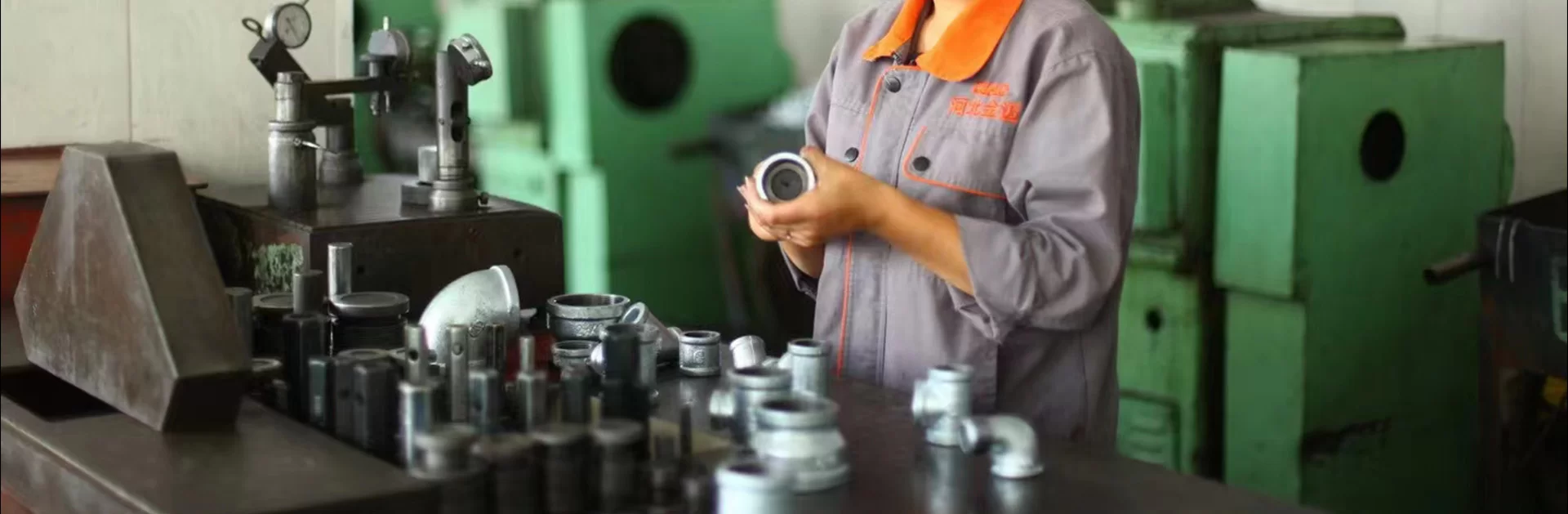
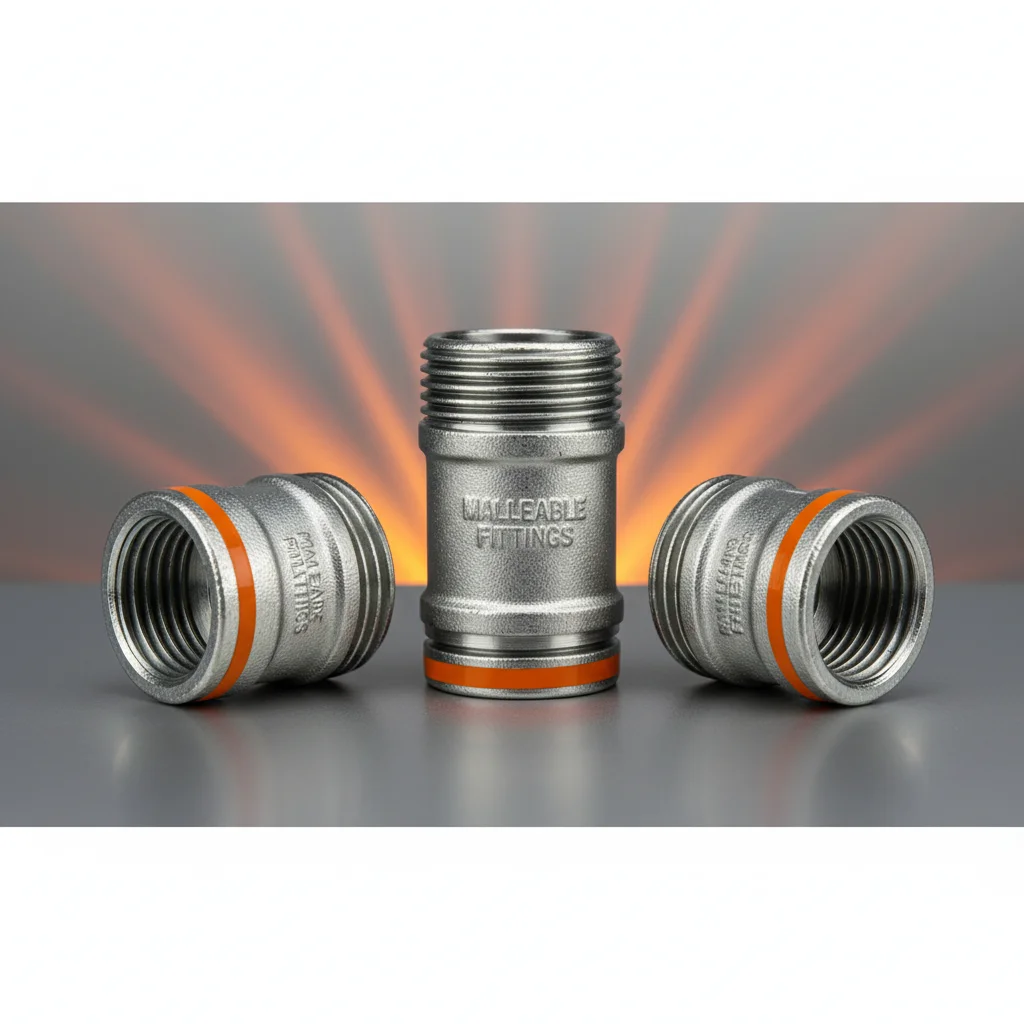
The global demand for high-performance piping systems has led to a significant shift toward components that offer both structural integrity and ease of maintenance. Among these, the development of specialized solutions like loosening galvanized pipe fittings represents a critical evolution in managing fluid dynamics and systemic corrosion. These components are essential for ensuring that industrial networks can be adjusted or serviced without compromising the overall seal of the system.
In modern industrial engineering, the challenge often lies in balancing the need for rigid, leak-proof connections with the practical necessity of periodic system reconfiguration. Traditional fixed fittings often require complete section replacements during upgrades, leading to costly downtime. The introduction of adaptable designs, similar to the concept of loosening galvanized pipe fittings, allows operators to maintain high pressure tolerances while facilitating easier installation and disassembly in tight quarters.
Understanding the technical specifications of these fittings is paramount for engineers working in corrosive environments. By integrating advanced materials such as malleable cast iron with cutting-edge coatings, industry leaders are now achieving salt spray resistance that exceeds 1200 hours. This guide explores the intersection of innovative design and material science, focusing on how modern pipe fittings solve the complex challenges of chemical piping and marine systems.

Integrated Design and Leak Prevention
The evolution of pipe geometry has led to the creation of integrated reduction and bend components. By molding the 90° bend and reduction transition into a single unit, manufacturers effectively eliminate multiple connection points, which are historically the most common sites for leakage. This seamless integration is a significant upgrade over traditional loosening galvanized pipe fittings that rely on multiple separate joints.
Furthermore, optimizing the elbow curvature radius to 1.5D has a direct impact on operational efficiency. This specific design choice reduces fluid resistance by approximately 40%, ensuring that the medium flows with minimal turbulence. When combined with a one-piece construction, the system achieves a level of reliability that is indispensable for high-stakes industrial piping.
Advanced Corrosion Protection Standards
Corrosion remains the primary enemy of metallic piping systems, particularly in coastal or chemical environments. To combat this, modern fittings utilize a simultaneous electrophoresis process on both inner and outer walls. This ensures 360° full corrosion protection, preventing the internal pitting that often plagues lower-quality galvanized options.
The technical superiority of this approach is evident in the coating specifications. An epoxy electrophoretic coating thickness of 40-45μm allows these components to withstand salt spray for over 1200 hours. This surpasses the baseline performance of standard loosening galvanized pipe fittings, providing a robust barrier against aggressive chemical media and saline air.
Validation is achieved through rigorous testing, including the 30-day cyclic corrosion test (CCT) and a tolerance for pH levels ranging from 4 to 10. This ensures that whether the fitting is installed in a wastewater treatment plant or a ship's cabin, the material integrity remains uncompromised over long-term exposure.
Intelligent Stress Distribution and Fluidics
Engineering precision is now driven by Finite Element Analysis (FEA), which allows for the optimization of wall thickness distribution. This ensures that pressure bearing is uniform across the entire fitting, reducing the risk of stress fractures at the joints. This scientific approach transforms the basic utility of loosening galvanized pipe fittings into a high-precision engineering component.
At the diameter change point, a gradual expansion and contraction design is employed to avoid turbulence. By eliminating abrupt transitions, the system maintains a laminar flow, which reduces wear and tear on the internal coating. This attention to fluid dynamics is what separates professional-grade malleable iron fittings from generic loose-fitting alternatives.
Structural strength is further enhanced by the smooth transition between reinforcing ribs and the main body. This design philosophy minimizes stress concentration points, allowing the fitting to handle the mechanical vibrations common in industrial pump systems. Consequently, the longevity of these loosening galvanized pipe fittings is vastly improved.
Mechanical Performance and Pressure Ratings
The mechanical capabilities of malleable cast iron, when properly treated, allow for impressive operating thresholds. Current industry standards for these high-performance elbows support an operating pressure of up to 4.0 MPa (PN40 level), making them suitable for high-pressure industrial lines.
Durability is further proven through extreme temperature tolerance and fatigue testing. These components are designed to operate in environments ranging from -30℃ to 130℃ and have successfully passed 100,000 pressure pulse fatigue tests, ensuring they won't fail under the rhythmic stress of heavy machinery.
Performance Comparison of Pipe Fitting Technologies
Critical Application Scenarios
In chemical piping, the ability to handle pipeline reversal and diameter reduction in highly corrosive environments is vital. The combination of black epoxy electrophoresis and polyurethane topcoats makes these fittings ideal for transporting aggressive media where standard loosening galvanized pipe fittings would succumb to oxidation.
Marine systems and coastal facilities present another set of challenges, namely limited space and severe salt spray. The 1.5D optimized radius and integrated reduction design allow for compact pipeline layouts within ship cabins, while the CCT-tested coating ensures that ports and docks remain leak-free despite the harsh oceanic atmosphere.
Professional Installation and Quality Control
Successful deployment of these fittings begins with a strict installation protocol. Operators must first confirm that the medium flow direction aligns with the elbow direction to maintain the efficiency of the 1.5D radius. Connecting the larger diameter end to the main pipe and using nylon protective wrenches prevents damage to the specialized electrophoretic coating during tightening.
Post-installation, a 48-hour waiting period is recommended before performing pressure tests to allow the system to settle. Additionally, adding pipe supports at the elbow outlet is a professional necessity to mitigate the physical stress caused by fluid momentum changes, ensuring the longevity of the loosening galvanized pipe fittings.
Quality control is where the true value is locked in. Every casting undergoes 100% X-ray flaw detection to identify internal porosities, and a 7.2MPa water pressure test is held for 3 minutes. Dimensional accuracy is verified via Coordinate Measuring Machines (CMM), and coating adhesion is graded to the Grade 0 standard to guarantee zero peeling.
Selection Guidelines for Specialized Environments
Choosing the right fitting depends entirely on the environmental stressors of the project. For mildly corrosive environments, a standard electrophoretic coating provides sufficient protection. However, for moderate to heavy chemical exposure, the double-layer electrophoretic reinforced type is the recommended choice to ensure maximum lifespan.
Space constraints often dictate the geometry of the fitting; in such cases, the short radius (1D) series should be selected over the standard 1.5D models. For those operating in the food and beverage industry or pharmaceutical sectors, FDA-compliant coating options are available to ensure safety and regulatory compliance.
Ultimately, the goal is to match the material's chemical resistance and mechanical strength to the operational pressure and temperature of the system. By following these selection criteria, engineers can maximize the ROI of their infrastructure investments.
Comparison of Fitting Options for Various Industrial Environments
| Environment Type |
Recommended Coating |
Pressure Rating |
Durability Score |
| Coastal/Marine |
Double-Layer Epoxy |
4.0 MPa |
9.5/10 |
| Chemical Plant |
Reinforced Electrophoretic |
4.0 MPa |
9.0/10 |
| Standard Industrial |
Standard Electrophoresis |
3.0 MPa |
7.5/10 |
| Food Grade |
FDA Compliant |
2.0 MPa |
8.0/10 |
| Wastewater Treatment |
Polyurethane Topcoat |
4.0 MPa |
8.5/10 |
| General Construction |
Basic Galvanized |
1.5 MPa |
6.0/10 |
FAQS
Integrated reduction elbows combine the 90° turn and diameter change into a single molded piece. This eliminates the need for separate reducer and elbow joints, which significantly reduces potential leak points and simplifies installation in space-constrained areas, offering a more reliable alternative to traditional loosening galvanized pipe fittings.
Electrophoresis provides a 360° uniform coating on both inner and outer walls, whereas hot-dip galvanizing can be uneven. With a thickness of 40-45μm and salt spray resistance exceeding 1200 hours, electrophoretic coatings offer superior protection against chemical corrosion and a smoother internal surface for better fluid flow.
Yes, these malleable cast iron fittings are designed for operating pressures up to 4.0 MPa (PN40 level). They have passed 100,000 pressure pulse fatigue tests, ensuring they can handle the dynamic loads and high-pressure requirements of industrial chemical and marine piping systems.
It is critical to ensure the flow direction matches the elbow direction. Use nylon protective wrenches to avoid scratching the epoxy coating. We also strongly recommend waiting 48 hours after installation before performing pressure tests and adding supports at the elbow outlet to prevent mechanical stress.
Yes, while the standard black epoxy electrophoresis is designed for industrial use, FDA-compliant coating options are available. These are specifically engineered to meet the safety and hygiene standards required for food-related and medical piping systems.
Every fitting undergoes a comprehensive quality control process: 100% X-ray flaw detection for castings, a 7.2MPa water pressure test held for 3 minutes, coating adhesion tests to Grade 0 standards, and CMM dimensional verification to ensure absolute precision.
Conclusion
The transition toward integrated, high-performance piping components is no longer just an option but a necessity for modern industrial reliability. By combining the strength of malleable cast iron with advanced epoxy electrophoresis and an optimized 1.5D radius, modern loosening galvanized pipe fittings address the critical needs of leak prevention, corrosion resistance, and fluid efficiency. From marine systems to chemical plants, these technical advancements ensure that infrastructure is both durable and maintainable.
Looking forward, the integration of FEA-driven design and stricter quality control protocols like X-ray detection will continue to push the boundaries of what piping systems can endure. We suggest that engineers prioritize integrated components and specific coating types based on the pH and salinity of their environment to maximize system lifespan. For more professional piping solutions, visit our website: www.jinmaicasting.com.