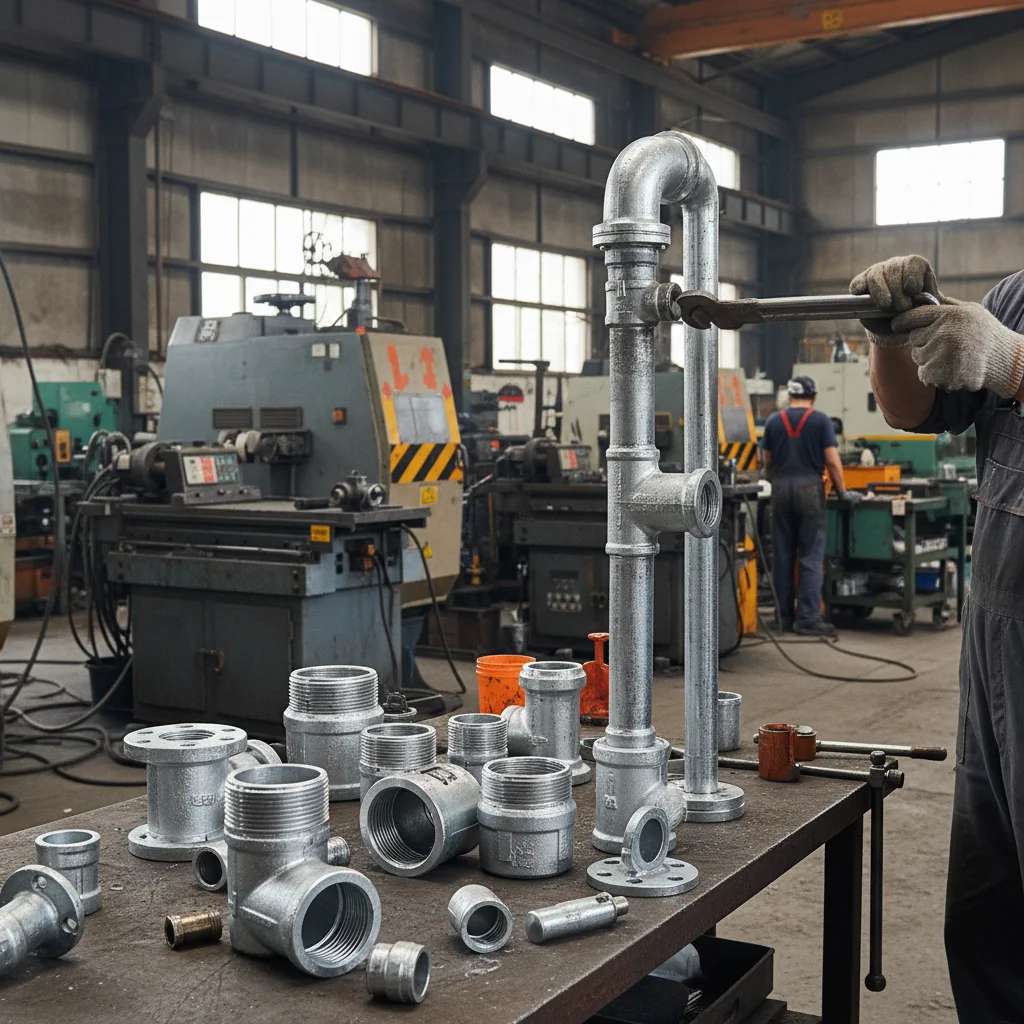
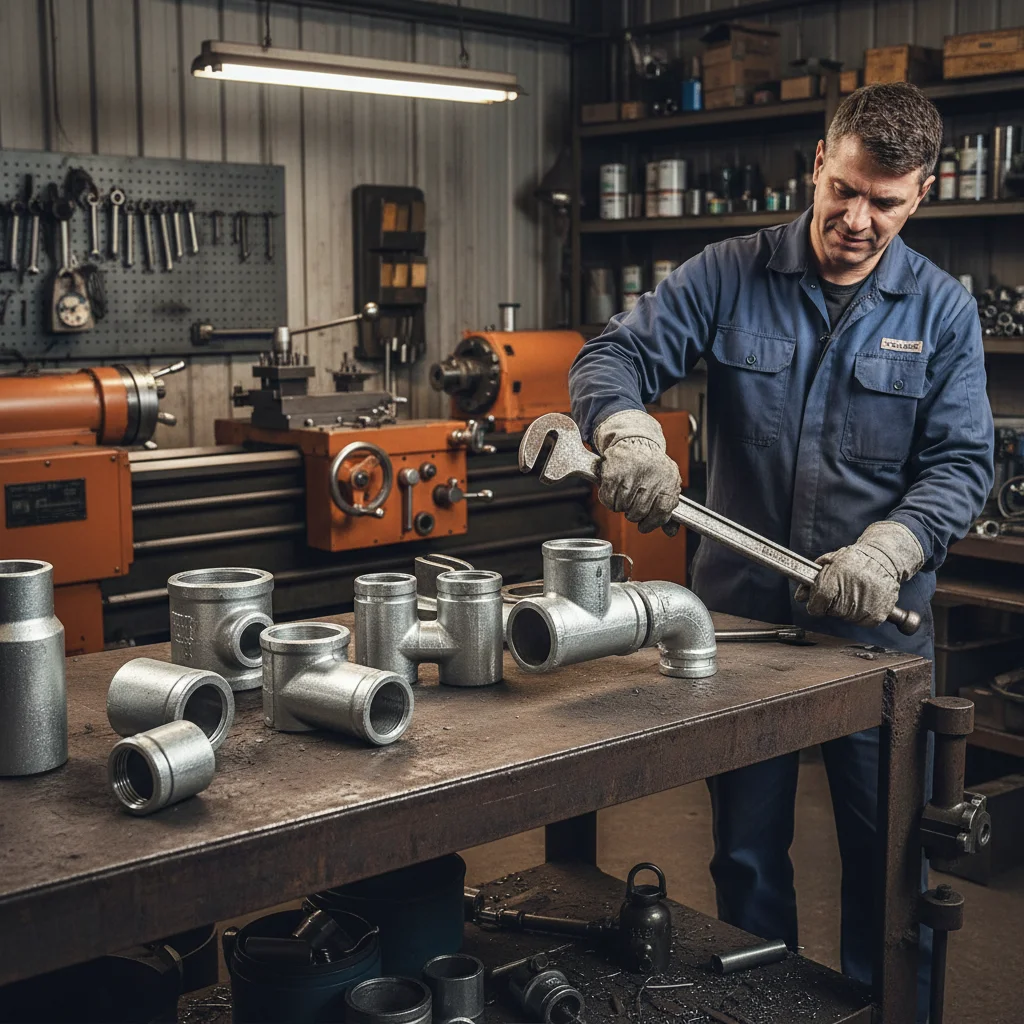
When it comes to ensuring the structural integrity and longevity of fluid transport systems, the selection of high-quality components is paramount. 3 4 galvanized pipe fittings serve as a critical junction in countless industrial and residential piping networks, offering a perfect balance between size efficiency and robust protection against oxidation. By combining the versatility of 3/4-inch sizing with a protective zinc coating, these fittings ensure that systems remain leak-proof and durable even in the most demanding environments.
Globally, the demand for reliable corrosion resistance has pushed the metallurgy industry toward standardized galvanization processes. For engineers and contractors, 3 4 galvanized pipe fittings are not merely connectors but are essential safeguards against the silent threat of rust, which can lead to catastrophic system failures. Understanding the nuances of their composition and application is key to optimizing maintenance costs and extending the lifecycle of infrastructure.
In this comprehensive guide, we will explore the technical specifications, global applications, and future trends surrounding 3 4 galvanized pipe fittings. Whether you are managing a large-scale industrial plant or overseeing a commercial renovation, mastering the selection and installation of these components is vital for achieving long-term operational reliability and safety.
Global Industry Context of 3 4 Galvanized Pipe Fittings
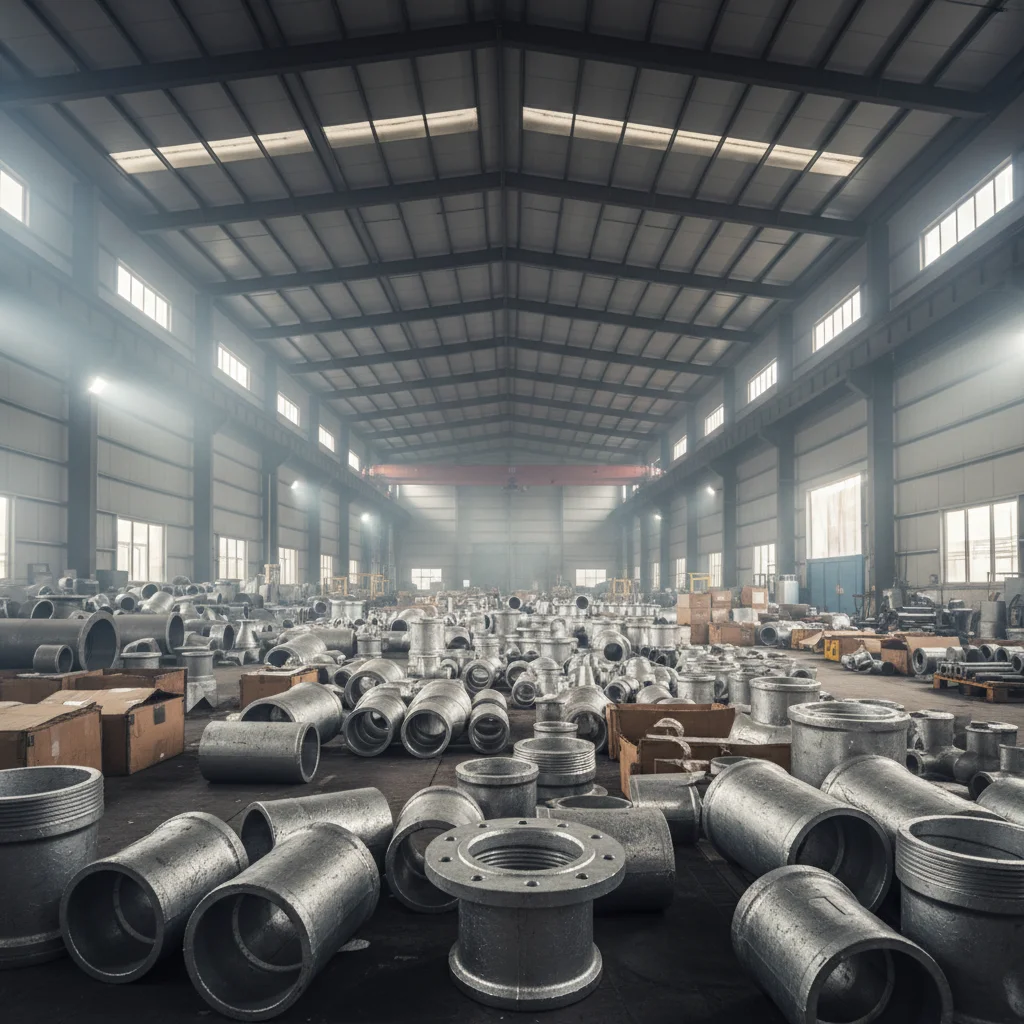
The global infrastructure market relies heavily on the standardization of piping components to ensure interoperability across borders. 3 4 galvanized pipe fittings have become a staple in the industry, adhering to ISO and ASTM standards that guarantee a precise fit and consistent wall thickness. As urban expansion continues in developing regions, the need for cost-effective yet durable piping solutions has surged, placing these galvanized components at the forefront of water and gas distribution projects.
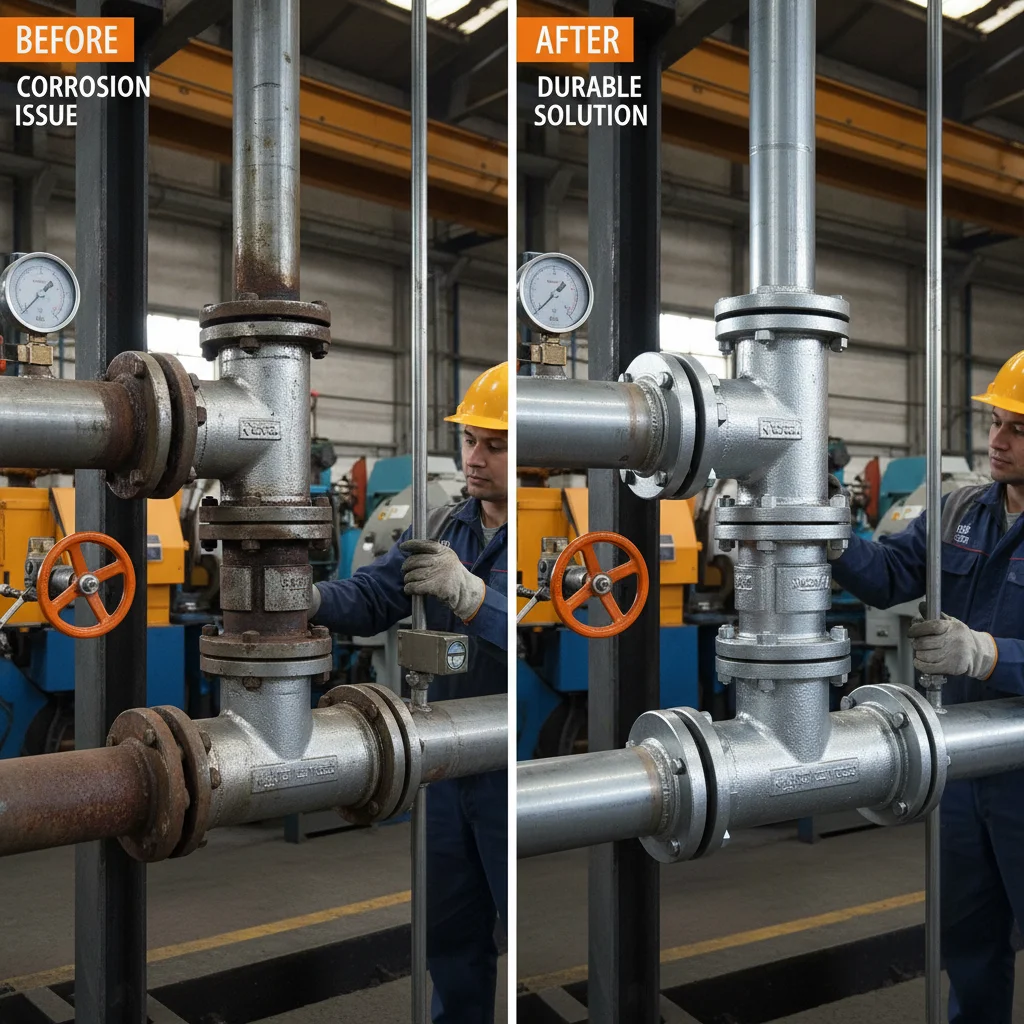
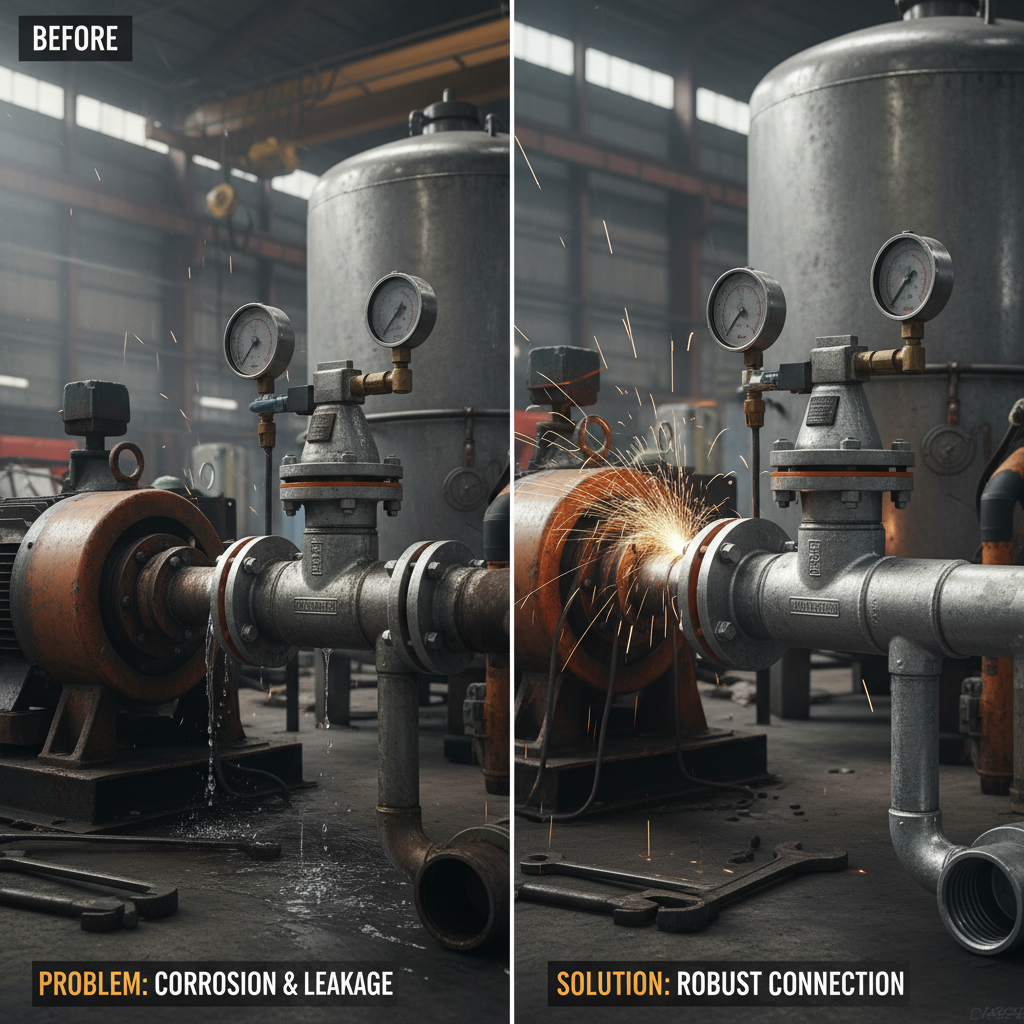
However, the industry faces a constant battle against environmental corrosion, especially in coastal regions where saline air accelerates metal degradation. This is where the strategic implementation of 3 4 galvanized pipe fittings becomes critical; the zinc layer acts as a sacrificial anode, protecting the underlying steel from rust. By reducing the frequency of pipe bursts and leaks, these fittings help cities reduce water waste and lower the carbon footprint associated with frequent infrastructure replacement.
Defining the Standards of 3 4 Galvanized Pipe Fittings
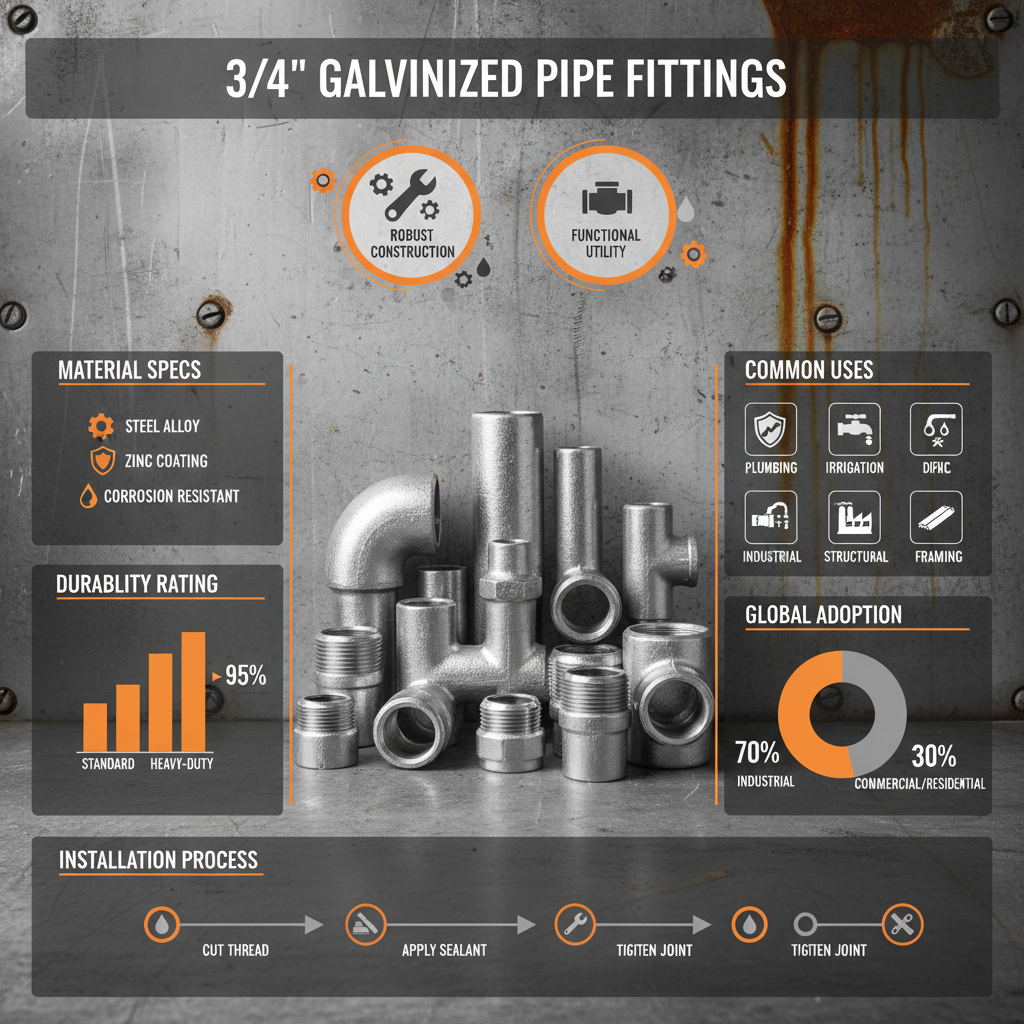
In technical terms, 3 4 galvanized pipe fittings refer to components with a nominal pipe size (NPS) of 3/4 inch that have undergone a hot-dip galvanizing process. This process involves submerging the iron or steel fitting into a bath of molten zinc, creating a metallurgical bond that is far superior to simple painting or cold-galvanizing sprays. The result is a hard, silver-grey coating that provides an airtight seal and exceptional resistance to moisture.
From a functional perspective, these fittings are essential for bridging the gap between modern industrial efficiency and long-term sustainability. Because the 3/4-inch diameter is a common standard for residential plumbing and small-scale industrial lines, the 3 4 galvanized pipe fittings serve as the "universal connectors" that allow for rapid assembly and easy modification of piping layouts without sacrificing the structural integrity of the system.
Furthermore, the connection to humanitarian needs is evident in the deployment of rapid-response water systems in disaster-stricken areas. The ease of transporting and installing 3 4 galvanized pipe fittings allows NGOs and government agencies to establish clean water access quickly, ensuring that essential fluids are transported without contamination from rust or external pollutants.
Core Components and Technical Factors
The durability of 3 4 galvanized pipe fittings is primarily determined by the thickness and uniformity of the zinc coating. A consistent dip ensures that no "dry spots" remain, as even a microscopic gap in the galvanization can become a starting point for oxidation. High-grade fittings are often tested for coating thickness using magnetic gauges to ensure they meet international durability benchmarks.
Scalability is another core factor, as 3 4 galvanized pipe fittings are designed to integrate seamlessly with a wide range of other components, including malleable iron and black pipe fittings. This compatibility allows engineers to scale a system from a single line to a complex network of manifolds without needing specialized adapters, thereby reducing the number of potential leak points.
Cost efficiency is achieved not through the lowest initial purchase price, but through the reduction of total cost of ownership (TCO). While 3 4 galvanized pipe fittings may carry a slight premium over non-coated alternatives, the drastic reduction in maintenance intervals and the avoidance of costly emergency repairs make them the most economical choice for long-term industrial investments.
Real-World Applications and Global Use Cases
In the industrial sector, 3 4 galvanized pipe fittings are extensively used in HVAC systems and fire sprinkler networks. In these environments, pipes are often exposed to condensation and temperature fluctuations that would cause standard steel to corrode rapidly. By utilizing galvanized fittings, facility managers ensure that the safety systems remain operational for decades, meeting stringent building codes and insurance requirements.
Beyond the city, these fittings are indispensable in remote industrial zones, such as mining sites in Australia or oil fields in the Middle East. In these harsh climates, 3 4 galvanized pipe fittings provide the necessary ruggedness to withstand extreme heat and abrasive dust, ensuring that coolant and lubrication lines remain intact despite the brutal external conditions.
Performance Comparison of 3 4 Galvanized Pipe Fittings Variants
Long-Term Value and Reliability Benefits
The primary value of 3 4 galvanized pipe fittings lies in their ability to provide peace of mind. In high-pressure environments, the psychological weight of worrying about a potential leak can be immense. By choosing a galvanized solution, operators gain a level of trust in their infrastructure, knowing that the material is specifically engineered to resist the chemical reactions that lead to failure.
Moreover, from a sustainability angle, the longevity of these fittings reduces the environmental impact of manufacturing. Since 3 4 galvanized pipe fittings last significantly longer than untreated steel, there is a reduced need for mining new ore and utilizing the energy-intensive smelting process for replacements. This makes them a logical choice for companies aiming to meet ESG (Environmental, Social, and Governance) targets.
Future Innovations in Galvanized Fitting Technology
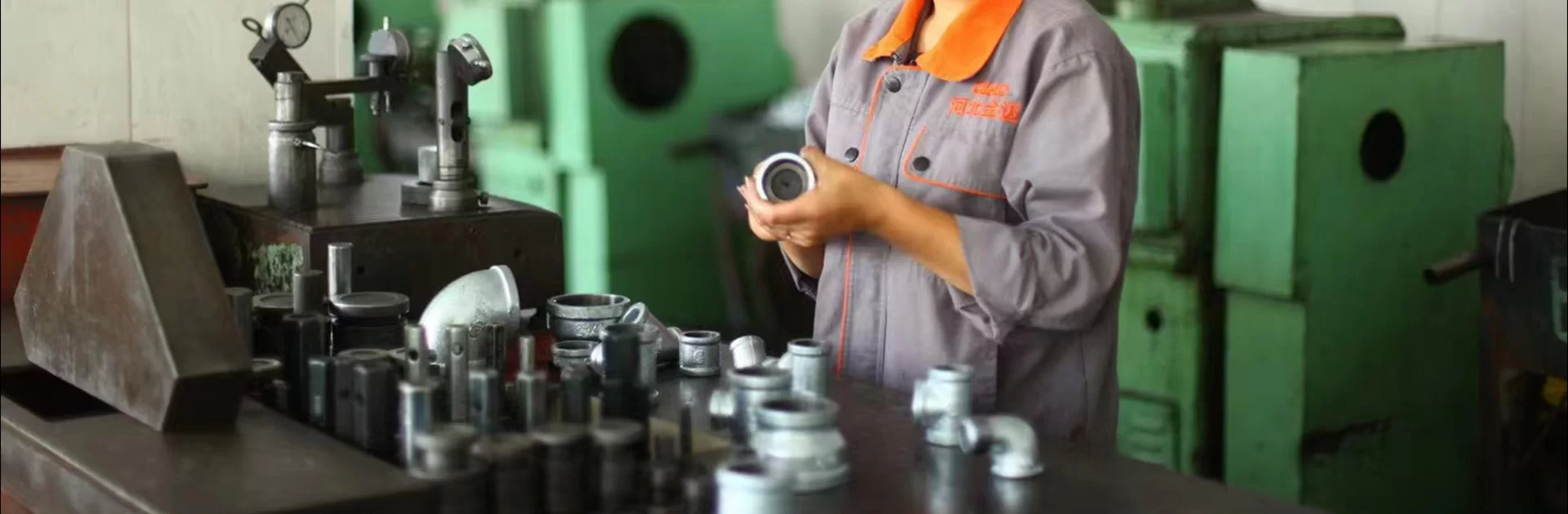
As we move toward a more digitalized industrial landscape, the production of 3 4 galvanized pipe fittings is being revolutionized by automation and AI. Precision casting technologies now allow for tighter tolerances, ensuring that every thread is perfect, which further minimizes the risk of leaks at the connection points. Smart factories are now utilizing real-time monitoring to ensure the zinc bath temperature is constant, eliminating coating inconsistencies.
Another emerging trend is the development of "green galvanizing" processes. Innovations in chemistry are reducing the amount of hazardous waste produced during the pickling stage of galvanization. These eco-friendly 3 4 galvanized pipe fittings maintain the same protective properties while adhering to stricter environmental laws, making them more attractive to government-funded green building projects.
Furthermore, we are seeing the integration of nano-coatings alongside traditional galvanization. By adding a nano-ceramic layer over the zinc, some manufacturers are creating 3 4 galvanized pipe fittings that can withstand even more aggressive chemical environments, such as those found in wastewater treatment plants or chemical processing facilities.
Overcoming Challenges in Fitting Installation
Despite their advantages, the installation of 3 4 galvanized pipe fittings comes with specific challenges, most notably the risk of "galvanic corrosion" when they are connected to dissimilar metals like copper. If not handled correctly, the electrical potential difference between the two metals can actually accelerate corrosion at the joint. Expert installers use dielectric unions to break the electrical path and preserve the integrity of the fitting.
Another common issue is the damage to the zinc coating during the threading process. When a pipe is cut and threaded on-site, the protective layer is removed from the threads. To solve this, professionals apply a cold-galvanizing compound to the exposed threads before tightening the 3 4 galvanized pipe fittings, effectively "healing" the protective barrier and preventing rust from starting inside the joint.
Finally, ensuring a proper seal requires a combination of high-quality thread sealant and precise torque. Over-tightening can stress the fitting, while under-tightening leads to leaks. By utilizing calibrated torque wrenches and high-grade PTFE tapes, the installation of 3 4 galvanized pipe fittings becomes a science, ensuring a lifetime of leak-free performance.
Comparative Analysis of 3 4 Galvanized Pipe Fitting Performance Metrics
|
Fitting Grade
|
Corrosion Resistance (1-10)
|
Installation Ease
|
Expected Lifespan (Years)
|
| Standard Hot-Dip |
8 |
High |
25-40 |
| Electro-Galvanized |
5 |
Very High |
10-15 |
| Heavy-Duty Industrial |
10 |
Medium |
50+ |
| Commercial Grade |
7 |
High |
20-30 |
| Pre-Galvanized Steel |
6 |
High |
15-20 |
| Nano-Coated Hybrid |
9 |
Medium |
40-60 |
FAQS
Hot-dip galvanizing involves immersing the fitting in molten zinc, creating a thick, durable layer that is far superior for outdoor or wet environments. Electro-galvanizing uses an electrical current to apply a thinner layer of zinc, which provides a smoother finish and is better for indoor, low-corrosion applications but offers significantly less long-term protection compared to hot-dip 3 4 galvanized pipe fittings.
Directly connecting galvanized steel to copper can cause galvanic corrosion, where the zinc anode degrades rapidly. To prevent this, you must use a dielectric union or a brass nipple between the two materials. This ensures that the 3 4 galvanized pipe fittings do not react chemically with the copper, preserving the system's integrity.
When you cut and thread a pipe, the protective zinc layer is removed. To protect these areas, apply a high-quality cold-galvanizing spray or zinc-rich paint to the threads before assembling your 3 4 galvanized pipe fittings. This restores the sacrificial protection and prevents rust from forming at the most vulnerable points of the connection.
Yes, hot-dip galvanized fittings are generally safe for water transport; however, over many decades, the zinc layer can degrade, which may affect water taste or quality. For modern high-purity drinking water systems, some prefer stainless steel, but for general purpose and irrigation, 3 4 galvanized pipe fittings remain a globally accepted and reliable standard.
Depending on the environment, high-quality hot-dip 3 4 galvanized pipe fittings can last anywhere from 25 to 50 years. In mildly corrosive indoor environments, they may last even longer. In highly saline or acidic environments, the lifespan may be reduced, but they will still far outperform non-galvanized black iron fittings.
Check for a uniform, silver-grey appearance without any peeling, blistering, or "black spots," which indicate poor galvanizing. You can also request a Material Test Report (MTR) from the supplier to verify the zinc coating thickness and the base metal composition. Ensuring your 3 4 galvanized pipe fittings meet ASTM or ISO standards is the best way to guarantee quality.
Conclusion
In summary, 3 4 galvanized pipe fittings represent an essential intersection of metallurgical science and practical engineering. By providing superior corrosion resistance, seamless scalability, and a significant reduction in long-term maintenance costs, these components ensure that fluid transport systems remain safe and efficient. From the precision of the hot-dip process to the strategic use of dielectric unions in installation, the reliability of these fittings is what supports the invisible infrastructure of our modern industrial world.
Looking forward, the shift toward green manufacturing and AI-driven precision will only enhance the value of these components. For engineers and procurement managers, investing in high-grade, standardized galvanized solutions is not just a technical choice, but a strategic decision to ensure operational continuity and sustainability. To secure the highest quality components for your next project, we invite you to explore our professional range. Visit our website: www.jinmaicasting.com