Get a Quote
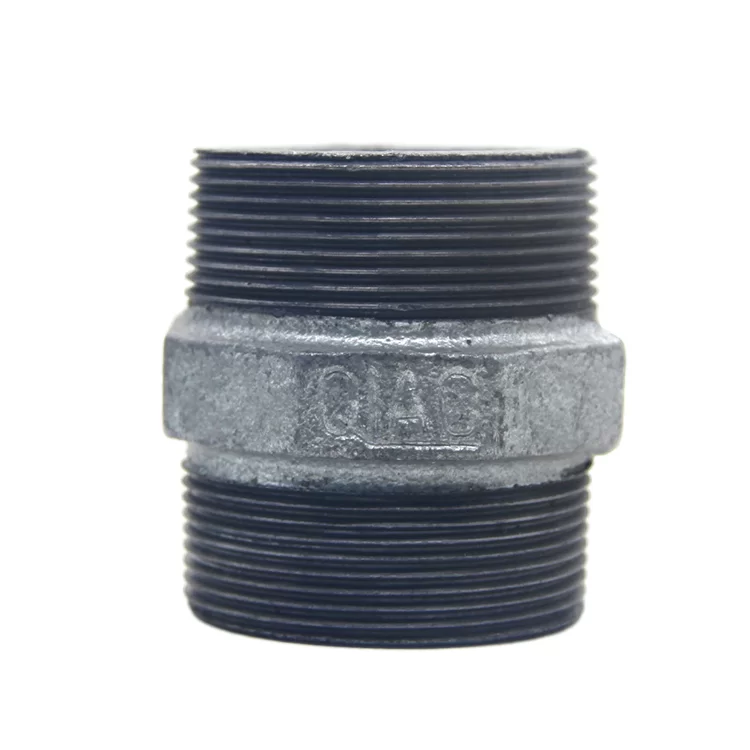
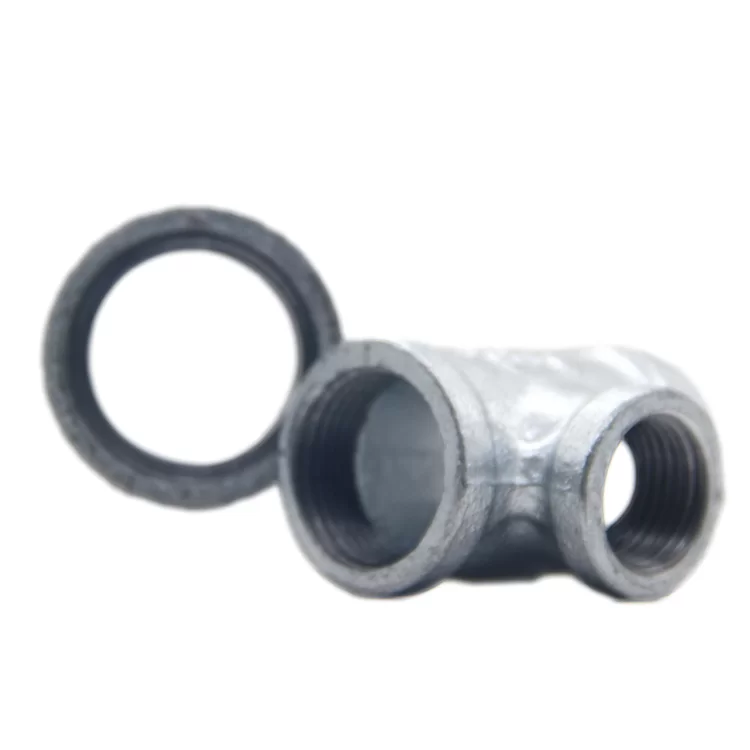
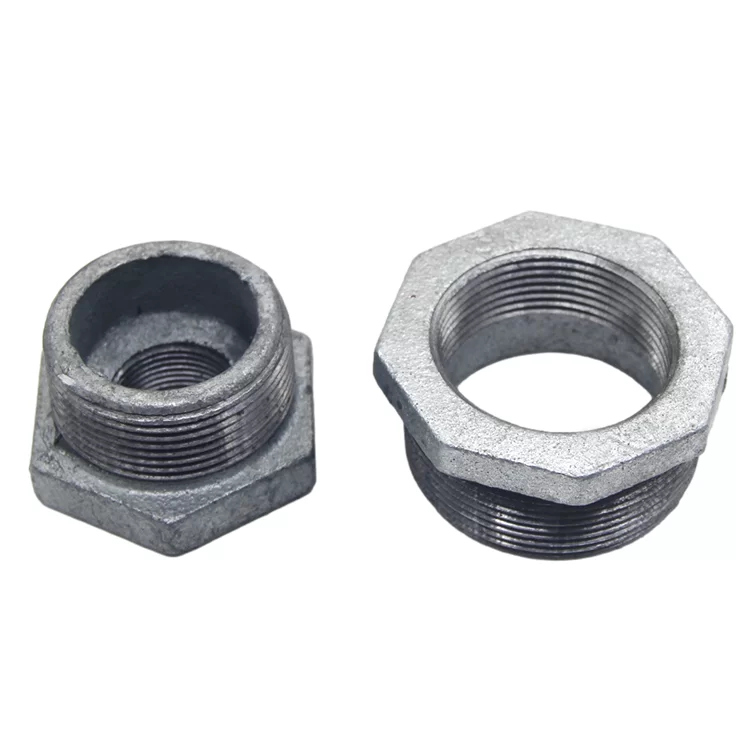
galvanized pipe fitting
HomeGlobal ServiceHighQuality galvanized pipe fitting Solutions in Belarus
HighQuality galvanized pipe fitting Solutions in Belarus

High-Quality galvanized pipe fitting Solutions in Belarus

Providing durable and reliable pipe fittings for diverse industrial applications across Europe.

High-Quality Galvanized Pipe Fitting Solutions in Belarus

Offering a comprehensive range of galvanized pipe fittings designed to meet the stringent demands of the Belarusian industrial sector.

Current State of Black Metal Casting in Belarus

An overview of the challenges and opportunities in the Belarusian black metal casting industry.

Belarus's industrial landscape, while historically strong in metalworking, faces ongoing challenges related to modernization and competition. Demand for malleable pipe fittings and related castings is tied to infrastructure projects and the agricultural sector, both vital to the Belarusian economy. However, the reliance on older technologies presents a bottleneck.

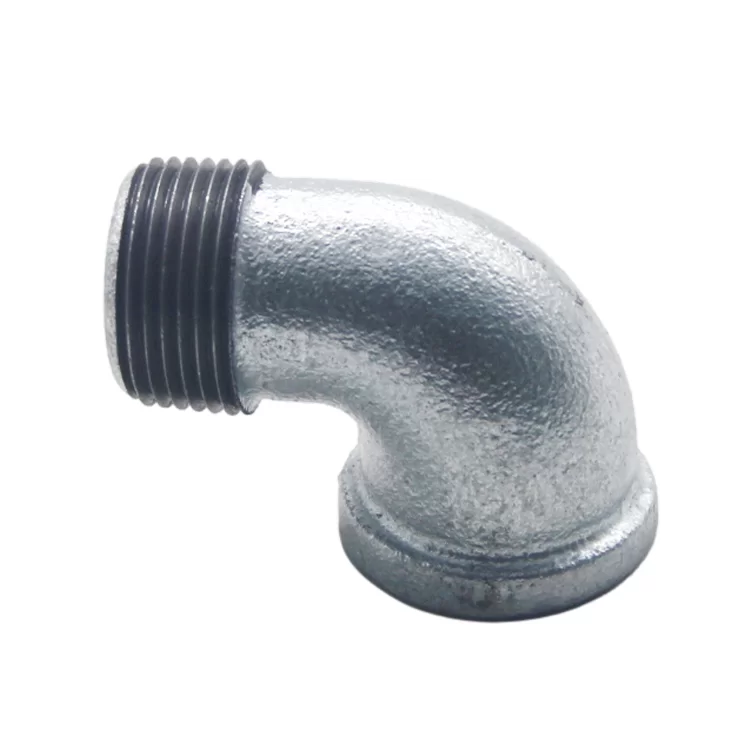
The geographical location of Belarus, bordering several EU countries and Russia, influences its trade dynamics. Access to raw materials and export markets are key considerations. The climate – with cold winters – necessitates robust materials like galvanized steel elbow, capable of withstanding harsh conditions.

Recent economic fluctuations and geopolitical factors have impacted investment in the manufacturing sector. Local foundries are often smaller in scale and require support to adopt new casting methods and quality control procedures. Demand for specialized castings, like black iron pipe fittings, remains steady, driven by the need for replacements and upgrades in existing systems.

Evolution of Black Metal Casting and Pipe Fitting Technology in Belarus

Tracing the development of casting techniques and materials in the Belarusian market.

Market Development History

In the Soviet era, Belarusian foundries primarily focused on large-scale production for centralized planning, utilizing traditional sand casting methods. The emphasis was on quantity rather than precision. Post-independence (1991), the industry experienced a period of decline due to economic instability and a lack of investment.

The early 2000s saw a gradual recovery, driven by increased demand from the agricultural and construction sectors. Foundries began to explore more efficient casting processes, like shell molding. The introduction of automated pouring systems and improved pattern-making techniques also helped to enhance productivity. The demand for malleable iron pipe fittings began to grow with housing starts.

From 2010 onwards, there has been a growing awareness of the importance of quality control and adherence to international standards (ISO 9001). Some Belarusian foundries have started to invest in advanced technologies like lost-foam casting and precision investment casting, focusing on higher-value, specialized products.

Future Development Trends

Automation and Robotics

Increased automation in casting processes, including robotic pouring and finishing, will be crucial for improving efficiency and reducing labor costs. This aligns with global trends identified by industry reports (Google Trends data shows a significant increase in searches for "automated foundry" in the past 5 years).

Digitalization and Industry 4.0

The adoption of Industry 4.0 technologies, such as digital twins and predictive maintenance, will enable foundries to optimize their operations and improve product quality. Data analytics will play a key role in identifying areas for improvement and reducing waste.

Sustainable Casting Practices

There's a growing focus on environmentally friendly casting processes, including the use of recycled materials and the reduction of energy consumption. Regulations regarding emissions and waste disposal are becoming more stringent, driving the need for sustainable solutions.


Industry Trends and Future Outlook for Metal Casting in Belarus

A look at the key developments and prospects for the Belarusian black metal casting sector.

Increased Demand for Precision Castings
Growing industries like agricultural machinery and automotive components are driving demand for high-precision castings, necessitating investment in advanced casting technologies.
Rising Material Costs
Fluctuations in global iron ore and steel prices will continue to impact the cost of production, forcing foundries to optimize their material usage and explore alternative alloys.
Growing Emphasis on Sustainability
Foundries will need to adopt more environmentally friendly practices to comply with stricter regulations and meet the demands of eco-conscious customers.
Opportunities in Export Markets
Belarusian foundries can leverage their proximity to EU and CIS markets to expand their export reach, particularly for specialized castings and pipe fittings.

Industry Outlook

The Belarusian black metal casting industry is expected to experience moderate growth in the next 3-5 years, driven by infrastructure development and increased demand from the agricultural sector. However, success will depend on the ability of foundries to modernize their operations, adopt sustainable practices, and compete effectively in the global market.

The demand for high-quality galvanized pipe fitting and related components will continue to grow as Belarus invests in upgrading its infrastructure and expanding its industrial base.

Local Application Scenarios for Metal Castings in Belarus

Real-world examples of how metal castings are used in various sectors across Belarus.

1. Agricultural Irrigation Systems

Belarus is a major agricultural producer, and efficient irrigation systems are vital for crop yields. Cast iron and ductile iron galvanized pipe fitting are used extensively in these systems due to their corrosion resistance and durability.

2. Municipal Water Supply Networks

Modernizing Belarus's municipal water supply infrastructure requires reliable pipe fittings and valves. Ductile iron castings offer the strength and longevity needed for underground water distribution networks.

3. Industrial Heating Systems

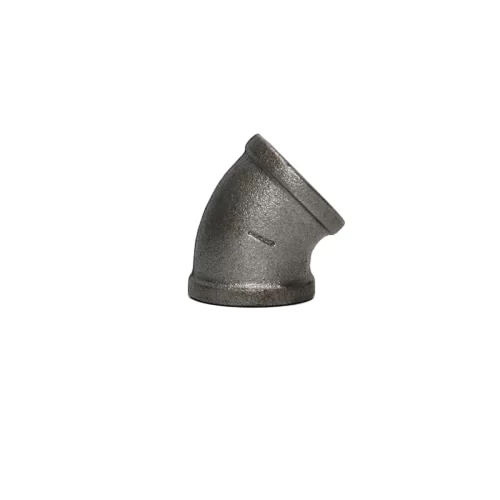
Many Belarusian factories and power plants rely on steam-based heating systems. Cast steel and cast iron components, including black iron pipe fittings, are used to withstand high temperatures and pressures.

4. Construction of Agricultural Machinery

Belarusian manufacturers of agricultural machinery (tractors, harvesters, etc.) require robust castings for various components, including engine parts, chassis elements, and transmission housings.

5. Railway Infrastructure

The Belarusian railway network requires durable castings for track components, signaling systems, and rolling stock. malleable pipe fittings are often used for auxiliary systems.

Brand Story

The Global Development of Hebei JinmaiMa Steel Co., Ltd.

Commitment to Quality

Since our founding, we have dedicated ourselves to providing metal castings of exceptional quality, consistently exceeding customer expectations.

Technological Innovation

We continuously invest in the latest casting technologies and processes to improve efficiency, reduce costs, and enhance product performance.

Customer-Centric Approach

We prioritize building long-term relationships with our customers, offering customized solutions and responsive support.

Sustainable Manufacturing

We are committed to environmentally responsible manufacturing practices, minimizing waste and reducing our carbon footprint.

Global Reach

We serve customers worldwide, providing reliable metal casting solutions to a diverse range of industries.

Complete Product Range for the Belarusian Market

A comprehensive selection of metal castings tailored to the needs of Belarusian industries.

Frequently Asked Questions About Metal Castings in Belarus

Answers to common questions regarding metal castings and their applications.

What are the key advantages of using ductile iron pipe fittings in Belarusian water supply systems?

Ductile iron offers superior strength, corrosion resistance, and flexibility compared to other materials, making it ideal for underground water pipelines in Belarus's climate.

How does the galvanization process enhance the longevity of steel pipe fittings used in Belarusian agriculture?

Galvanization provides a protective zinc coating that prevents rust and corrosion, significantly extending the lifespan of steel pipe fittings in the harsh agricultural environment.

What are the common applications of black iron pipe fittings in Belarusian industrial heating systems?

Black iron pipe fittings are commonly used to transport steam and hot water in industrial heating systems due to their ability to withstand high temperatures and pressures.

What quality certifications should I look for when sourcing metal castings from a Belarusian supplier?

Look for suppliers with ISO 9001 certification, demonstrating their commitment to quality management systems. Compliance with relevant European standards (e.g., EN 1559) is also important.

What is the typical lead time for custom metal castings in Belarus?

Lead times vary depending on the complexity of the casting and the supplier's production capacity. Generally, expect a lead time of 4-8 weeks for custom orders.

What are the cost factors to consider when purchasing malleable iron pipe fittings in Belarus?

Cost factors include the quantity ordered, material grade, complexity of the design, and shipping costs. Comparing quotes from multiple suppliers is recommended.

Get in Touch with Us

We are your trusted partner for high-quality metal castings in Europe - Belarus. Contact us today to discuss your specific requirements.

Contact Us Now

If you are interested in our products, you can choose to leave your information here, and we will be in touch with you shortly.