
Get a Quote
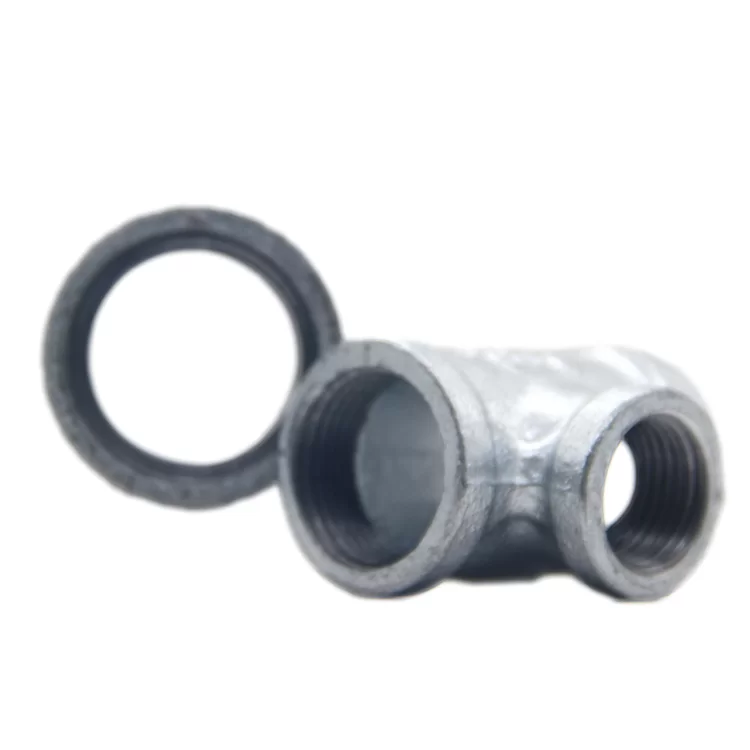
galvanized pipe fitting
HomeGlobal ServiceKenya’s Premier galvanized pipe fitting Solutions
Kenya’s Premier galvanized pipe fitting Solutions

Kenya's Premier galvanized pipe fitting Solutions

Providing high-quality metal casting and pipe fittings for diverse industries across Kenya and East Africa.

Current State of Black Metal Casting in Kenya

An overview of the challenges and opportunities facing the industry in the Kenyan market.

Kenya's black metal casting industry is currently undergoing a period of growth, driven by infrastructure development, agricultural expansion, and a rising demand for industrial components. However, the sector faces challenges including reliance on imported raw materials, limited access to advanced technologies, and competition from cheaper imports. The geographical location and climate of Kenya influence the demand for corrosion-resistant products like galvanized pipe fitting, due to the coastal humidity and seasonal rainfall.

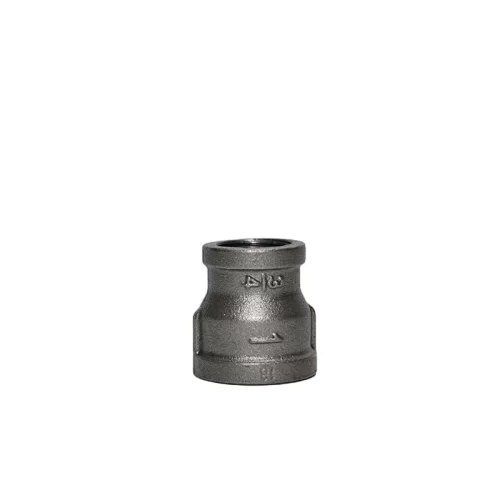
The existing foundries in Kenya largely cater to local demand, producing components for water infrastructure, construction, and manufacturing. Many are small to medium-sized enterprises (SMEs) with limited capacity for large-scale production. The availability of skilled labor is also a constraint, requiring investment in training and education. Demand for black iron pipe fittings remains steady, particularly in rural areas.

Government initiatives promoting local manufacturing and infrastructure projects are expected to further stimulate growth in the black metal casting industry. Sustainable practices and environmentally responsible casting processes are also gaining importance, driven by increasing environmental awareness and stricter regulations.
Evolution of Black Metal Casting in Kenya

Tracing the historical development and future trends in Kenya's metal casting sector.

Market Development History

Historically, metal casting in Kenya relied on traditional methods and rudimentary equipment. Prior to the 1980s, most components were imported. The establishment of a few pioneering foundries in the 1980s marked the beginning of local production, initially focusing on basic agricultural implements and construction materials. The demand for malleable iron pipe fittings saw a slight increase during this period.

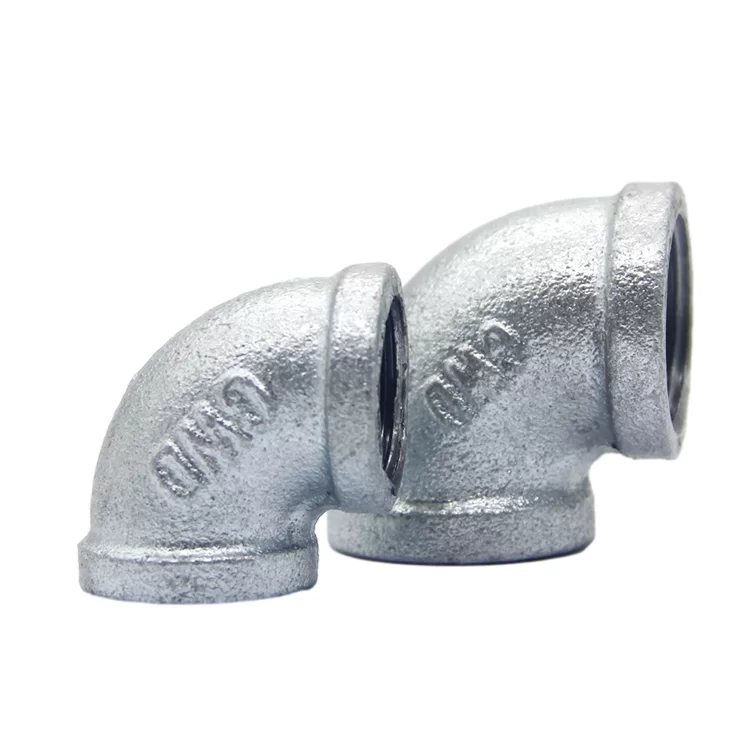
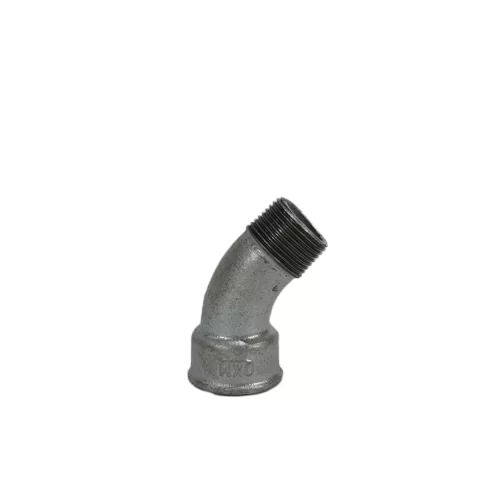
The 1990s witnessed a gradual modernization of casting processes, with the introduction of induction furnaces and improved molding techniques. However, progress was hampered by economic challenges and limited investment. The early 2000s saw a surge in construction activity, driving demand for castings used in building and infrastructure projects. The use of galvanized steel elbow became more prominent.

From 2010 onwards, increased foreign investment and government support spurred further modernization. Foundries began adopting more advanced technologies, such as automated molding machines and computer-aided design (CAD) and computer-aided manufacturing (CAM) systems. The focus shifted towards higher-quality castings and specialized components.

Future Development Trends

Automation & Robotics

The adoption of automation and robotics in casting processes is expected to increase significantly in the coming years, improving efficiency, reducing labor costs, and enhancing product quality.

Sustainable Casting Practices

Growing environmental concerns will drive the demand for eco-friendly casting processes, including the use of recycled materials, energy-efficient furnaces, and waste reduction strategies.

Advanced Materials & Alloys

Research and development of new alloys and materials with enhanced properties, such as corrosion resistance and high strength, will be crucial for meeting the evolving needs of various industries.

Industry Trends and Future Outlook for Kenya

Analyzing the key trends shaping the future of metal casting in Kenya.

Increased Demand for Infrastructure Components
Kenya's ongoing infrastructure projects, including roads, railways, and water supply systems, will significantly increase the demand for cast iron and steel components.
Growth in the Agricultural Sector
Expanding agricultural activities will drive demand for castings used in irrigation systems, farm machinery, and processing equipment.
Increasing Focus on Quality Standards
Kenyan industries are increasingly adopting international quality standards, requiring castings with higher precision and reliability.
Rising Demand for Corrosion-Resistant Materials
Kenya's coastal climate and industrial applications drive the demand for castings made from corrosion-resistant alloys.

Industry Outlook

The Kenyan black metal casting industry is poised for continued growth, driven by economic development, infrastructure projects, and increasing industrialization. The adoption of advanced technologies and sustainable practices will be key to maintaining competitiveness and meeting the evolving needs of the market.

The long-term outlook remains positive, with opportunities for local foundries to expand their capacity, diversify their product offerings, and establish themselves as reliable suppliers to regional markets.

Local Applications of Metal Castings in Kenya

Examples of how metal castings are utilized across various sectors in Kenya.

1. Water Supply & Sanitation Systems

Cast iron pipes and fittings are extensively used in Kenya's water supply networks, providing durable and reliable solutions for water transportation and distribution. Demand for galvanized pipe fitting is particularly high due to their corrosion resistance.

2. Agricultural Irrigation

Metal castings are integral to irrigation systems, forming components of pumps, valves, and sprinkler heads. The agricultural sector in Kenya relies heavily on these castings to enhance crop yields and water efficiency.

3. Construction & Building Infrastructure

Cast steel and iron components are used in building structures, including beams, columns, and connectors. These castings provide structural support and ensure the safety and durability of buildings.

4. Automotive & Transportation

Metal castings are utilized in the manufacturing of automotive parts, such as engine blocks, cylinder heads, and brake components. The growing automotive industry in Kenya drives demand for high-quality castings.

5. Renewable Energy

Castings play a crucial role in wind turbine and hydropower generation, providing robust components for the construction and operation of renewable energy facilities.

Brand Story

The Global Development Journey of Hebei Jinmai Ma Steel Co., Ltd.

Foundation & Commitment to Quality

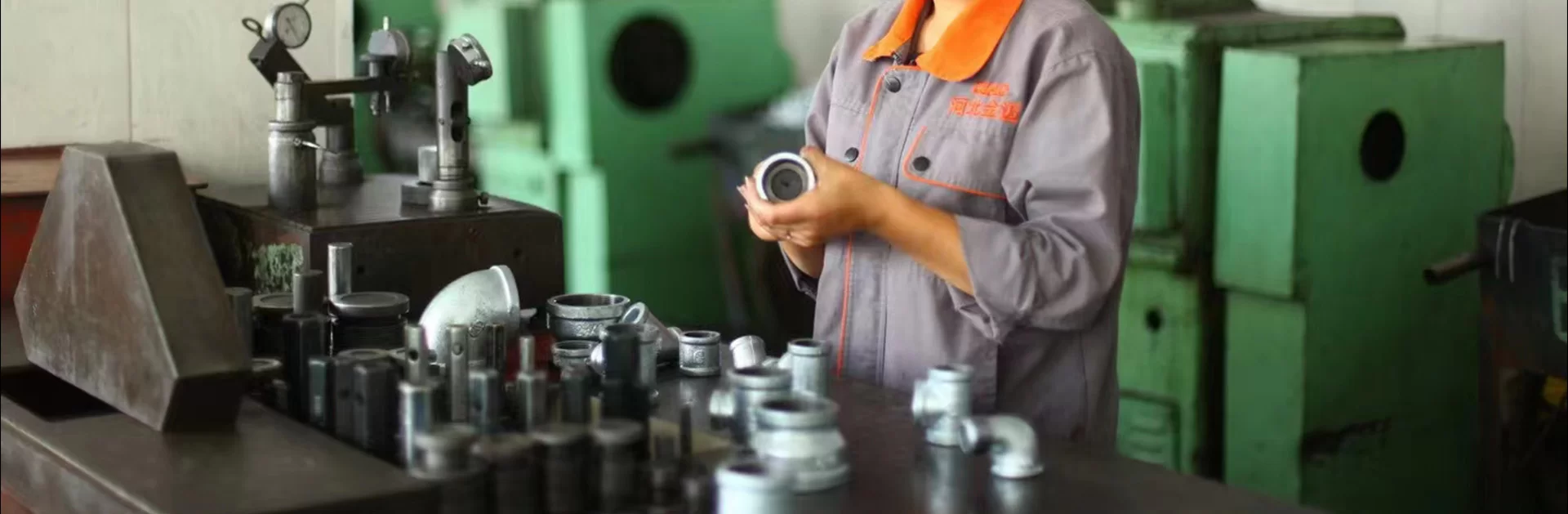
Founded in Hebei Province, China, Jinmai Casting began as a small workshop dedicated to producing high-quality metal castings. Our initial focus was on meeting the demands of the local agricultural sector with durable and reliable components.

Technological Advancement & Expansion

Throughout the 2000s, we invested heavily in advanced casting technologies, including automated molding machines and CNC machining centers. This allowed us to expand our product range and serve a wider range of industries.

International Market Entry

In the early 2010s, we began exporting our castings to international markets, building partnerships with distributors and customers across Asia, Europe, and Africa.

Focus on Sustainable Practices

We are committed to sustainable casting practices, prioritizing energy efficiency, waste reduction, and the use of recycled materials. This aligns with our responsibility to protect the environment.

Partnering with Kenya

We are dedicated to providing Kenya with robust, dependable casting solutions, supporting infrastructure development and industrial growth across the nation.

Complete Product Range for the Kenyan Market

A comprehensive selection of metal castings and pipe fittings tailored to meet the needs of Kenyan industries.

Frequently Asked Questions for Kenyan Customers

Addressing common questions regarding our products and services in Kenya.

What are the lead times for galvanized pipe fitting orders to Kenya?

Lead times typically range from 4-6 weeks, depending on the size and complexity of the order, as well as current production schedules. We strive to provide accurate delivery estimates to our Kenyan customers.

Do you offer custom casting services for specific project requirements in Kenya?

Yes, we specialize in custom casting solutions. We work closely with our Kenyan clients to understand their unique needs and deliver castings tailored to their exact specifications.

What quality certifications do you hold, ensuring the reliability of your malleable iron pipe fittings?

We are ISO 9001 certified, demonstrating our commitment to quality management systems. We also adhere to relevant international standards for metal casting and pipe fittings.

What types of materials do you use for producing galvanized steel elbow?

We work with a variety of materials, including cast iron, cast steel, ductile iron, and stainless steel, to produce galvanized steel elbow and other castings. We can also source materials to specific customer requirements.

How do you ensure the corrosion resistance of your black iron pipe fittings for Kenyan climates?

We utilize galvanization processes and select appropriate alloy compositions to enhance the corrosion resistance of our black iron pipe fittings, making them suitable for the humid coastal conditions of Kenya.

What is your process for handling and shipping metal castings to Kenya to prevent damage during transit?

We employ robust packaging techniques, including protective cushioning and secure strapping, to ensure that our castings arrive in Kenya safely. We partner with reliable shipping companies experienced in handling international freight.

Let's Discuss Your Casting Needs in Kenya

We are committed to providing tailored metal casting solutions for businesses throughout Kenya and East Africa.

Contact Us Now

If you are interested in our products, you can choose to leave your information here, and we will be in touch with you shortly.