
When undertaking plumbing, structural, or industrial projects, selecting the correct pipe fittings is crucial. 1 1/4 inch galvanized pipe fittings are a popular choice due to their durability, corrosion resistance, and cost-effectiveness. This article provides an in-depth look at these fittings, covering their applications, types, benefits, installation tips, and considerations for sourcing high-quality components. Understanding these fittings will ensure you choose the right products for your specific needs.
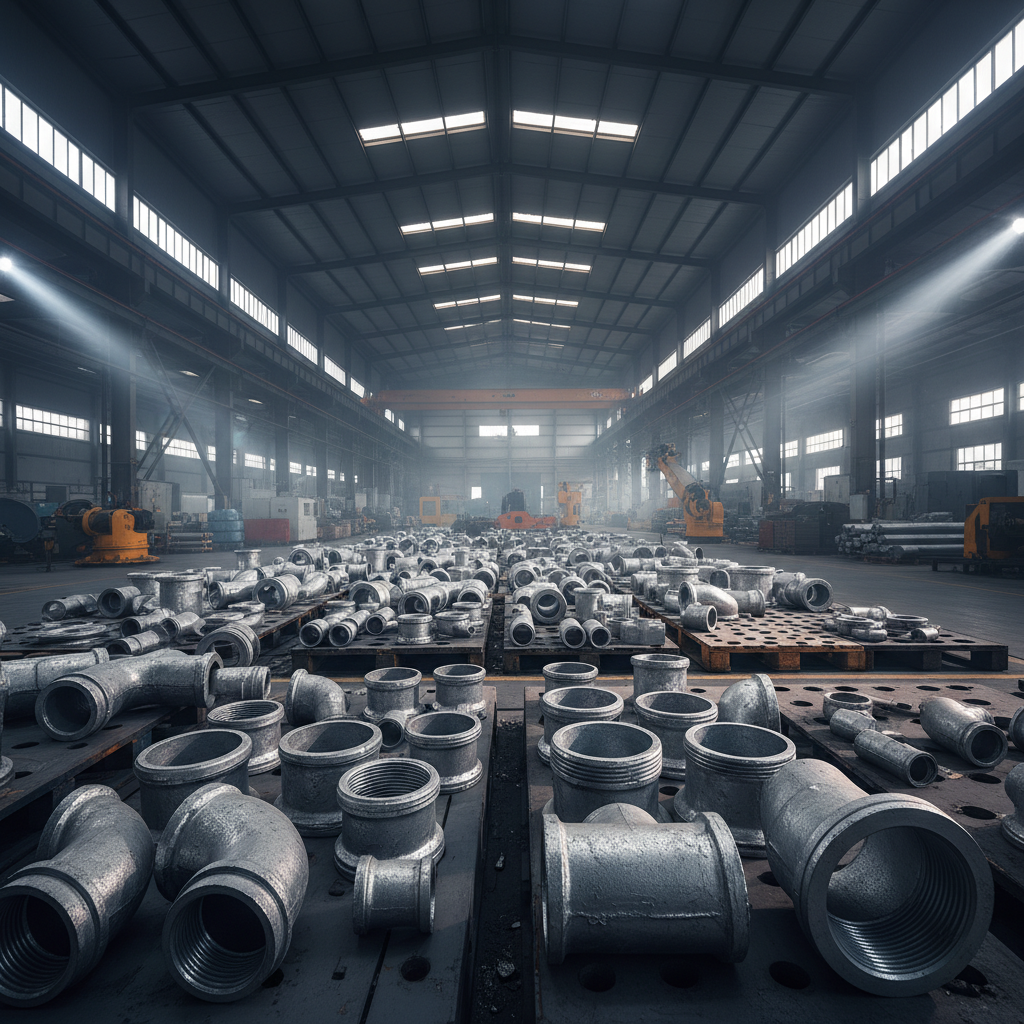
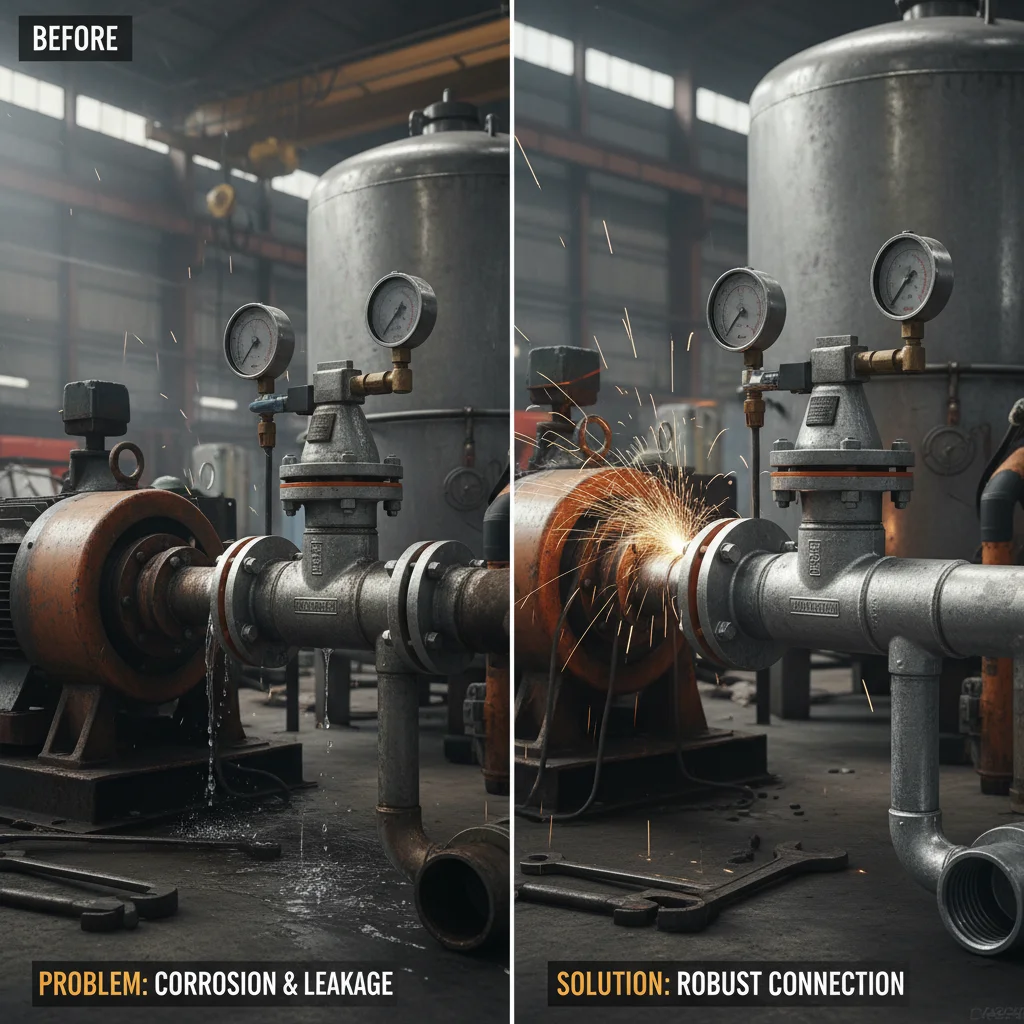
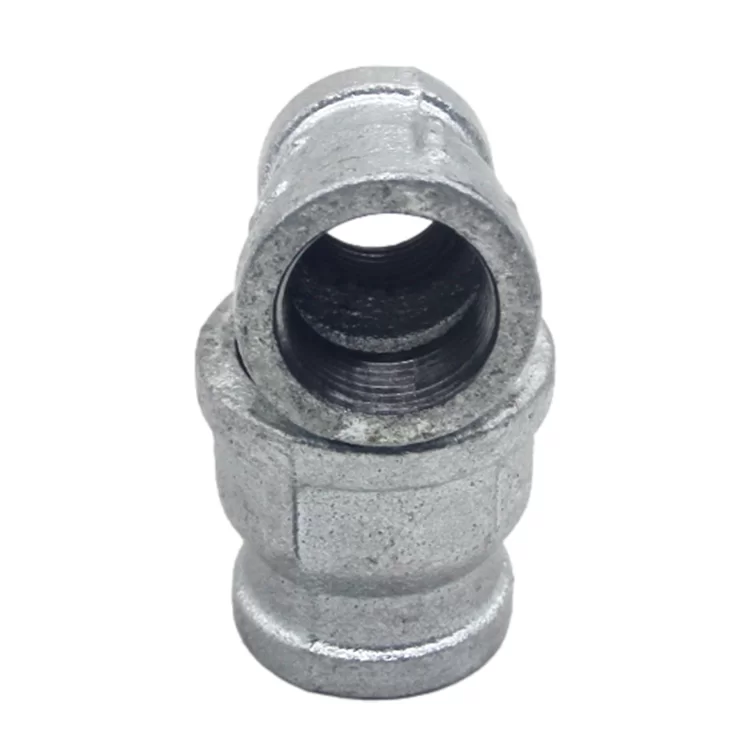
1 1/4 inch galvanized pipe fittings are components used to connect galvanized steel pipes with a nominal diameter of 1.25 inches. "Galvanized" refers to the process of applying a protective zinc coating to steel or iron, preventing rust and corrosion. This makes them ideal for both indoor and outdoor applications where moisture and harsh environmental conditions are present. These fittings come in various shapes and sizes, enabling the creation of complex piping systems. They are commonly used in water supply lines, fire sprinkler systems, and various industrial applications. Jinmai Casting specializes in the production of high-quality galvanized pipe fittings.
Key Highlights: Durable, corrosion-resistant, cost-effective solution for various piping applications. Available in a wide range of configurations to suit different project requirements.
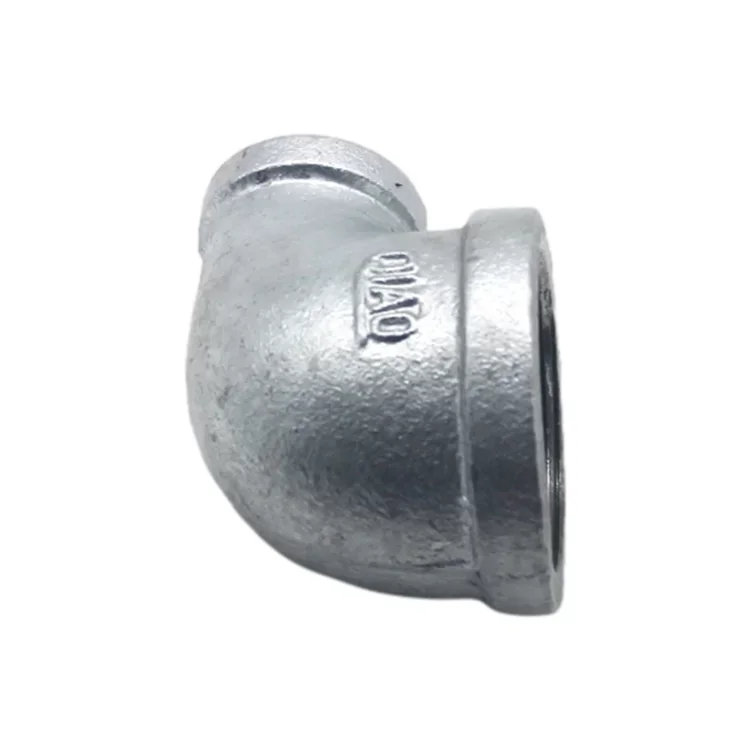
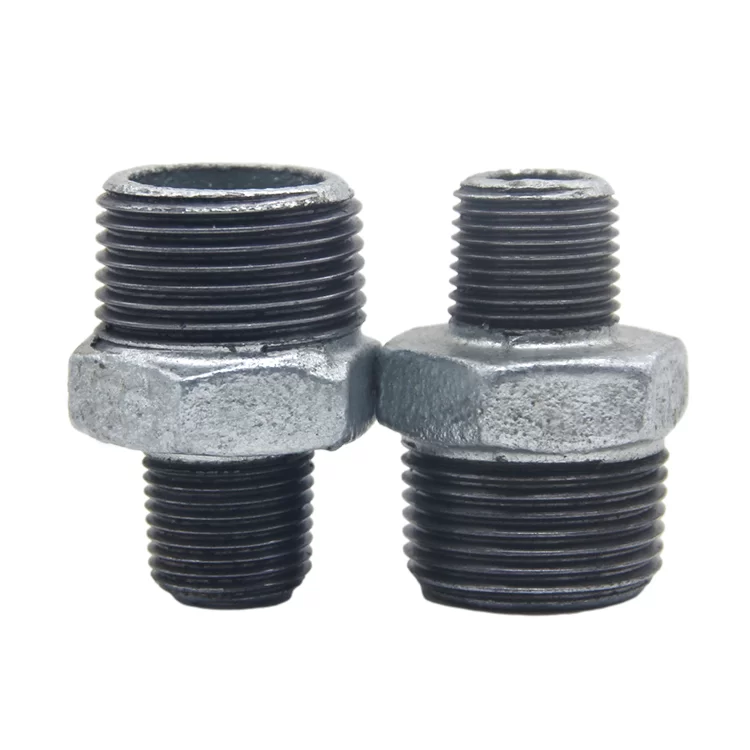
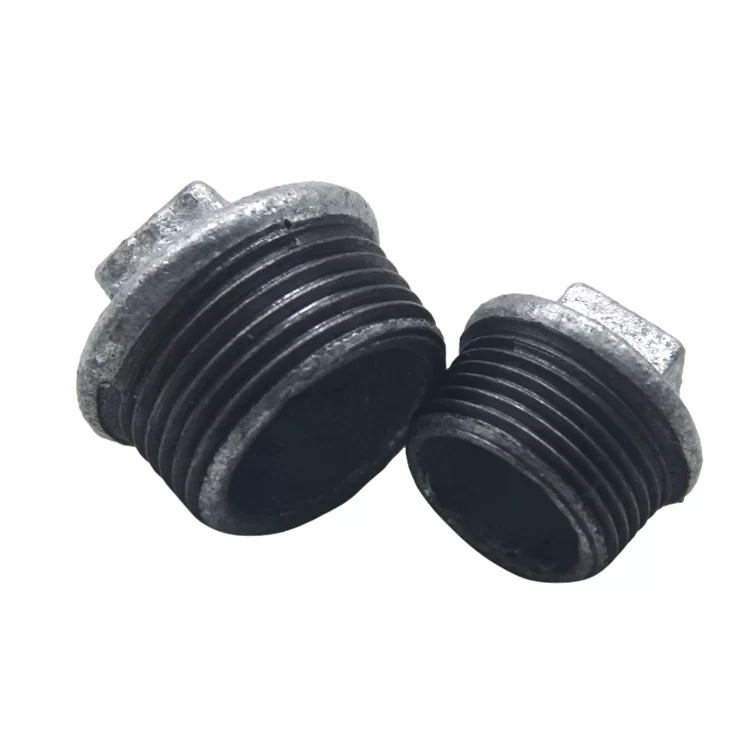
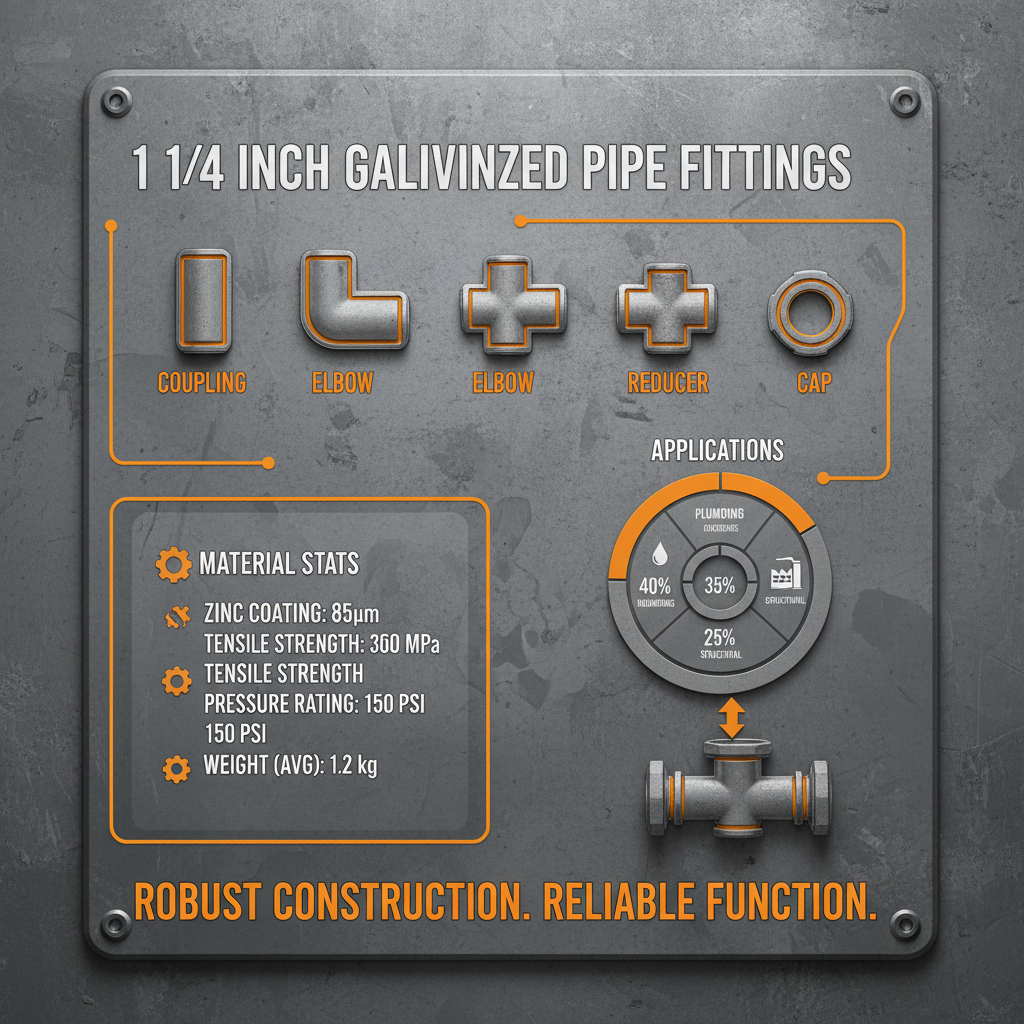
A wide variety of fittings are available to meet diverse piping needs. Here's an overview of the most common types:
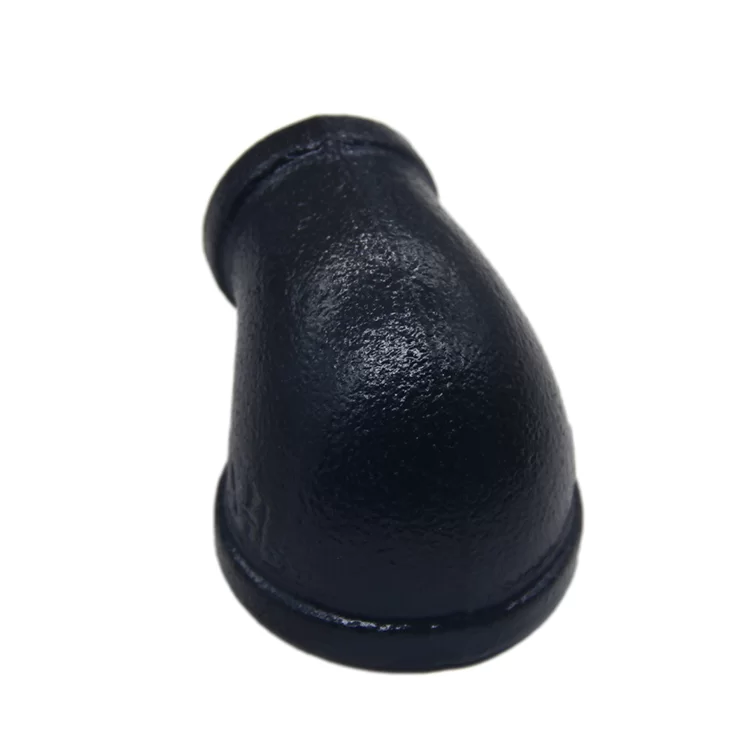
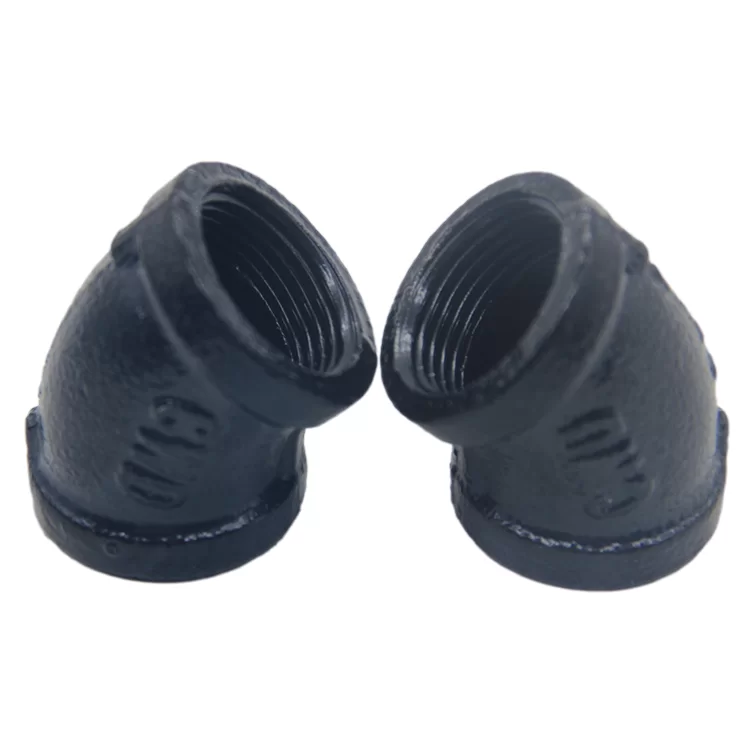
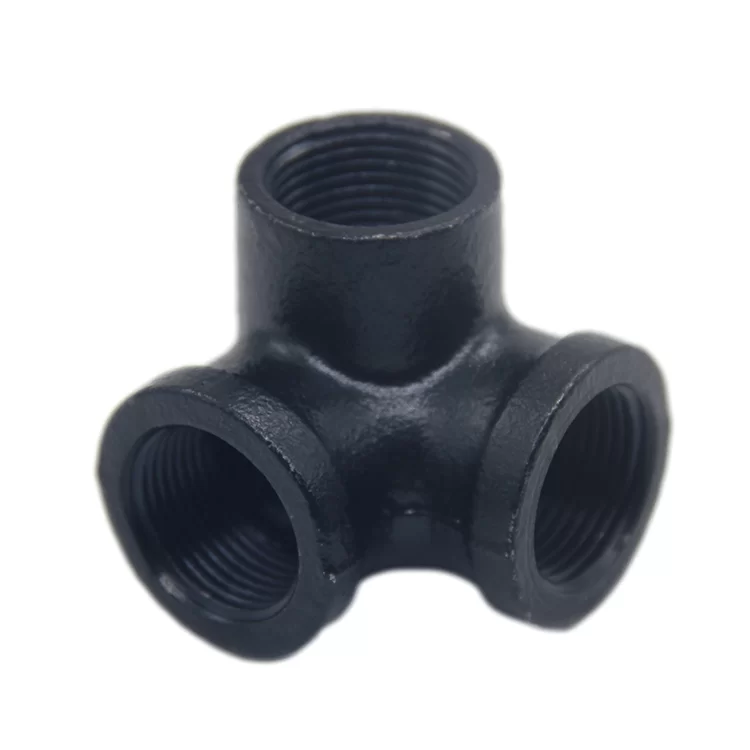
Elbows: Used to change the direction of the pipe. Available in 45-degree and 90-degree angles.
Tees: Create a T-shaped junction for branching pipes.
Couplings: Connect two pipes end-to-end.
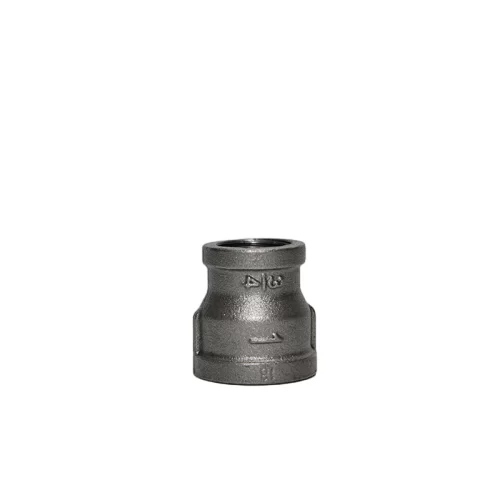
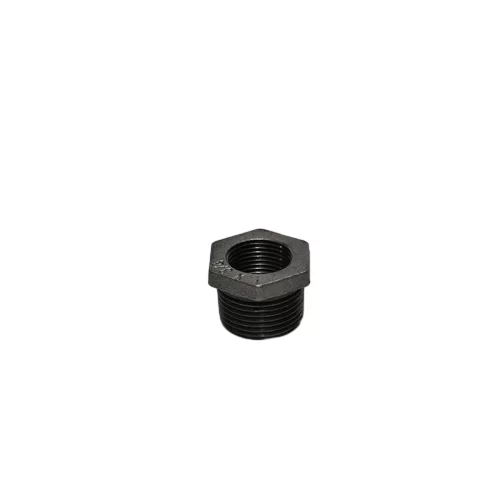
Reducers: Connect pipes of different diameters.
Caps: Seal the end of a pipe.
Flanges: Provide a strong connection point, often used for connecting to valves or equipment.
These fittings find application in numerous industries and projects, including:
Plumbing Systems: Water supply lines, drainage systems.
Fire Sprinkler Systems: Delivering water to suppression heads.
Structural Supports: Creating frameworks for various structures.
Irrigation Systems: Supplying water to agricultural areas.
Industrial Piping: Transporting fluids and gases in manufacturing facilities.
Electrical Conduit: Providing protective pathways for electrical wiring (though less common now with PVC conduit).
Key Application Areas:
• Plumbing and water distribution
• Fire protection systems
• Structural frameworks
• Industrial processing plants
While both galvanized and black pipe fittings are made of steel, they differ in their coating and intended applications. Black pipe fittings are uncoated, making them susceptible to rust if exposed to moisture. Galvanized fittings, with their zinc coating, offer superior corrosion resistance. Here’s a quick comparison:
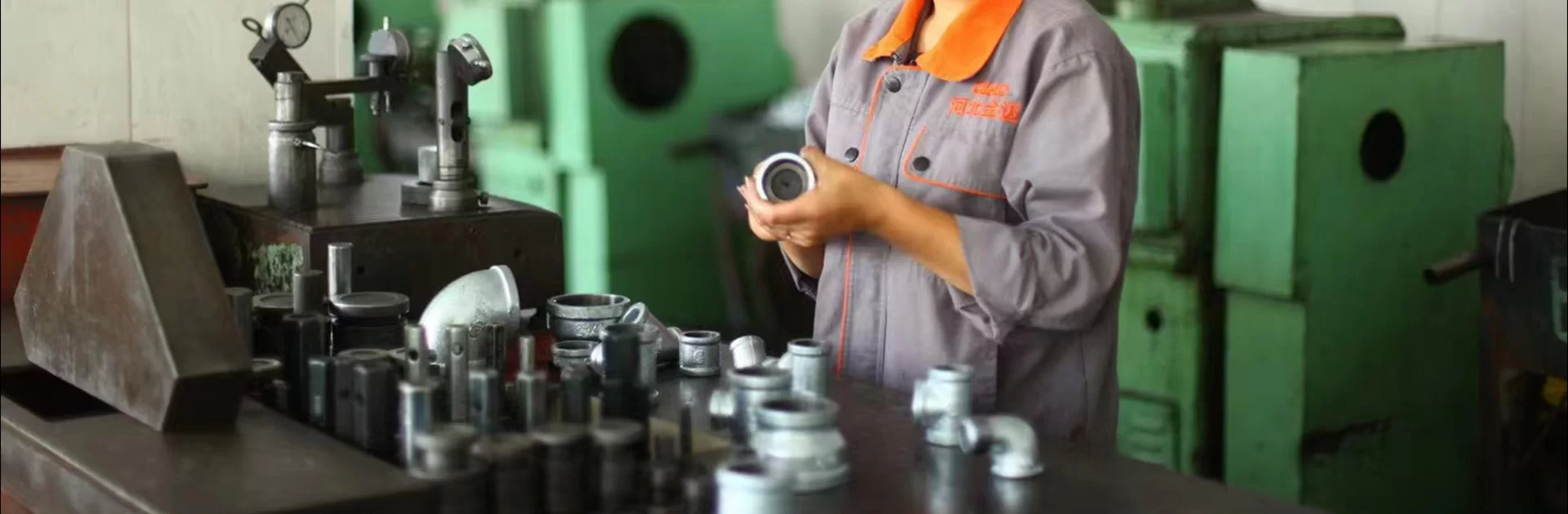
To ensure the longevity and reliability of your piping system, choose fittings from a reputable manufacturer. Look for fittings that meet industry standards (like ANSI/ASME) and have a uniform, consistent galvanization coating. Check for any signs of damage, such as cracks or imperfections, before installation. Jinmai Casting is committed to providing high-quality galvanized pipe fittings that meet and exceed industry standards.
Choosing the right 1 1/4 inch galvanized pipe fittings is vital for the success of any plumbing or structural project. Prioritize quality, corrosion resistance, and proper application. By investing in durable fittings, you ensure a long-lasting and reliable piping system. Explore the extensive range of galvanized pipe fittings offered by Jinmai Casting to meet your specific needs.
The lifespan of galvanized pipe fittings can vary significantly depending on the environment and the quality of the galvanization. In ideal conditions, they can last for 50-70 years. However, in harsh environments with high levels of moisture or salinity, corrosion can occur more rapidly, reducing the lifespan to 20-40 years. Regular inspection and maintenance can help prolong their service life. Factors like water pH and the presence of corrosive chemicals also play a role. Choosing high-quality fittings from a reputable manufacturer like Jinmai Casting ensures a longer lifespan due to superior galvanization processes.
Yes, 1 1/4 inch galvanized pipe fittings are generally considered safe for potable (drinking) water systems, but there are considerations. Over time, the zinc coating can leach into the water, resulting in a slightly metallic taste or a cloudy appearance. While the zinc levels are typically low and considered safe by most regulatory agencies, some homeowners may prefer alternative materials like copper or PEX. It’s crucial to flush the system thoroughly after installation to remove any loose zinc particles. Always check local plumbing codes and regulations regarding acceptable materials for potable water systems.
Installing galvanized pipe fittings requires specific tools to ensure a secure and leak-proof connection. Essential tools include: pipe wrenches (for tightening fittings), pipe cutters (for cleanly cutting the pipe), thread sealant (pipe dope or Teflon tape), a reamer (to remove burrs from cut pipe ends), and a deburring tool. For threaded connections, applying thread sealant properly is crucial to prevent leaks. It's also helpful to have a vice to hold the pipe securely while working on it. Proper tools and techniques are essential for a successful installation.
While galvanization provides excellent corrosion protection, several steps can be taken to further extend the lifespan of galvanized pipe systems. Avoid connecting galvanized steel directly to copper without a dielectric union to prevent galvanic corrosion. Regularly inspect the pipes and fittings for signs of corrosion and address any issues promptly. Maintain proper water chemistry to minimize corrosion potential. Insulating the pipes can also help prevent condensation and reduce the risk of corrosion. Consider using corrosion inhibitors in the water supply if necessary. Purchasing high-quality fittings from a trusted supplier, like Jinmai Casting, with a robust galvanization process is the first step to corrosion prevention.