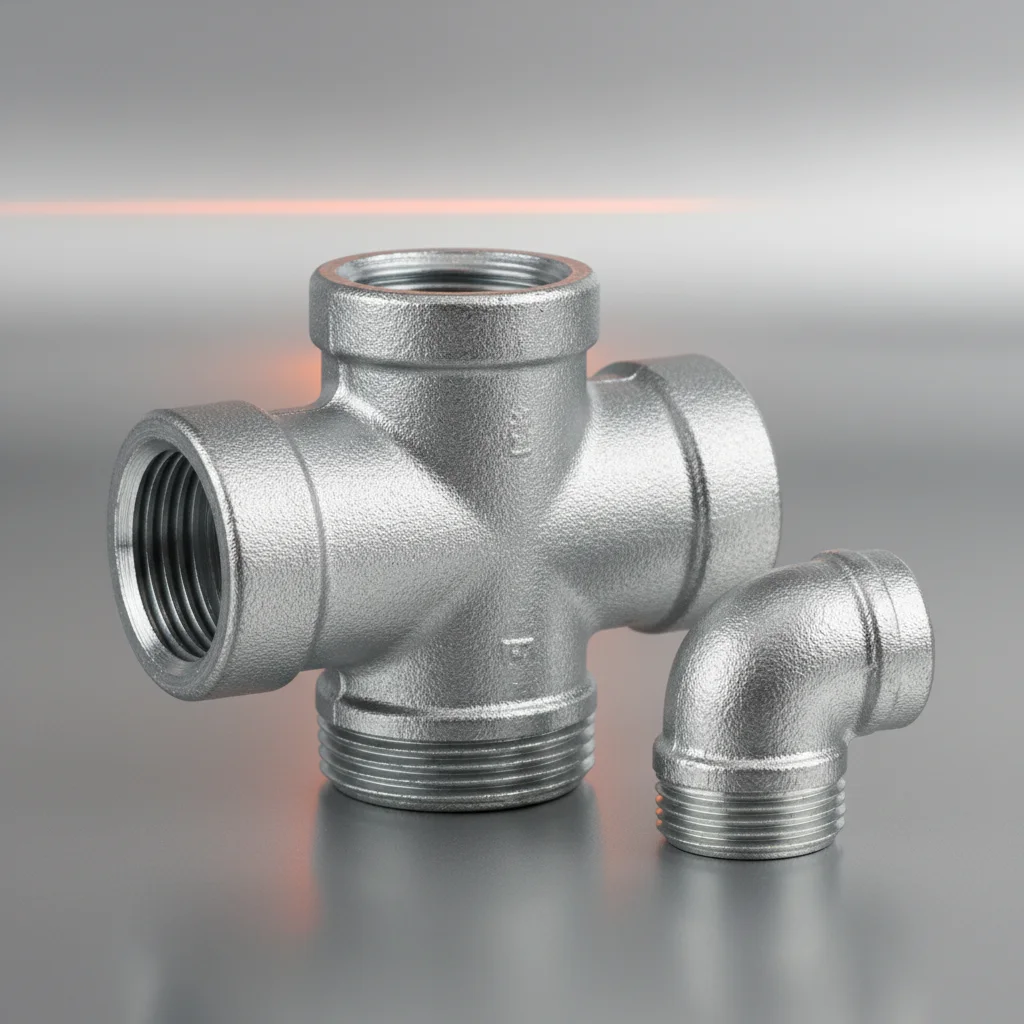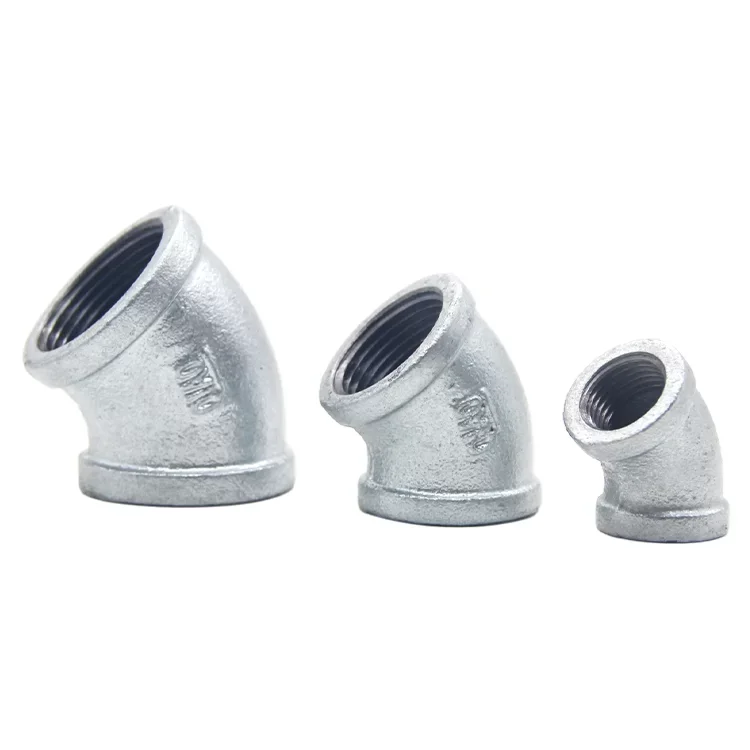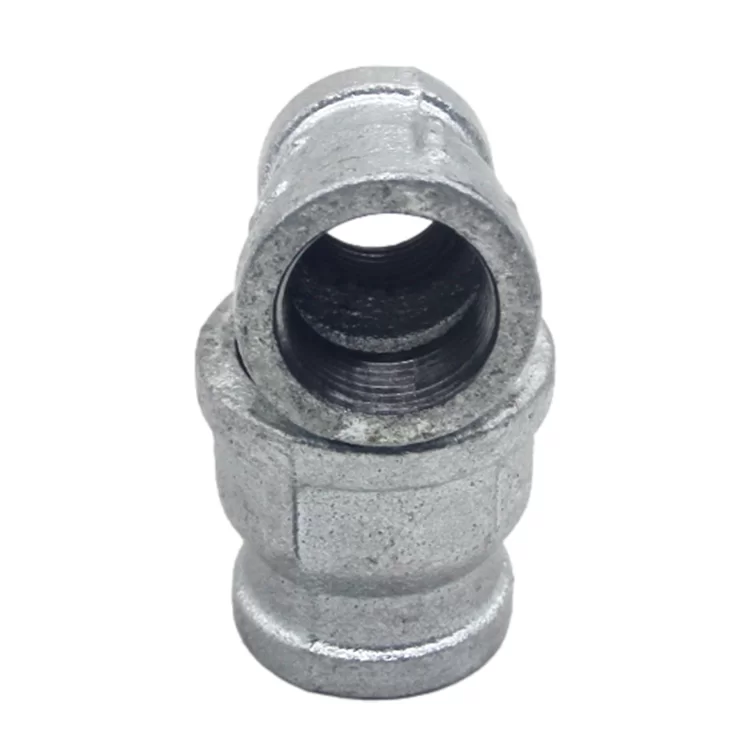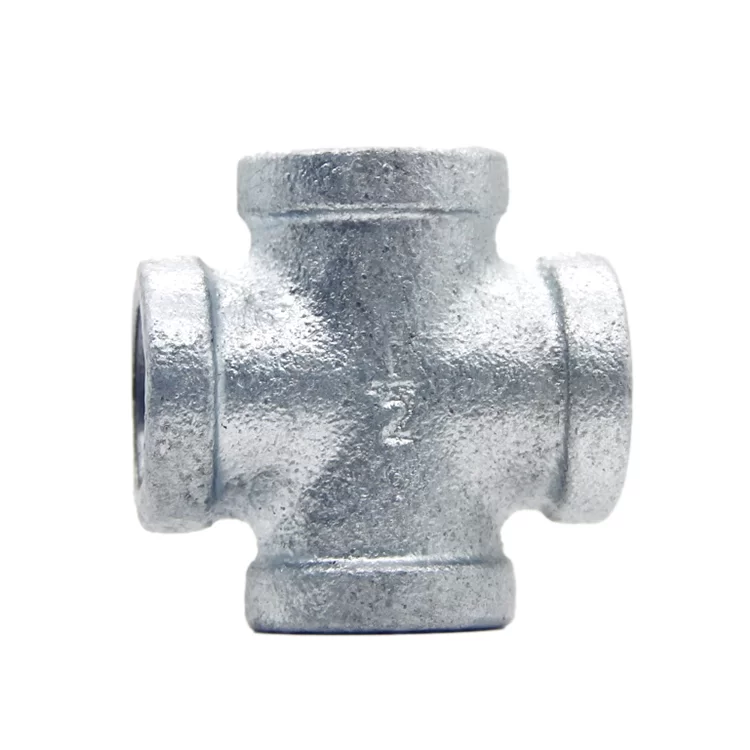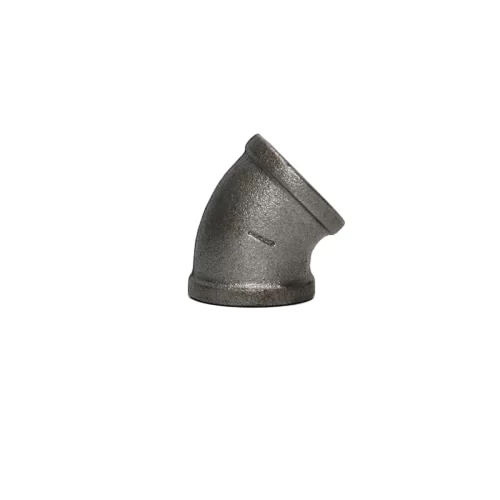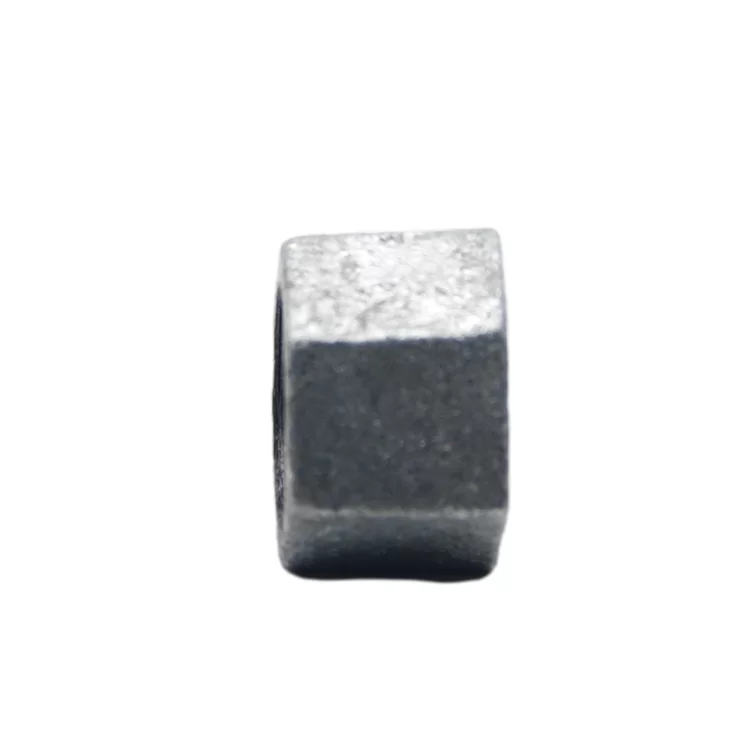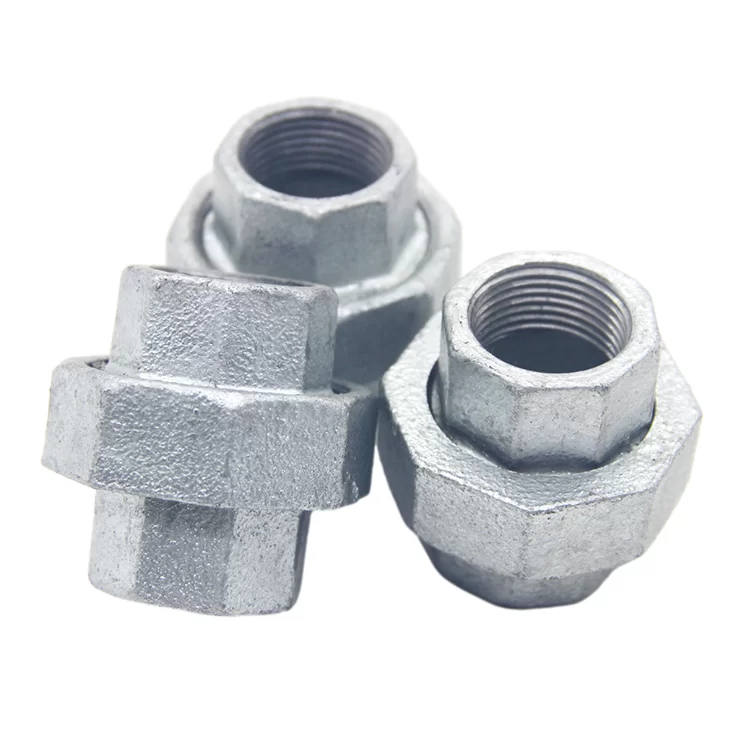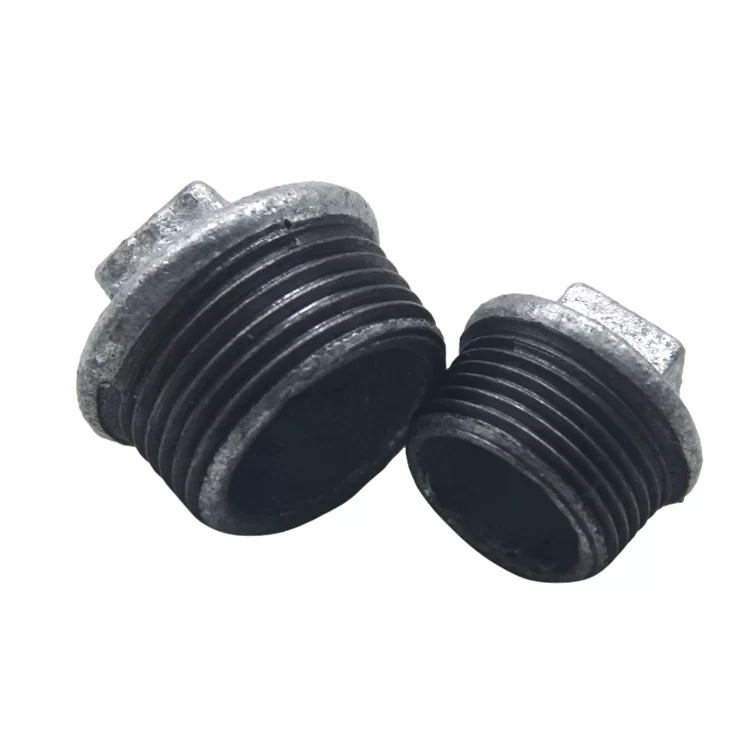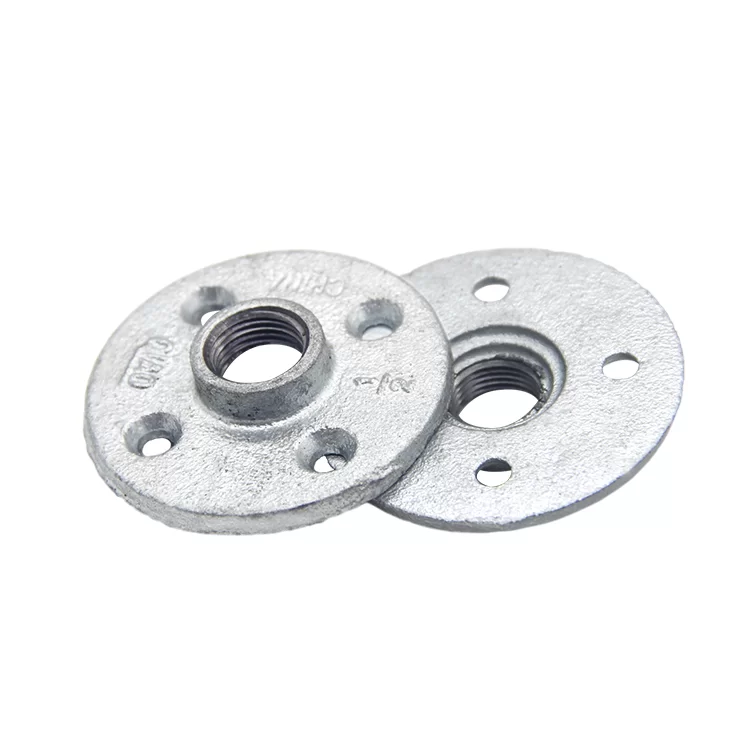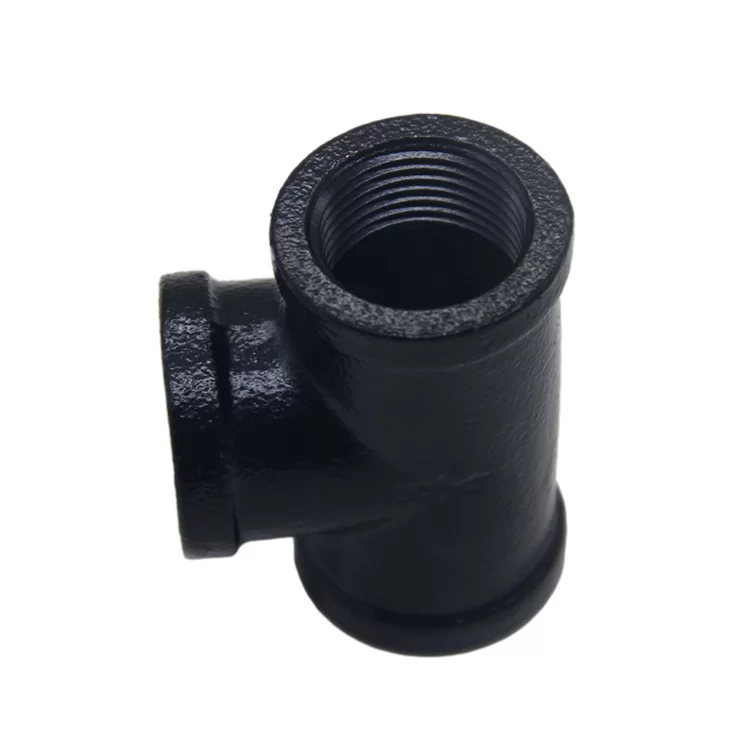

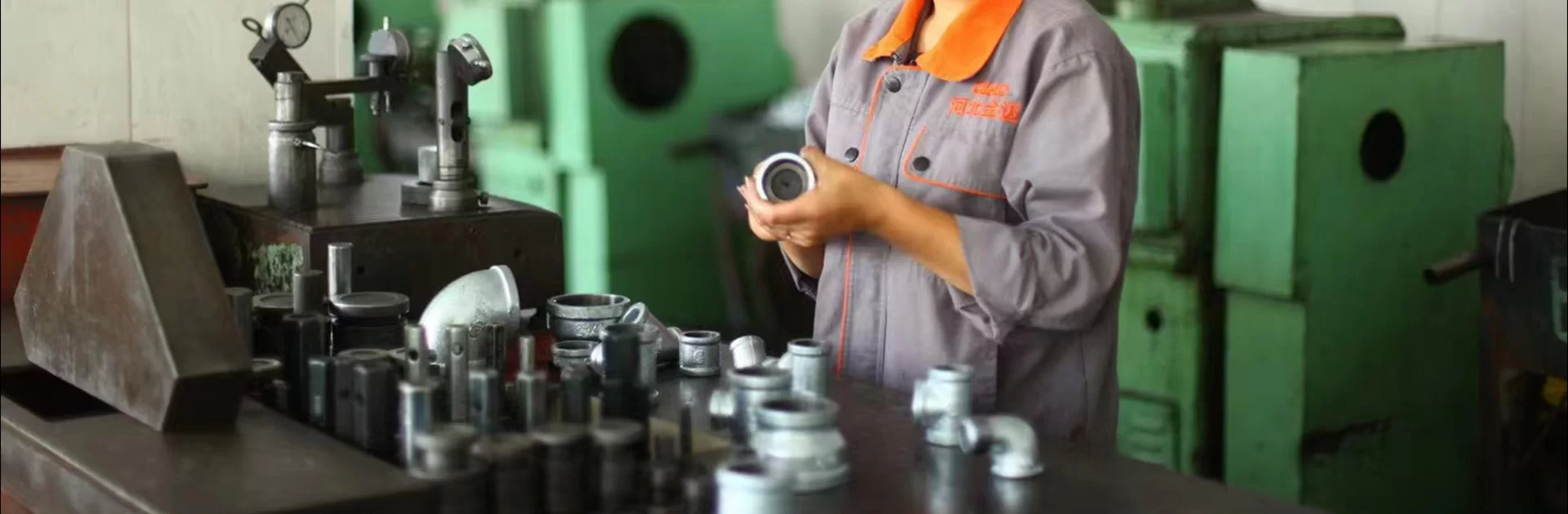
When embarking on plumbing, irrigation, or structural projects, selecting the right pipe fittings is crucial. 1 1/2 inch galvanized pipe fittings are a popular choice for their durability, corrosion resistance, and cost-effectiveness. This article will explore everything you need to know about these fittings – from their applications and types to material considerations and proper installation. We'll also delve into why choosing a reliable supplier like Jinmai Casting is essential for quality and performance.
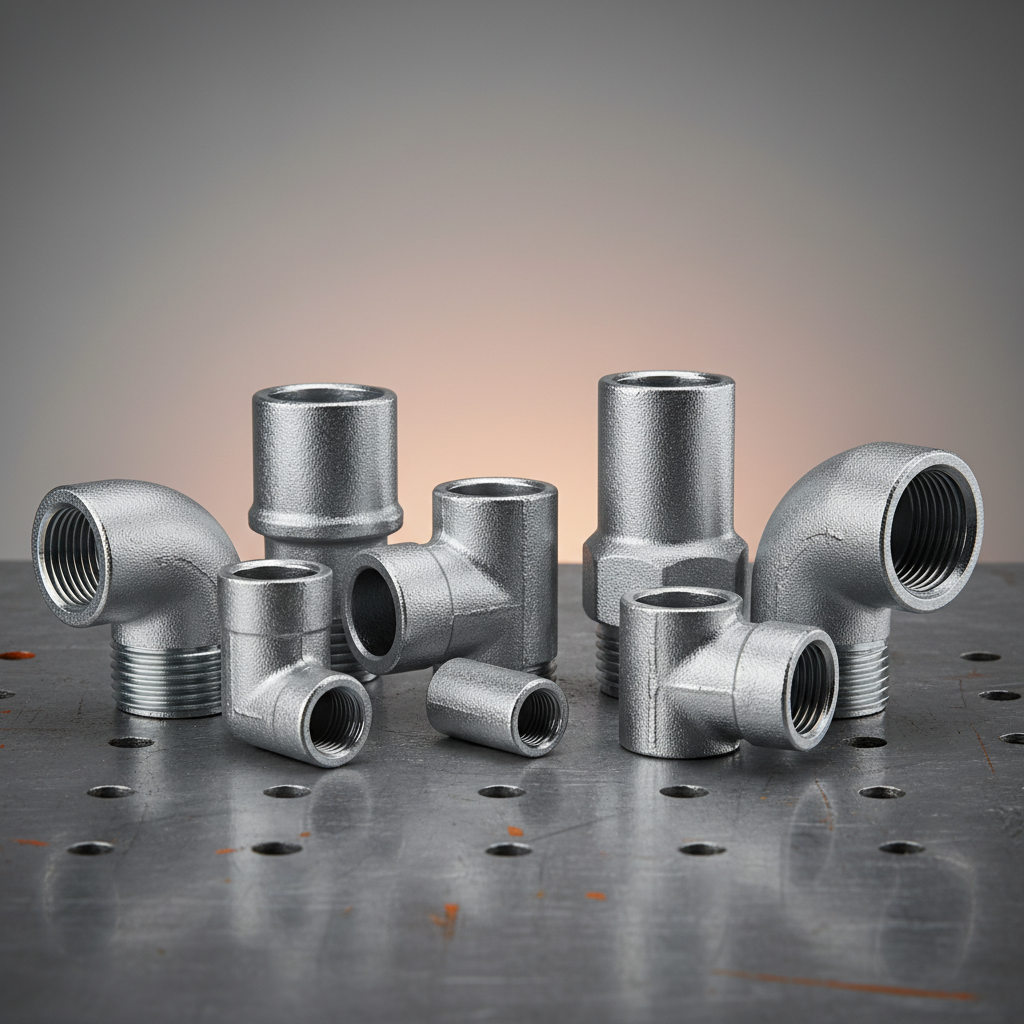
1 1/2 inch galvanized pipe fittings refer to connectors used with galvanized steel pipes that have an outer diameter of 1.66 inches (approximately). The "galvanized" aspect signifies that the steel has been coated with a layer of zinc, a process that dramatically improves its resistance to rust and corrosion. These fittings are integral in creating secure and leak-proof connections in a variety of applications, making them a long-lasting and dependable solution. The robustness of galvanized steel makes these fittings suitable for both indoor and outdoor installations. Jinmai Casting specializes in producing high-quality galvanized fittings that meet and exceed industry standards.
Key Highlights: Galvanized steel fittings provide superior corrosion resistance and are ideal for both indoor and outdoor use. Selecting the correct fitting type is crucial for a secure and long-lasting plumbing or structural system.
There’s a wide range of 1 1/2 inch galvanized pipe fittings available, each serving a specific purpose. Common types include:
Choosing the right fitting depends on your specific project requirements. Jinmai Casting provides a comprehensive catalog of these fittings to meet all your needs.
These fittings are commonly used in a diverse range of applications, including:
The durability and corrosion resistance of galvanized steel make these fittings suitable for both indoor and outdoor environments. It’s vital to select fittings that are compatible with the fluid or gas being conveyed and meet relevant safety standards.
Application Suitability: Galvanized fittings are excellent for environments prone to moisture, but they may not be ideal for highly corrosive chemicals without additional protective measures.
While both galvanized and black iron pipe fittings are made of steel, they differ in their protective coating. Black iron fittings are coated with a black oxide finish, which provides minimal corrosion resistance. Galvanized fittings, with their zinc coating, offer significantly better protection against rust and are generally preferred for outdoor applications or where corrosion is a concern. However, galvanized fittings can be more expensive than black iron fittings. Here’s a quick comparison:
Choosing a reputable supplier is paramount when sourcing 1 1/2 inch galvanized pipe fittings. Jinmai Casting offers:
Investing in high-quality 1 1/2 inch galvanized pipe fittings from a trusted supplier like Jinmai Casting ensures the longevity, safety, and reliability of your projects. Don’t compromise on quality – choose fittings that are built to last.
With proper installation and maintenance, galvanized pipe fittings can last for 40-70 years. The lifespan depends on factors like environmental conditions (exposure to salt, chemicals), water quality, and the thickness of the zinc coating. Regular inspection is crucial. Over time, the zinc coating will naturally corrode, offering diminishing protection. Replacing fittings showing signs of significant corrosion is essential to prevent leaks and system failures.
Yes, galvanized steel is generally considered safe for potable water systems. However, a small amount of zinc may leach into the water, which is not considered harmful in low concentrations. In some areas, concerns about lead content in older galvanized pipes have led to the adoption of alternative materials like copper or PEX. Always check local plumbing codes and regulations to ensure compliance.
Proper installation is vital to ensure a leak-proof and durable connection. Always clean the threads of both the pipe and fitting thoroughly before applying pipe thread sealant (Teflon tape or pipe dope). Tighten the fittings securely, but avoid over-tightening, which can damage the threads. Use appropriate wrenches to prevent rounding off the corners of the fittings. It's highly recommended to consult a qualified plumber for complex installations.
Combining galvanized steel with dissimilar metals (like copper) can lead to galvanic corrosion, where one metal corrodes faster than the other. To minimize this risk, use dielectric unions or nipples to isolate the dissimilar metals. These fittings prevent electrical current from flowing between the metals, reducing the corrosion rate. It’s best practice to avoid direct contact between galvanized steel and other metals whenever possible.