

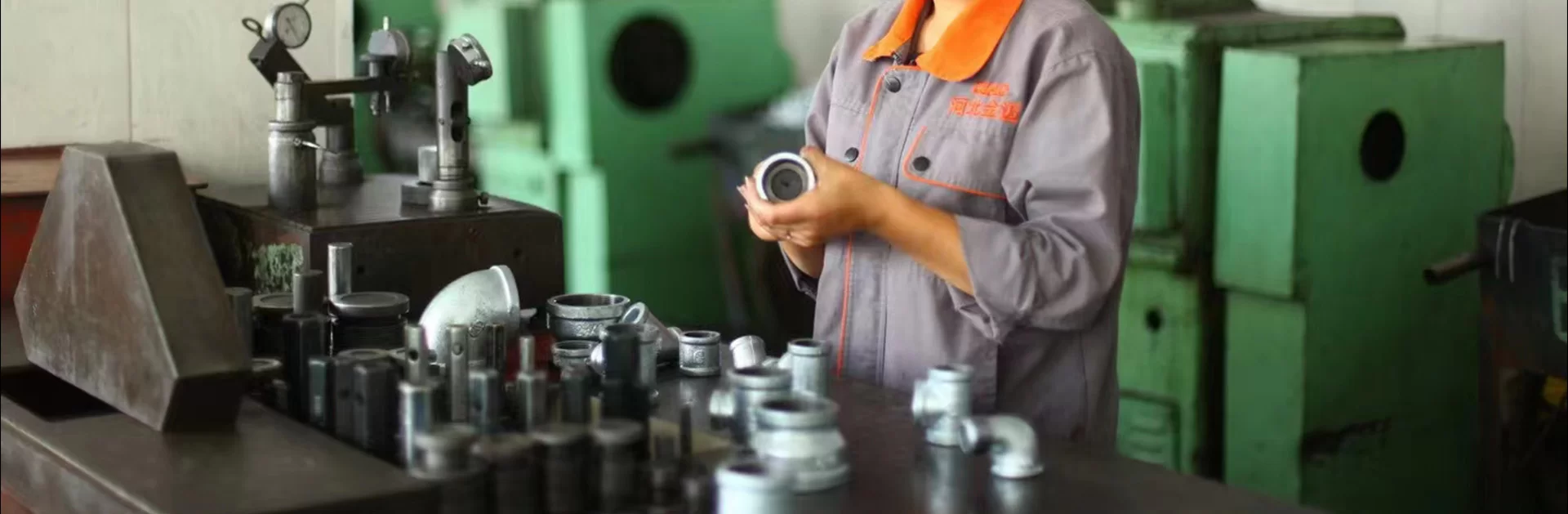
China galvanized pipe fitting Malleable Iron Reducing Hex Nipple
When managing complex fluid transport systems, the transition between different pipe diameters is a critical point of potential failure. The Malleable Iron Reducing Hex Nipple serves as a professional-grade diameter reduction solution, specifically engineered to eliminate leaks and maintain system pressure. By combining high-strength malleable iron precision casting with a robust hot-dip galvanization process, this component ensures a secure, leak-proof connection essential for critical infrastructure. Whether your project involves industrial pipelines, building HVAC systems, or fire protection networks, utilizing a precision-machined reducing nipple minimizes fluid resistance and maximizes the longevity of the entire piping assembly through superior corrosion resistance.

Engineering the Core: Material Properties of Malleable Iron Casting
Unlike standard grey cast iron, which is prone to brittleness and cracking under stress, the material used in these reducing nipples undergoes a specialized heat treatment. This process transforms the microstructure of the iron, removing internal stresses and creating a "malleable" quality that allows the fitting to withstand high pressure and sudden impacts without fracturing. This structural integrity is paramount in high-performance piping systems where stability is non-negotiable.
The precision casting process ensures that the hexagonal body provides an optimal grip point for installation tools, while the internal walls are streamlined. This smooth design is not merely aesthetic; it is engineered to reduce turbulence as fluid moves from a larger diameter to a smaller one, thereby maintaining consistent system pressure and reducing the wear and tear caused by fluid erosion over time.

Advanced Corrosion Protection via Hot-Dip Galvanization
In humid or chemically aggressive environments, oxidation is the primary enemy of metallic fittings. To combat this, the reducing nipples are subjected to premium hot-dip galvanization. This process involves submerging the cast iron in molten zinc, creating a thick, metallurgical bond that forms a protective shield. This zinc layer acts as a sacrificial anode, meaning the zinc will corrode before the underlying iron is affected, drastically extending the operational lifespan of the system.
The benefits of this surface treatment extend beyond simple rust prevention. The galvanized coating provides a uniform barrier that protects the precision-machined threads, ensuring that the screw-in interface remains intact and easy to assemble even after long-term exposure to the elements. This makes these components ideal for outdoor installations or underground utility lines where moisture penetration is inevitable.
Industrial Applications and Installation Efficiency
The versatility of the reducing hex nipple allows it to be integrated into a wide array of sectors. In HVAC systems, they are indispensable for creating precise interfaces between primary supply lines and smaller equipment connections. In fire protection systems, their high pressure rating ensures that critical water flow is maintained during emergency scenarios. Additionally, they are frequently utilized in water drainage and industrial chemical transport where a secure, non-welded transition is required.
From a labor perspective, the welding-free screw-in design offers a significant advantage. Using standard pipe wrenches, technicians can achieve a professional seal in a fraction of the time required for welding. To ensure absolute reliability, every thread is rigorously inspected using go/no-go gauges, ensuring full compatibility with both Metric and Imperial (BSP/NPT) standards, which eliminates the risk of cross-threading during rapid assembly.
Performance Comparison: Malleable Iron vs. Standard Cast Iron
| Metric | Standard Cast Iron | Malleable Iron (Galvanized) | Operational Impact |
|---|---|---|---|
| Corrosion Life | Low to Moderate | Exceptional | Reduced replacement frequency |
| Installation Speed | Standard | Ultra-Fast (Screw-in) | Lower labor costs per unit |
| Pressure Stability | Variable | Consistent High Rating | Lower risk of systemic leaks |
| Impact Resistance | Brittle / Low | High / Durable | Resistant to mechanical shock |
| Maintenance Cost | High (Frequent Leaks) | Low (High Seal Integrity) | Lower long-term OPEX |
Quality Assurance and Procurement Considerations
When sourcing components for industrial infrastructure, the primary concern for procurement managers is consistency. A single faulty fitting can compromise an entire pipeline. Therefore, the use of automated dimensional accuracy testing and rigorous gauge testing is essential. By implementing digital certification management for pressure testing, manufacturers can provide the necessary transparency and compliance documentation required for large-scale construction projects.
Furthermore, the ability to source components that meet international standards ensures that the supply chain remains flexible. Whether the project requires NPT threads for North American markets or BSP for European and Asian markets, utilizing a supplier with a diverse production capability reduces the risk of project delays. Investing in precision-engineered malleable iron is not just about the component itself, but about reducing the total cost of ownership through reliability.
Future Trends in Piping Infrastructure and Material Selection
As industrial systems move toward higher efficiency and lower maintenance, the demand for "fit-and-forget" components is increasing. The trend is shifting away from temporary fixes and toward materials that offer long-term structural stability. The integration of more precise galvanization techniques and the move toward standardized, high-tolerance casting are allowing engineers to design systems with thinner safety margins without sacrificing security.
For buyers looking to upgrade their infrastructure, the focus should be on the synergy between material strength and surface protection. The combination of malleable iron and hot-dip galvanizing represents a balanced approach to durability and cost-effectiveness. As global standards for fire safety and building codes become more stringent, the adoption of these high-pressure, certified fittings is becoming a prerequisite for modern engineering excellence.
Frequently Asked Questions About Reducing Hex Nipples
What is the primary advantage of malleable iron over standard cast iron for pipe fittings?
Malleable iron undergoes a specialized heat treatment process that removes brittleness, making the fittings more durable and resistant to impact and high pressure compared to standard grey cast iron.
How does hot-dip galvanization improve the performance of reducing nipples?
Hot-dip galvanization creates a thick, protective zinc layer that prevents oxidation and corrosion, ensuring the fittings last longer in humid or chemically aggressive environments.
Can these reducing hex nipples be used in HVAC systems?
Yes, they are ideal for HVAC equipment interface connections where precise diameter conversion is required between different piping sizes.
What standards are used to verify the thread accuracy of your fittings?
We utilize professional go/no-go gauges to rigorously inspect every thread, ensuring full compatibility with metric and imperial standards.
Are these fittings suitable for fire protection system piping?
Absolutely. Due to their high pressure rating and robust structure, they are frequently used for adaptation in fire protection and water drainage systems.
Do I need specialized equipment for the installation of these nipples?
No specialized equipment is needed. Since they use a screw-in interface, they can be installed using standard pipe wrenches without the need for welding.
Technical References and Industry Standards
- ASTM International - Material Testing Standards
- ISO Standards for Piping and Fittings
- ANSI - American National Standards Institute
- ASME - Boiler and Pressure Vessel Code
To ensure your piping system operates at peak efficiency with zero leakage, choosing the right transition components is essential. Our precision-cast malleable iron solutions provide the durability and security your project demands. Contact us today for technical specifications and procurement guidance for your next infrastructure upgrade.
Related Industry Insights
>


