Get a Quote

In the world of industrial plumbing and structural construction, durability is the gold standard. Utilizing a high-quality fitting galvanized pipe system is essential for ensuring that piping networks remain leak-proof and resistant to corrosion over decades of use. Galvanization—the process of applying a protective zinc coating to steel—transforms standard piping into a powerhouse of endurance, making it ideal for water lines, handrails, and HVAC systems. In this comprehensive guide, we will explore the technical advantages, material specifications, and installation best practices to help you make an informed procurement decision for your next project.

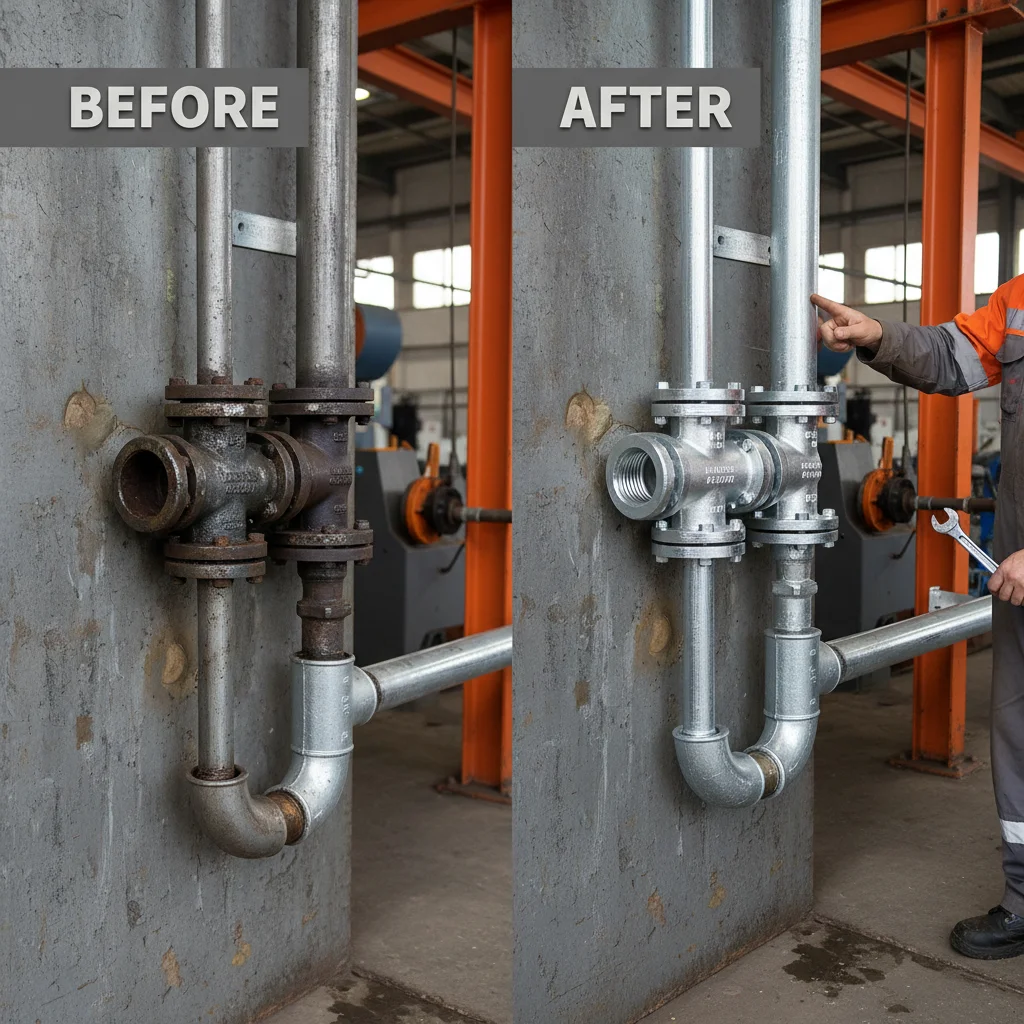
The primary appeal of using a fitting galvanized pipe lies in its exceptional resistance to rust. Unlike plain carbon steel, galvanized pipe is coated with a layer of zinc that acts as a sacrificial anode. This means that even if the surface is scratched, the zinc will corrode before the underlying steel is affected. This chemical property is indispensable for projects located in high-humidity environments or areas exposed to outdoor elements. Furthermore, these fittings provide significant mechanical strength, allowing them to withstand high pressure and physical impact without compromising the integrity of the system.
Pro Tip: When selecting galvanized fittings, always verify the zinc coating thickness. A thicker coating generally equates to a longer service life, especially in saline or acidic environments.
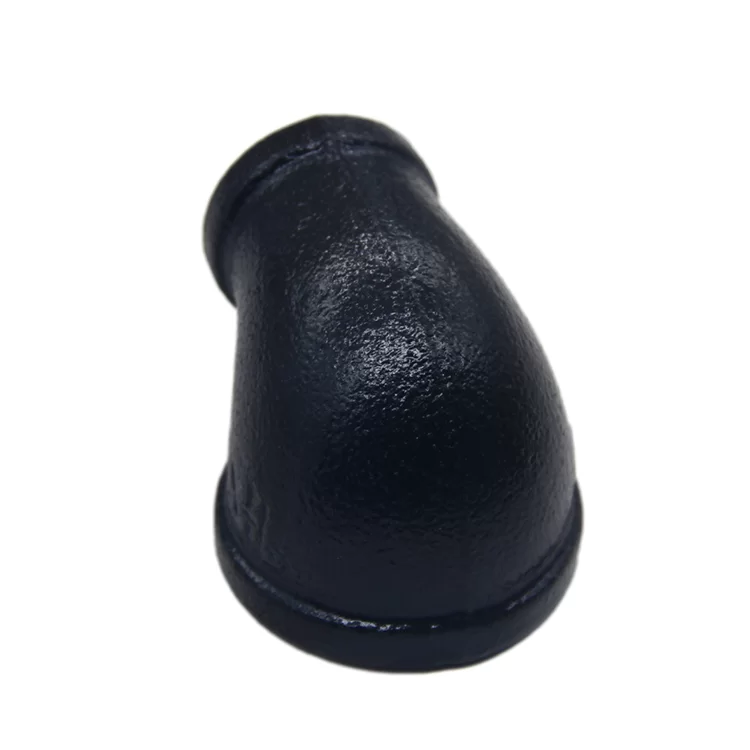
Depending on the complexity of your piping layout, different types of fitting galvanized pipe components are required. Elbows are used to change the direction of the flow, while tees allow for the splitting of a single line into two. Couplings are critical for joining two lengths of pipe together, and unions provide a way to disconnect sections for maintenance without cutting the pipe. Each of these components is manufactured to strict tolerances to ensure a watertight seal, which is critical for transporting fluids or gases safely.
Essential Fitting Types:
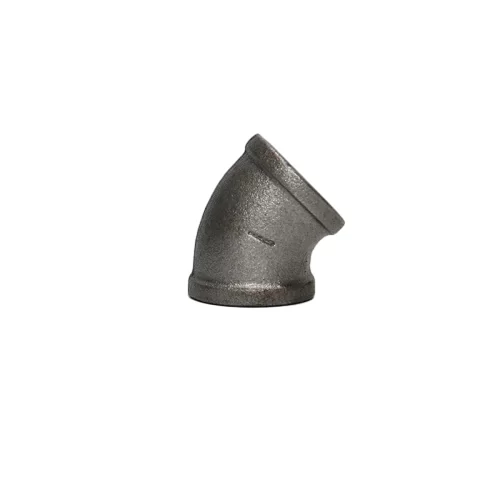
• Elbows (45°/90°): For precise directional shifts.
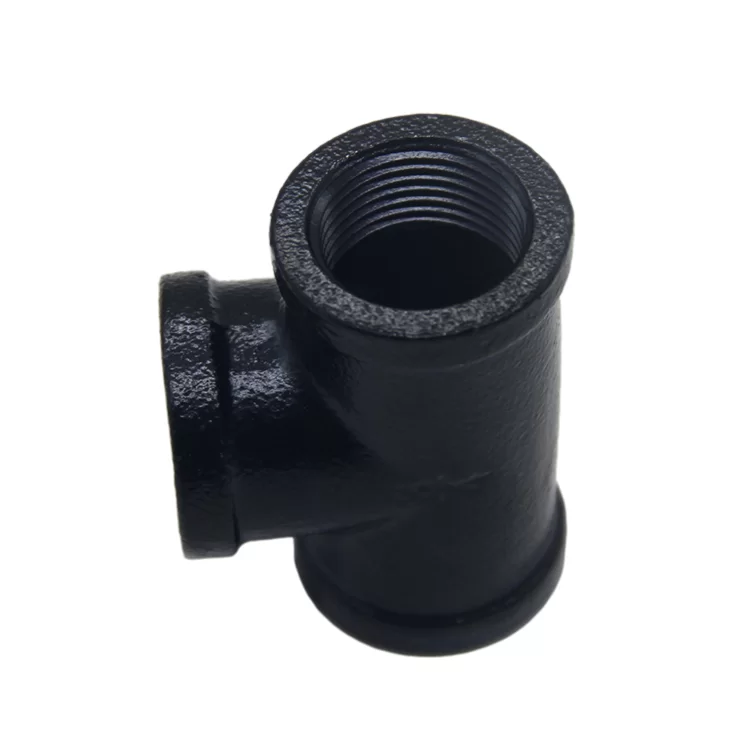
• Tee Fittings: For creating branch lines in the network.
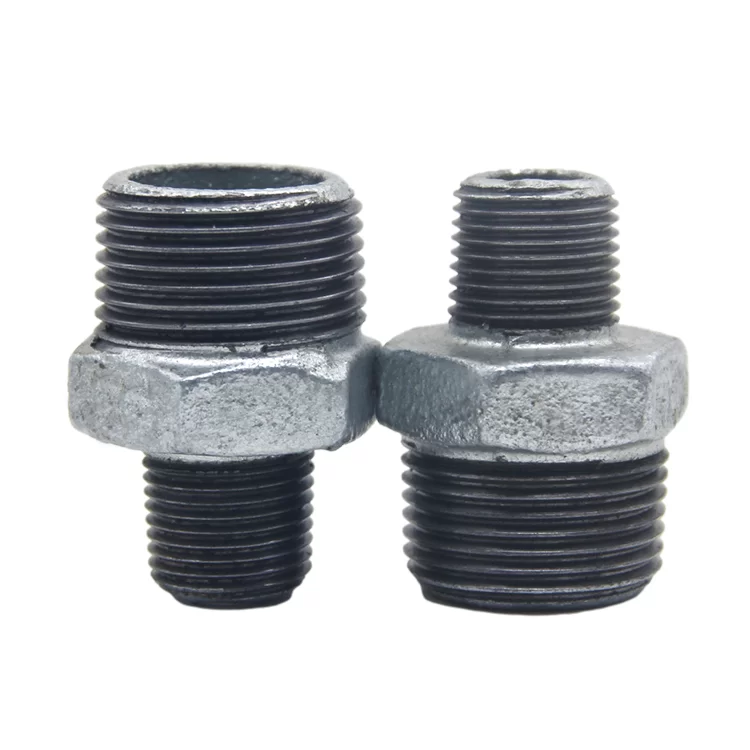
• Reducers: To connect pipes of different diameters.
• Caps & Plugs: For sealing the ends of a piping run.
When designing a system, engineers often debate between galvanized steel, PVC, and Stainless Steel. While PVC is cheaper and rust-proof, it lacks the structural strength and heat resistance of a fitting galvanized pipe. Stainless steel is superior in corrosion resistance but comes with a significantly higher price tag. Galvanized steel represents the "sweet spot"—offering high durability and sufficient corrosion protection at a cost-effective price point for large-scale industrial installations.
Proper installation is the key to avoiding premature failure. When working with a fitting galvanized pipe, it is crucial to use appropriate sealing materials, such as PTFE tape or pipe dope, to ensure a leak-proof connection. It is also important to avoid over-tightening, which can strip the threads or crack the fitting. For pipes that need to be cut, using a specialized pipe cutter is recommended over a hacksaw to maintain a clean, perpendicular edge, which ensures the fitting seats correctly.

Quality control is paramount when sourcing a fitting galvanized pipe. Most industrial fittings follow ASTM or DIN standards to ensure global compatibility. The material is typically hot-dipped galvanized steel, which provides a more uniform and thicker coating than electro-galvanizing. The pressure ratings vary based on the pipe schedule (e.g., Schedule 40 or Schedule 80), with heavier schedules being used for higher pressure applications.
Even the most robust fitting galvanized pipe system requires periodic inspection. Over time, the zinc layer may oxidize, forming a white powder known as "white rust." While this is generally a surface issue, it indicates that the protective layer is being consumed. Regularly checking joints for leaks and ensuring that the pipes are not exposed to highly corrosive chemicals (such as strong acids) will significantly extend the lifespan of the installation. For external pipes, a secondary coat of industrial paint can provide an additional layer of defense against UV and extreme weather.
Choosing a high-quality fitting galvanized pipe is a strategic investment in the safety and longevity of your industrial infrastructure. By combining the strength of steel with the corrosion resistance of zinc, these fittings provide a reliable solution for a vast array of demanding applications. Whether you are managing a construction site or an industrial plant, prioritizing standardized, hot-dipped galvanized components will reduce maintenance costs and prevent costly system failures. Invest in quality today to ensure a seamless operation tomorrow.
In the past, galvanized pipes were common for potable water. However, modern building codes in many regions now prefer copper, PEX, or stainless steel for drinking water because galvanized pipes can eventually corrode from the inside out, potentially restricting water flow or affecting water quality over many decades. For industrial water transport or non-potable applications, a fitting galvanized pipe remains an excellent and durable choice. Always check local plumbing codes before installation.
Hot-dipped galvanizing involves submerging the steel fitting in a bath of molten zinc, creating a thick, durable, and chemically bonded layer. Electro-galvanizing uses an electrical current to apply a much thinner layer of zinc. Hot-dipped fitting galvanized pipe components are far superior for outdoor or industrial use where corrosion resistance is the primary goal, whereas electro-galvanized parts are typically used for indoor applications where aesthetics are more important than heavy-duty protection.
Galvanic corrosion occurs when two dissimilar metals (like copper and galvanized steel) touch in the presence of an electrolyte (like water). To prevent this, you should use a dielectric union. A dielectric union is a specialized fitting that uses a plastic or rubber insulator to separate the two different metals, breaking the electrical circuit and preventing the zinc in the fitting galvanized pipe from corroding rapidly.
Under ideal conditions, a high-quality galvanized system can last between 20 to 50 years. The lifespan depends heavily on the environment; pipes in dry, indoor settings will last significantly longer than those exposed to salt air or acidic soil. Regular maintenance and the use of premium fitting galvanized pipe components from reputable manufacturers are the best ways to maximize the operational life of your network.