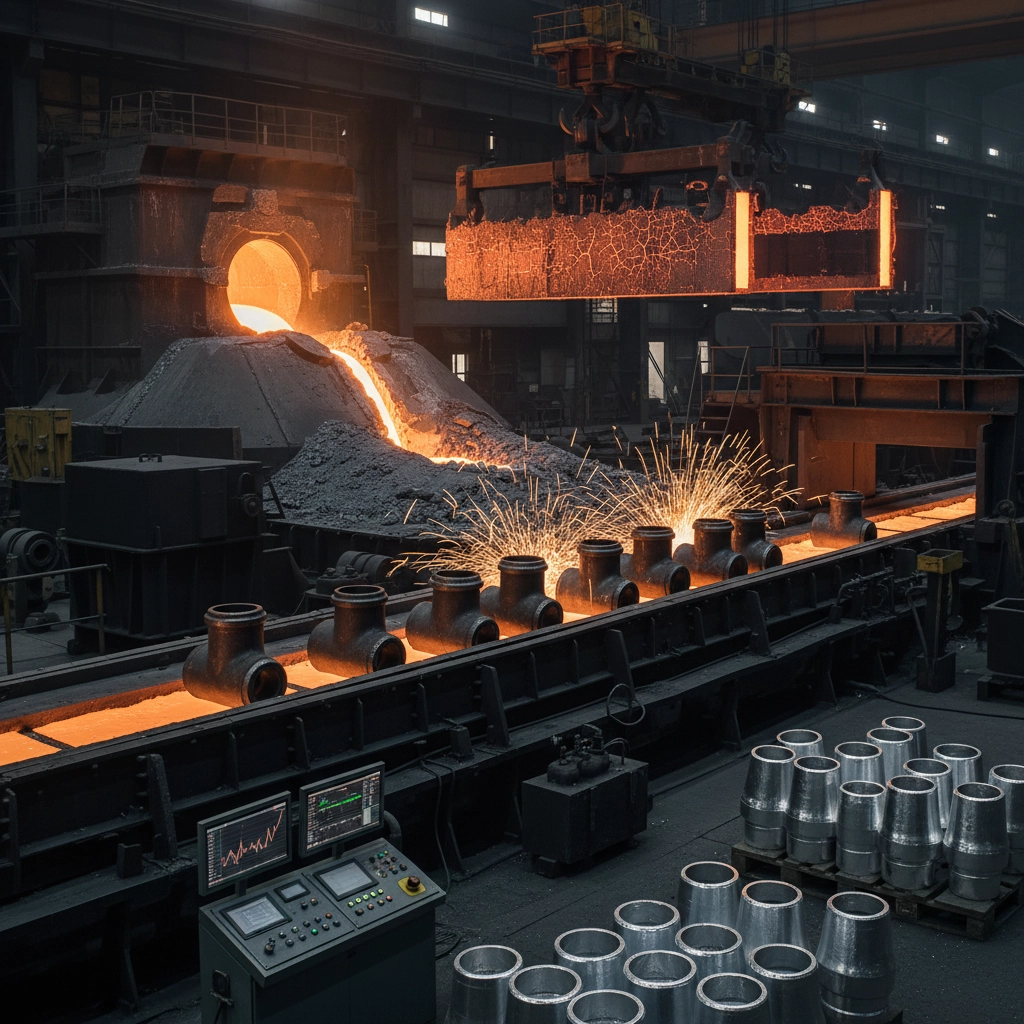
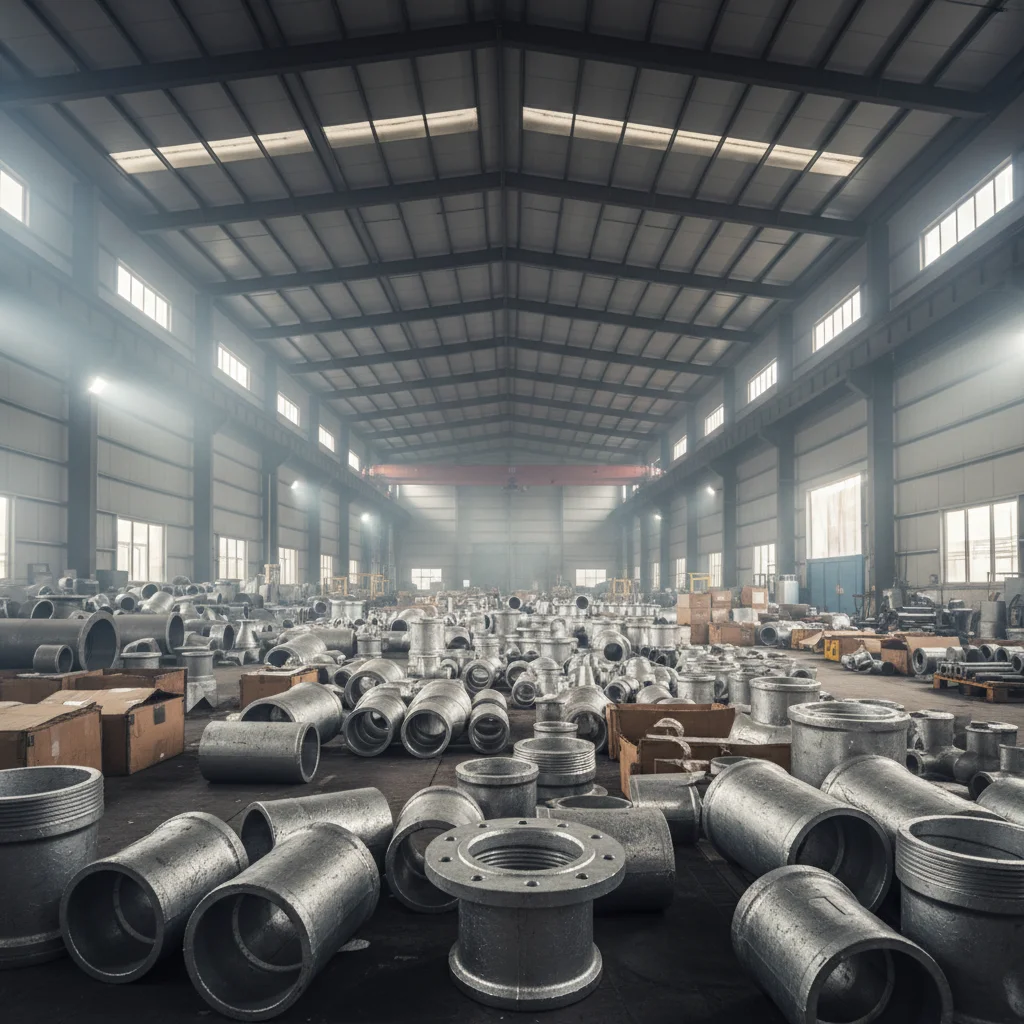
In the complex world of industrial piping and structural frameworks, the 5 way galvanized pipe fitting stands as a critical component for achieving multi-directional connectivity. These specialized connectors allow engineers and contractors to bridge five different piping paths from a single junction, significantly reducing the need for multiple smaller fittings and simplifying the overall architectural layout of a system.
Beyond simple connectivity, the galvanization process provides an essential layer of zinc protection, ensuring that the 5 way galvanized pipe fitting can withstand harsh environmental conditions. From high-humidity warehouses to chemically active industrial plants, the anti-corrosive properties of these fittings ensure long-term structural integrity and reduce the frequency of costly maintenance cycles.
Understanding the technical nuances of the 5 way galvanized pipe fitting is vital for optimizing fluid transport and structural supports globally. By integrating these high-efficiency components, industries can achieve a balance between robust load-bearing capacity and flexible design, meeting the rigorous standards of modern ISO and ASTM certifications.
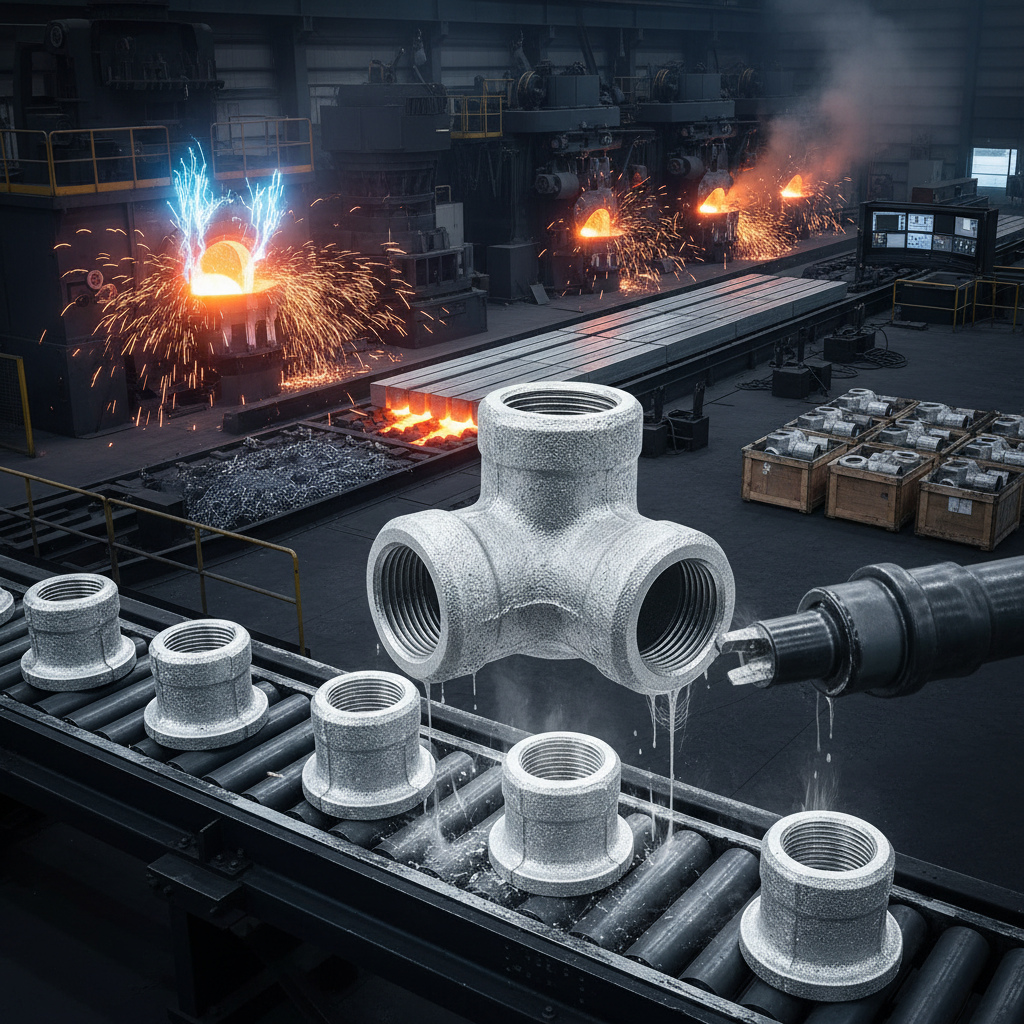
The Global Industrial Significance of 5 Way Galvanized Pipe Fittings
On a global scale, the demand for efficient infrastructure has pushed the metallurgy industry toward high-precision components like the 5 way galvanized pipe fitting. As urban centers expand and industrial complexes become more dense, the ability to route piping in five directions from a single point saves immense amounts of space and material, aligning with global sustainability goals to reduce steel waste.
Moreover, international standards such as those set by ISO emphasize the need for corrosion-resistant materials in critical infrastructure. The hot-dip galvanizing process used in these fittings ensures that they meet these stringent requirements, preventing premature failure in coastal regions or heavy-industry zones where salt and chemicals are prevalent.
Technical Definition and Engineering Meaning
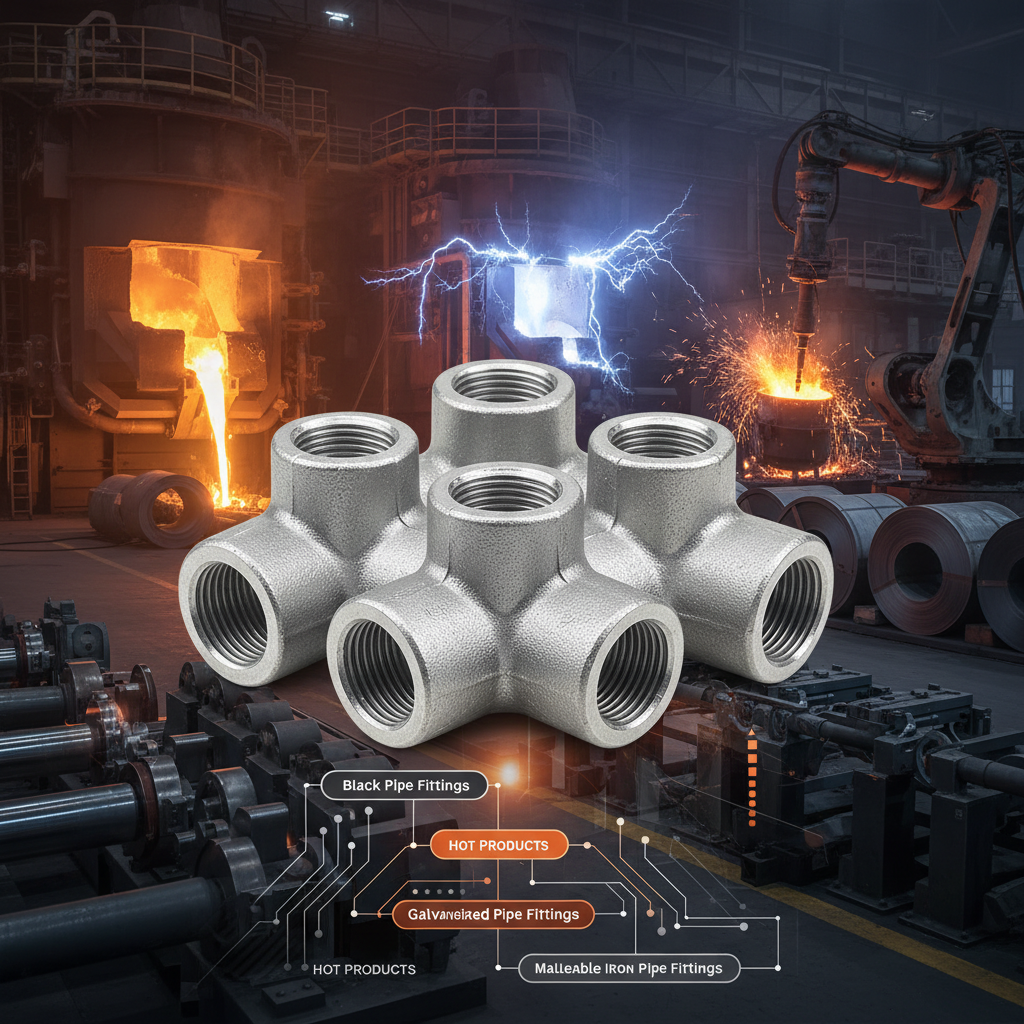
A 5 way galvanized pipe fitting is a precision-engineered connector designed to join five separate pipes at a single junction. Typically manufactured from malleable iron or carbon steel and coated with a protective layer of zinc, these fittings are essential for creating complex grids, scaffolding, or fluid distribution networks where a standard T-junction or 4-way cross is insufficient.
From an engineering perspective, the "5-way" configuration allows for a center-point distribution that can support both horizontal and vertical axes simultaneously. This geometric versatility is crucial for modern modular construction and industrial piping, where maximizing the utility of a single joint reduces the number of potential leak points and structural weak spots in the system.
The "galvanized" aspect refers to the electrochemical process of applying zinc to the steel surface. This is not merely an aesthetic choice but a functional necessity; the zinc acts as a sacrificial anode, meaning it corrodes before the underlying steel does, thereby extending the lifespan of the 5 way galvanized pipe fitting in damp or outdoor environments.
Core Components and Quality Factors
When evaluating a 5 way galvanized pipe fitting, the first critical factor is the casting precision. The internal threading must be perfectly concentric to ensure a leak-proof seal, especially in high-pressure applications. Any deviation in the casting process can lead to stress concentrations that might cause the fitting to crack under thermal expansion.
The zinc coating thickness is the second pillar of quality. A high-quality 5 way galvanized pipe fitting should have a uniform coating that penetrates the threads. This prevents "edge corrosion," a common failure where the ends of the fitting rust first due to thinner zinc layers during the dipping process.
Finally, the material grade of the base metal determines the load-bearing capacity. Whether utilizing ductile iron for higher impact resistance or malleable iron for versatility, the 5 way galvanized pipe fitting must be tested for tensile strength to ensure it can support the weight of the connected piping network without deformation.
Performance Metrics and Comparative Efficiency
Comparing the efficiency of a 5 way galvanized pipe fitting against traditional multi-fitting assemblies reveals a significant advantage in both installation speed and structural stability. By replacing three or four separate connectors with one 5-way unit, labor costs are reduced, and the overall risk of joint failure is minimized.
Furthermore, the hydraulic efficiency of a single integrated junction is often higher than that of staggered fittings, as it reduces turbulence and pressure drops within the fluid stream. This makes the 5 way galvanized pipe fitting an ideal choice for complex irrigation or industrial cooling systems.
Performance Ratings of 5 Way Galvanized Pipe Fitting Variants
Global Applications and Real-World Use Cases
In the realm of industrial warehouse racking and modular shelving, the 5 way galvanized pipe fitting is an indispensable tool. It allows for the creation of reinforced corner joints that can support immense vertical loads while simultaneously extending horizontal supports for shelving, making it a staple in logistics hubs across Europe and North America.
Beyond logistics, these fittings are widely used in agricultural greenhouses and remote industrial zones. For instance, in large-scale hydroponic systems, the 5 way galvanized pipe fitting enables the complex distribution of nutrient-rich water to multiple rows of crops from a single main line, ensuring uniform delivery and reducing the complexity of the pump system.
Long-Term Value and Economic Advantages
The long-term economic value of investing in a high-quality 5 way galvanized pipe fitting lies in the drastic reduction of "Total Cost of Ownership" (TCO). While a lower-grade fitting might be cheaper upfront, the cost of corrosion-induced failure, labor for replacement, and potential system downtime far outweigh the initial savings.
From a sustainability perspective, the durability of galvanized steel means fewer replacements over a 20-year lifecycle. This reduces the carbon footprint associated with the production and transport of replacement parts. Using a 5 way galvanized pipe fitting promotes a "build once, build right" philosophy that is increasingly favored by green building certifications.
Furthermore, the reliability of these components provides psychological peace of mind for facility managers. Knowing that the critical junctions of a structure are secured by industry-standard galvanized fittings ensures safety and trust, which are intangible but vital assets in high-stakes industrial environments.
Future Trends and Material Innovations
As we move toward Industry 4.0, the production of the 5 way galvanized pipe fitting is being transformed by automation and 3D metal printing. These technologies allow for even tighter tolerances and the ability to create customized 5-way geometries that were previously impossible with traditional sand casting, further optimizing fluid dynamics.
Another emerging trend is the integration of "smart coatings." Researchers are developing galvanized layers that can signal when the zinc protection has been depleted, allowing for predictive maintenance. This means a 5 way galvanized pipe fitting could eventually "alert" a manager that it requires a touch-up coating before rust ever reaches the steel core.
Lastly, the shift toward "green galvanizing" is reducing the environmental impact of the zinc dipping process. By utilizing closed-loop acid recovery systems, manufacturers are producing 5 way galvanized pipe fitting components that are not only durable but also produced with a significantly lower environmental footprint.
Technical Specification Analysis of 5 Way Galvanized Pipe Fitting Variants
| Fitting Material |
Corrosion Resistance |
Max Load Capacity |
Application Suitability |
| Malleable Iron |
High (Hot-Dip) |
Moderate |
General Piping/Shelving |
| Ductile Iron |
Very High |
Very High |
Heavy Industrial Frameworks |
| Carbon Steel |
Moderate |
High |
Indoor Structural Support |
| Alloy Steel |
High |
Extreme |
High-Pressure Systems |
| Electro-Galv Iron |
Low to Moderate |
Moderate |
Decorative/Light Use |
| Cast Iron |
High |
Moderate |
Low-Pressure Distribution |
FAQS
The primary advantage is the reduction of joint failure points. By using one 5 way galvanized pipe fitting, you eliminate several intermediate connections. This not only streamlines the installation process and reduces labor costs but also significantly decreases the likelihood of leaks, as there are fewer threaded interfaces where seals can fail.
Hot-dip galvanizing involves submerging the 5 way galvanized pipe fitting in molten zinc, creating a thick, metallurgically bonded layer. This layer provides cathodic protection; if the surface is scratched, the surrounding zinc corrodes preferentially to protect the steel, preventing rust from penetrating the core for decades.
Yes, provided that the fitting is manufactured from high-grade ductile iron or forged steel and meets the specific pressure ratings (such as Schedule 40 or 80). It is essential to verify the PSI rating of the 5 way galvanized pipe fitting to ensure it meets the safety requirements of your specific gas application.
Most industrial 5 way galvanized pipe fittings are produced to meet NPT (National Pipe Thread) or BSP (British Standard Pipe) specifications. However, it is crucial to specify the thread standard during ordering, as mixing these two can lead to cross-threading and permanent leaks.
While the 5 way galvanized pipe fitting is zinc-coated, the act of threading can sometimes expose the raw steel. Using a high-quality galvanized thread sealant or applying a cold-galvanizing spray to the exposed joints after tightening will provide an extra layer of protection against oxidation.
Lead times vary based on the casting method. Standard stock items are available immediately, but custom dimensions for a 5 way galvanized pipe fitting usually require 2-4 weeks for mold creation, casting, and the galvanization process to ensure the coating meets ISO standards.
Conclusion
The 5 way galvanized pipe fitting represents a perfect marriage of geometric efficiency and material science. By consolidating complex junctions into a single, corrosion-resistant component, it provides industrial sectors with a reliable method to build durable, scalable, and cost-effective piping networks. From the rigorous demands of heavy manufacturing to the precision of modern agricultural systems, the value of these fittings is measured not just in their strength, but in the long-term operational stability they provide.
Looking ahead, the continued evolution of metallurgy and "smart" protective coatings will only enhance the utility of these components. For engineers and procurement managers, prioritizing high-grade galvanized fittings is a strategic move that ensures safety, reduces environmental waste, and optimizes structural lifespans. We invite you to explore our full range of professional piping solutions to elevate your next project. Visit our website: www.jinmaicasting.com