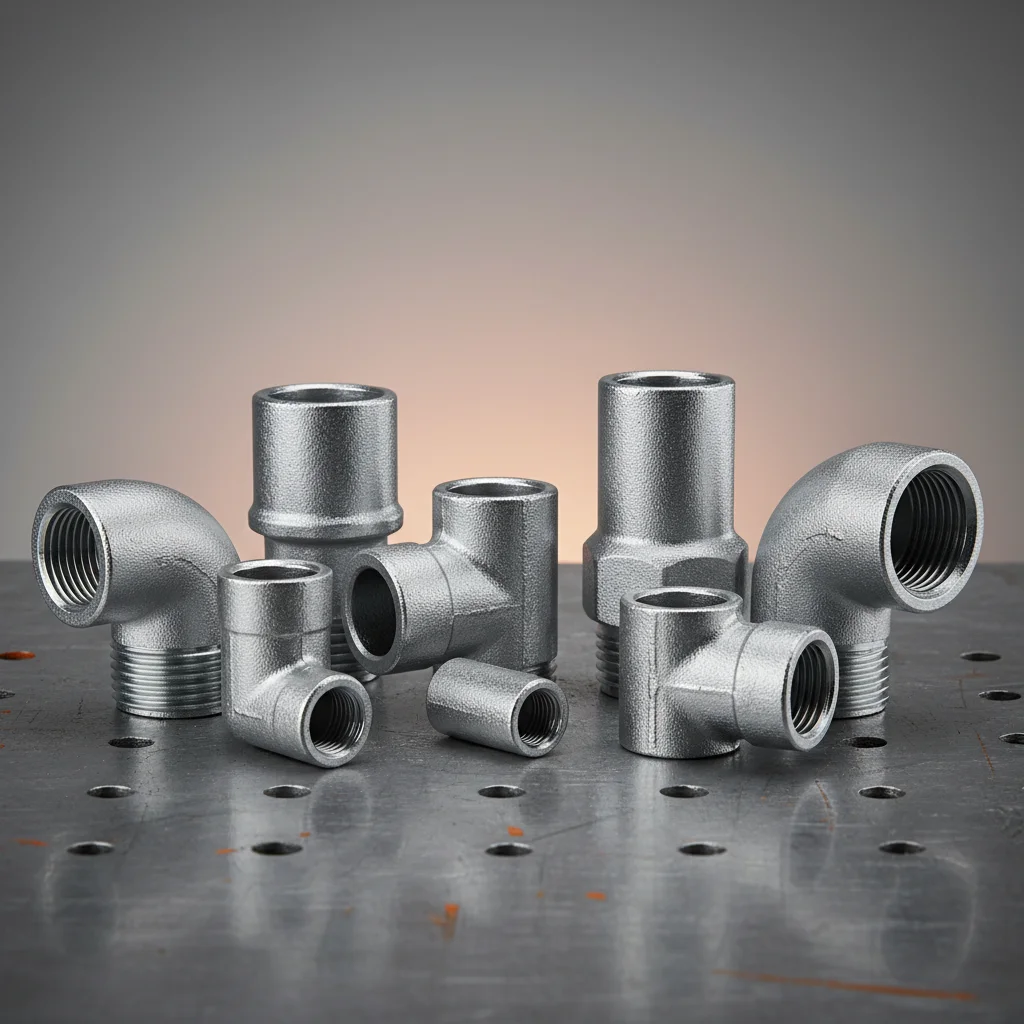
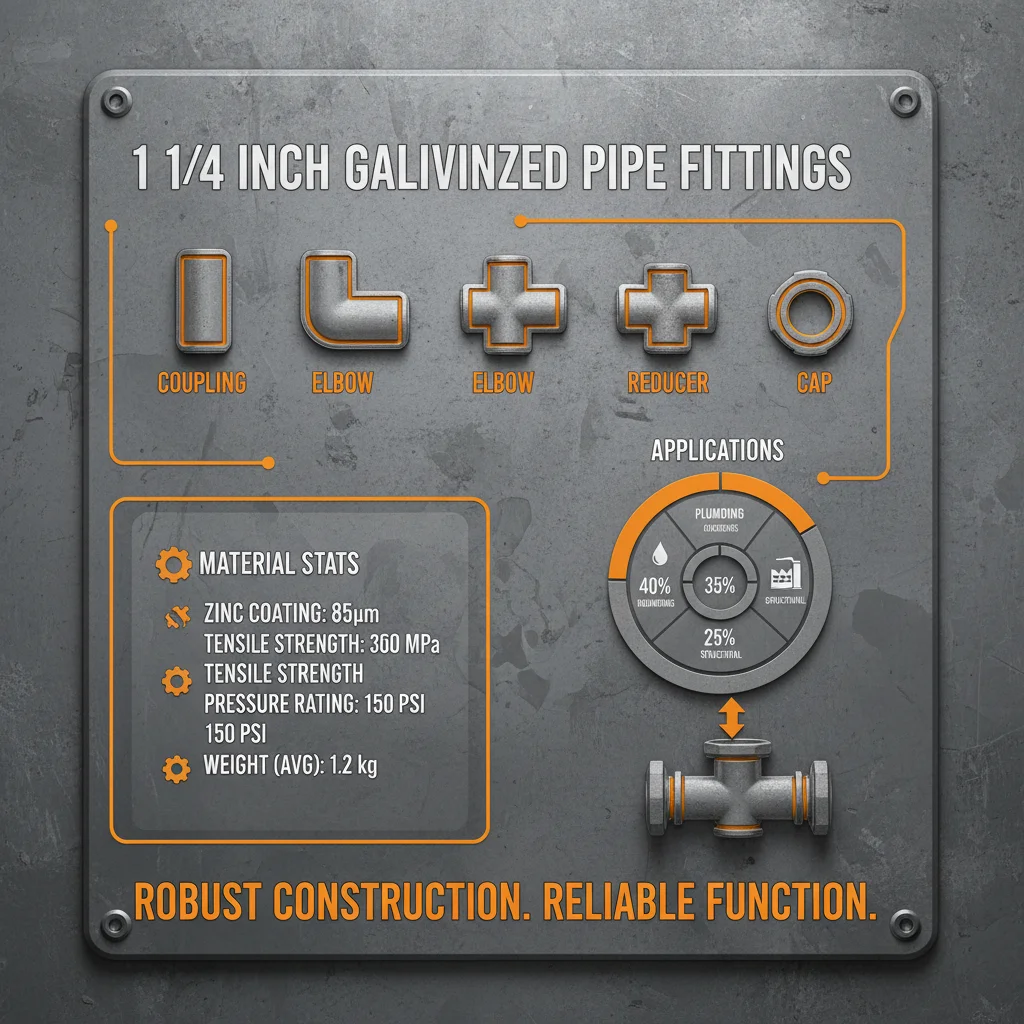
In the demanding world of industrial piping and structural framework, the 4 way galvanized pipe fitting stands as a critical component for achieving complex multi-directional intersections. These fittings are engineered to provide robust connectivity, allowing pipes to branch in four distinct directions, which is essential for everything from safety railings to intricate plumbing manifolds. By combining the structural integrity of malleable iron or steel with a protective zinc coating, these components ensure that industrial systems remain stable and leak-proof under significant pressure.
The global demand for high-quality galvanized solutions has surged as industries seek materials that can withstand corrosive environments without requiring frequent replacement. A 4 way galvanized pipe fitting addresses the common challenge of oxidation and rust, which often plague standard steel fittings in humid or chemical-heavy settings. By utilizing a hot-dip galvanization process, these fittings create a metallurgical bond that acts as a sacrificial anode, protecting the base metal from the elements for decades.
Understanding the technical nuances of these fittings is not just about procurement; it is about ensuring the long-term safety and efficiency of infrastructure. Whether it is used in agricultural greenhouse supports, industrial warehouse shelving, or complex fluid transport systems, the 4 way galvanized pipe fitting provides the versatility and strength needed to optimize spatial layout and load distribution. This guide explores the engineering, application, and future of these indispensable industrial components.
The Engineering Fundamentals of 4 Way Galvanized Pipe Fitting
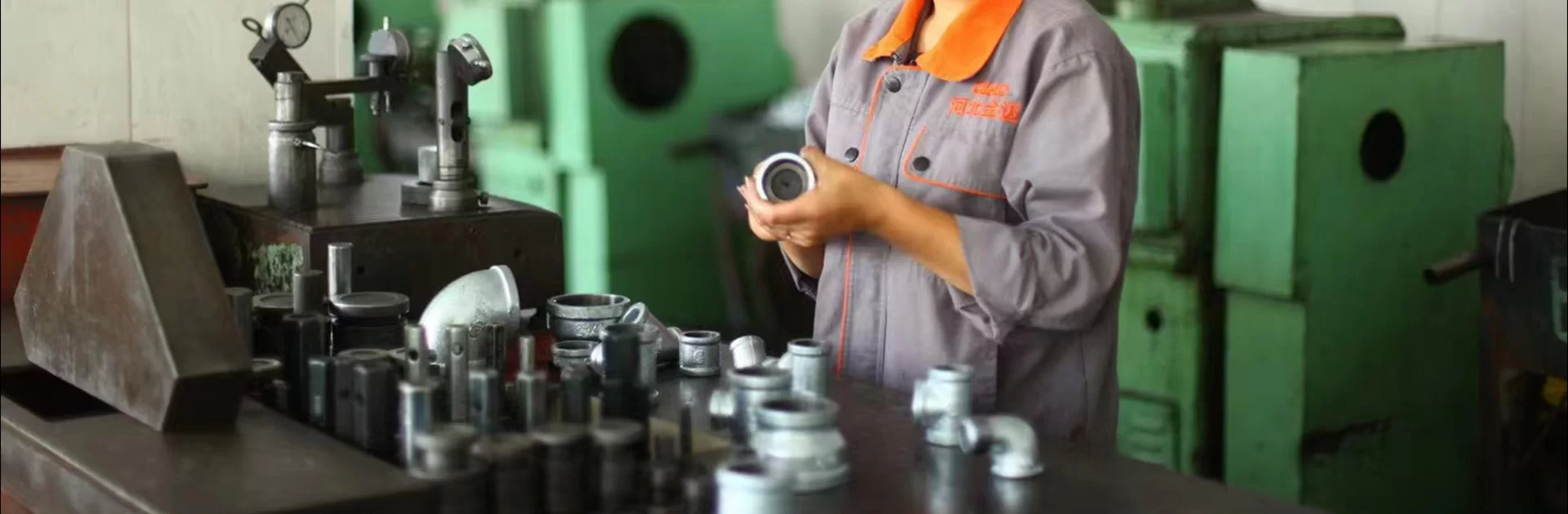
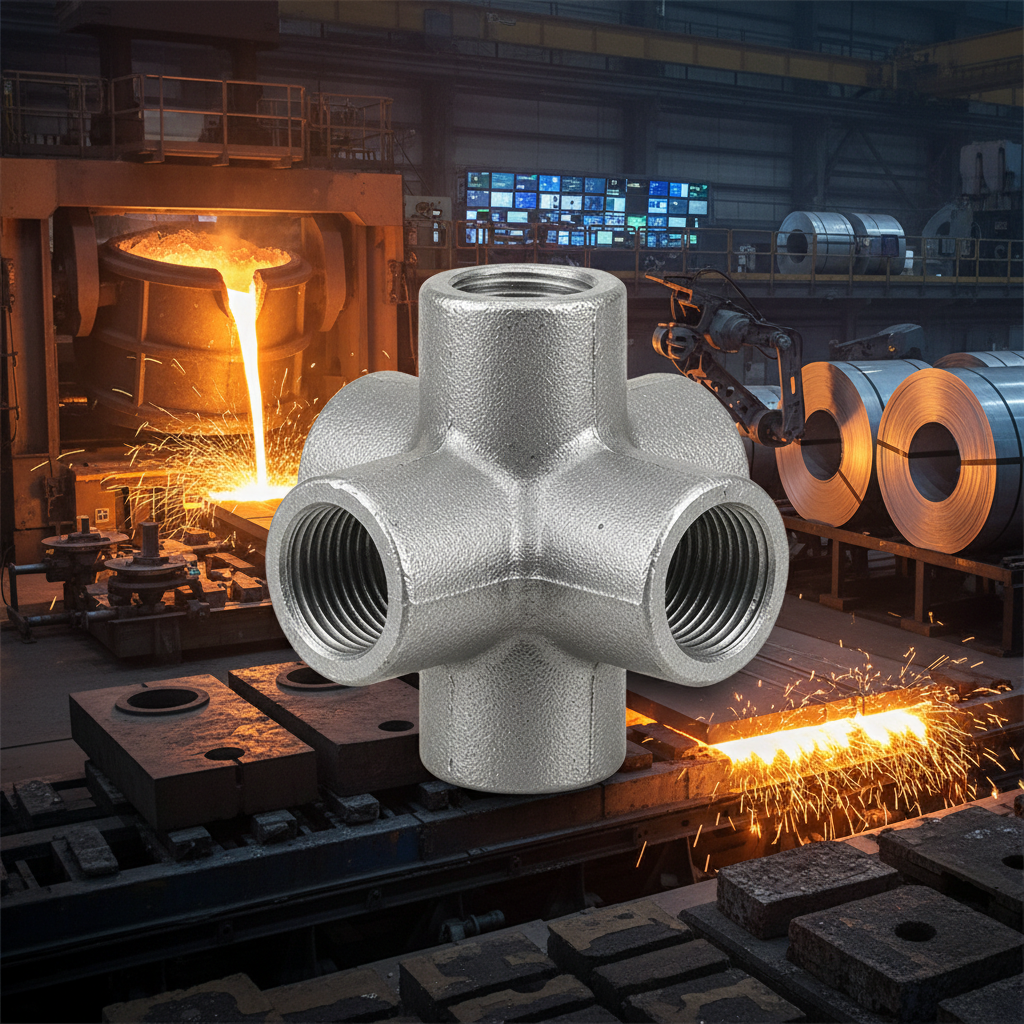
At its core, the 4 way galvanized pipe fitting is designed to solve the geometric challenge of connecting four separate pipelines at a single junction point. Unlike standard tees or elbows, the 4-way configuration (often a cross or a specialized manifold) allows for maximum flexibility in fluid distribution or structural bracing. The precision casting process ensures that the internal diameters are consistent, minimizing turbulence in fluid flow and maximizing the load-bearing capacity for structural frames.
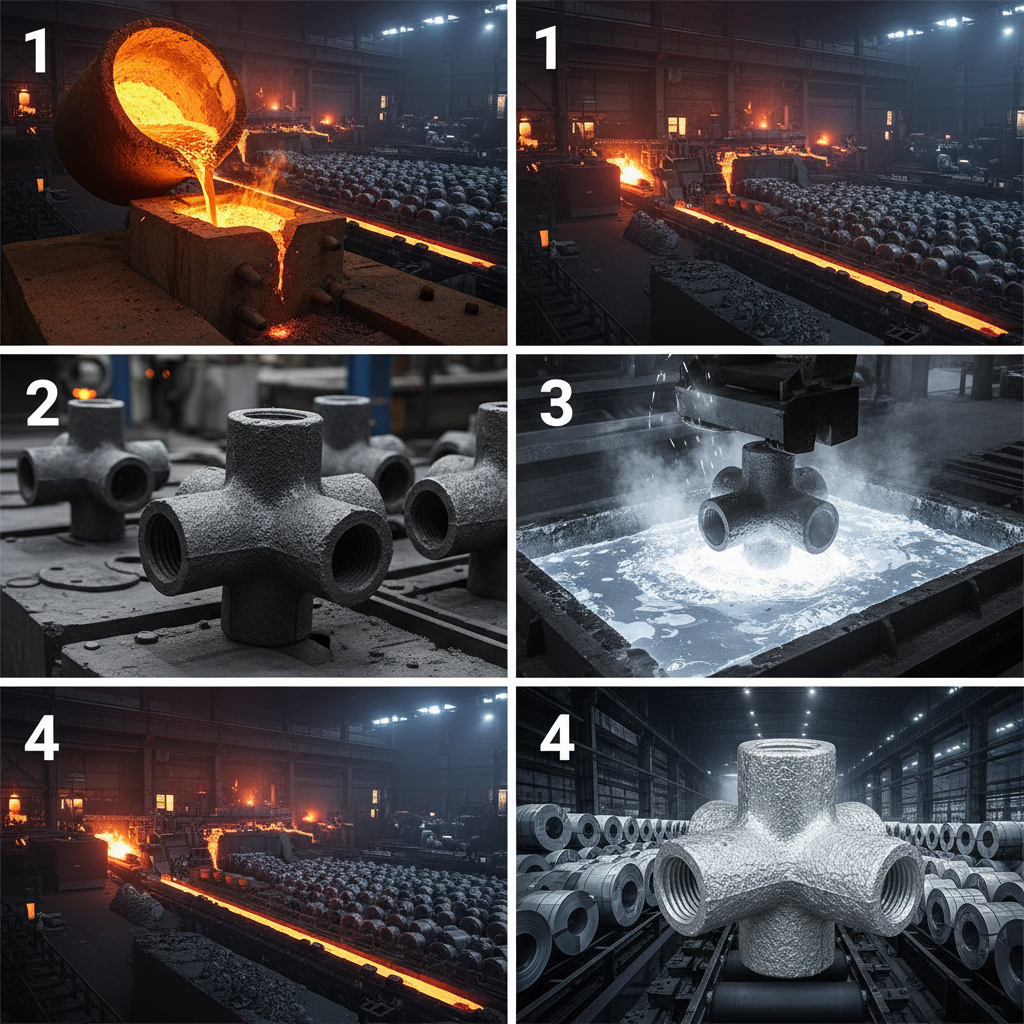
The "galvanized" aspect refers to the application of a protective zinc coating. This is typically achieved through hot-dip galvanizing, where the fitting is submerged in molten zinc. This process creates a series of zinc-iron alloy layers that are far more durable than simple paint or electroplating. For the 4 way galvanized pipe fitting, this means the interior and exterior surfaces are equally protected, preventing internal corrosion that could lead to catastrophic system failure.
Global Industrial Relevance and Standards
In the global construction and manufacturing landscape, adherence to international standards such as ISO, ASTM, and DIN is non-negotiable. The 4 way galvanized pipe fitting must meet strict tolerances to ensure compatibility across different regions. For instance, a fitting manufactured for a project in North America must align perfectly with pipes produced in Europe or Asia to avoid leakage and structural instability, emphasizing the need for standardized threading and dimensions.
Industries such as oil and gas, water treatment, and large-scale agriculture rely heavily on these components. According to industry trends, the shift toward modular construction has increased the demand for versatile fittings. The 4 way galvanized pipe fitting allows engineers to design "plug-and-play" frameworks that can be quickly assembled and disassembled, reducing onsite labor costs and accelerating project timelines.
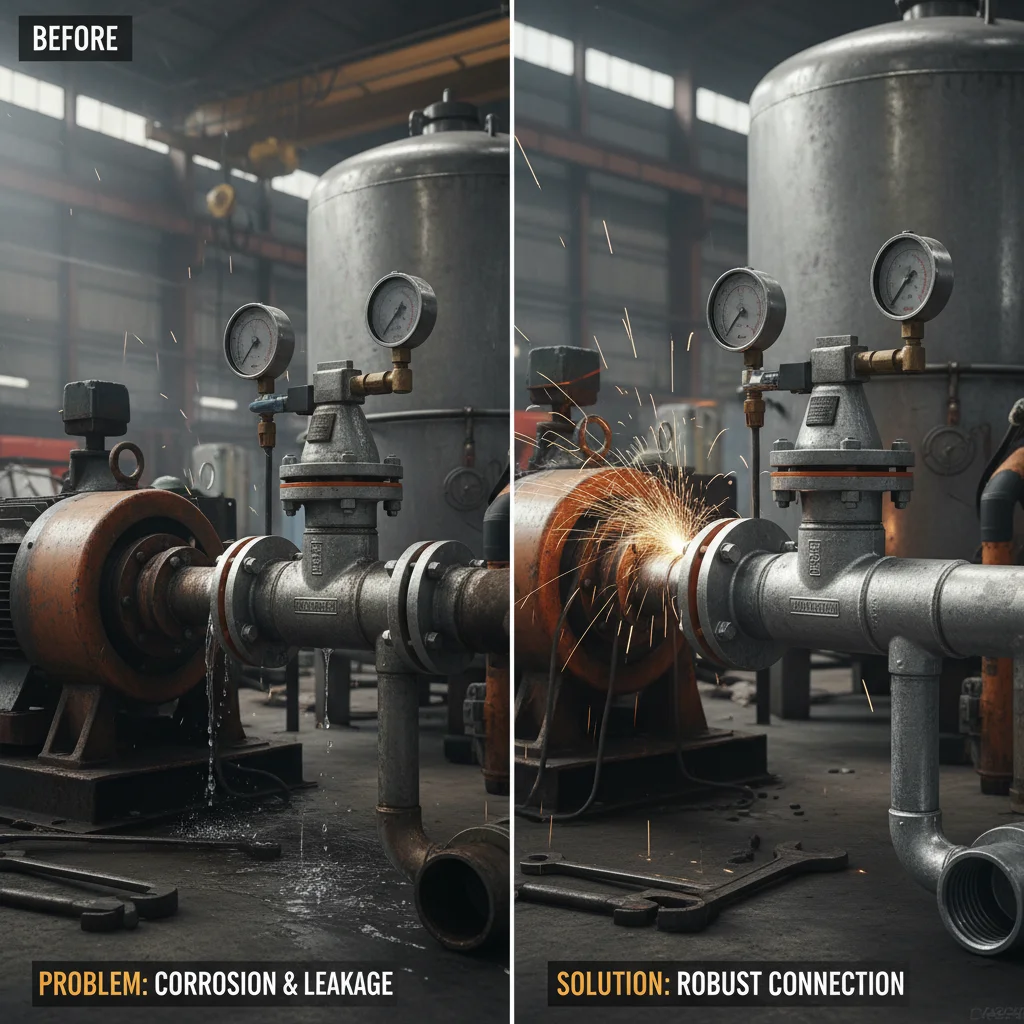
However, a persistent challenge remains: the balance between cost and longevity. Low-grade fittings often suffer from "zinc flaking," where the coating peels off, exposing the iron to rapid oxidation. High-performance 4 way galvanized pipe fitting solutions overcome this by optimizing the pickling and fluxing stages of the galvanization process, ensuring a permanent bond that resists the harshest environmental stressors.
Core Components and Material Durability
The durability of a 4 way galvanized pipe fitting is primarily derived from its base material, typically malleable iron or carbon steel. Malleable iron is preferred for its ability to withstand impact and shock without cracking, making it ideal for high-traffic industrial environments where equipment might bump into the piping structure.
Central to its longevity is the zinc coating. The 4 way galvanized pipe fitting utilizes a sacrificial protection mechanism; the zinc corrodes first, shielding the underlying steel. This is critical in coastal regions where salt spray would otherwise destroy an unprotected iron fitting within months.
Furthermore, the threading precision of the 4 way galvanized pipe fitting ensures a tight seal. Whether using NPT (National Pipe Thread) or BSP (British Standard Pipe), the quality of the thread determines the fitting's ability to maintain pressure integrity, preventing costly leaks in pressurized air or water systems.
Comparative Performance Metrics in Piping
When evaluating different types of junctions, the 4 way galvanized pipe fitting offers a unique balance of strength and versatility. Compared to plastic (PVC) alternatives, galvanized steel provides far superior heat resistance and structural rigidity, though it is heavier. Compared to stainless steel, it is more cost-effective for large-scale installations while providing sufficient corrosion resistance for most industrial applications.
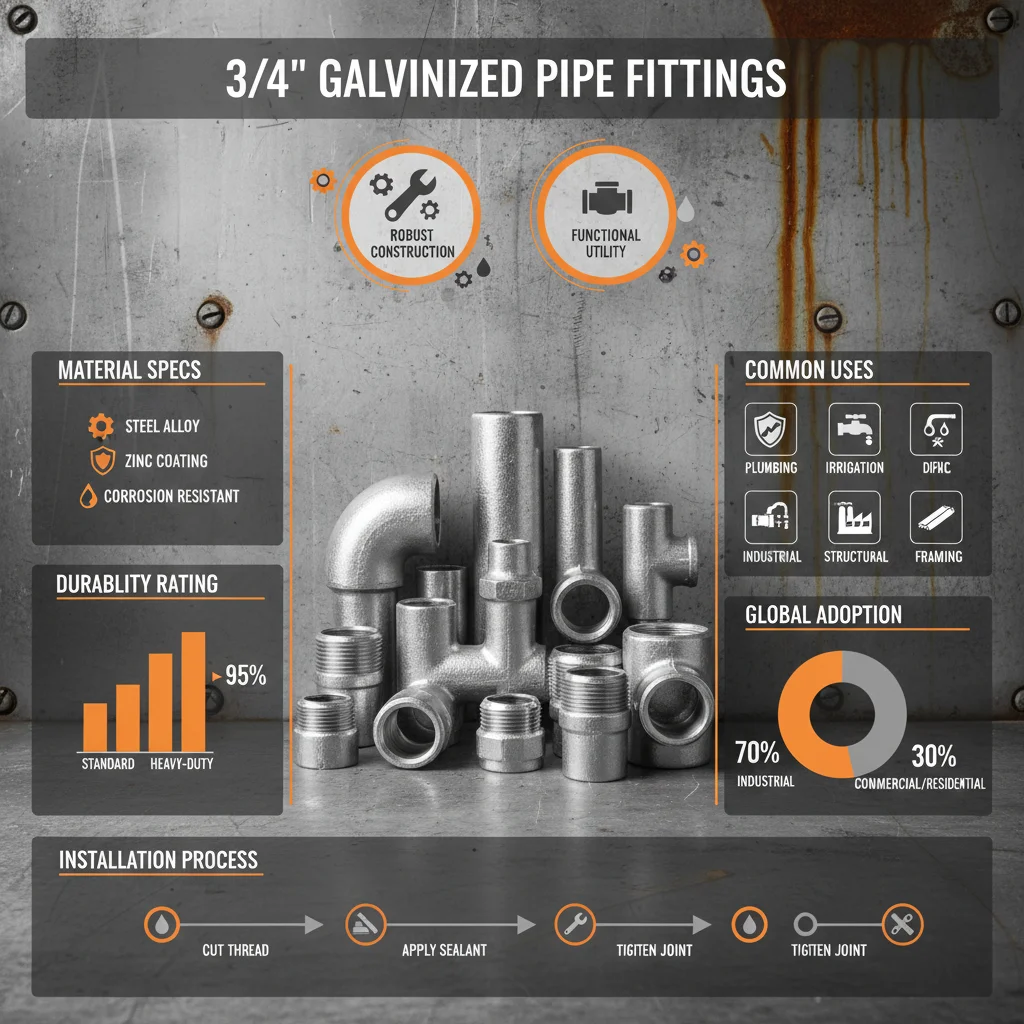
The performance of these fittings is often measured by their "service life rating" and "pressure tolerance." A high-quality 4 way galvanized pipe fitting can maintain its integrity for over 30 years in moderately corrosive environments, making it a sustainable choice for infrastructure projects that aim to minimize lifecycle maintenance.
Performance Analysis of 4 Way Galvanized Pipe Fitting Variants
Global Applications and Real-World Use Cases
The practical application of the 4 way galvanized pipe fitting spans across various continents and industries. In North American industrial warehouses, these fittings are frequently used to construct heavy-duty storage racks and safety bollards. Their ability to create stable, right-angle intersections makes them the gold standard for creating skeletal structures that must support significant weight while resisting oxidation.
In Southeast Asia and Africa, where agricultural infrastructure is expanding, the 4 way galvanized pipe fitting is essential for building hydroponic systems and greenhouse frames. The galvanization ensures that the structures can withstand high humidity and frequent watering without rusting, which is vital for food security initiatives and large-scale farming operations in tropical climates.
Long-Term Value and Economic Advantages
Investing in a high-grade 4 way galvanized pipe fitting provides a clear economic advantage through the reduction of "Total Cost of Ownership" (TCO). While the initial purchase price may be slightly higher than non-galvanized alternatives, the elimination of annual painting or anti-corrosion treatments results in significant savings over a ten-year period.
Beyond the financial aspect, there is a safety and trust component. In industrial settings, a fitting failure can lead to costly downtime or hazardous leaks. Using a certified 4 way galvanized pipe fitting provides peace of mind, ensuring that the intersection remains a point of strength rather than a point of failure, thus protecting both the facility and its workers.
Sustainability is also a key driver. Galvanized steel is highly recyclable. At the end of a system's lifecycle, the 4 way galvanized pipe fitting can be melted down and repurposed, aligning with global "Green Building" certifications and corporate environmental responsibility goals.
Future Trends and Innovation in Galvanized Casting
The future of the 4 way galvanized pipe fitting is being shaped by advances in material science and automation. We are seeing the emergence of "Nano-Galvanizing," where thinner, more uniform zinc layers are applied using precision technology to reduce material waste while increasing hardness. This allows for fittings that are lighter but more resistant to abrasion.
Furthermore, the integration of digital twins and BIM (Building Information Modeling) is changing how these fittings are deployed. Engineers can now simulate the stress loads on a 4 way galvanized pipe fitting in a virtual environment before a single piece of metal is cast, ensuring that the wall thickness and thread depth are perfectly optimized for the specific pressure requirements of the project.
Automation in the casting process, such as 3D metal printing and advanced centrifugal casting, is also reducing the porosity of the base metal. This results in a 4 way galvanized pipe fitting that is virtually impervious to internal leaks, pushing the boundaries of what is possible in high-pressure hydraulic and pneumatic systems.
Technical Specification Analysis of 4 Way Galvanized Pipe Fitting Variants
| Fitting Material |
Coating Method |
Corrosion Resistance |
Avg. Service Life |
| Malleable Iron |
Hot-Dip Zinc |
Excellent |
25-40 Years |
| Carbon Steel |
Hot-Dip Zinc |
Very High |
20-30 Years |
| Ductile Iron |
Electro-Galvanized |
Moderate |
10-15 Years |
| Cast Steel |
Hot-Dip Zinc |
Excellent |
30-50 Years |
| Low-Carbon Iron |
Cold-Galvanized |
Low |
5-10 Years |
| Alloy Steel |
Hot-Dip Zinc |
Superior |
40+ Years |
FAQS
Hot-dip galvanizing involves submerging the fitting in molten zinc, creating a thick, multi-layered coating that offers superior corrosion resistance and a longer lifespan, making it ideal for outdoor or industrial use. Electro-galvanizing uses an electrical current to apply a thinner zinc layer; it provides a smoother finish and is more cost-effective but is generally reserved for indoor environments with low moisture levels.
Yes, provided they are manufactured from high-grade malleable iron or carbon steel and meet specific pressure ratings (such as Schedule 40 or 80). It is crucial to verify the pressure rating and the quality of the threads to ensure a leak-proof seal. For extremely high-pressure applications, always consult the manufacturer's technical data sheet to ensure the fitting meets the safety requirements of your specific gas line.
To prevent galvanic corrosion at the joints, it is recommended to use PTFE tape or high-quality pipe sealant. Since the threads are the most vulnerable part of the 4 way galvanized pipe fitting, ensuring a tight, sealed connection prevents moisture from penetrating the thread gaps, which effectively extends the life of the entire piping assembly.
Physically, yes, as they often share the same thread standards. However, mixing galvanized and black pipe fittings can lead to "bimetallic corrosion" or galvanic action, where the different metals react and accelerate rust. For long-term reliability, it is highly recommended to use galvanized fittings throughout the entire system, especially in moist environments.
Look for evidence of a uniform zinc coating without "zinc spikes" or bare spots. Check for certification marks (like ISO or ASTM) and verify that the internal threads are clean and precisely cut. A reputable supplier should provide a material mill certificate that confirms the chemical composition of the base metal and the thickness of the galvanization layer.
Welding galvanized steel is possible but discouraged without proper preparation. The zinc coating vaporizes during welding, creating toxic fumes and potentially causing "zinc embrittlement" or weld porosity. If welding is necessary, the galvanized layer must be ground off the weld area first, and the joint must be re-coated with a cold-galvanizing spray after welding to maintain corrosion protection.
Conclusion
The 4 way galvanized pipe fitting is far more than a simple connector; it is a precision-engineered solution that balances structural strength, corrosion resistance, and geometric versatility. By leveraging the metallurgical benefits of zinc coating and the robustness of malleable iron, these fittings enable the creation of durable, low-maintenance systems across the global industrial and agricultural sectors. From reducing the total cost of ownership to ensuring worker safety through reliable infrastructure, the value of high-quality galvanized components is undeniable.
As we move toward a future of sustainable construction and automated manufacturing, the evolution of these fittings will likely focus on thinner, stronger coatings and digital optimization. For engineers and project managers, prioritizing certified, high-grade galvanized solutions is the most effective way to ensure the longevity of any piping network. To explore our full range of professional-grade piping solutions and customized casting options, visit our website: www.jinmaicasting.com.