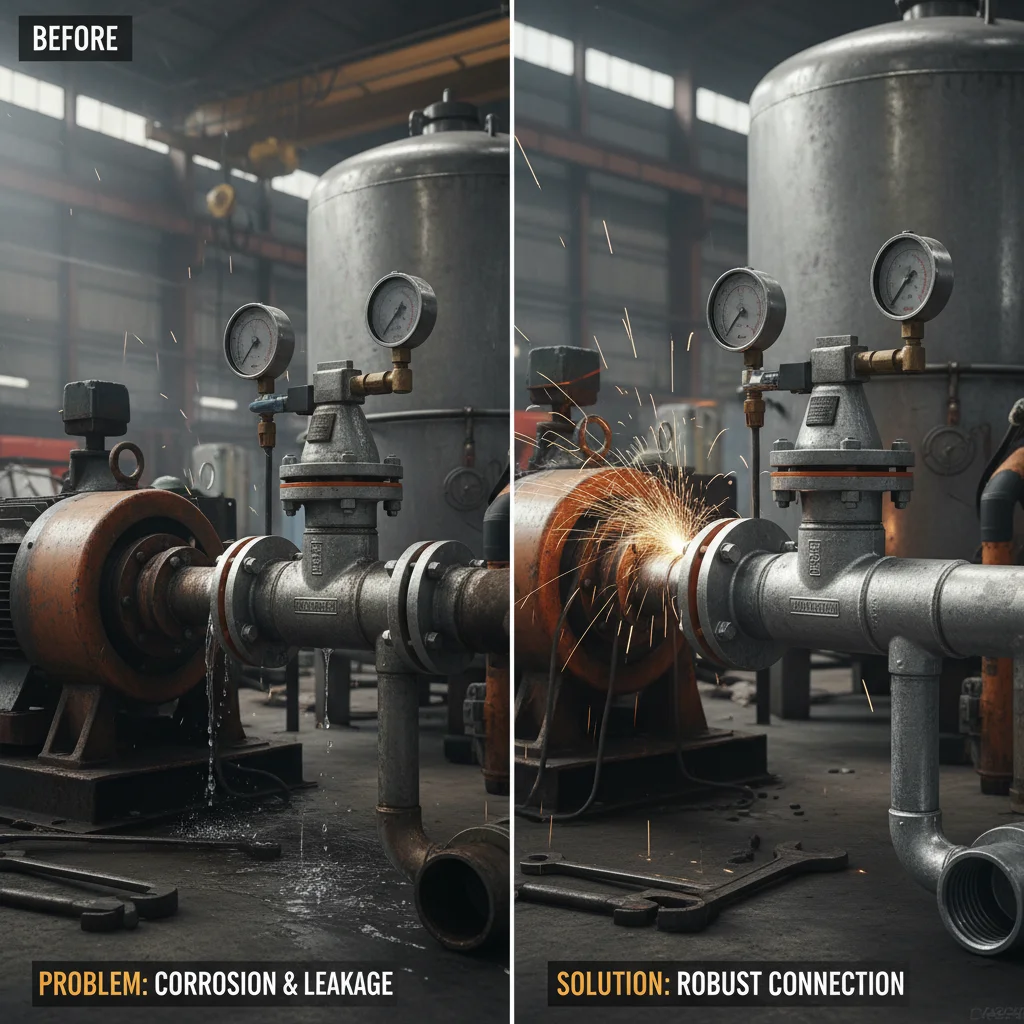
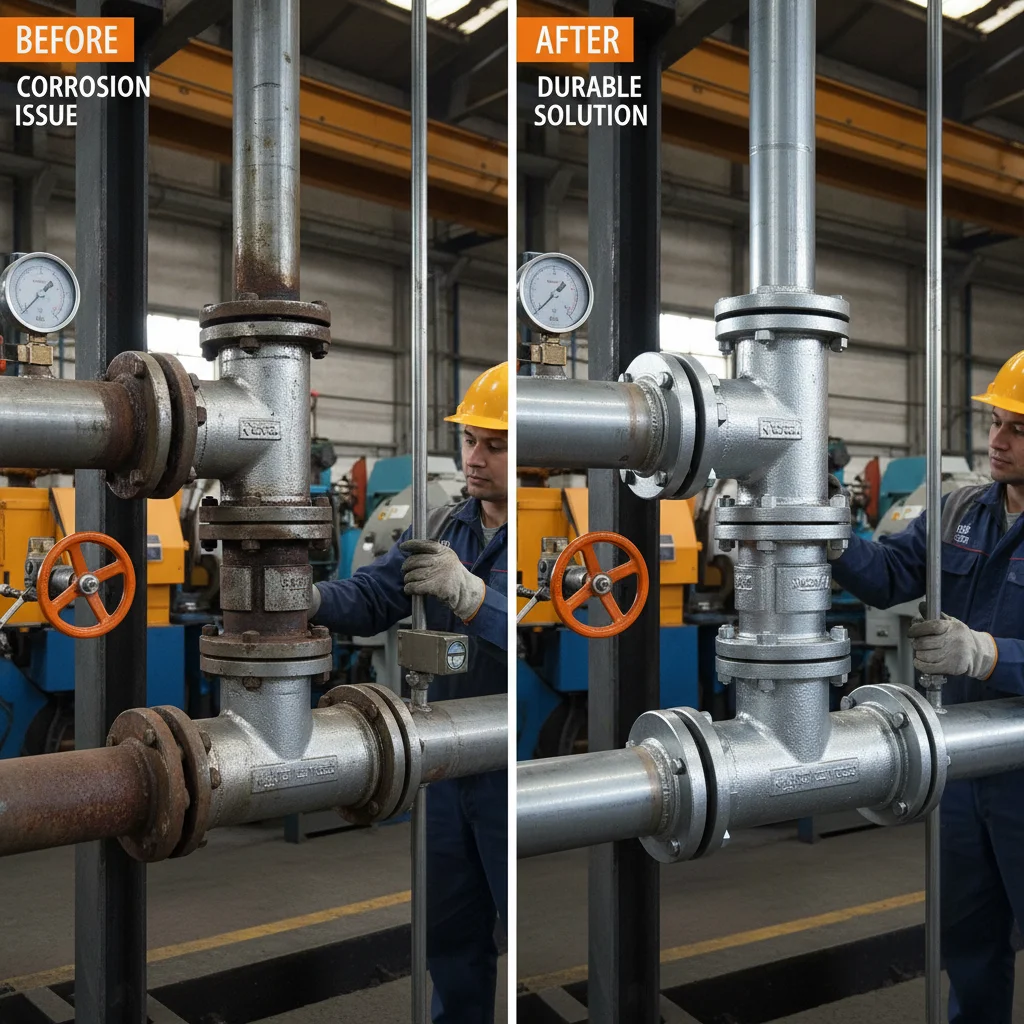
When it comes to maintaining the integrity of fluid transport systems in harsh industrial environments, 4 galvanized pipe fittings stand as a critical cornerstone of infrastructure. These components provide the necessary structural connections while offering a robust shield against oxidation, ensuring that piping networks remain leak-free and efficient over decades of service.
The global demand for high-quality 4 galvanized pipe fittings has surged as industries shift toward more sustainable and durable materials. By combining the strength of malleable iron or steel with a protective zinc coating, these fittings resolve the perennial struggle between mechanical rigidity and chemical vulnerability, making them indispensable for water, gas, and air distribution.
Understanding the nuances of 4 galvanized pipe fittings—from their hot-dip galvanization process to their adherence to international ISO standards—allows engineers and procurement managers to optimize lifecycle costs. This guide explores the technical depth and practical applications of these fittings, highlighting why they remain the preferred choice for demanding global installations.
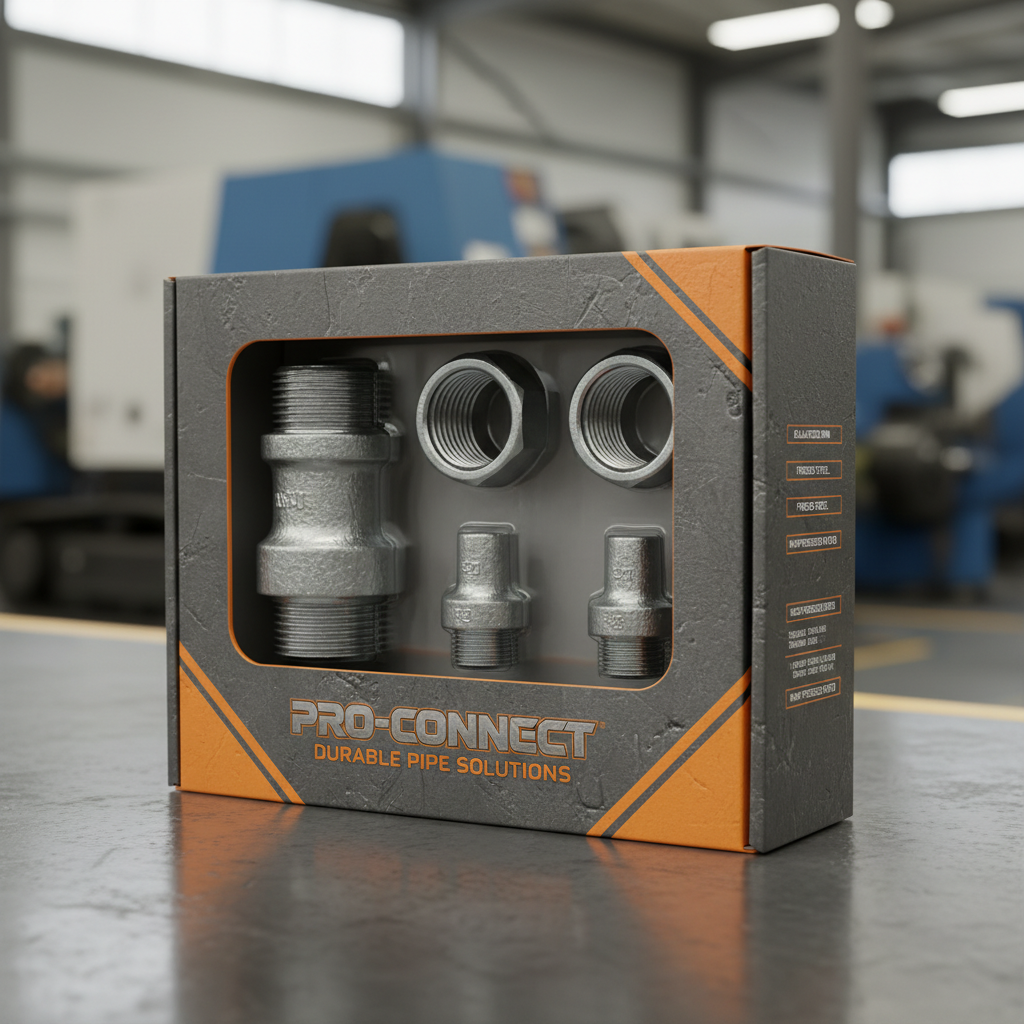
Global Industry Context of 4 Galvanized Pipe Fittings
In the contemporary industrial landscape, the reliability of piping systems is non-negotiable. Globally, the adoption of 4 galvanized pipe fittings has become a standard for sectors ranging from municipal water works to petrochemical refineries. According to ISO quality benchmarks, the integration of zinc-coated components significantly reduces the frequency of pipe bursts and systemic failures caused by internal and external corrosion.
The challenge that 4 galvanized pipe fittings address is primarily the aggressive nature of moisture and chemical exposure. In many developing industrial zones, the premature degradation of black iron pipes leads to massive economic losses; however, the strategic implementation of galvanized solutions extends the operational lifespan of these networks by 3 to 5 times, ensuring sustainable resource management.
Defining the Technical Essence of 4 Galvanized Pipe Fittings
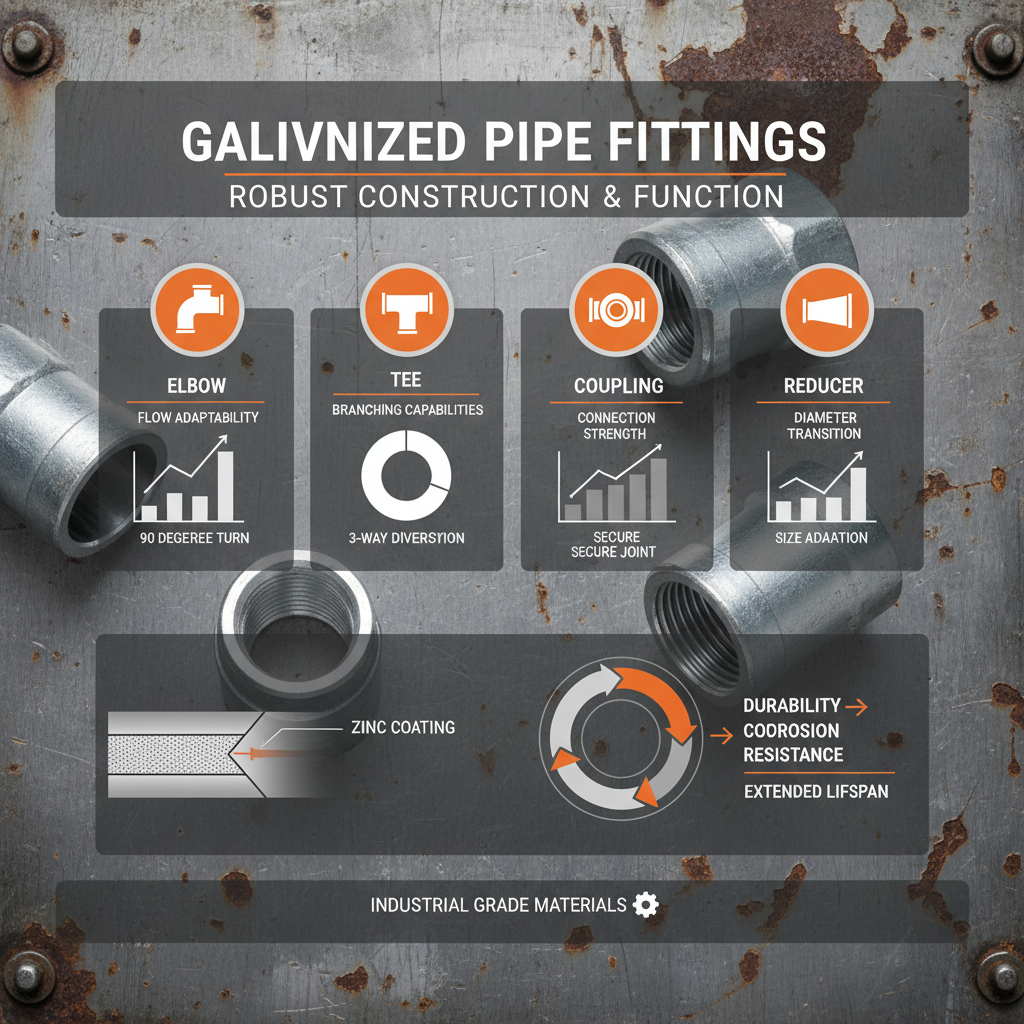
At its most basic level, 4 galvanized pipe fittings are hardware components used to connect, terminate, or change the direction of piping systems, which have been treated with a protective layer of zinc. This process, typically achieved through hot-dip galvanizing, creates a metallurgical bond between the zinc and the base metal, providing both a physical barrier and sacrificial cathodic protection.
From a humanitarian and industrial perspective, these fittings are vital for delivering clean water and safe gas to remote areas. The ability of 4 galvanized pipe fittings to resist rust ensures that the fluids they transport remain uncontaminated by iron oxide, which is essential for maintaining hygiene standards in public health infrastructure.
Modern manufacturing has evolved these fittings beyond simple cast iron. Today, 4 galvanized pipe fittings often utilize malleable iron, which is treated to handle higher pressure and impact loads, making them compatible with the high-stress environments found in heavy machinery and urban construction.
Core Components and Quality Factors of 4 Galvanized Pipe Fittings
The durability of 4 galvanized pipe fittings is primarily determined by the thickness and uniformity of the zinc coating. A high-quality coating ensures that even if the surface is scratched during installation, the surrounding zinc will corrode preferentially to protect the underlying steel, a phenomenon known as galvanic protection.
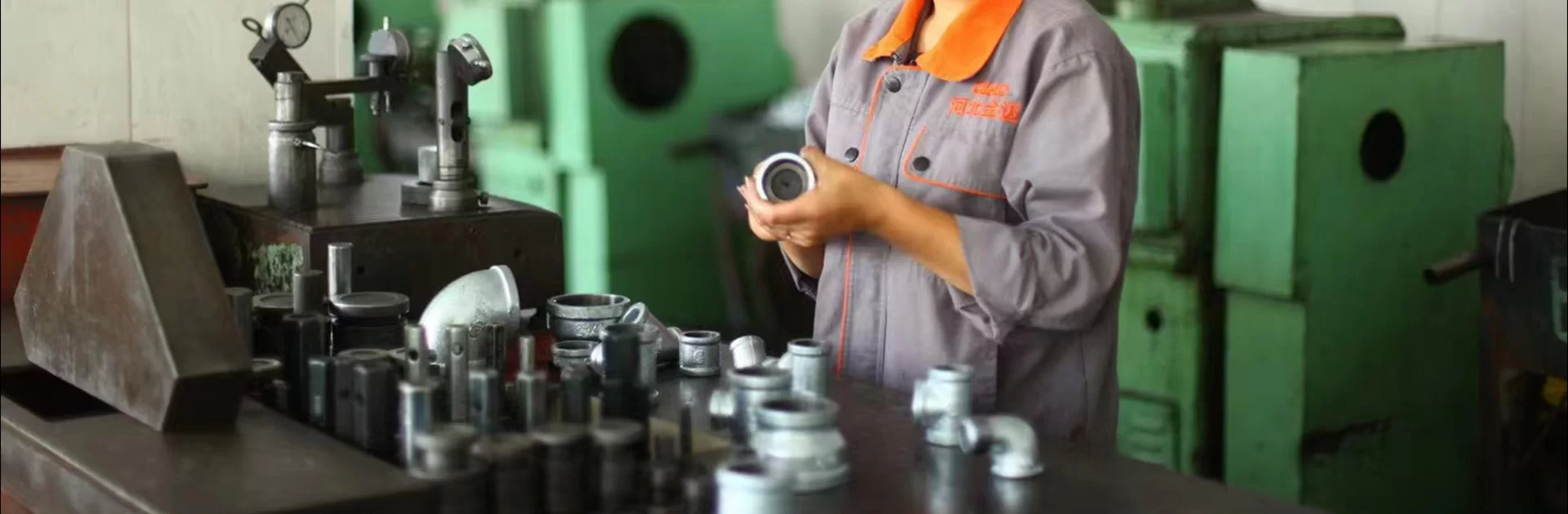
Precision threading is another core factor. For 4 galvanized pipe fittings to function effectively, the threads must be perfectly calibrated to prevent leaks under high pressure. The synergy between metallurgical strength and dimensional accuracy is what separates premium industrial fittings from low-grade alternatives.
Cost efficiency is achieved not through the initial purchase price, but through the reduction of maintenance cycles. Investing in superior 4 galvanized pipe fittings means fewer replacements and reduced downtime, which is a critical metric for any facility manager overseeing large-scale industrial piping.
Practical Applications and Global Use Cases
In real-world contexts, 4 galvanized pipe fittings are deployed in environments where stainless steel is too costly and black iron is too vulnerable. For instance, in agricultural irrigation systems across Southeast Asia, these fittings are used to build vast networks that withstand soil acidity and fluctuating humidity without corroding.
Furthermore, in remote industrial zones or post-disaster relief operations, the rapid deployment of water systems relies on the versatility of 4 galvanized pipe fittings. Their ability to be easily threaded and assembled on-site, combined with their immediate resistance to environmental weathering, makes them a primary choice for NGOs and emergency response teams.
Comparative Performance Analysis of 4 Galvanized Pipe Fittings
Tangible Advantages and Long-Term Value
The primary advantage of 4 galvanized pipe fittings lies in their unmatched reliability. By eliminating the need for frequent painting or chemical coatings, these fittings offer a sustainable solution that minimizes the use of volatile organic compounds (VOCs) in the maintenance phase, contributing to a greener industrial footprint.
Beyond the logical benefits of cost and durability, there is an emotional angle of trust and safety. When engineers specify 4 galvanized pipe fittings for a high-pressure gas line, they are investing in peace of mind, knowing that the risk of catastrophic corrosion-induced failure is drastically reduced, thereby ensuring the safety of workers and the surrounding community.
Future Trends in Galvanized Fitting Technology
As we move toward Industry 4.0, the production of 4 galvanized pipe fittings is being transformed by automation and digital twin technology. Precision casting and AI-driven quality control are now used to detect microscopic voids in the zinc layer, ensuring that every fitting leaving the factory meets a "zero-defect" standard.
Sustainability is also driving innovation. New "green" galvanizing processes are emerging that reduce the energy consumption of the hot-dip baths and utilize recycled zinc. This ensures that 4 galvanized pipe fittings remain viable in a world governed by strict carbon emission policies and ESG (Environmental, Social, and Governance) mandates.
Furthermore, the integration of smart sensors within piping networks allows for the monitoring of corrosion rates in real-time. While the 4 galvanized pipe fittings provide the physical defense, these digital overlays provide the data needed for predictive maintenance, moving the industry from reactive repairs to proactive optimization.
Overcoming Common Challenges in Implementation
One of the most common limitations in the current practice of using 4 galvanized pipe fittings is the risk of "white rust" during storage. This occurs when zinc is exposed to moisture without sufficient airflow. To overcome this, experts recommend implementing controlled-environment warehousing and using vapor-corrosion inhibitors (VCI) packaging.
Another challenge is the incompatibility between galvanized fittings and certain acidic fluids, which can strip the zinc layer. The innovative approach here is the application of hybrid coatings—where a secondary epoxy layer is applied over the 4 galvanized pipe fittings—providing a double barrier that withstands both chemical attack and mechanical wear.
Finally, improper installation can lead to thread stripping. By shifting toward standardized torque-controlled assembly tools and ensuring that the 4 galvanized pipe fittings are matched with compatible pipe grades, installers can eliminate the most frequent cause of joint leaks in industrial networks.
Analysis of Technical Specifications for 4 Galvanized Pipe Fittings
| Fitting Category |
Corrosion Resistance |
Pressure Tolerance |
Lifespan Expectancy |
| Hot-Dip Galvanized Elbows |
Extreme (Grade A) |
High (150+ PSI) |
30-50 Years |
| Electro-Galvanized Tees |
Moderate |
Medium (80-120 PSI) |
10-15 Years |
| Malleable Iron Unions |
High |
Very High (200+ PSI) |
25-40 Years |
| Galvanized Caps/Plugs |
High |
High (150 PSI) |
30+ Years |
| Pre-Galvanized Couplings |
Low-Moderate |
Medium (100 PSI) |
15-20 Years |
| Industrial Grade Nipples |
Extreme (Grade A) |
High (150 PSI) |
40+ Years |
FAQS
The primary difference is the zinc coating. While black pipe fittings are prone to rapid oxidation and rust when exposed to moisture, 4 galvanized pipe fittings utilize a zinc layer that acts as a sacrificial anode. This prevents the base steel from rusting, making them ideal for outdoor use, water lines, and humid environments where black iron would fail within a few years.
Depending on the environment and the method of galvanization, these fittings can last between 20 to 50 years. Hot-dip galvanized options offer the longest lifespan due to the thicker zinc layer. In moderately corrosive industrial zones, a well-installed system of 4 galvanized pipe fittings can easily operate for three decades without requiring major structural repairs.
Yes, galvanized fittings are widely used in water distribution. However, it is important to ensure they meet potable water standards (such as NSF/ANSI). The zinc coating prevents internal corrosion that could otherwise lead to "red water" (iron oxide), ensuring the water remains clear and safe for consumption, provided the galvanization process is free of impurities.
It is generally discouraged to connect galvanized steel directly to stainless steel due to "galvanic corrosion." When two dissimilar metals touch in the presence of an electrolyte (like water), the less noble metal (zinc) will corrode rapidly. To prevent this, a dielectric union should be used to electrically isolate the 4 galvanized pipe fittings from the stainless steel components.
Check for a smooth, uniform, and slightly crystalline gray appearance. High-quality hot-dip galvanized fittings should not have "bare spots" or excessive flaking. Additionally, check for certification marks (like ISO or ASTM) and ensure the threads are clean and precisely cut, which indicates a high level of manufacturing precision.
Standard pipe wrenches are typically used, but for industrial applications, torque wrenches are highly recommended. Over-tightening can damage the zinc coating on the threads of 4 galvanized pipe fittings, which creates a point of vulnerability for corrosion. Using a calibrated torque tool ensures a leak-proof seal without compromising the protective layer.
Conclusion
In summary, 4 galvanized pipe fittings represent a perfect synthesis of structural strength and chemical resilience. By leveraging the sacrificial protection of zinc, these components solve the critical industry challenge of corrosion, providing a cost-effective and sustainable alternative to more expensive alloys while vastly outperforming untreated steel. From their precision engineering to their global application in critical infrastructure, they remain an essential element for any reliable piping network.
Looking forward, the evolution of "green" galvanization and smart monitoring will only increase the value proposition of these fittings. For engineers and procurement officers, the recommendation is clear: prioritize high-grade, hot-dip galvanized solutions to ensure long-term operational stability and safety. To source premium, industry-certified components, we invite you to explore our full range of solutions. Visit our website: www.jinmaicasting.com