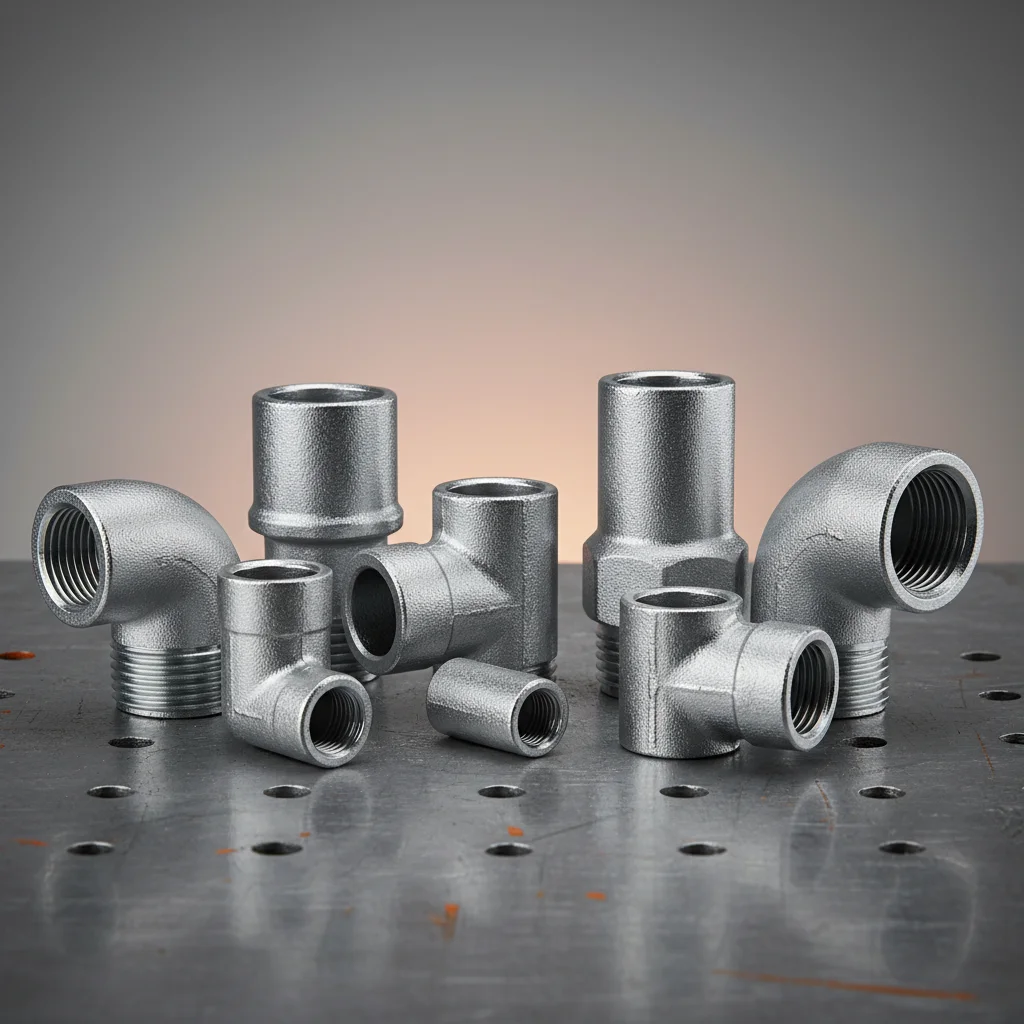
In the complex landscape of industrial piping, the selection of specialized components often determines the longevity and safety of an entire system. Among these, 3 8 galvanized pipe fittings stand out as essential elements for low-to-medium pressure fluid transport, combining the structural integrity of malleable iron with the superior corrosion resistance of a zinc coating. Whether utilized in residential plumbing or heavy-duty industrial frameworks, these components ensure that connections remain leak-proof and resilient against environmental degradation.
The global demand for high-quality 3 8 galvanized pipe fittings has surged as infrastructure projects in emerging economies prioritize materials that reduce maintenance overhead. By leveraging the galvanization process, these fittings prevent the oxidation of the underlying steel, which is a critical failure point in humid or chemically active environments. This makes them a preferred choice for engineers who require a balance between cost-effectiveness and long-term durability.
Understanding the technical specifications and application boundaries of 3 8 galvanized pipe fittings allows procurement managers and site engineers to optimize their material sourcing. From ensuring compliance with international ISO standards to selecting the correct thread type, the nuances of these fittings impact the overall reliability of the piping network. This guide explores the depth of their utility, from manufacturing standards to future innovations in metallurgical coating.
Global Industry Context of 3 8 Galvanized Pipe Fittings
On a global scale, the deployment of 3 8 galvanized pipe fittings is intrinsically linked to the expansion of urban water systems and industrial gas lines. According to industrial metallurgy trends, the shift toward standardized malleable iron components has reduced installation errors by nearly 15% in large-scale projects. In regions like Southeast Asia and Africa, where infrastructure is rapidly modernizing, these fittings provide a scalable solution for distributing utilities in challenging climates.
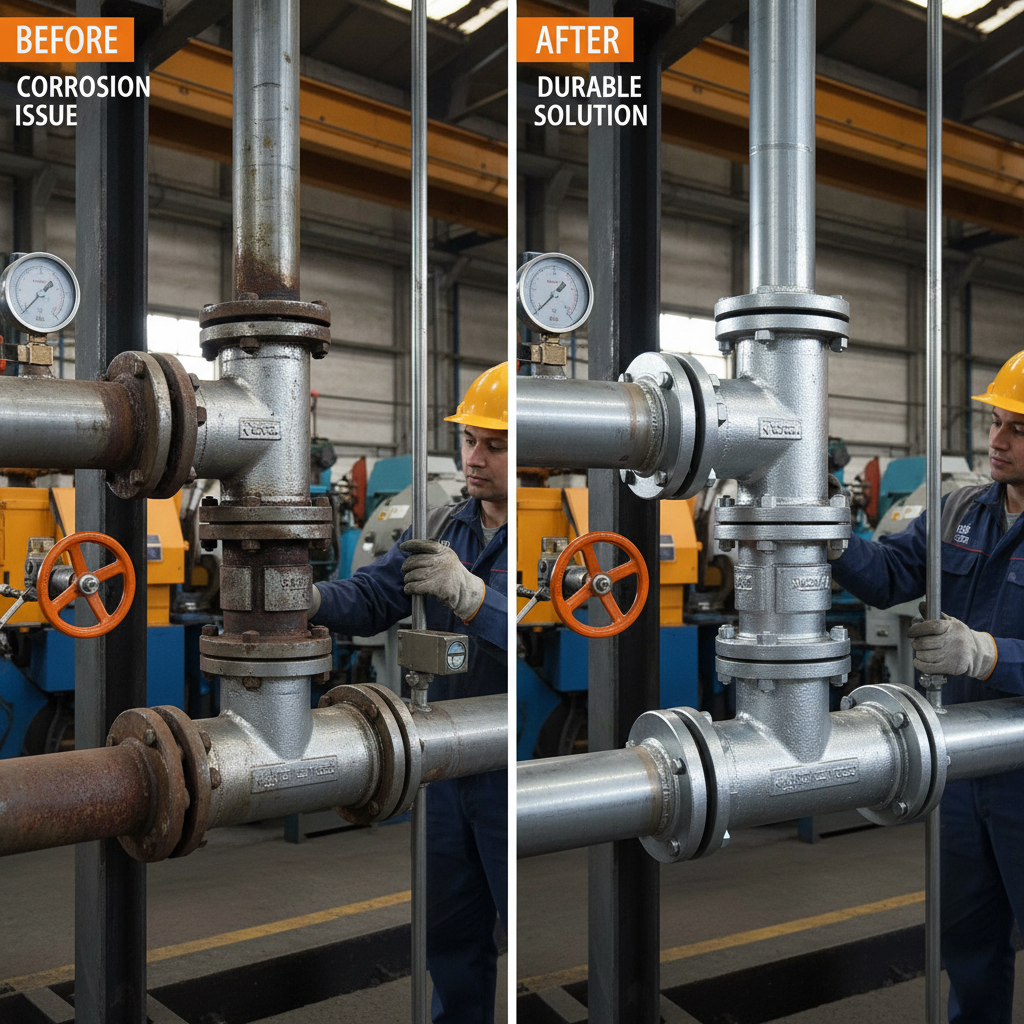
The primary challenge addressed by these components is the aggressive nature of atmospheric corrosion. Without the protective zinc layer found in 3 8 galvanized pipe fittings, carbon steel piping would succumb to rust within a fraction of its intended lifespan, leading to catastrophic leaks and costly replacements. This global reliance highlights the importance of precise casting and consistent dipping processes in the manufacturing phase.
Defining the Technical Nature of 3 8 Galvanized Pipe Fittings
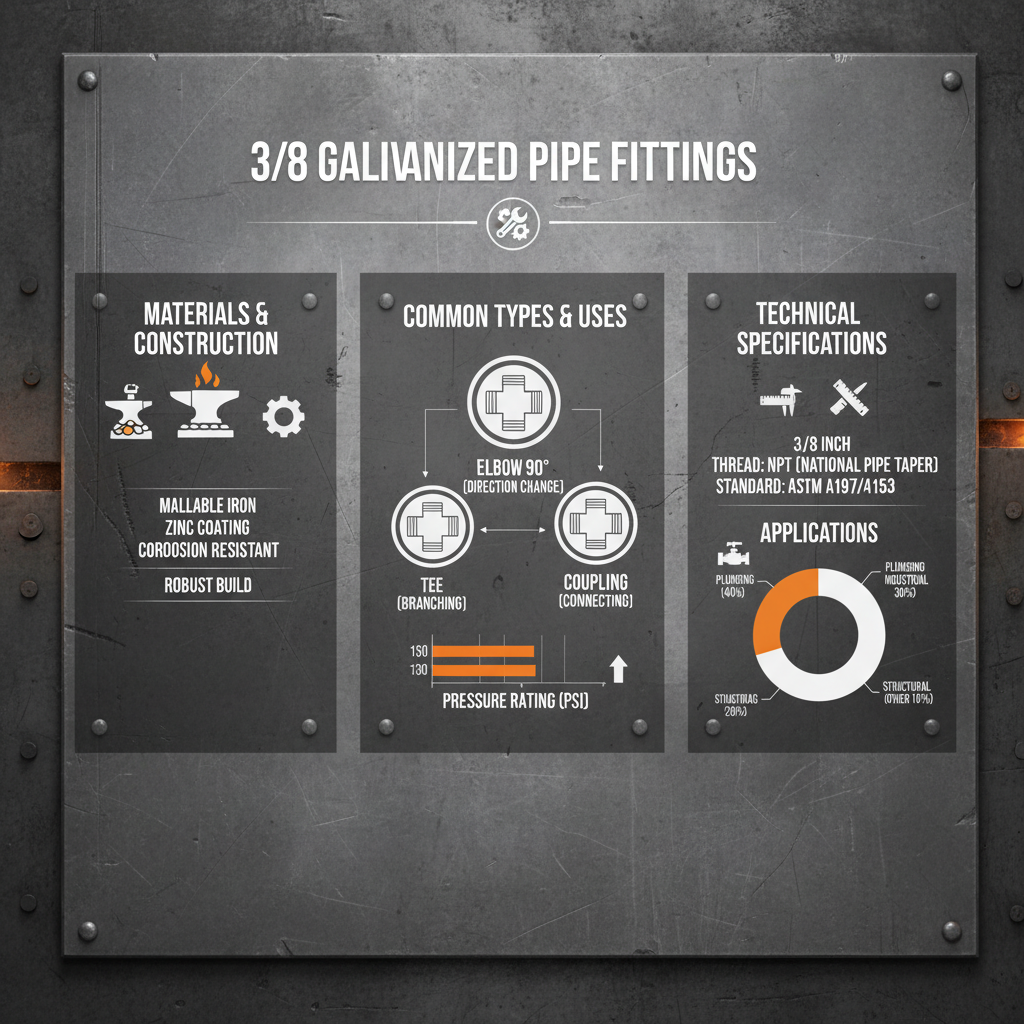
Technically, 3 8 galvanized pipe fittings refer to connection components with a nominal size of 3/8 inch that have undergone a hot-dip galvanizing process. This process involves immersing the iron or steel fitting into a bath of molten zinc, creating a metallurgical bond that acts as a sacrificial anode. When the surface is scratched, the zinc corrodes first, sparing the base metal and maintaining the structural integrity of the joint.
In the context of modern industry, these fittings are more than just connectors; they are safety barriers. The "3/8" specification is particularly critical for secondary lines, instrumentation piping, and air compression systems where precision and tight sealing are paramount. The use of malleable iron allows these fittings to withstand significant mechanical stress without cracking, unlike brittle cast iron.
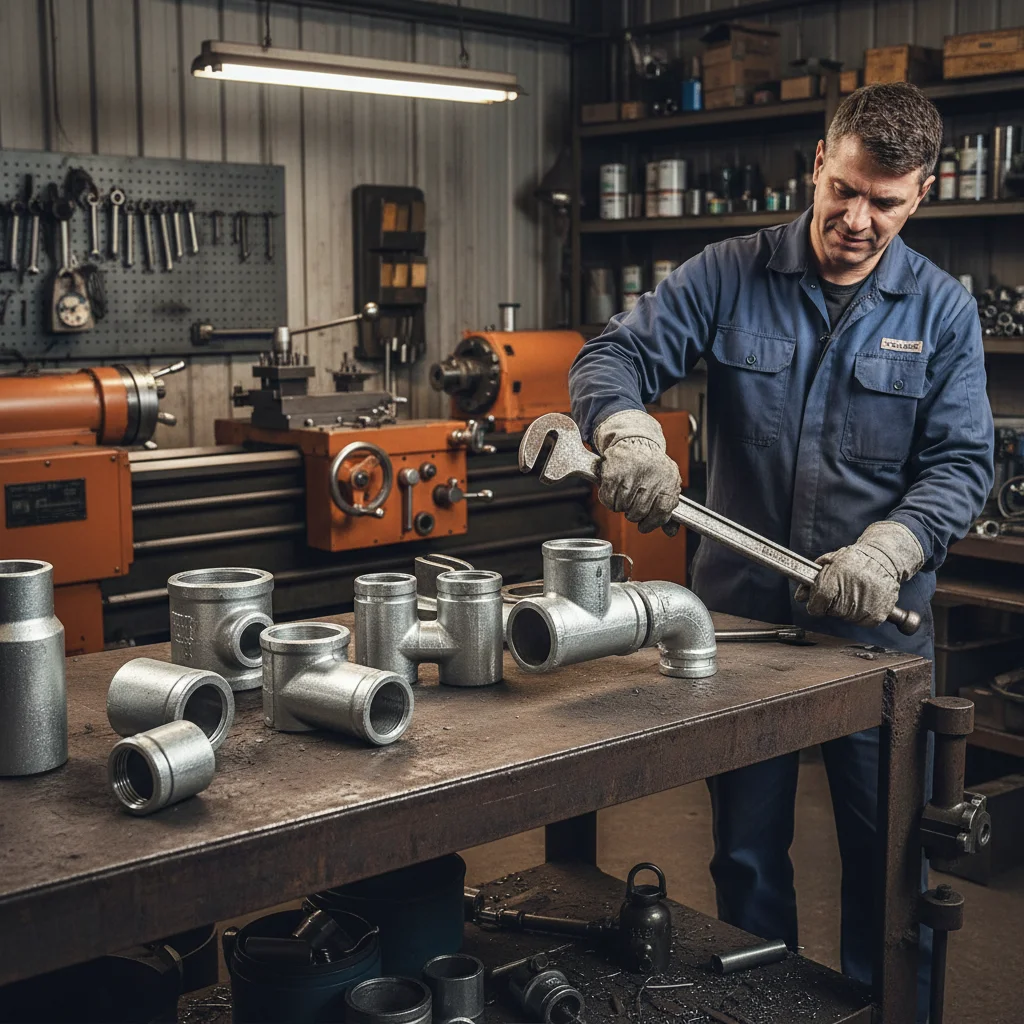
From a humanitarian and urban development perspective, the accessibility of 3 8 galvanized pipe fittings facilitates the rapid deployment of clean water access in remote zones. Because they are standardized and easy to install with basic tools, they empower local technicians to build and maintain critical infrastructure without needing specialized welding equipment for every single joint.
Core Components and Quality Factors
The performance of 3 8 galvanized pipe fittings is primarily dictated by the quality of the zinc coating thickness. A uniform layer ensures that there are no "holiday" areas—small gaps in the coating—where corrosion can begin. High-grade fittings typically adhere to ASTM A153 or ISO 1461 standards, ensuring a consistent micron level across all threaded surfaces.
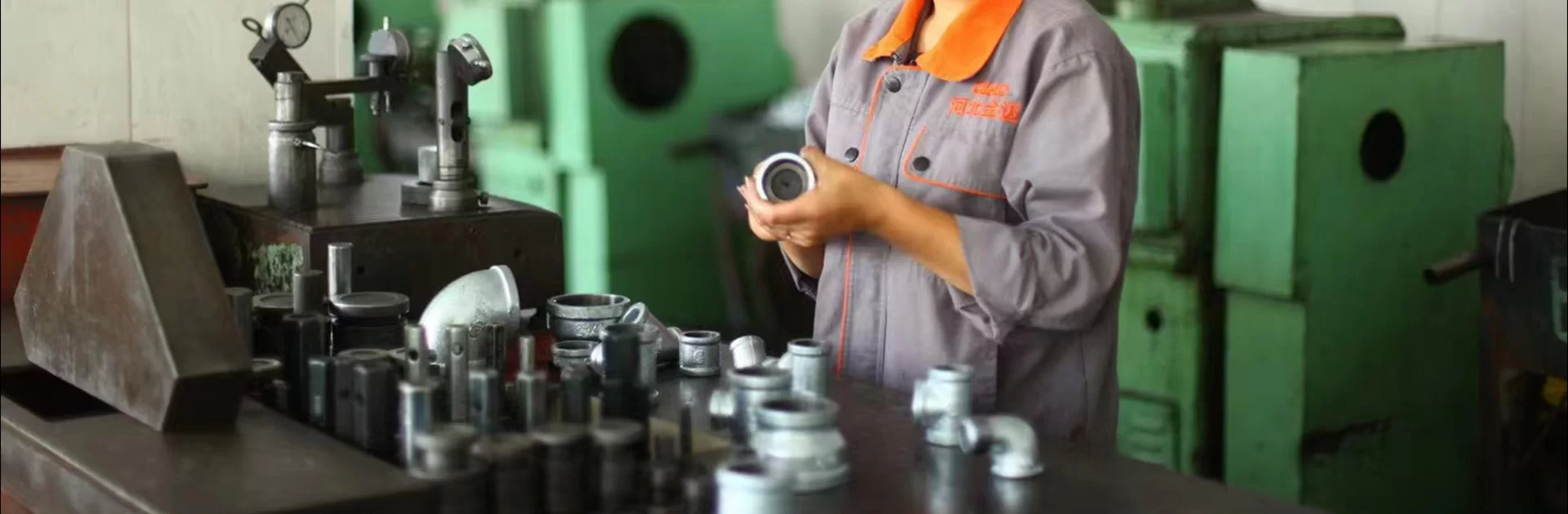
Another critical factor is the threading precision. Since 3 8 galvanized pipe fittings rely on mechanical threads for sealing, any deviation in the pitch or angle can lead to "weeping" leaks. The use of CNC machining in modern casting plants has virtually eliminated these variances, providing a tighter fit that requires less sealant tape during installation.
Lastly, the material purity of the malleable iron base plays a pivotal role. The removal of impurities like phosphorus and sulfur during the smelting process prevents the fittings from becoming brittle. When 3 8 galvanized pipe fittings are produced using high-purity alloys, they offer superior impact resistance, making them ideal for environments subject to vibration or thermal expansion.
Global Applications and Use Cases
In real-world industrial contexts, 3 8 galvanized pipe fittings are ubiquitous in pneumatic systems and HVAC installations. For instance, in automotive assembly plants in Germany and Japan, these fittings are used to route compressed air to handheld tools, where the galvanized coating prevents the internal piping from rusting and contaminating the air supply with particulates.
Beyond the factory floor, these components are vital in agricultural irrigation and greenhouse management across the Netherlands and Israel. The ability of 3 8 galvanized pipe fittings to resist moisture and mild fertilizers makes them an ideal choice for constructing nutrient-delivery frameworks that must operate 24/7 in high-humidity environments.
Performance Analysis of 3 8 Galvanized Pipe Fittings by Application
Long-Term Value and Reliability Advantages
The primary long-term value of utilizing 3 8 galvanized pipe fittings lies in the drastic reduction of Life Cycle Cost (LCC). While stainless steel alternatives may offer higher corrosion resistance, the initial investment is often prohibitively expensive for large-scale networks. Galvanized fittings provide a "sweet spot" of durability and affordability, ensuring a service life of several decades when installed correctly.
Moreover, there is an emotional component to the reliability of these fittings: trust and safety. In high-pressure gas or water lines, a single fitting failure can lead to significant property damage or risk to human life. The consistent quality of 3 8 galvanized pipe fittings gives facility managers peace of mind, knowing that the connections are engineered to withstand the stressors of industrial operation without sudden fatigue.
Future Trends in Galvanized Piping Technology
The future of 3 8 galvanized pipe fittings is being shaped by the drive toward "Green Steel" and sustainable manufacturing. We are seeing a transition toward zinc sources that are recycled and dipping processes that minimize VOC emissions. These eco-friendly innovations ensure that the production of pipe fittings aligns with global carbon neutrality goals without sacrificing the protective qualities of the zinc layer.
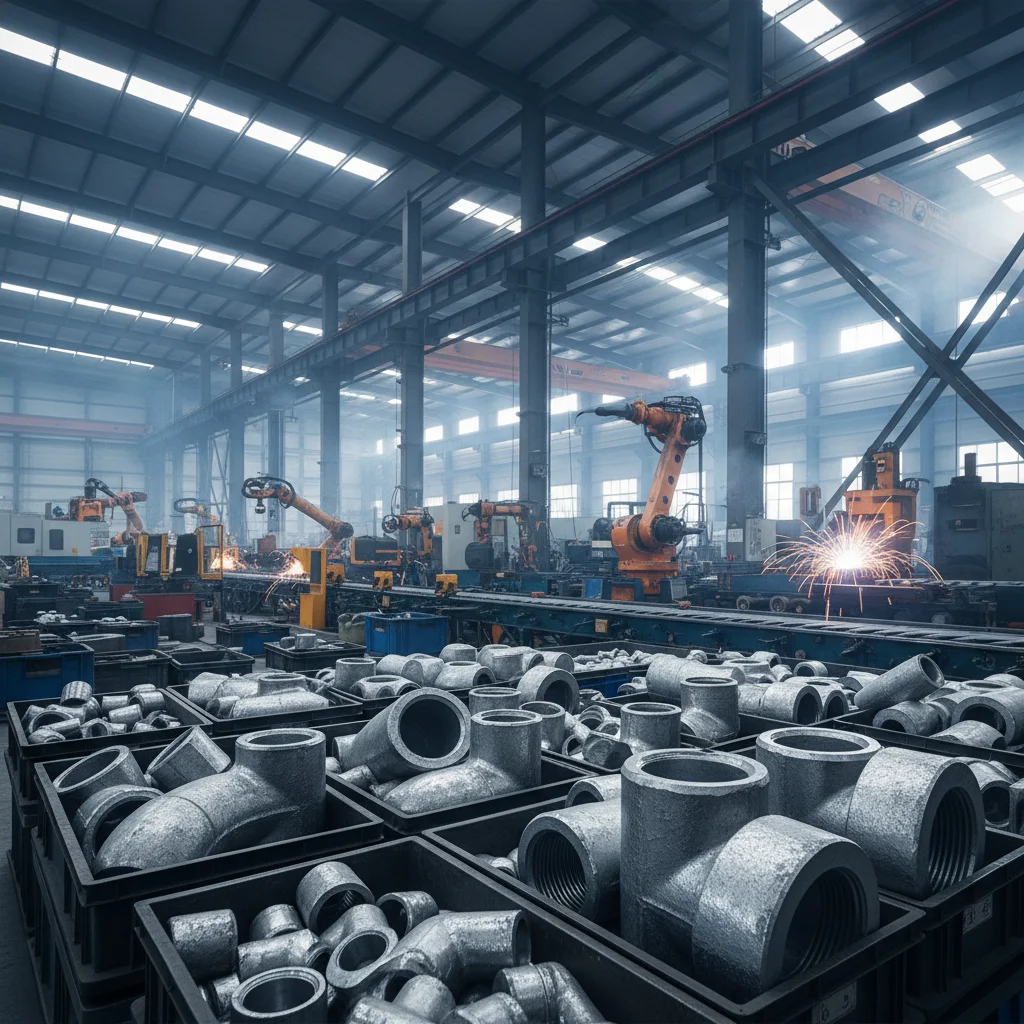
Digital transformation is also entering the foundry. With the integration of AI-driven quality control, manufacturers can now detect microscopic voids in the casting of 3 8 galvanized pipe fittings before they ever leave the factory. This "Industry 4.0" approach ensures that every single fitting delivered to a site is 100% compliant with pressure ratings and thickness specifications.
Furthermore, research into hybrid coatings—combining galvanization with thin-film polymer layers—promises to extend the lifespan of these fittings even further. Such innovations would allow 3 8 galvanized pipe fittings to be used in more aggressive chemical environments, potentially replacing more expensive alloys in niche industrial applications.
Challenges and Engineering Solutions
One of the most persistent challenges with 3 8 galvanized pipe fittings is the risk of "white rust" (zinc hydroxide) during storage. This occurs when the zinc layer is exposed to moisture without adequate airflow, creating a powdery white deposit. The professional solution is to implement controlled ventilation in warehouses and use VCI (Volatile Corrosion Inhibitor) packaging to protect the fittings before installation.
Another technical hurdle is the phenomenon of galvanic corrosion, which occurs when galvanized fittings are connected to dissimilar metals, such as copper. To solve this, engineers use dielectric unions or insulating spacers. By breaking the electrical path between the 3 8 galvanized pipe fittings and the copper pipe, the electrochemical reaction is halted, preventing premature failure of the joint.
Finally, ensuring the integrity of the coating after threading can be difficult. When a fitting is cut or threaded on-site, the exposed steel is vulnerable. The industry standard solution is the application of cold-galvanizing sprays—zinc-rich primers that restore the protective layer. This ensures that 3 8 galvanized pipe fittings maintain their corrosion-resistant properties throughout the entire installation process.
Technical Specifications and Comparison Analysis of 3 8 Galvanized Pipe Fittings
| Fitting Grade |
Zinc Coating Thickness |
Pressure Rating |
Lifespan Estimate |
| Commercial Grade |
35-50 Microns |
Standard Low Pressure |
10-15 Years |
| Industrial Grade |
60-80 Microns |
Medium Pressure |
20-30 Years |
| Heavy Duty (HD) |
85-110 Microns |
High Pressure |
40+ Years |
| Marine Grade |
120+ Microns |
Corrosive Environment |
30-50 Years |
| Architectural Grade |
40-60 Microns |
Low Pressure/Aesthetic |
15-20 Years |
| Custom Alloy Grade |
70-90 Microns |
Variable Pressure |
25-35 Years |
FAQS
Yes, they can, provided they meet specific food-grade or potable water standards (such as NSF/ANSI 61). The galvanization process prevents rust from contaminating the water, although for very high-purity requirements, stainless steel or PEX is sometimes preferred. For most residential and commercial potable water applications, high-quality galvanized fittings are a reliable and safe choice.
To prevent galvanic corrosion, you must avoid direct metal-to-metal contact between the zinc-coated fitting and the copper pipe. The best solution is to install a dielectric union or a brass nipple between the two materials. Brass acts as a buffer, reducing the electrochemical potential difference and preventing the galvanized fitting from corroding rapidly.
Hot-dip galvanizing involves immersing the fitting in molten zinc, creating a thick, durable layer that is highly resistant to outdoor corrosion. Electro-galvanizing uses an electrical current to apply a much thinner layer of zinc. For industrial applications, hot-dip 3 8 galvanized pipe fittings are significantly superior due to their thickness and longevity.
In a high-humidity industrial environment, standard hot-dip galvanized fittings typically last between 20 to 30 years before significant corrosion occurs. This lifespan can be extended by ensuring a thick coating (Industrial or Heavy Duty grade) and performing periodic inspections to apply cold-galvanizing touch-ups to any scratched areas.
While they can handle moderate heat, they are not the first choice for ultra-high temperature steam. The zinc coating can begin to oxidize or "off-gas" at very high temperatures. For extreme steam applications, black malleable iron or stainless steel is recommended. However, for low-pressure heating systems, they are perfectly adequate.
Look for a uniform, slightly matte grey finish without any visible bubbles, peeling, or dark spots. High-quality fittings will have clean, sharp thread edges and will often carry a certification mark (like ISO or ASTM). A consistent weight is also a good indicator of the wall thickness and the amount of zinc applied during the dipping process.
Conclusion
In summary, 3 8 galvanized pipe fittings represent a critical intersection of metallurgical engineering and practical utility. By combining the strength of malleable iron with the protective power of zinc, these components provide an indispensable solution for corrosion-prone environments across the globe. From the technical precision of their threading to their proven track record in industrial pneumatics and urban water systems, they offer a balance of reliability, cost-efficiency, and longevity that few other materials can match.
As we move toward a future of sustainable infrastructure and Industry 4.0, the evolution of these fittings—through green manufacturing and AI-driven quality control—will only enhance their value. For engineers and procurement professionals, investing in high-grade, standardized galvanized components is not just a matter of current project success, but a strategic decision for long-term operational stability. To ensure your systems are built on a foundation of quality and durability, visit our website: www.jinmaicasting.com.