
Get a Quote
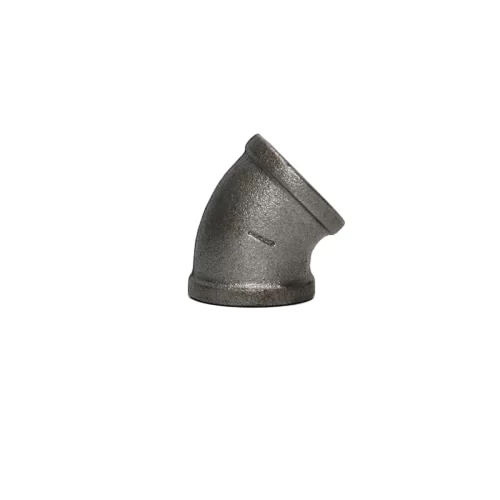
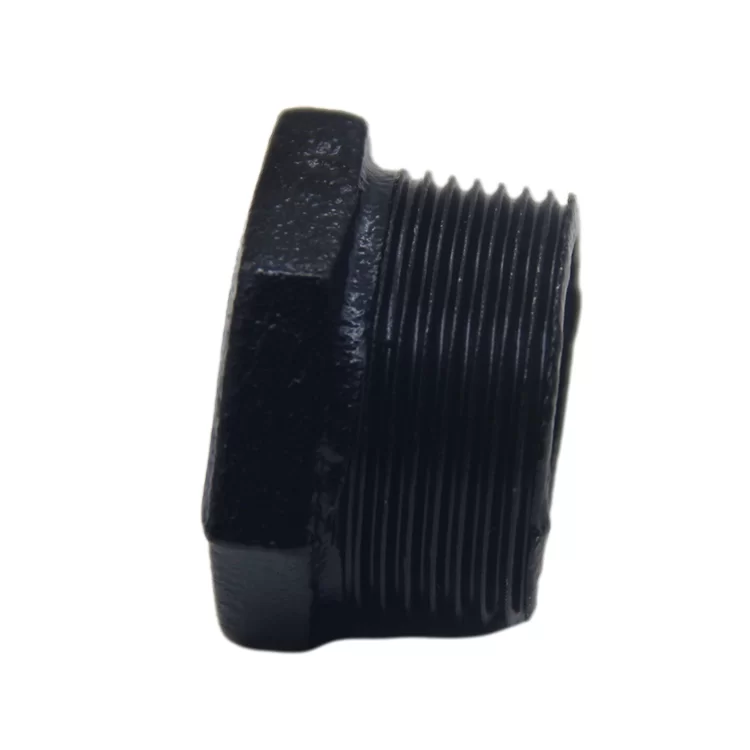
galvanized pipe fitting
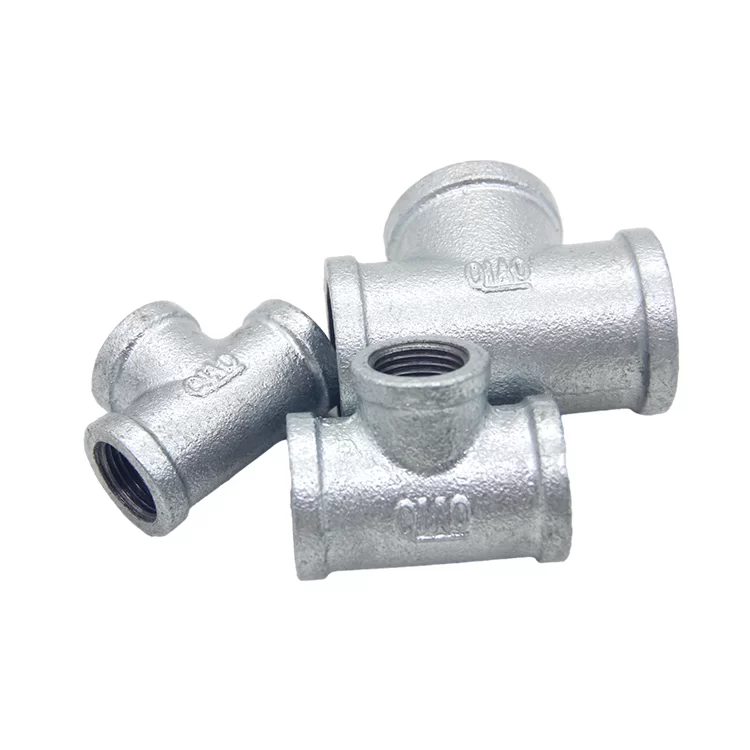
HomeGlobal ServiceReliable galvanized steel elbow Solutions for European and Russian Industries
Reliable galvanized steel elbow Solutions for European and Russian Industries

Reliable galvanized steel elbow Solutions for European and Russian Industries

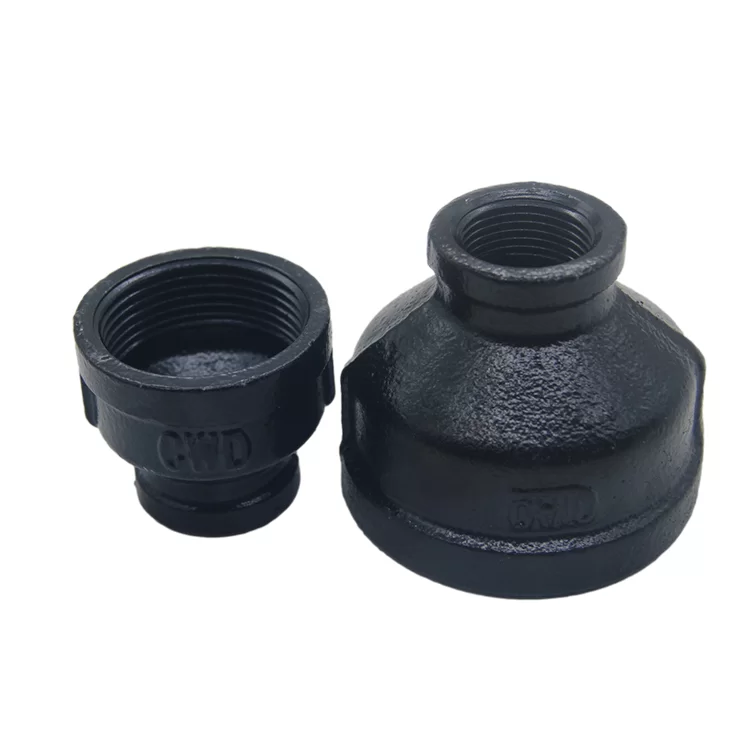
Providing high-quality metal casting products, including black iron pipe fittings, for diverse applications across Europe and Russia.

Reliable galvanized steel elbow Solutions

Offering a comprehensive range of metal casting products designed to meet the demanding requirements of European and Russian industries.

Current State of the Black Metal Casting Industry in Europe and Russia

An overview of the challenges and opportunities facing the industry in this region.

The black metal casting industry in Europe and Russia is currently navigating a complex landscape. Eastern Europe, particularly Russia, faces challenges related to geopolitical factors and fluctuating raw material prices. Demand for malleable pipe fittings remains steady, driven by infrastructure projects, but is susceptible to economic downturns. Western European markets prioritize high-quality, precision castings, demanding strict adherence to international standards.

Russia’s vast geographical size and harsh climate necessitate robust and durable metal components, creating consistent demand for galvanized pipe fitting. However, logistical complexities and transportation costs pose significant hurdles. European Union regulations regarding environmental sustainability and material traceability are increasingly influencing manufacturing processes across the continent.

Competition from lower-cost producers in Asia remains a persistent threat. To remain competitive, European and Russian foundries are investing in automation, advanced casting techniques, and specialized alloy development. A focus on niche markets, such as high-performance alloys for the aerospace and automotive industries, is becoming increasingly important.
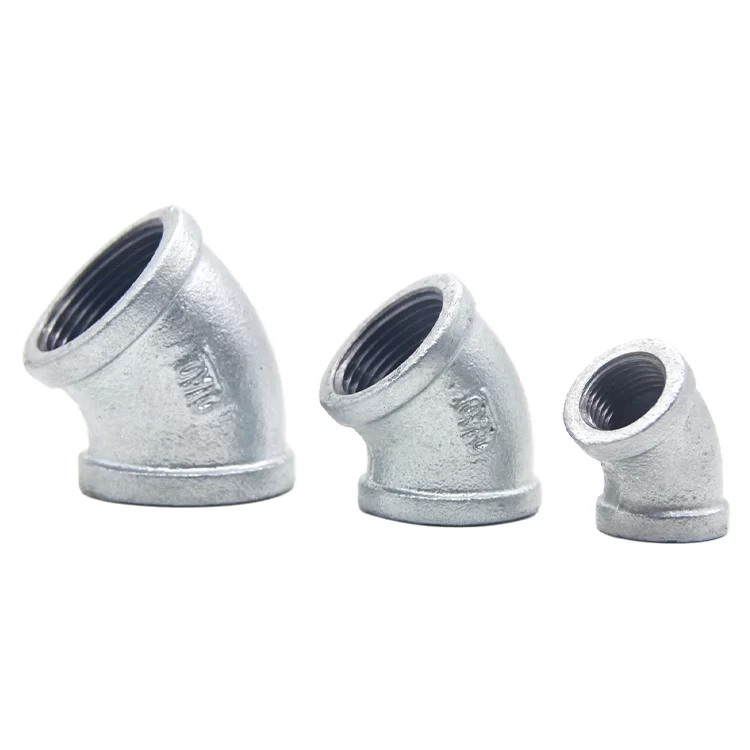
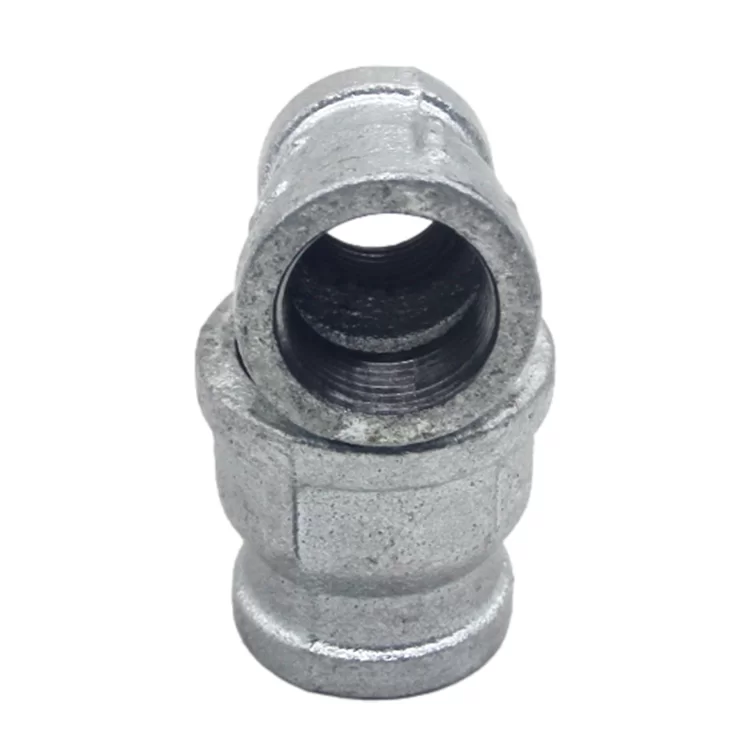
Evolution of Black Metal Casting: From Traditional Methods to Modern Techniques

Tracing the technological advancements in metal casting and their impact on the industry.

Market Development History

Historically, black metal casting in Russia and Europe relied heavily on manual labor and traditional sand casting methods. During the industrial revolution (18th and 19th centuries), advancements like the cupola furnace and improved molding materials increased production efficiency. The Soviet era in Russia saw a centralized approach to metal production, prioritizing quantity over quality.

The late 20th century witnessed the introduction of automated molding lines, shell molding, and investment casting techniques. These advancements allowed for greater precision, reduced material waste, and improved surface finishes. The fall of the Soviet Union led to a restructuring of the Russian metal industry, with a shift towards market-based economics.

The 21st century has seen the rise of technologies like 3D printing (additive manufacturing) for rapid prototyping and small-batch production, and the integration of robotics and AI for process optimization. Focus on lean manufacturing principles and sustainable casting practices has become increasingly prominent.

Future Development Trends

Digitalization and Smart Foundries

The integration of IoT sensors, data analytics, and machine learning will create “smart foundries” capable of real-time process monitoring and control. This will optimize efficiency, reduce defects, and enable predictive maintenance.

Advanced Materials and Alloys

Demand for high-performance alloys (e.g., stainless steel, high-nickel alloys) will drive innovation in alloy development and casting techniques. Research into lightweight materials, such as aluminum and magnesium alloys, will also gain prominence.

Sustainable Casting Practices

Growing environmental concerns will necessitate the adoption of sustainable casting practices, including the use of recycled materials, energy-efficient furnaces, and waste reduction strategies.

Industry Trends and Future Outlook for Metal Casting in Europe and Russia

A forecast of the key trends shaping the future of the industry.

Growing Demand for Precision Castings
The automotive and aerospace industries are driving demand for high-precision castings with tight tolerances and complex geometries.
Increased Focus on Sustainability
Environmental regulations and consumer demand are pushing foundries to adopt eco-friendly practices.
Automation and Robotics
Foundries are increasingly investing in automation and robotics to improve efficiency, reduce labor costs, and enhance quality control.
Rising Material Costs
Fluctuations in the price of raw materials like iron ore, steel scrap, and alloying elements will continue to impact profitability.

Industry Outlook

Over the next 3-5 years, the European and Russian metal casting industry is expected to experience moderate growth, driven by demand from the automotive, aerospace, and construction sectors. The adoption of new technologies, such as additive manufacturing and AI-powered process optimization, will be crucial for maintaining competitiveness.

Russia’s metal casting industry is poised to benefit from government initiatives aimed at import substitution and infrastructure development. However, geopolitical risks and economic sanctions remain significant uncertainties. European foundries will need to prioritize sustainability and innovation to navigate increasingly stringent regulations and global competition.

Localized Application Scenarios in Europe and Russia

Real-world examples of how metal castings are utilized in this region.

1. Railway Infrastructure in Russia

Russia’s extensive railway network relies heavily on durable metal castings for components like wheelsets, bogie frames, and couplers. These castings must withstand extreme temperatures and heavy loads.

2. Automotive Manufacturing in Germany

Germany's automotive industry requires high-precision engine blocks, cylinder heads, and transmission housings made from cast iron and aluminum alloys. Emphasis is on lightweighting and fuel efficiency.

3. Oil and Gas Pipelines in Siberia

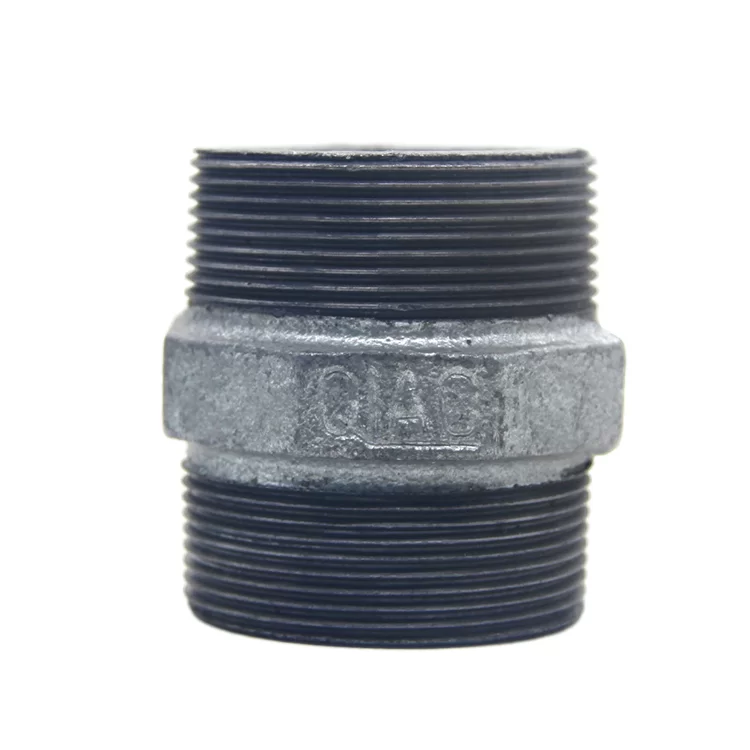
The construction and maintenance of oil and gas pipelines in Siberia demand robust malleable iron pipe fittings and flanges capable of withstanding harsh environmental conditions and corrosive substances.

4. Construction of Bridges in Poland

Poland’s ongoing infrastructure development projects require large-scale steel castings for bridge supports, pylons, and other structural components. Emphasis on high strength and corrosion resistance.

Brand Story

The Global Development Journey of Hebei Jinmai Ma Steel Co., Ltd.

Foundation & Commitment to Quality

Established in Hebei Province, China, Jinmai Casting was founded on the principles of delivering high-quality metal castings and exceptional customer service.

Technological Advancement

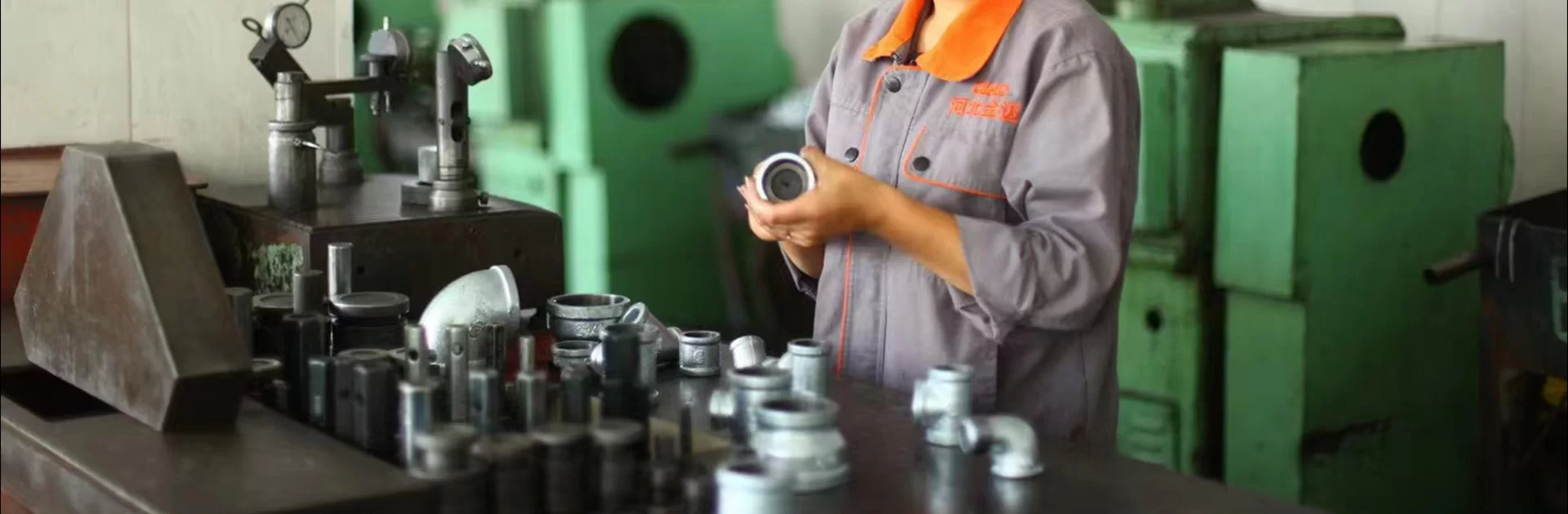
We continuously invest in state-of-the-art casting technologies and advanced manufacturing processes to ensure precision and reliability.

Expansion into International Markets

Driven by a commitment to global reach, we have expanded our operations to serve customers across Europe, Russia, and beyond.

Sustainability & Responsible Manufacturing

We are dedicated to sustainable manufacturing practices, minimizing environmental impact, and promoting ethical sourcing.

Building Long-Term Partnerships

We strive to build lasting relationships with our customers based on trust, collaboration, and mutual success.

Frequently Asked Questions - Localized for Europe and Russia

Answers to common questions from our customers in this region.

What are the typical lead times for galvanized pipe fittings orders to Russia?

Lead times to Russia typically range from 4-6 weeks, depending on the complexity of the order and current shipping conditions. We offer expedited shipping options for urgent requirements.

Do your malleable pipe fittings meet European Union standards for pressure equipment?

Yes, our malleable pipe fittings can be manufactured to meet relevant European Union standards, including PED (Pressure Equipment Directive). Please specify the required standard when placing your order.

What types of coatings are available for your galvanized steel elbow products to enhance corrosion resistance in harsh climates?

We offer a range of coatings, including zinc plating, epoxy coating, and powder coating, to enhance corrosion resistance. The optimal coating will depend on the specific application and environmental conditions.

Can you provide material certificates (EN 10204 3.1) for your black iron pipe fittings?

Yes, we can provide EN 10204 3.1 material certificates upon request, verifying the chemical composition and mechanical properties of the materials used in our black iron pipe fittings.

What is the minimum order quantity (MOQ) for customized malleable iron pipe fittings?

The MOQ for customized malleable iron pipe fittings varies depending on the complexity of the design and the casting process. Please contact our sales team for a specific quote.

Do you offer testing services for mechanical properties such as tensile strength and yield strength on your castings?

Yes, we offer comprehensive testing services, including tensile strength, yield strength, hardness, and impact testing, to ensure our castings meet the required specifications.

Get in Touch with Our Team

We are committed to providing reliable metal casting solutions to customers in Europe and Russia. Contact us today to discuss your project requirements.

Contact Us Now

If you are interested in our products, you can choose to leave your information here, and we will be in touch with you shortly.