
Get a Quote
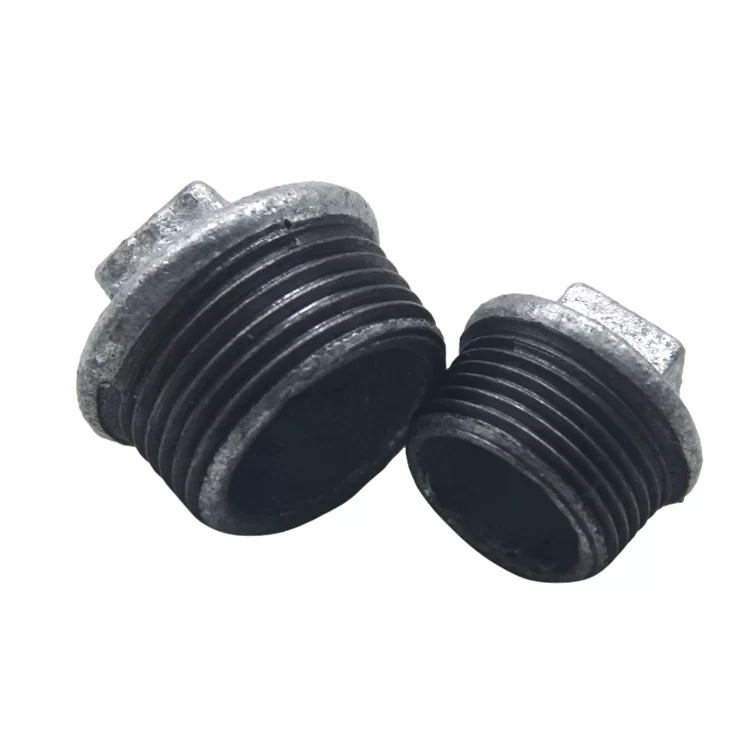
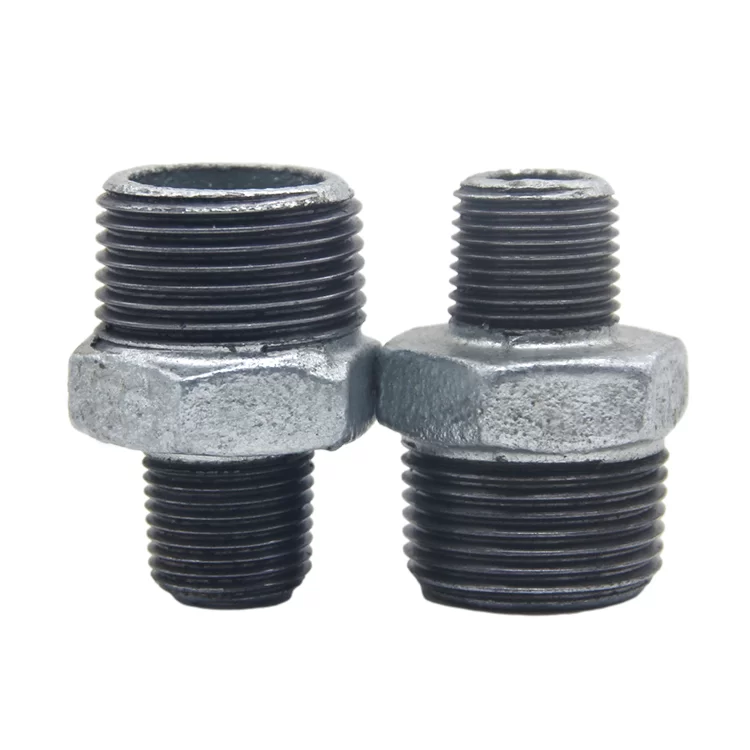
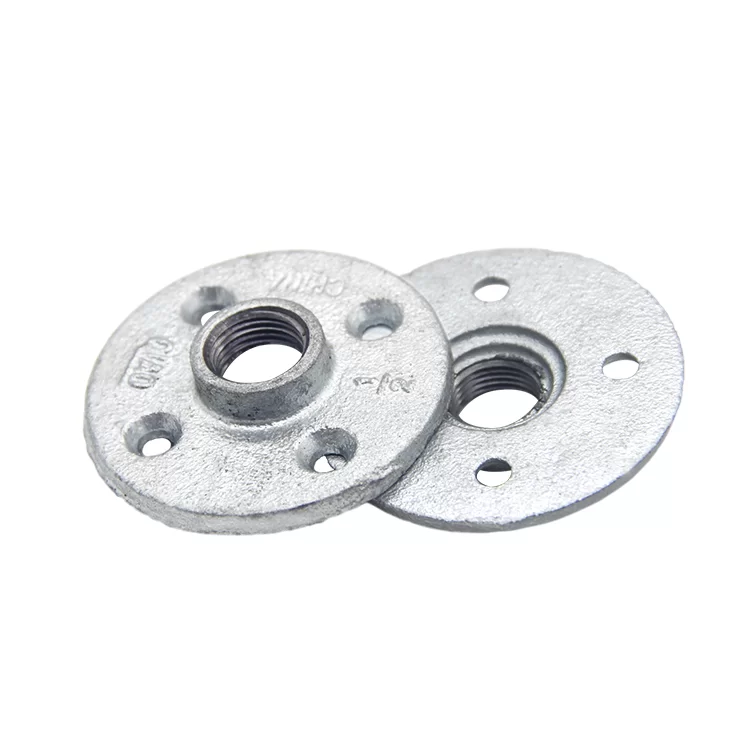
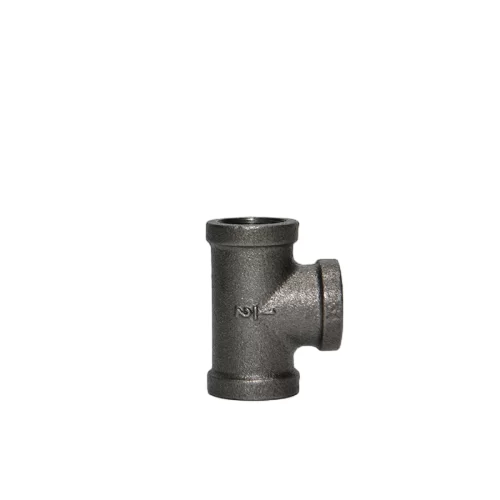
galvanized pipe fitting
HomeGlobal ServiceLibya’s Premier galvanized pipe fitting Solutions
Libya’s Premier galvanized pipe fitting Solutions

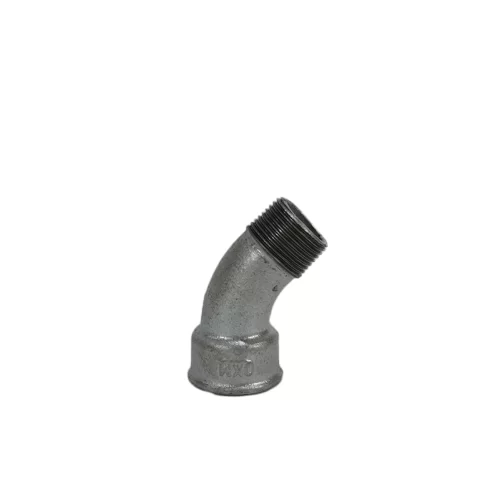
Libya’s Premier galvanized steel elbow Solutions for Infrastructure Projects

Providing high-quality black iron pipe fittings and robust piping systems tailored for the Libyan market.

Libya’s Premier galvanized steel elbow Solutions

Offering comprehensive piping solutions for Libya, specializing in durable and reliable metal castings and fittings.

Current State of Black Metal Casting in Libya

Analyzing the challenges and opportunities for the black metal casting industry in the Libyan context.

Libya’s industrial landscape, particularly its black metal casting sector, currently faces significant challenges stemming from prolonged periods of political instability and economic volatility. The demand for malleable iron pipe fittings and other metal components is often hampered by infrastructure damage, limited investment, and supply chain disruptions. Despite these hurdles, the need for robust piping solutions in oil & gas, water management, and construction remains substantial.

The Libyan climate, characterized by intense heat and occasional sandstorms, necessitates the use of durable and corrosion-resistant materials. This creates a specific demand for high-quality galvanized pipe fitting and protective coatings to withstand the harsh environmental conditions. Local manufacturing capabilities are limited, leading to significant reliance on imports, further complicated by international sanctions and logistical constraints.

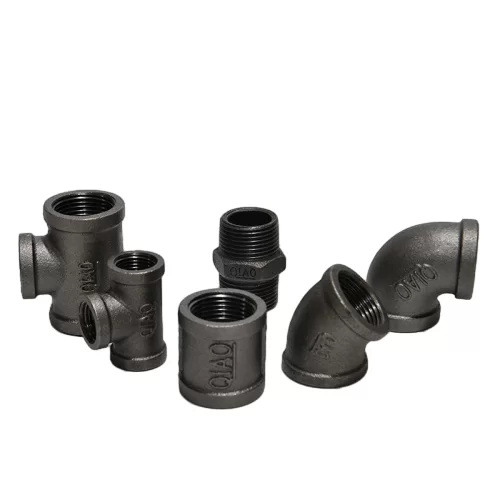
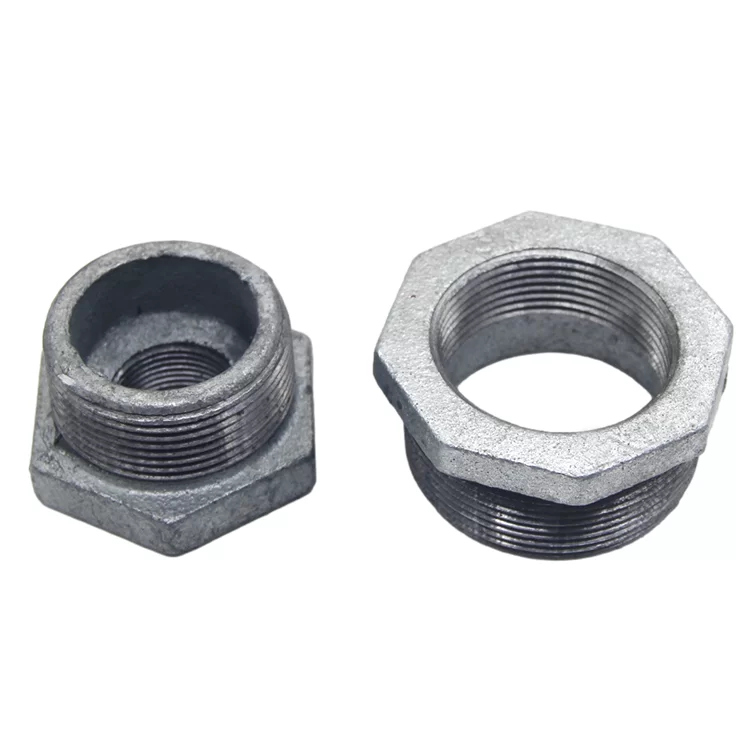
However, ongoing reconstruction efforts and the potential for increased oil production are driving a renewed focus on infrastructure development. This presents a critical opportunity for suppliers of black iron pipe fittings and specialized castings, particularly those capable of delivering customized solutions and adhering to international quality standards.
Historical Development and Trajectory of Metal Casting in Libya

Tracing the evolution of metal casting technologies and practices within Libya’s industrial sector.

Market Development History

Prior to the 1970s, Libya’s metal casting industry was relatively underdeveloped, largely reliant on imported components. The discovery and exploitation of oil reserves spurred initial investment in basic metalworking facilities, primarily focused on supporting the petroleum sector. Early casting processes were predominantly manual and limited in scope.

The 1970s and 80s saw a period of nationalization and expansion, with the establishment of state-owned enterprises aimed at promoting local manufacturing. While this led to increased production capacity, the industry often suffered from inefficiencies and a lack of technological advancement. The focus remained largely on producing standardized components rather than specialized castings.

The period following the 2011 revolution witnessed a severe contraction in industrial activity due to political instability and economic sanctions. The lack of security and foreign investment hampered efforts to modernize existing facilities and introduce new technologies. The demand for malleable pipe fittings declined drastically.

Future Development Trends

Automation and Robotics

The integration of automation and robotics into casting processes is expected to significantly enhance efficiency and reduce labor costs. This trend aligns with global industry best practices and is crucial for competing in the international market.

Advanced Materials and Alloys

The development and utilization of advanced materials and alloys, such as high-strength steels and corrosion-resistant alloys, will be essential for meeting the increasingly demanding requirements of the oil & gas and infrastructure sectors.

Sustainable Casting Practices

Emphasis on sustainable casting practices, including waste reduction, energy efficiency, and the use of environmentally friendly materials, will become increasingly important in response to growing environmental concerns.

Industry Trends and Future Outlook for Libyan Metal Casting

Analyzing emerging trends and forecasting the future direction of the metal casting industry in Libya.

Increased Demand for Infrastructure Fittings
Reconstruction efforts are driving demand for durable galvanized pipe fitting and related components.
Focus on Corrosion Resistance
The harsh Libyan climate necessitates increased use of corrosion-resistant malleable iron pipe fittings.
Demand for Specialized Castings
The oil & gas sector requires increasingly specialized and high-precision metal castings.
Import Substitution Initiatives
Government initiatives to promote local manufacturing and reduce reliance on imports will stimulate demand.

Industry Outlook

Over the next 3-5 years, the Libyan metal casting industry is expected to experience moderate growth, driven by reconstruction efforts and potential increases in oil production. However, sustained progress will require significant investment in modernization, skill development, and infrastructure improvement.

The adoption of advanced technologies, such as 3D printing and automated casting processes, will be crucial for enhancing competitiveness and meeting the evolving needs of the market. Furthermore, fostering collaboration between local manufacturers and international partners will be essential for accessing expertise and technology transfer.

Local Application Scenarios in Libya

Illustrating practical applications of metal castings in key Libyan industries.

1. Oil & Gas Pipeline Construction

The Libyan oil & gas sector relies heavily on robust piping systems for transporting crude oil and natural gas. Galvanized steel elbow and other pipe fittings are essential components in ensuring the safe and efficient operation of these pipelines.

2. Water Management and Irrigation

Addressing water scarcity is a critical priority in Libya. Metal castings are used in the construction of water pipelines, irrigation systems, and desalination plants. Durable black iron pipe fittings are necessary to withstand the corrosive effects of saltwater and harsh environmental conditions.

3. Infrastructure Rehabilitation

Ongoing efforts to rebuild infrastructure damaged during the conflict require significant quantities of metal castings for structural support, piping systems, and other critical applications.

4. Residential and Commercial Building Construction

The construction of new residential and commercial buildings necessitates the use of metal castings for plumbing systems, structural components, and fire protection systems. Malleable pipe fittings are commonly used in these applications due to their durability and reliability.

5. Agricultural Development

Supporting agricultural initiatives requires efficient irrigation systems, often utilizing cast iron components for pumps and water distribution networks.

Brand Story

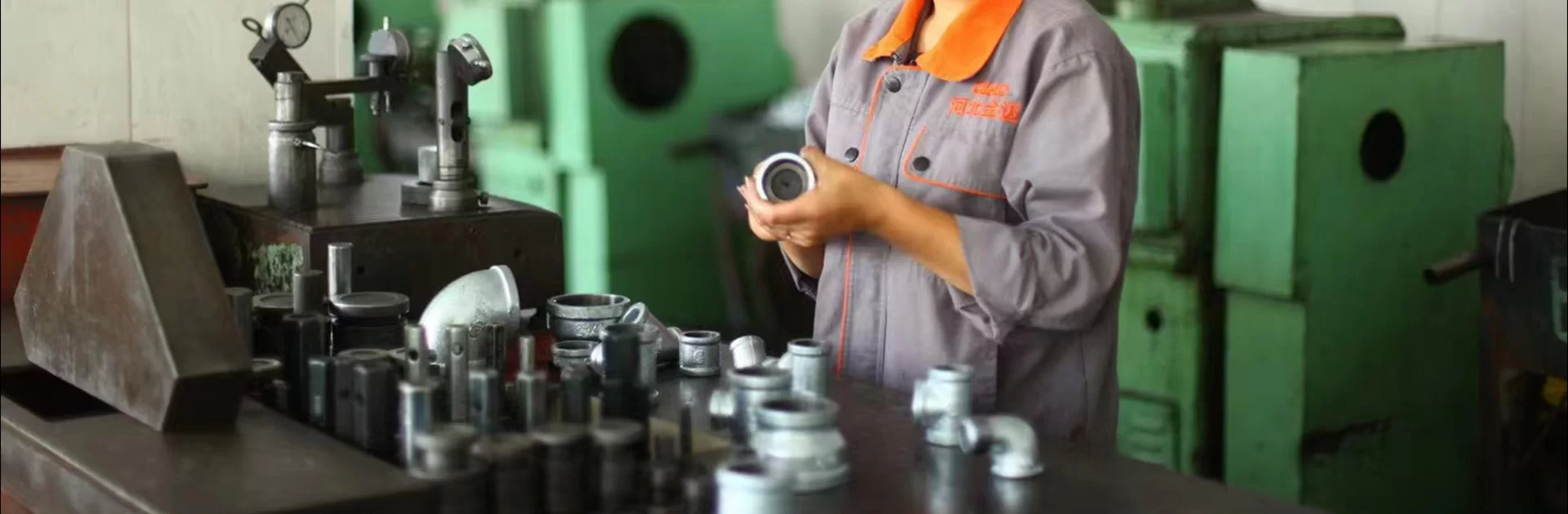
Hebei JinmaiMa Steel Co., Ltd.’s global development journey

Foundational Commitment to Quality

Established in 2008, Hebei JinmaiMa Steel Co., Ltd. embarked on a mission to deliver superior metal casting products, initially focusing on the domestic market.

Technological Advancement

In 2012, we invested heavily in advanced casting technologies, enabling us to produce complex and high-precision components.

Expansion into International Markets

2016 marked our entry into the international market, establishing partnerships with distributors in key regions.

Commitment to Sustainable Practices

We implemented sustainable manufacturing processes in 2019, reducing our environmental footprint and promoting responsible sourcing.

Serving the Libyan Market

In 2023, we dedicated resources to understand the unique challenges and opportunities within the Libyan market, providing tailored solutions for infrastructure and industrial projects.

Complete Product Portfolio for the Libyan Region

A comprehensive range of metal castings and fittings designed to meet the specific needs of Libyan industries.

Frequently Asked Questions – Libyan Market

Addressing common inquiries about our products and services in Libya.

What are the typical lead times for delivering malleable pipe fittings to Libya?

Lead times typically range from 4-6 weeks, depending on the order volume and shipping logistics. We prioritize efficient delivery to minimize project delays.

Do your galvanized steel elbow meet international quality standards?

Yes, all our products are manufactured in accordance with ISO 9001 standards and undergo rigorous quality control testing to ensure compliance with international specifications.

Can you provide customized casting solutions for specific Libyan infrastructure projects?

Absolutely. We specialize in customized casting solutions and work closely with our clients to develop products tailored to their unique requirements.

What corrosion protection options are available for black iron pipe fittings in the Libyan climate?

We offer a range of corrosion protection options, including galvanization, epoxy coatings, and specialized alloys, to ensure long-term performance in harsh environments.

Do you offer technical support and after-sales service in Libya?

We provide comprehensive technical support and after-sales service, including installation guidance, troubleshooting, and spare parts availability.

What types of payment methods do you accept for orders from Libya?

We accept various payment methods, including Letters of Credit (LC) and bank transfers. We can discuss specific payment arrangements to accommodate your needs.

Get in Touch with Us

We are dedicated to providing high-quality metal casting solutions to clients in Libya. Contact us today to discuss your specific requirements.

Contact Us Now

If you are interested in our products, you can choose to leave your information here, and we will be in touch with you shortly.