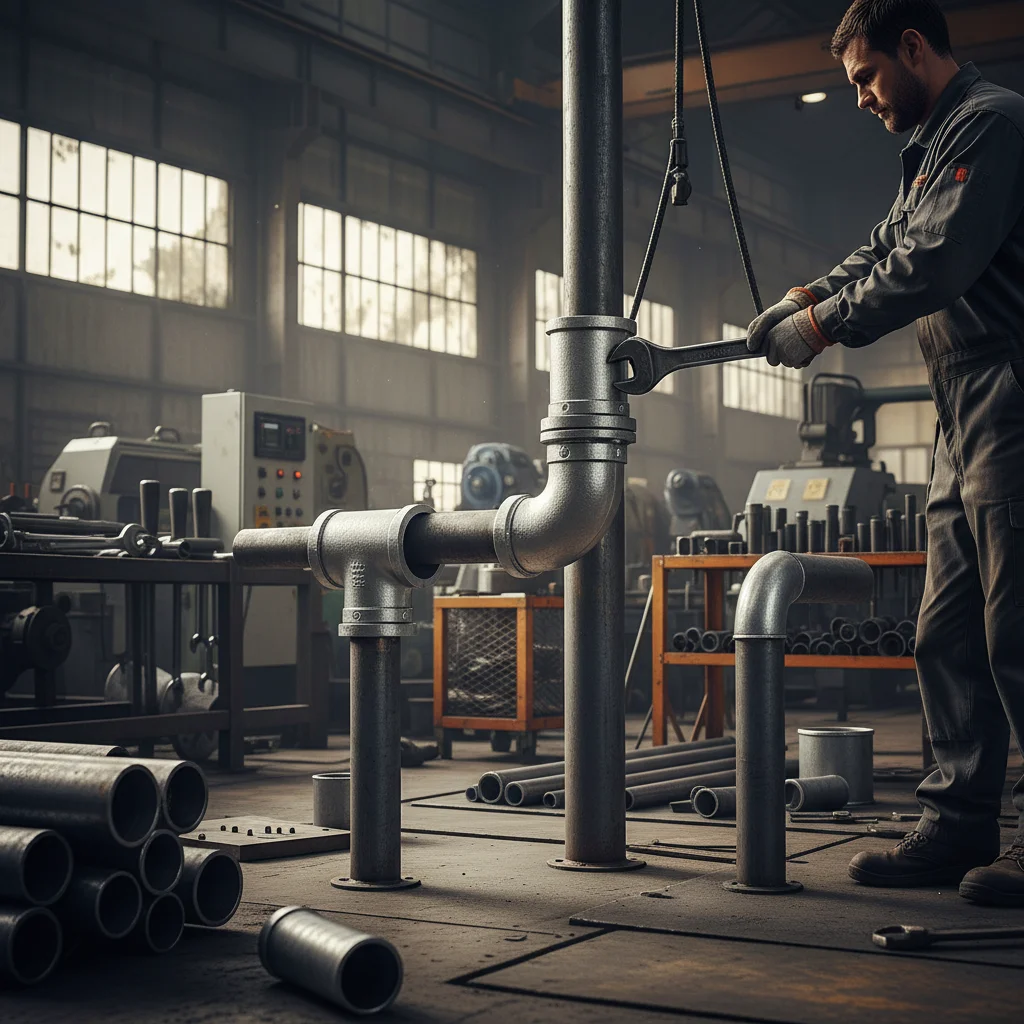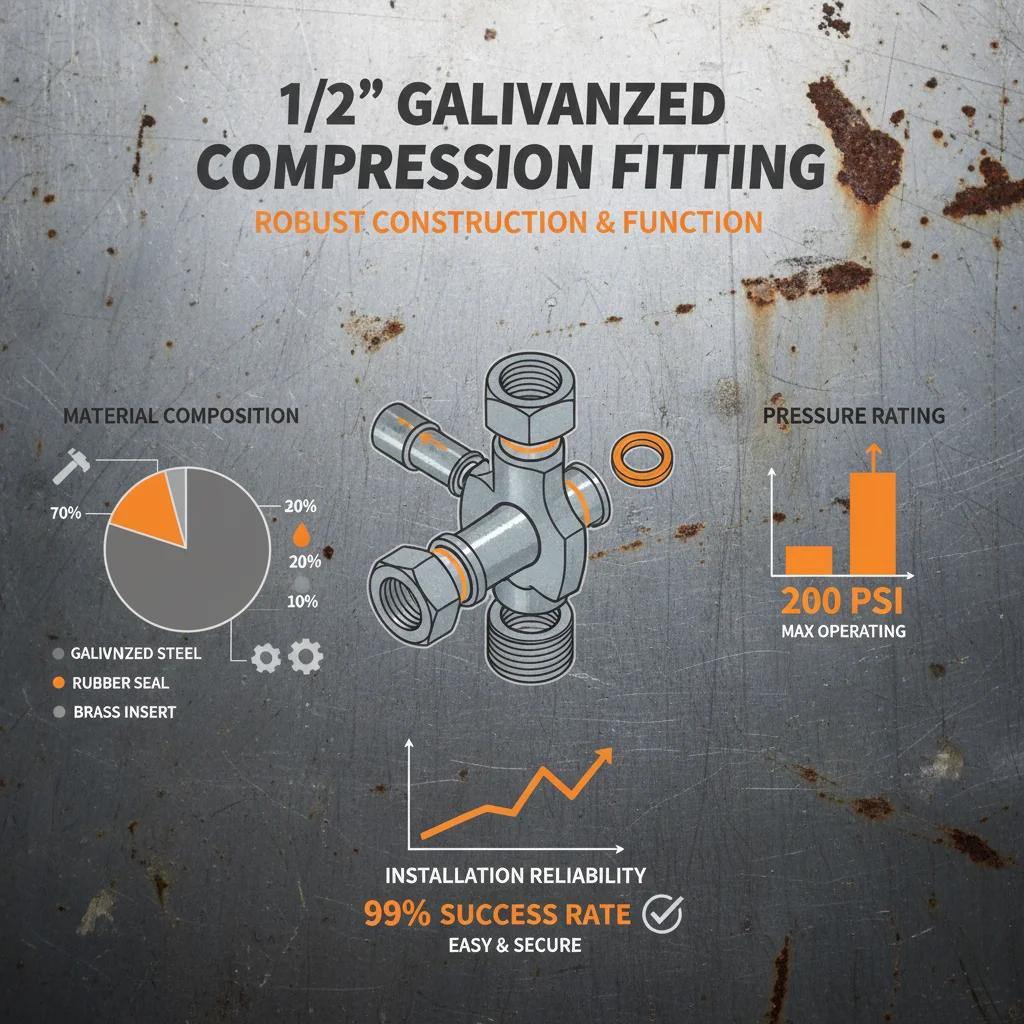

In today’s rapidly developing industrial and construction sectors, pipeline systems must meet increasingly demanding standards for durability, corrosion resistance, and operational stability. From municipal infrastructure and building engineering to manufacturing facilities and mechanical installations, pipeline components are expected to maintain reliable performance under long-term use. Among the most widely adopted solutions are galvanized pipes and fittings, which combine the mechanical strength of steel with the protective advantages of zinc coating.
A well-designed galvanized pipe fitting system plays a critical role in ensuring that pipelines remain structurally secure while maintaining smooth fluid transmission. These fittings provide essential connection points between pipes, allowing engineers to design flexible pipeline networks capable of adapting to different installation conditions.
Because corrosion is one of the most common challenges affecting pipeline systems, galvanization has become a standard process used to extend the service life of steel components. By coating the surface with a protective layer of zinc, threaded galvanized pipe fittings are able to resist rust and environmental damage, making them suitable for both indoor and outdoor installations.
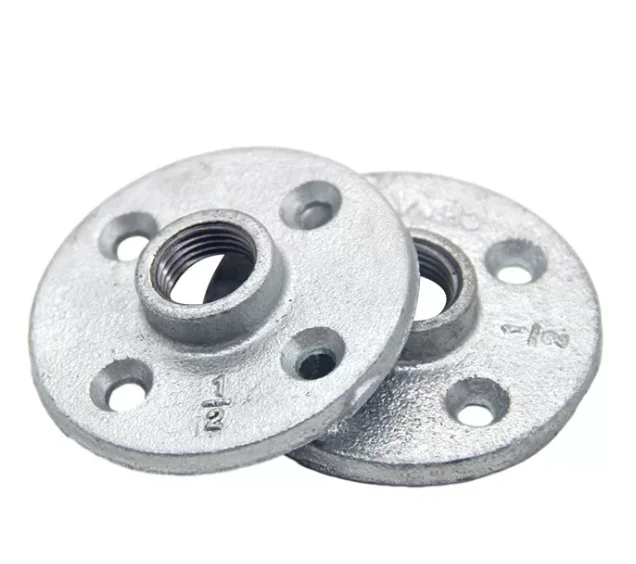
Threaded connections remain one of the most widely used methods for assembling pipeline systems. Their popularity stems from their combination of installation efficiency, structural reliability, and ease of maintenance. High-quality threaded galvanized pipe fittings allow engineers and installers to create secure connections without requiring welding or complex installation equipment.
The threaded design enables pipes to be connected tightly while maintaining proper alignment throughout the pipeline network. When produced with precise machining and accurate thread dimensions, these fittings provide excellent sealing performance and structural stability.
Another advantage of galvanized pipe fitting systems lies in their adaptability. Because threaded fittings can be easily installed and removed, maintenance and system modifications can be carried out more efficiently. This flexibility is particularly valuable in industrial environments where pipeline systems may need to be expanded or adjusted as production processes evolve.
Furthermore, the galvanization process protects the threaded surfaces from corrosion, ensuring that connections remain secure even after years of service. This durability makes galvanized threaded fittings a dependable choice for water supply systems, industrial fluid pipelines, and building mechanical installations.
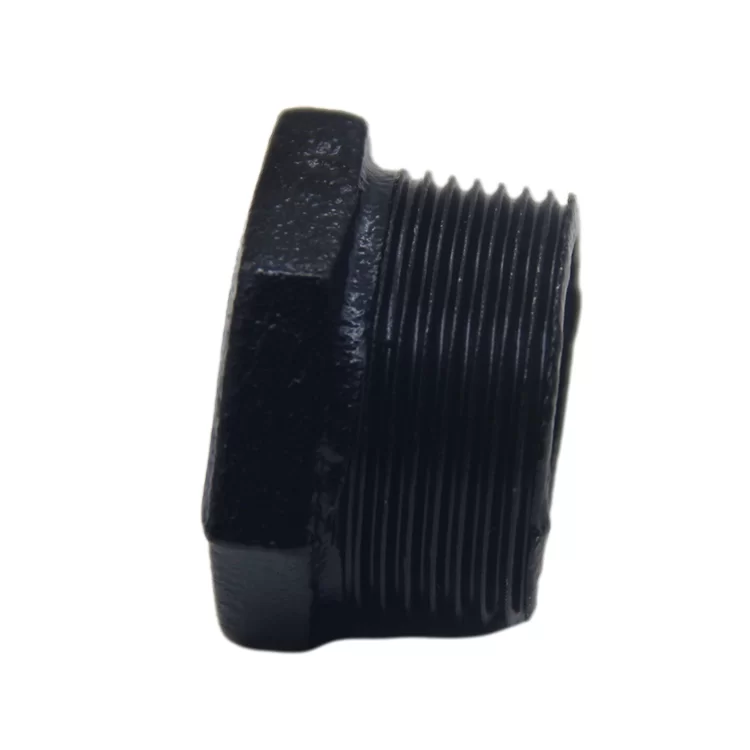
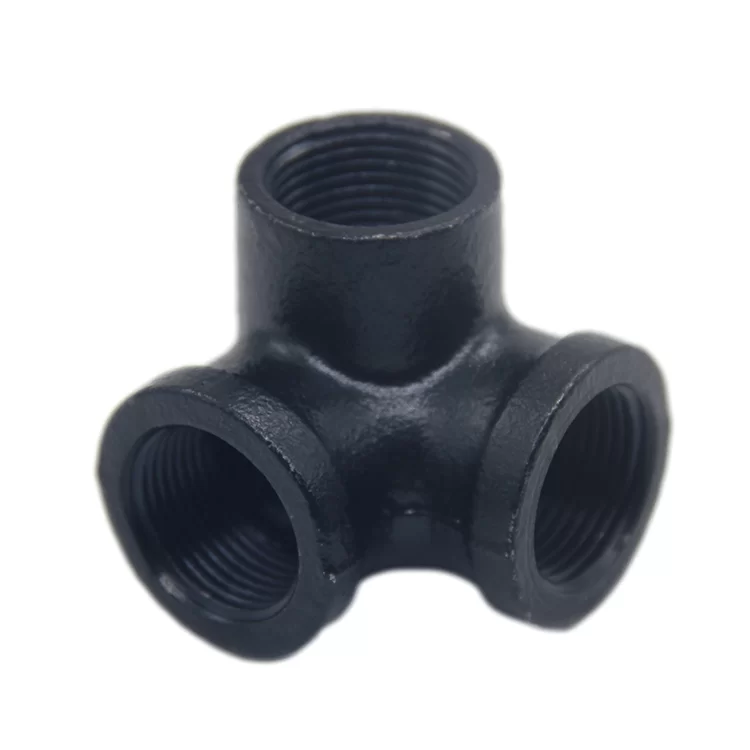
Modern pipeline systems often require a wide variety of connection components to accommodate complex layouts and operational requirements. The different types of galvanized pipe fittings allow engineers to construct pipeline networks capable of handling changes in direction, pipe diameter transitions, and branching flow paths.
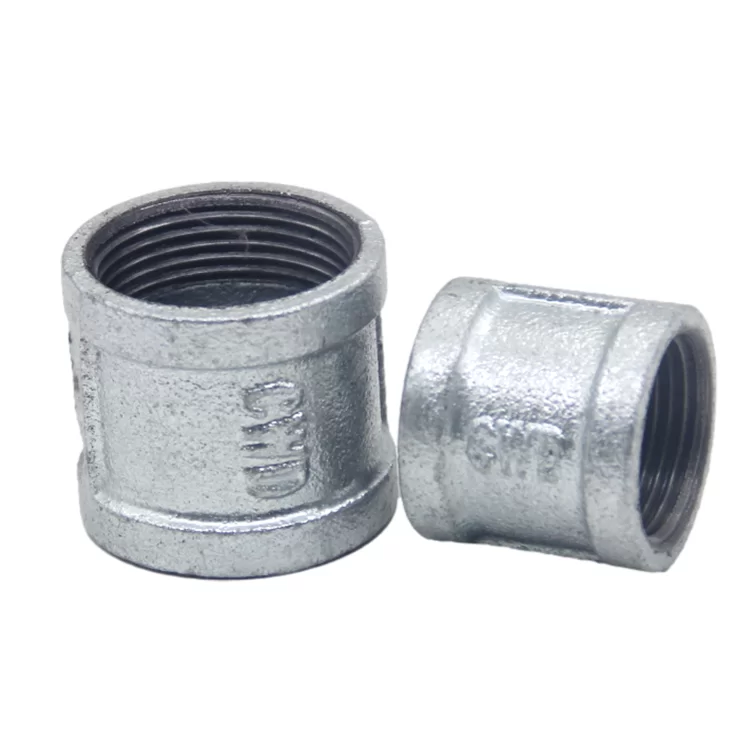
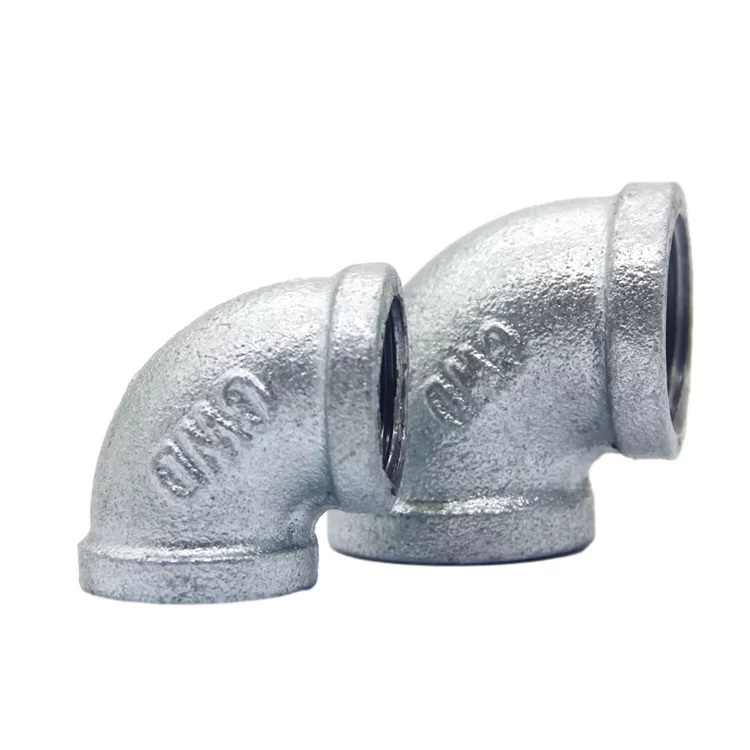
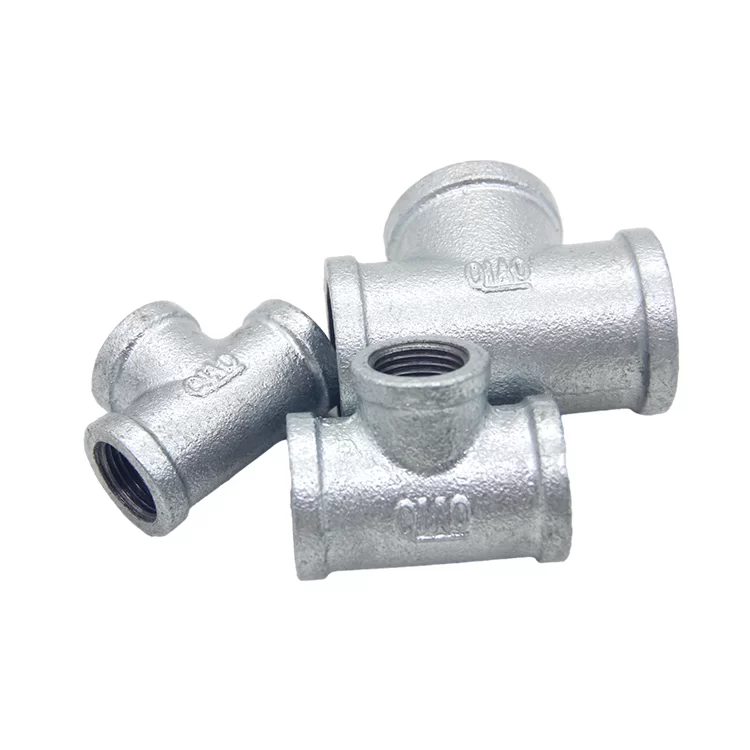
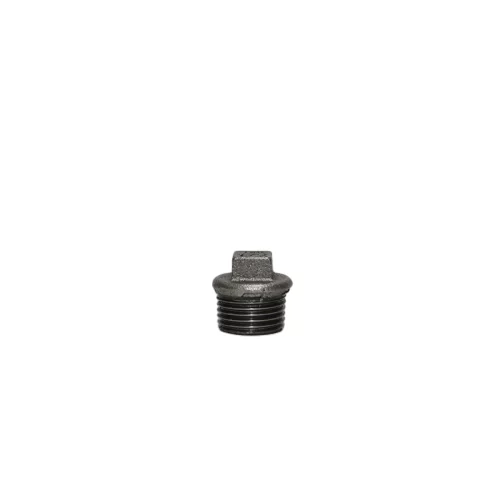
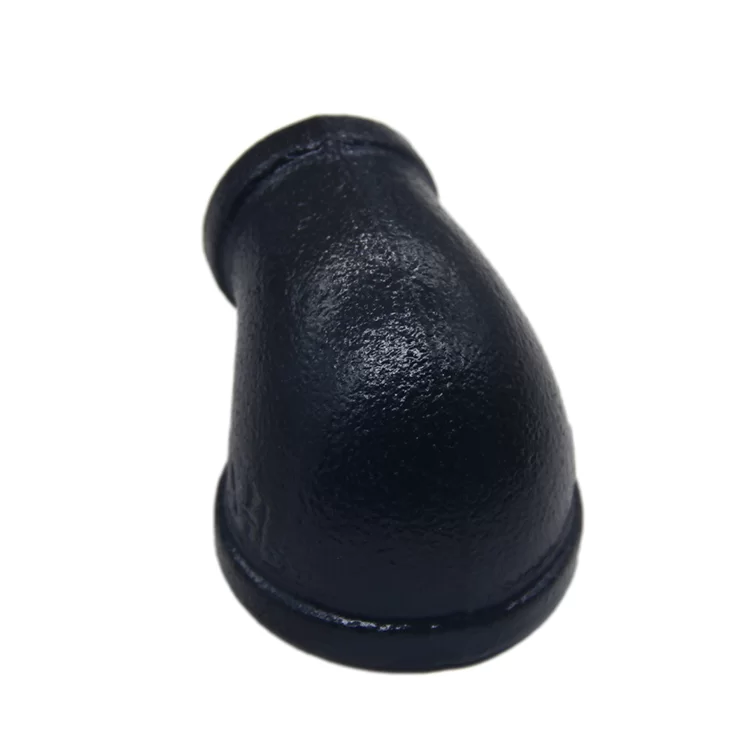
For example, elbows allow pipelines to change direction smoothly, while tees enable a main pipeline to distribute fluid to secondary branches. Couplings join pipe segments together, and unions allow sections of pipeline to be disconnected when maintenance is required.
Each of these components forms part of the broader category of galvanized pipes and fittings, which collectively create a flexible and adaptable pipeline system. The ability to combine different fittings allows engineers to design installations that meet specific project requirements while maintaining consistent mechanical performance.
Because these fittings are produced using galvanized steel or malleable iron with zinc coating, they maintain both structural strength and corrosion resistance. This combination ensures that pipeline systems can operate reliably in environments where humidity, temperature changes, or chemical exposure may otherwise lead to rapid material degradation.
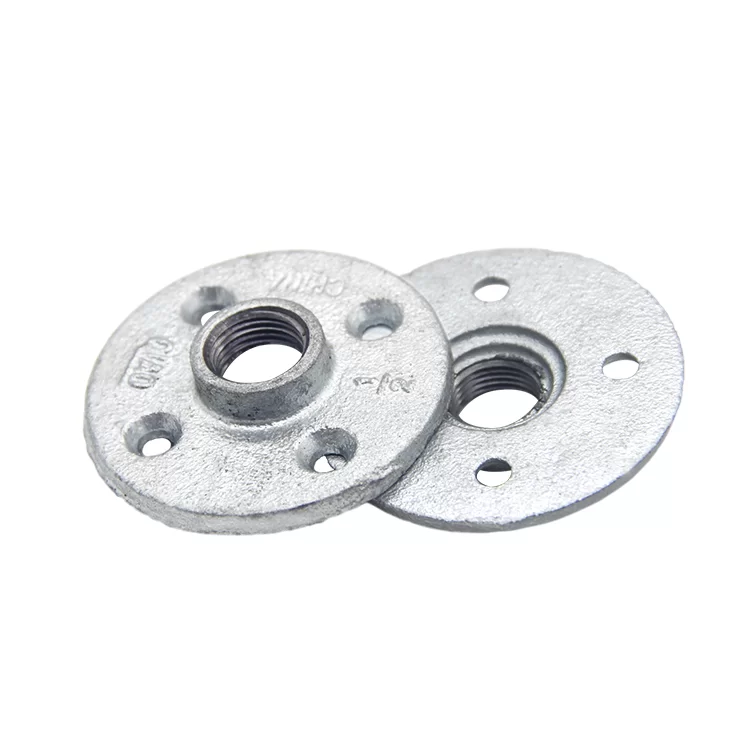
Beyond traditional fluid transport systems, galvanized pipe components are also widely used in structural and architectural applications. In many commercial and industrial projects, galvanized pipe handrail fittings and galvanized pipe railing fittings provide both functional support and long-term durability.
Handrail systems in public buildings, factories, and outdoor facilities require materials that can withstand constant physical contact as well as environmental exposure. The corrosion-resistant properties of galvanized steel make it an ideal material for these applications.
Similarly, galvanized pipe railing fittings are commonly used in staircases, walkways, balconies, and safety barriers. These fittings allow structural pipe frameworks to be assembled securely while maintaining a clean and professional appearance.
Because railing systems are often installed outdoors, resistance to rust and weathering becomes especially important. The zinc coating used in galvanization protects the metal surface, ensuring that the railing structure retains both its strength and visual quality over time.
These structural applications demonstrate the versatility of galvanized pipe fitting products, which are capable of supporting both functional pipeline networks and architectural frameworks.
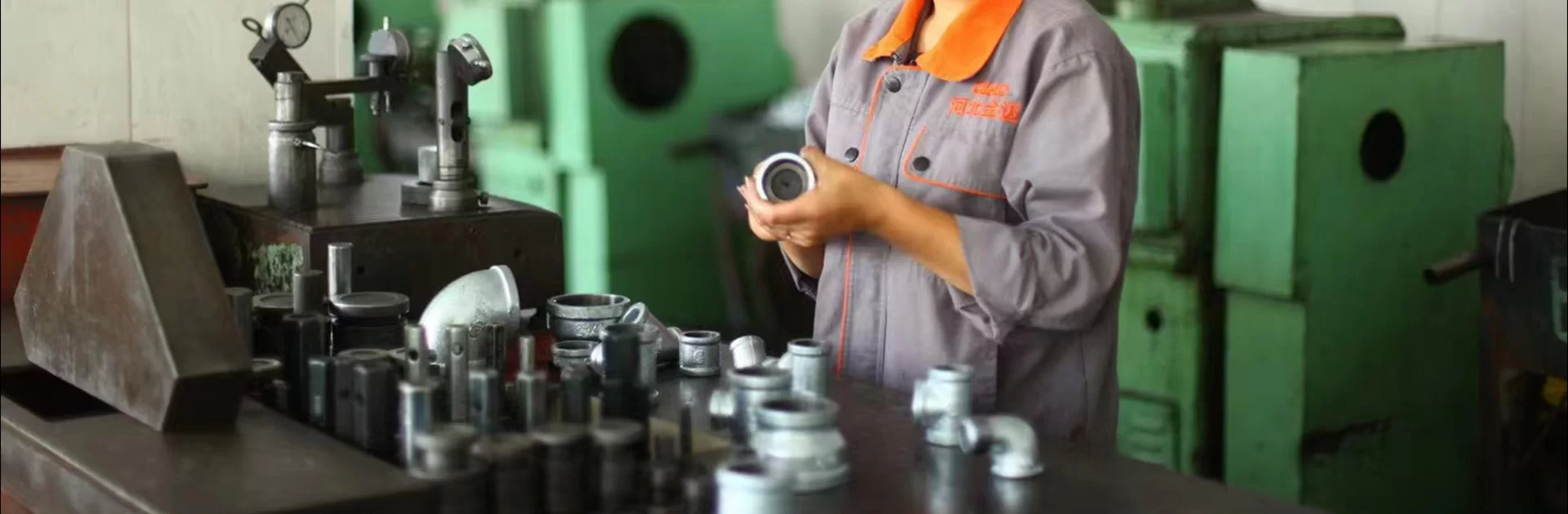
Producing reliable galvanized pipe fittings for sale requires strict control over multiple stages of the manufacturing process. High-quality fittings depend on precise casting or forging methods, accurate machining of threaded connections, and consistent application of the galvanization layer.
Manufacturers must ensure that each fitting meets standardized dimensional tolerances so that it can be easily integrated into international pipeline systems. Even small variations in thread accuracy can affect connection stability, making precision manufacturing essential.
The galvanization process itself must also be carefully managed. A properly applied zinc coating not only protects the metal surface but also ensures uniform corrosion resistance across the entire component. This coating acts as both a physical barrier and a sacrificial protective layer, shielding the underlying steel from environmental damage.
Through advanced manufacturing technologies and quality inspection procedures, leading galvanized pipe fitting company producers ensure that their products meet global engineering standards. These processes help guarantee that the fittings can perform reliably in demanding industrial and construction environments.
Over the past several decades, China has developed one of the most comprehensive manufacturing ecosystems for pipeline hardware and industrial metal components. Supported by specialized casting regions and integrated supply chains, Chinese galvanized pipe fittings suppliers have become key partners for distributors and contractors worldwide.
Among the companies contributing to this global supply network is Hebei Jinmai Casting Co., Ltd., which operates within an established industrial cluster known for producing high-quality pipeline fittings.
With extensive manufacturing experience and international export channels, companies in this region provide pipeline components to customers across numerous global markets. Their ability to maintain consistent product quality while supporting large-scale production has made them trusted suppliers for infrastructure projects and industrial installations.
As global demand for durable pipeline components continues to grow, Chinese manufacturers remain important contributors to the international supply of galvanized pipes and fittings.
For contractors, distributors, and engineering firms searching for dependable pipeline solutions, the exhibition offers valuable opportunities to evaluate manufacturers specializing in galvanized pipes and fittings.
Professionals interested in learning more about high-performance threaded galvanized pipe fittings, structural railing components, and durable pipeline connectors are encouraged to explore detailed technical information through the manufacturer’s official website:
https://www.jinmaicasting.com/
Exploring these resources can help industry professionals identify a reliable galvanized pipe fitting company capable of supporting modern infrastructure projects with durable, corrosion-resistant connection solutions designed for long-term performance.