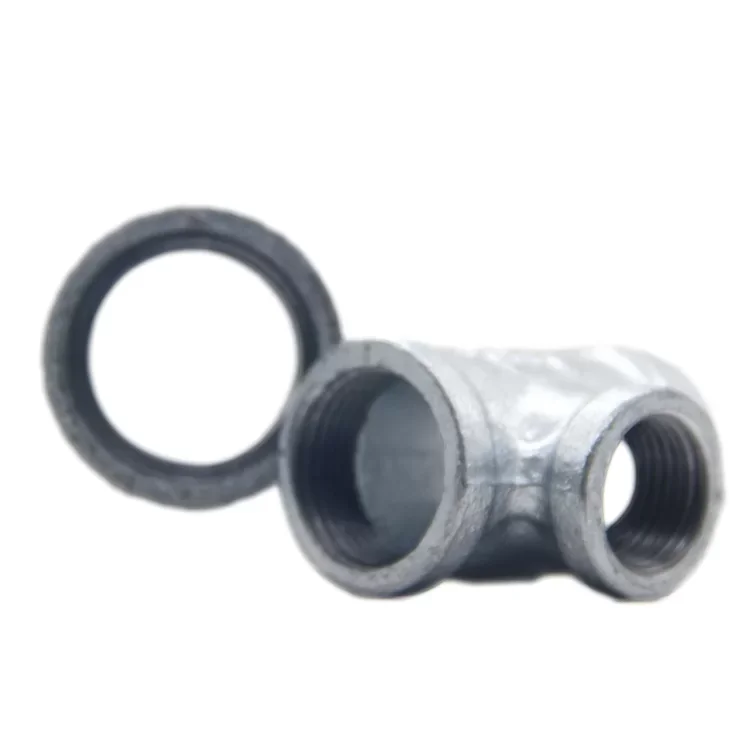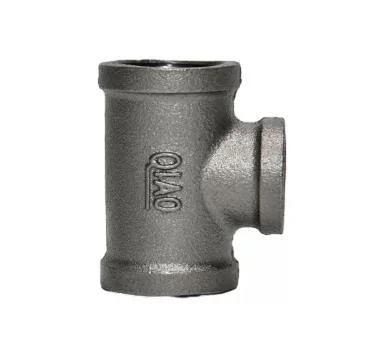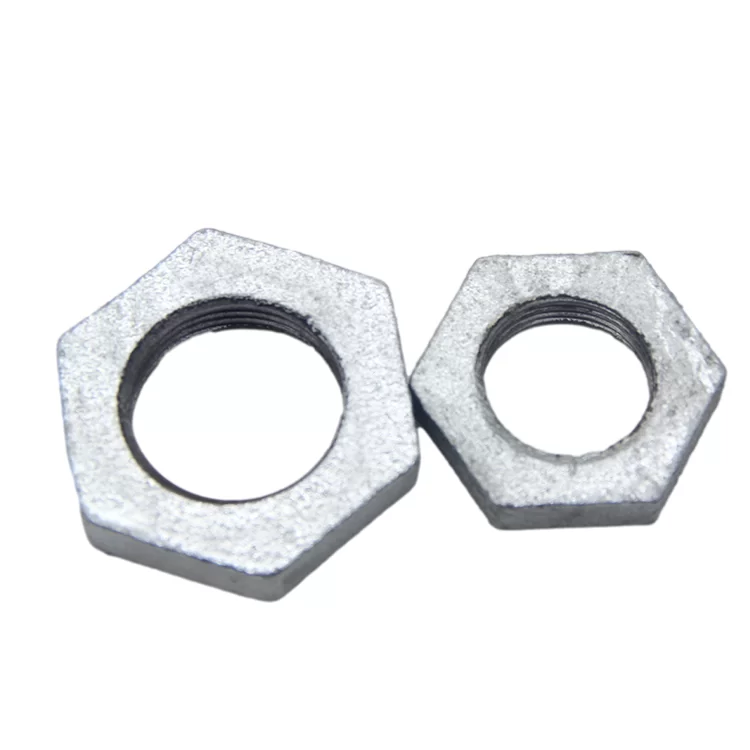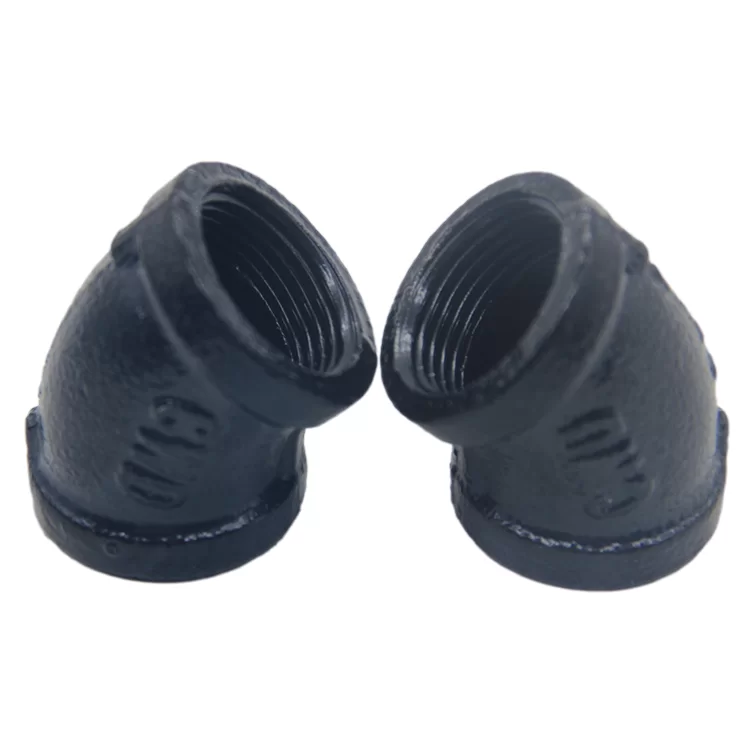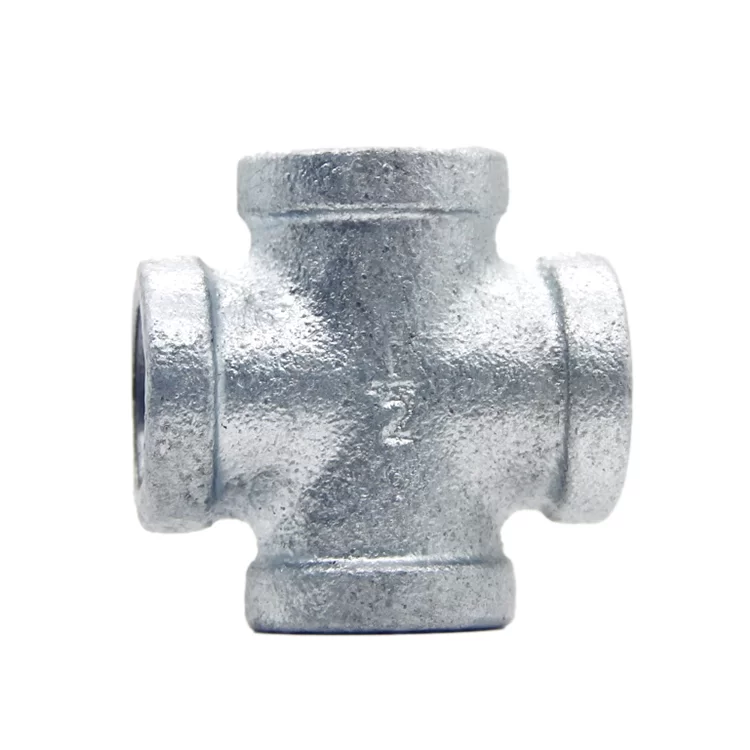

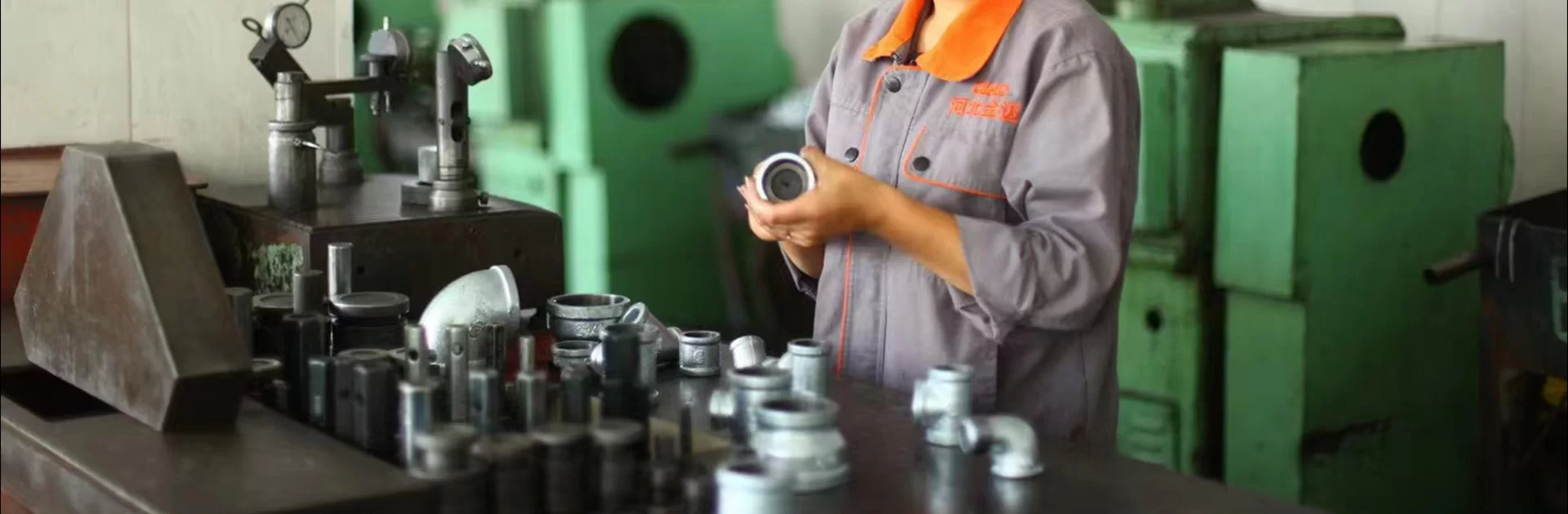
When embarking on plumbing, industrial, or DIY projects, selecting the correct fittings is paramount. 1 2 in galvanized pipe fittings are a staple component in numerous applications, prized for their durability, corrosion resistance, and cost-effectiveness. This article will provide an in-depth overview of these fittings, covering their types, applications, benefits, and considerations for optimal selection. Understanding these crucial elements can ensure the longevity and reliability of your projects.
Galvanization is the process of applying a protective zinc coating to steel or iron, preventing rust and corrosion. This makes galvanized pipe fittings ideal for both indoor and outdoor applications where exposure to moisture is a concern. Galvanized fittings are commonly used in water supply lines, fire sprinkler systems, and various industrial pipelines. The zinc coating acts as a sacrificial anode, corroding before the base metal, thus extending the lifespan of the piping system. Choosing the right galvanization method (hot-dip or electrogalvanized) is crucial depending on the application's specific requirements.
Key Benefit: Galvanized steel offers superior corrosion resistance compared to standard carbon steel, making it a reliable choice for long-term piping solutions.
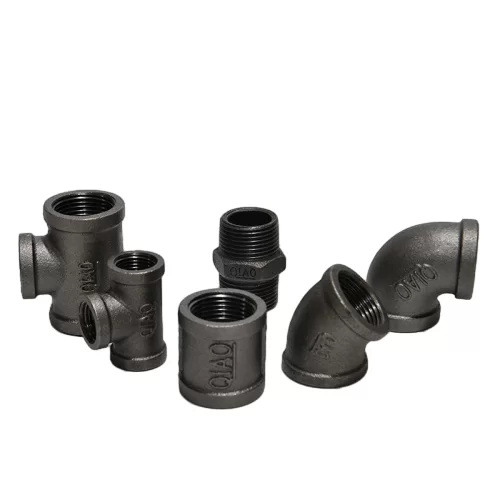
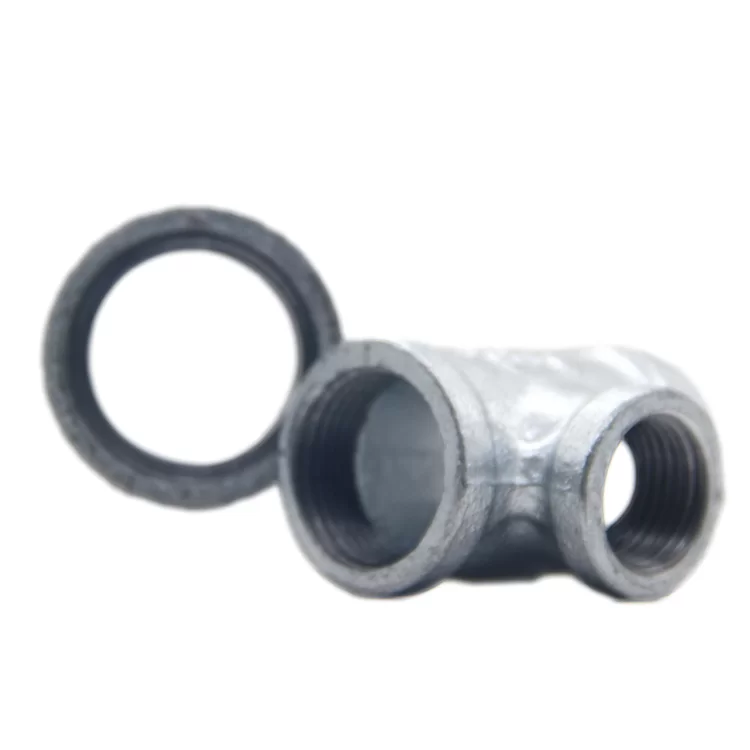
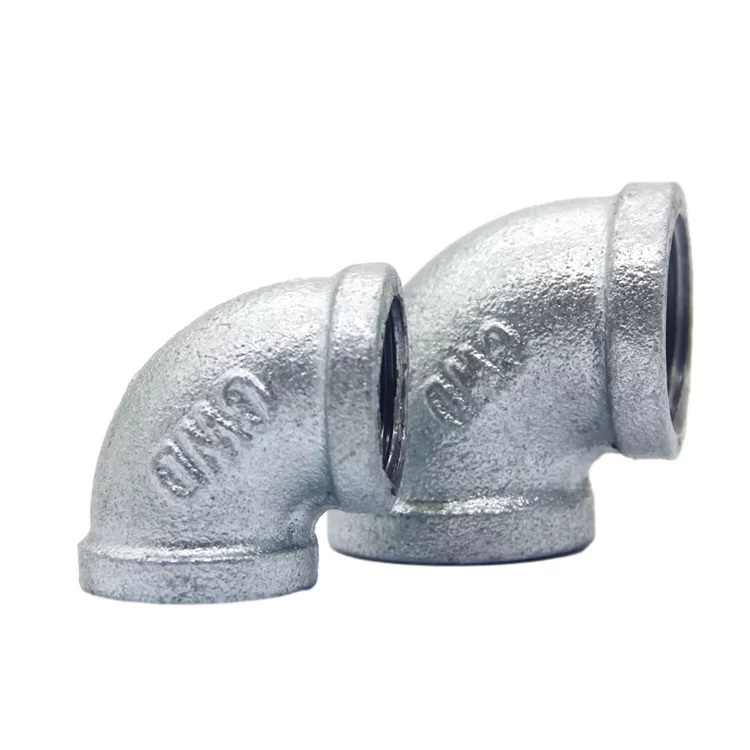
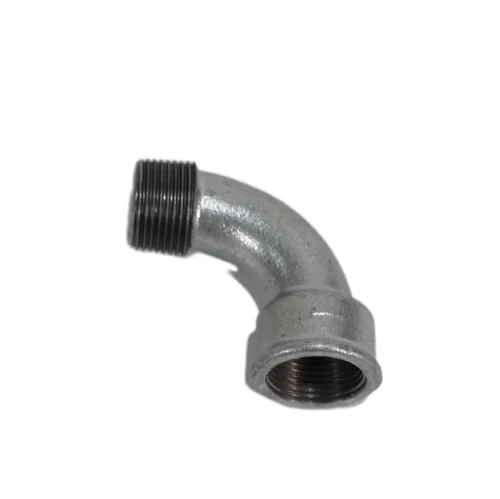
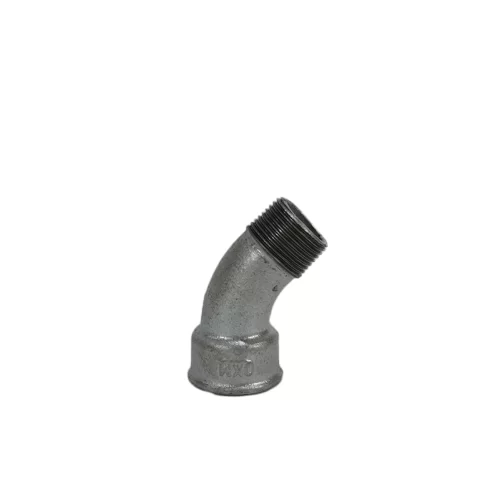
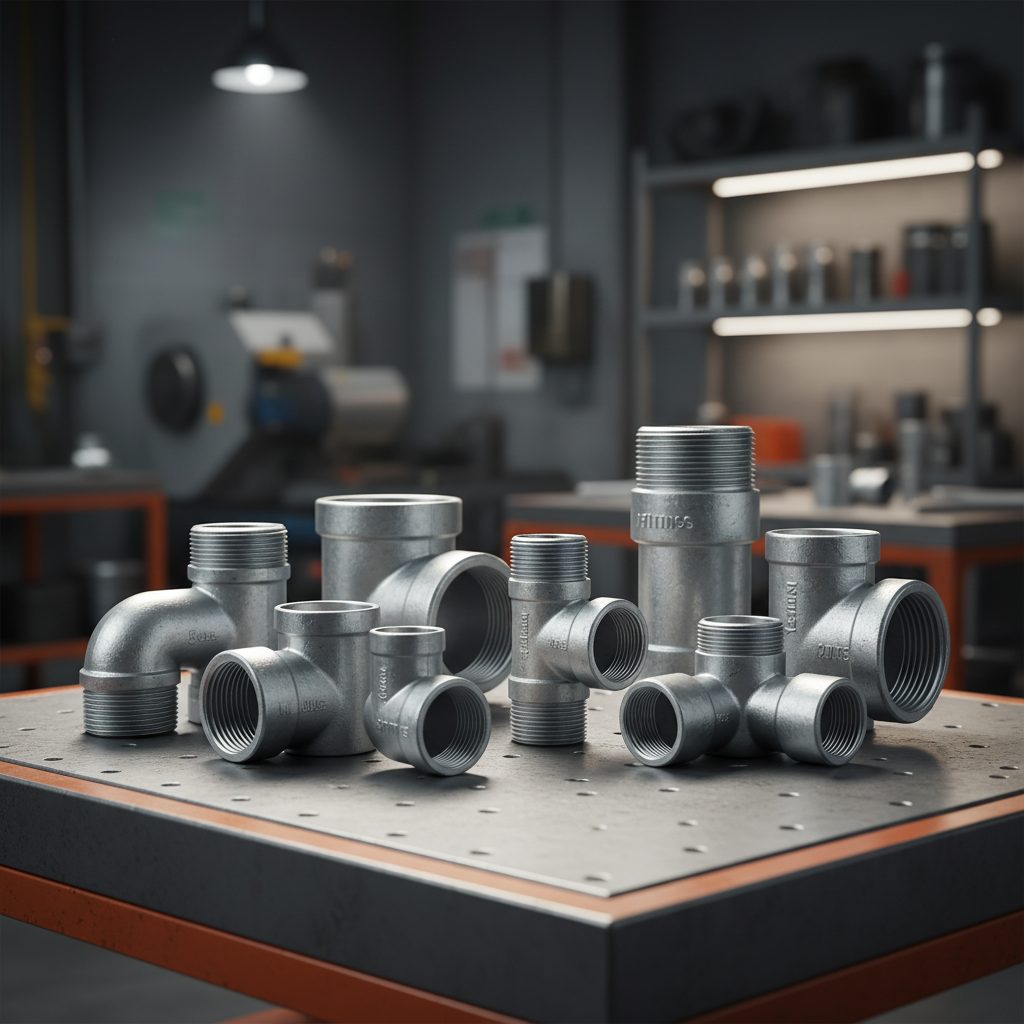
A variety of 1 2 in galvanized pipe fittings are available, each designed for specific connection types and purposes. Some of the most common include: elbows (90-degree and 45-degree), tees, couplings, reducers, caps, and flanges. Elbows change the direction of the pipe, tees create branches, and couplings join two pipes together. Reducers transition between different pipe sizes, while caps seal the end of a pipe. Understanding the function of each fitting is crucial for creating a secure and functional piping system. Jinmai Casting offers a comprehensive selection of these fittings to meet diverse project needs.
Essential Fitting Types:
• Elbows: Change pipe direction.
• Tees: Create branches in a pipeline.
• Couplings: Join two pipes.
• Reducers: Connect pipes of different sizes.
While other materials like PVC, CPVC, and stainless steel are available for piping, galvanized steel offers a unique blend of advantages. Compared to PVC and CPVC, galvanized steel is significantly more durable and can withstand higher temperatures and pressures. Stainless steel offers superior corrosion resistance but comes at a higher cost. The choice depends heavily on the application's specific requirements and budget. For applications requiring strength, durability, and moderate corrosion resistance at a reasonable price, 1 2 in galvanized pipe fittings are an excellent choice.
The versatility of 1 2 in galvanized pipe fittings lends itself to a broad range of applications. These are commonly found in residential plumbing systems for water supply, as well as in irrigation systems for farms and gardens. Industrially, they’re utilized in compressed air lines, fire protection systems, and chemical processing plants. Their durability and resistance to corrosion make them a reliable choice for exposed applications. Proper installation and maintenance are vital to ensuring the longevity of these systems.
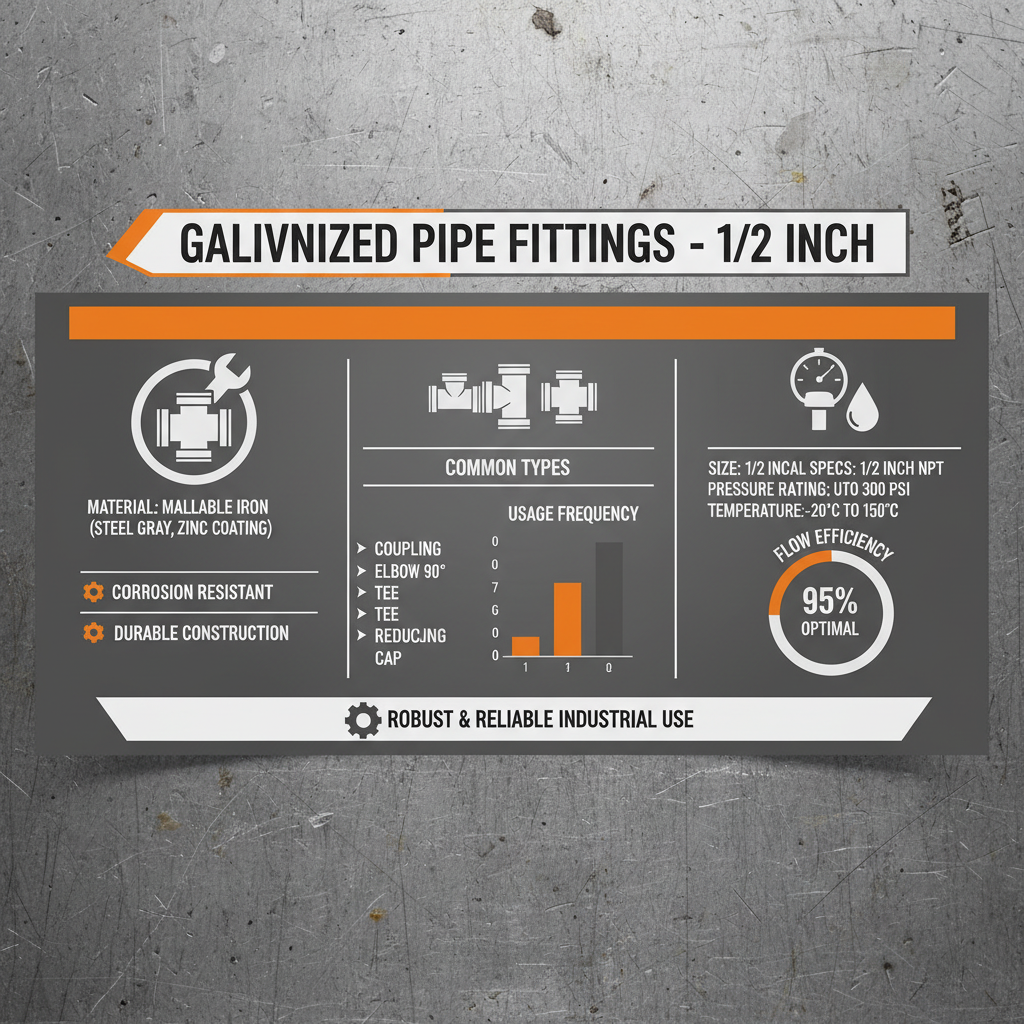
When selecting 1 2 in galvanized pipe fittings, consider the application's specific requirements. Factors to evaluate include the operating pressure, temperature, and the type of fluid being conveyed. Ensure the fittings meet relevant industry standards and certifications. Inspect the fittings for any defects before installation. Proper threading and sealing are crucial to prevent leaks. Consulting with a plumbing professional or a reputable supplier like Jinmai Casting can ensure you choose the right fittings for your project.
Investing in high-quality 1 2 in galvanized pipe fittings from a trusted supplier is an investment in the longevity and safety of your projects. By understanding the different types, applications, and considerations outlined in this guide, you can make informed decisions and ensure a successful outcome. Don't compromise on quality – choose fittings that deliver performance and reliability.
Hot-dip galvanization involves immersing the steel in molten zinc, creating a thicker and more durable coating, ideal for outdoor applications and harsh environments. Electrogalvanization uses an electric current to deposit a thinner zinc layer, offering a smoother finish and better precision, often used for automotive parts and appliances. Hot-dip galvanization generally provides superior corrosion resistance due to its thicker coating.
Generally, yes, but it depends on local regulations. Modern galvanized pipes typically have a protective internal coating to prevent leaching of zinc into the water. However, in some areas, there may be restrictions, especially with older systems. It's crucial to check with your local plumbing codes and water authorities to ensure compliance.
Threading galvanized pipe requires a specialized pipe threading tool and cutting oil. Start by deburring the end of the pipe, then use the threading tool to create the threads, applying cutting oil liberally. Ensure you use the correct die size for 1/2 inch pipe. After threading, clean the pipe and apply pipe thread sealant (teflon tape or pipe dope) before connecting fittings. Improper threading can lead to leaks and failure.
While durable, galvanized pipe can corrode over time, especially in acidic or highly alkaline environments. The zinc coating will eventually be depleted, exposing the steel beneath. Additionally, galvanized pipe can experience a build-up of scale and sediment, reducing water flow. For applications requiring extremely high corrosion resistance, stainless steel is a better option.