
When undertaking plumbing, irrigation, or structural projects, the correct fittings are crucial for a robust and leak-proof system. 1 1/2 galvanized pipe fittings are a common choice, offering durability and corrosion resistance. This article dives deep into what these fittings are, their uses, types, material properties, installation tips, and where to source high-quality components. Selecting the right fittings ensures longevity and efficiency in your project.
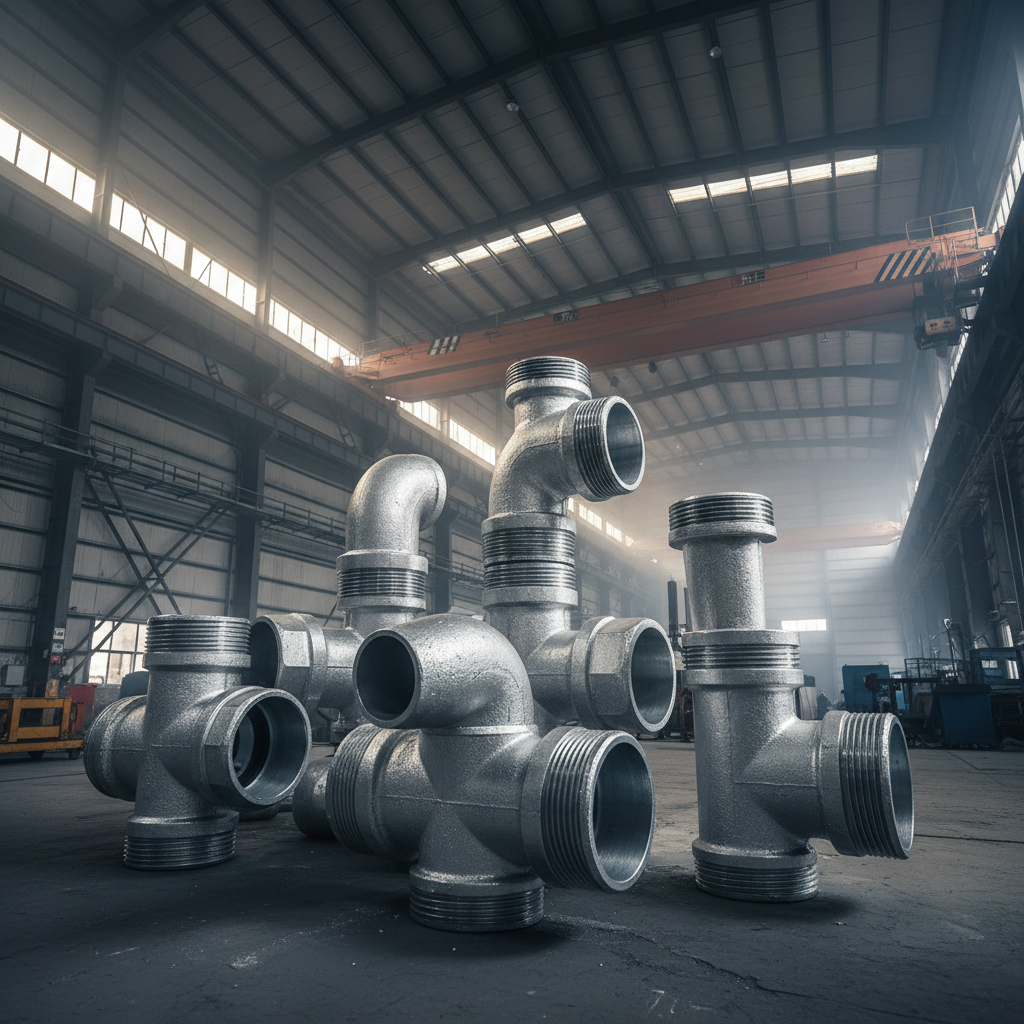
1 1/2 galvanized pipe fittings are components used to connect sections of 1 1/2 inch galvanized steel pipe. The "1 1/2" refers to the nominal pipe size – the approximate inner diameter. 'Galvanized' means the steel has been coated with zinc through a process called galvanization, providing a protective layer against rust and corrosion. This makes them suitable for both indoor and outdoor applications where moisture is a concern. These fittings are typically used in water supply lines, sprinkler systems, and structural supports.
Key Benefits: Galvanized steel's inherent strength, coupled with the zinc coating, provides excellent resistance to corrosion and physical damage, making it a reliable material for long-lasting plumbing and structural applications.
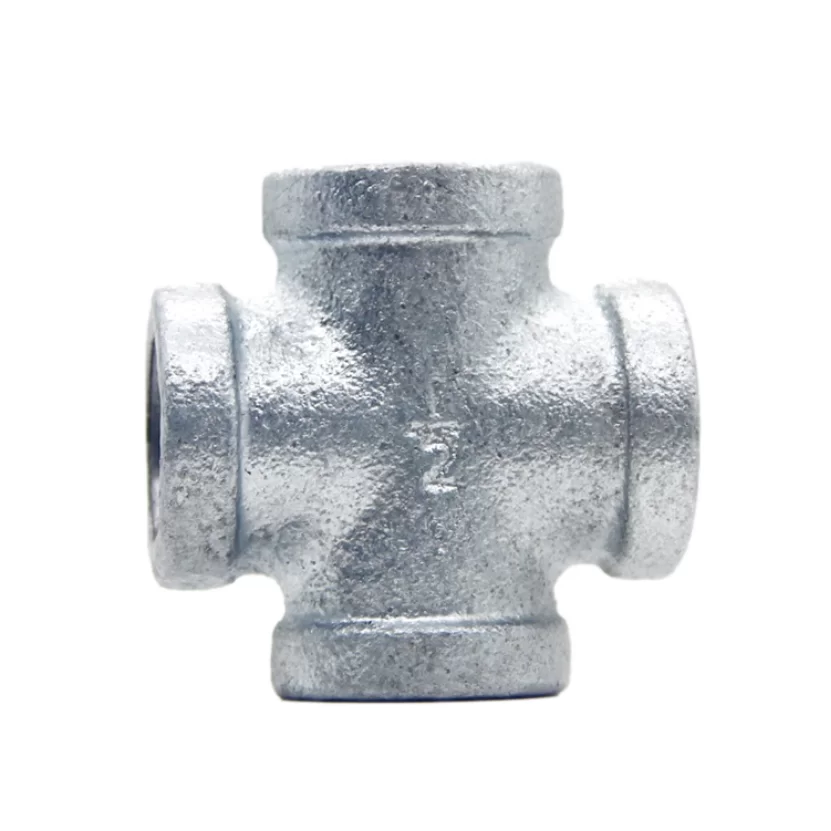
A variety of fittings are available to accommodate different connection needs. Some of the most common types include:
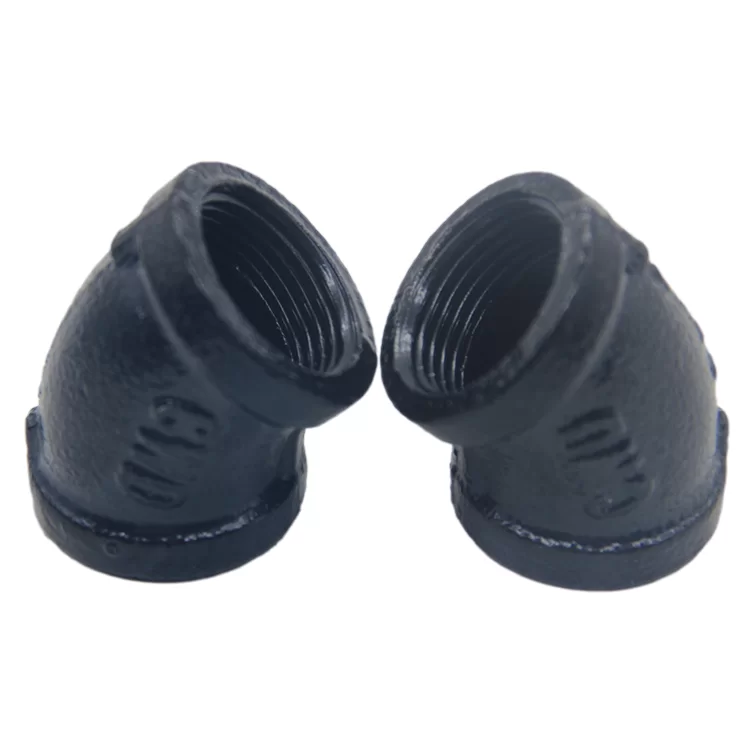
Elbows: Used to change the direction of the pipe (90-degree or 45-degree).
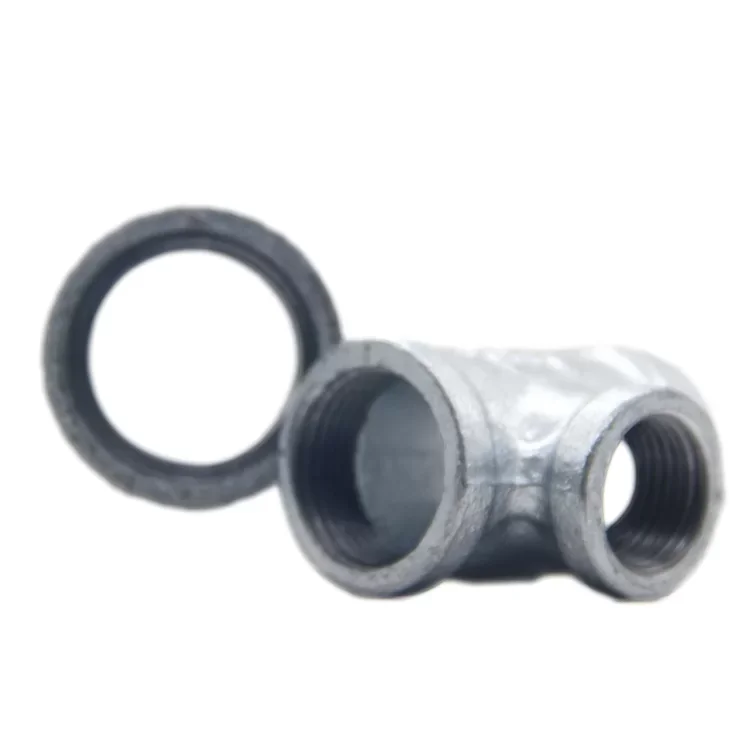
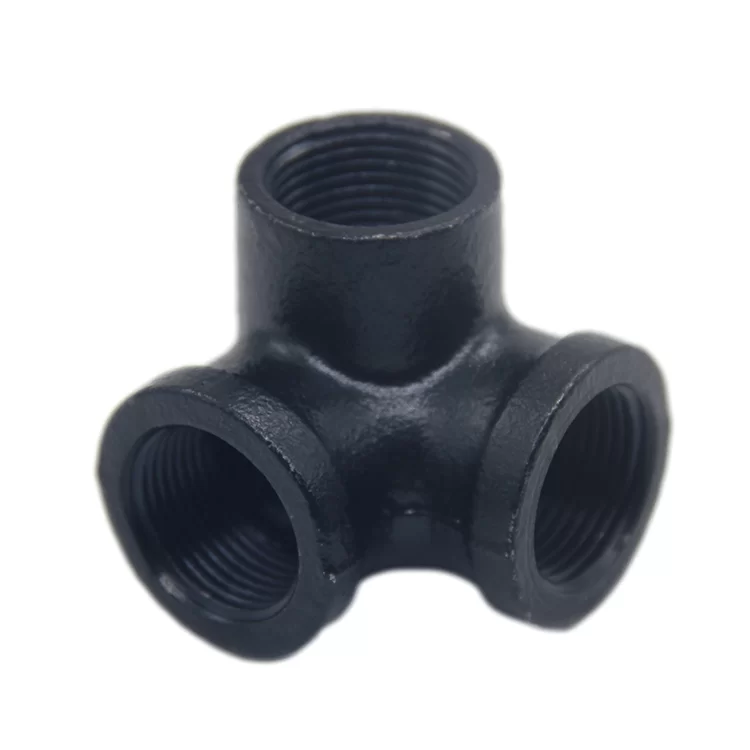
Tees: Allow for a third pipe to be connected, creating a branch.
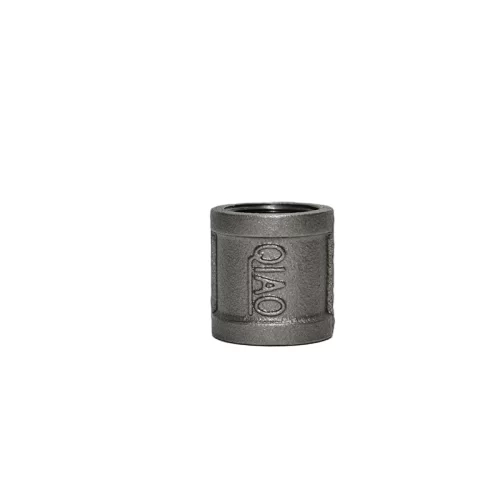
Couplings: Join two sections of pipe together.
Caps: Seal the end of a pipe.
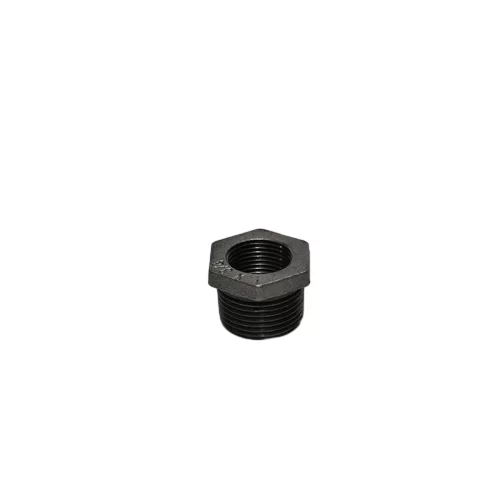
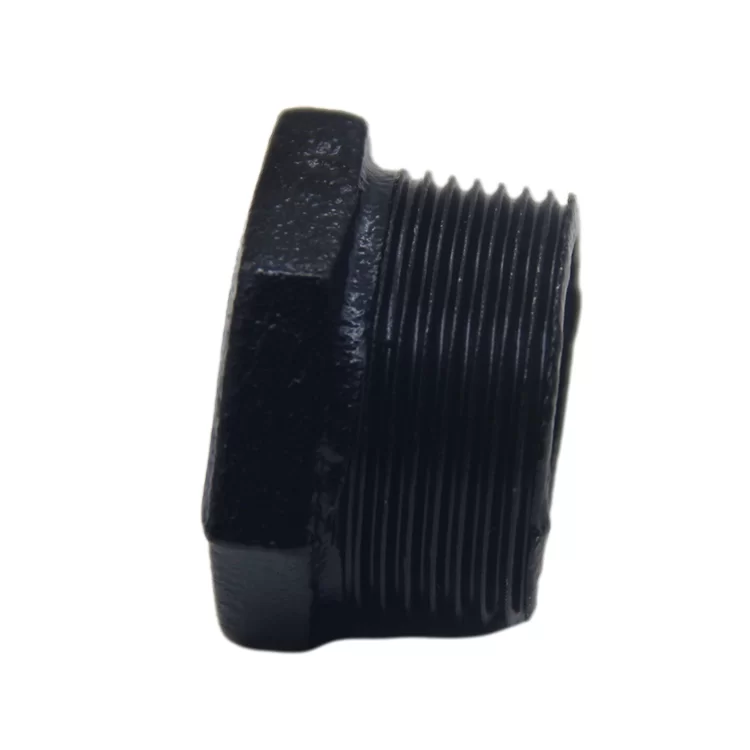
Reducers: Connect pipes of different sizes.
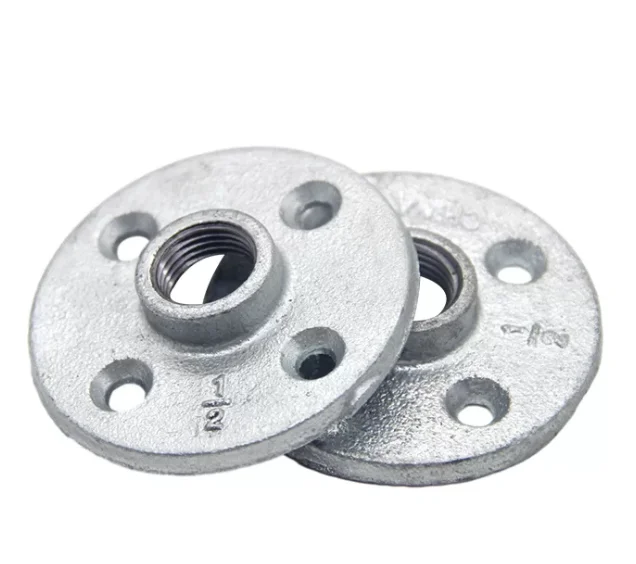
Flanges: Allow for easy connection and disconnection, often used with valves.
Understanding the function of each type allows you to design and build your piping system efficiently.
While other materials like copper and PVC are used for piping, galvanized steel offers unique advantages. Here's a comparison:
Correct installation is vital for a leak-free and durable system. Here are some best practices:
Thread Sealing: Always use pipe thread sealant (pipe dope or Teflon tape) on threaded connections.
Proper Tightening: Tighten fittings securely, but avoid over-tightening, which can damage the threads.
Alignment: Ensure pipes are properly aligned before tightening fittings.
Support: Provide adequate support for long runs of pipe to prevent stress on the fittings.
Grounding: If used for gas lines, ensure proper grounding.
Consult local plumbing codes for specific requirements.
When selecting fittings, prioritize quality. Jinmai Casting is a trusted manufacturer and supplier of high-quality galvanized pipe fittings. We offer a wide range of sizes and types, ensuring you find the perfect fit for your project. Look for fittings that meet relevant industry standards and certifications. Investing in quality fittings upfront will save you time and money in the long run by reducing the risk of leaks and failures.
Choosing the right 1 1/2 galvanized pipe fittings is essential for any plumbing or structural project. Understanding the different types, material properties, and installation techniques will ensure a reliable and long-lasting system. By partnering with a reputable supplier like Jinmai Casting, you can be confident in the quality and performance of your fittings.
With proper installation and maintenance, galvanized pipe fittings can last for 40-70 years or even longer. However, their lifespan can be affected by factors such as water quality, exposure to corrosive elements, and the frequency of use. Regular inspections can help identify potential issues before they become major problems. While generally durable, the zinc coating will eventually degrade over time, particularly in acidic water conditions. Consider this when planning long-term projects.
Yes, 1 1/2 galvanized pipe fittings are generally approved for use in potable (drinking) water systems. However, it's important to note that galvanized pipes can sometimes impart a slight metallic taste or odor to the water, especially when new. This is usually temporary and diminishes over time as a protective layer forms inside the pipe. In some areas, local plumbing codes may restrict the use of galvanized steel in potable water systems due to concerns about lead contamination, so always check with your local authorities.
Cutting galvanized pipe requires a bit of care to avoid damaging the threads and the zinc coating. A pipe cutter designed for steel pipe is the preferred method, as it creates a clean, burr-free cut. Alternatively, a hacksaw with a fine-tooth blade can be used, but it's important to use cutting oil to lubricate the blade and prevent overheating. After cutting, deburr the inside and outside of the pipe to ensure a smooth connection. Avoid using abrasive cutting tools, as they can remove the protective zinc coating.
While galvanized steel offers good corrosion resistance, it's not immune. Over time, the zinc coating can corrode, particularly in environments with high humidity, saltwater exposure, or acidic soil conditions. Regular inspection and maintenance, such as applying a protective coating, can help extend the lifespan of galvanized fittings. In highly corrosive environments, consider using alternative materials like stainless steel or plastic.