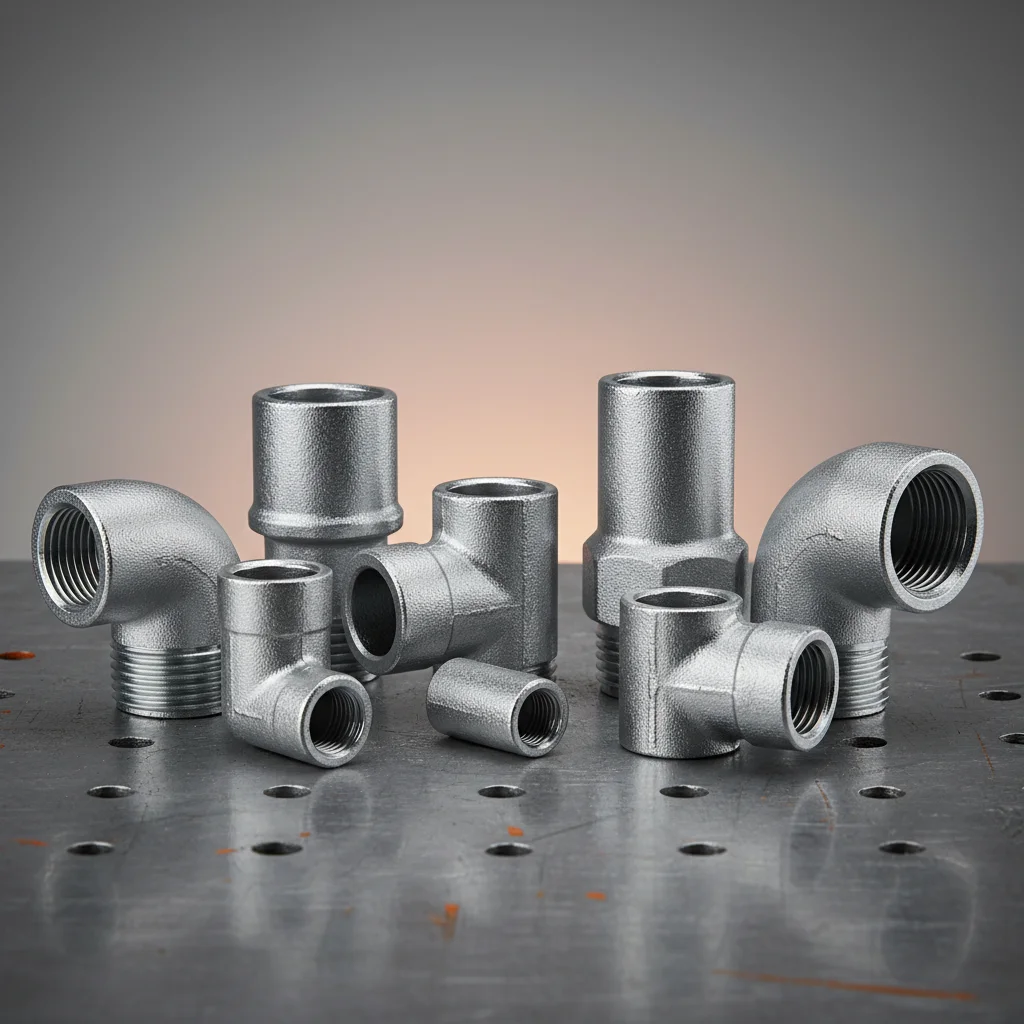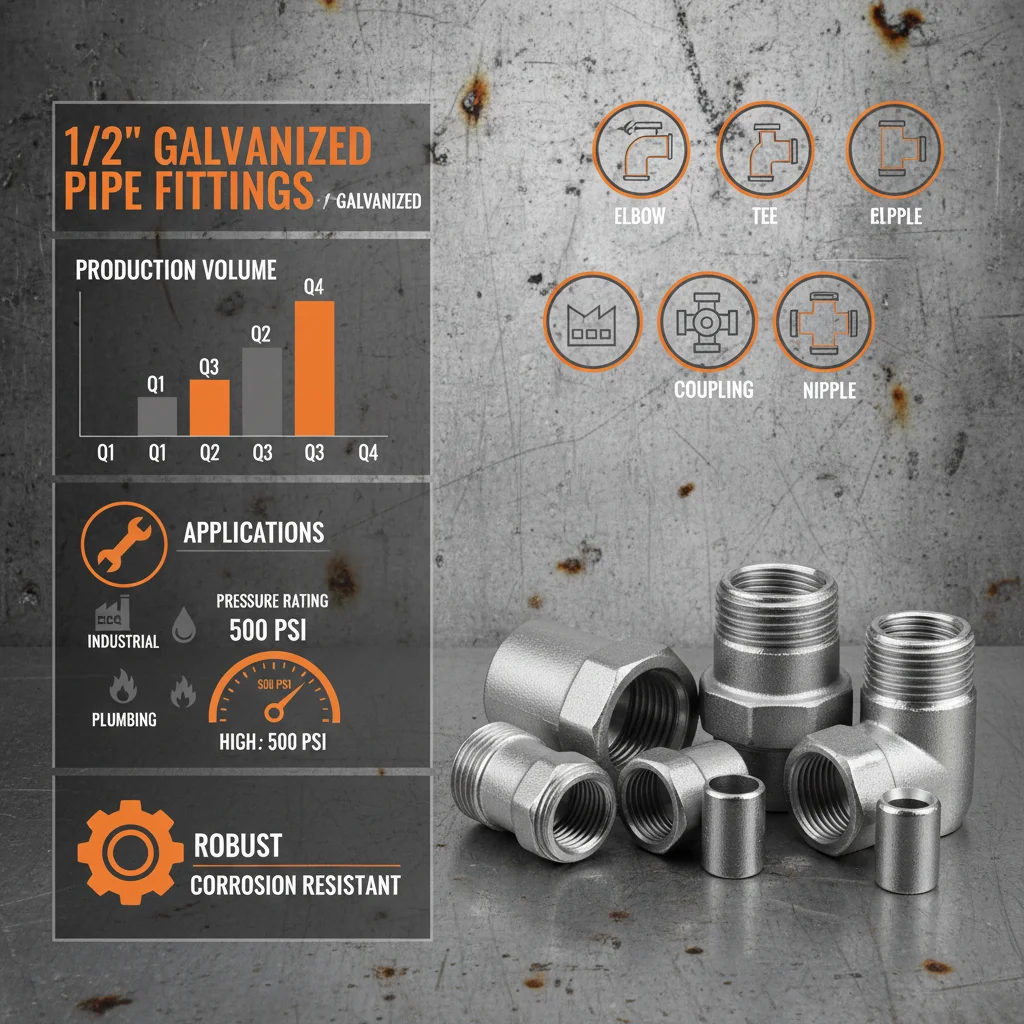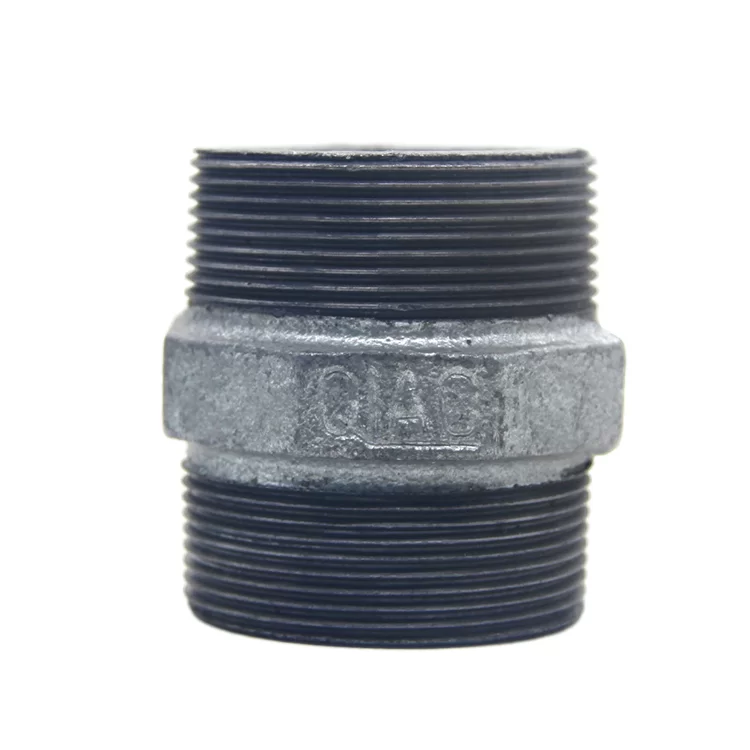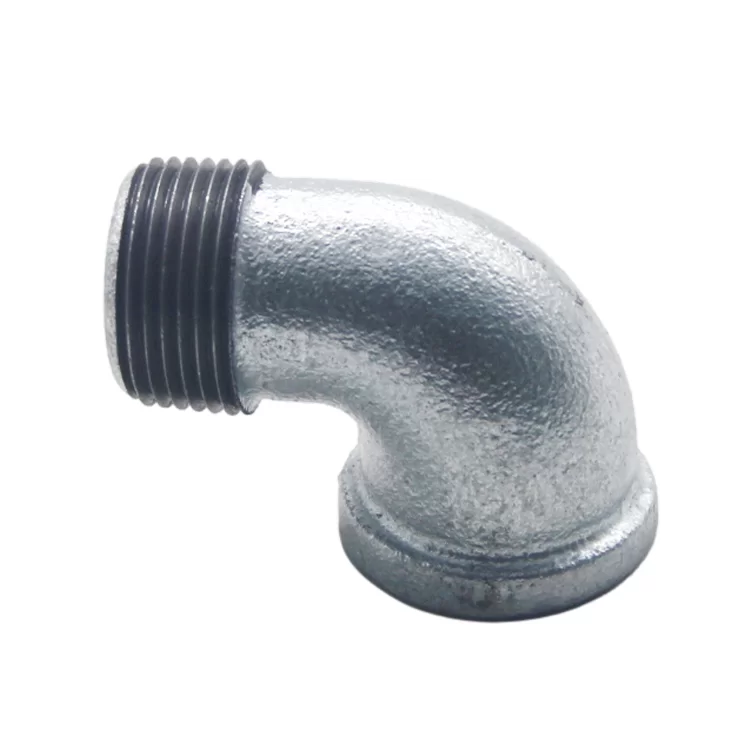

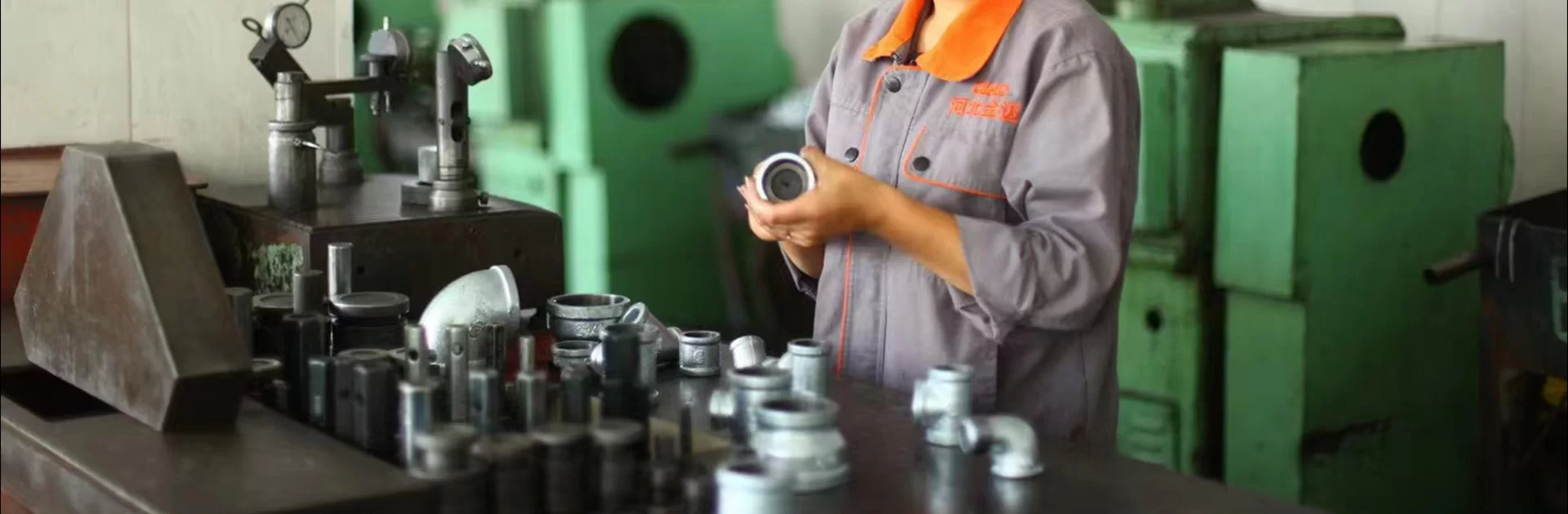
When constructing or maintaining piping systems, the selection of the right fittings is critical for ensuring durability, safety, and longevity. Galvanized pipe fitting are a widely used solution, particularly in plumbing, industrial, and construction applications. This article offers an in-depth look at galvanized pipe fittings, their benefits, types, applications, and factors to consider when choosing the right fittings for your project. Understanding the advantages of these fittings, along with their proper implementation, is essential for successful piping system design and installation.
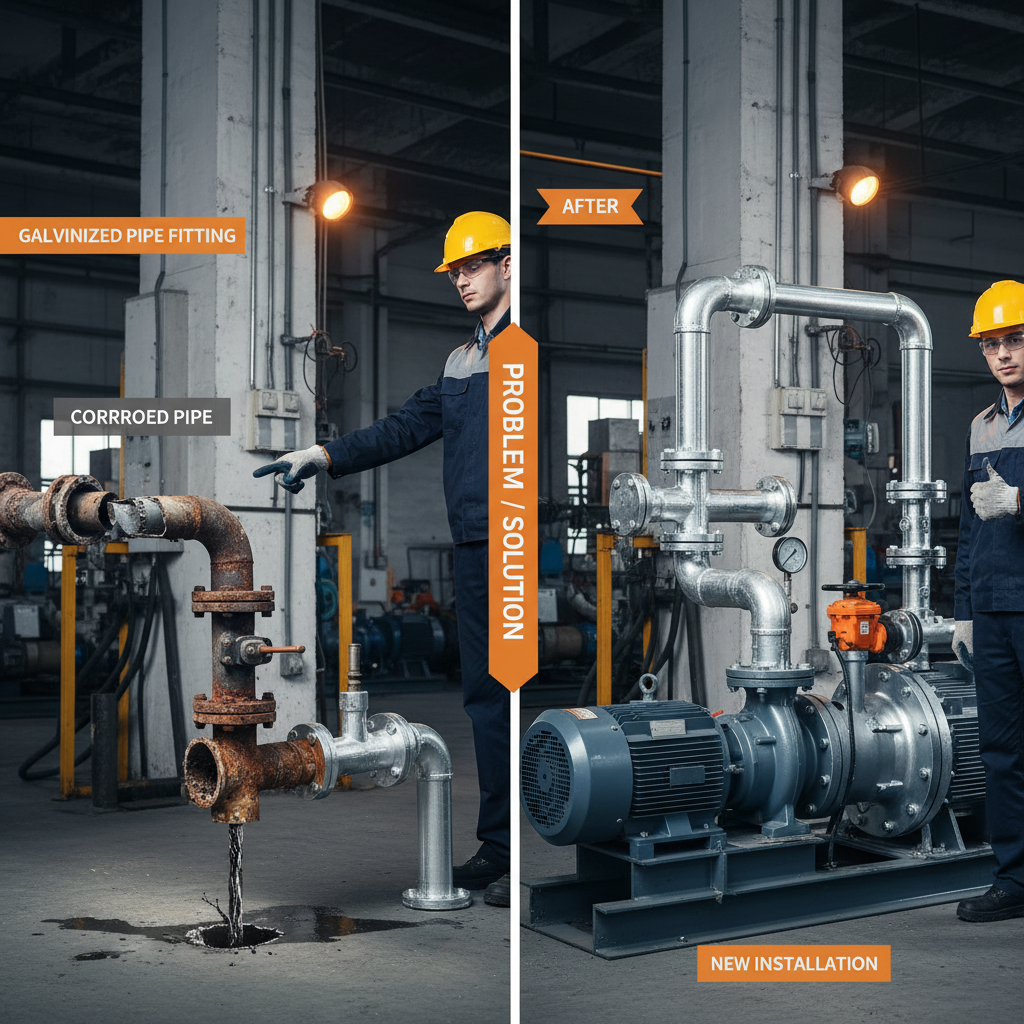
Galvanized pipe fittings are manufactured from steel or iron and coated with a layer of zinc through a process called galvanization. This zinc coating acts as a protective barrier, preventing rust and corrosion. This makes them ideal for applications where exposure to moisture and corrosive elements is a concern. The galvanization process significantly extends the lifespan of the fittings, reducing the need for frequent replacements. These fittings come in a wide array of shapes and sizes to accommodate various piping configurations.
Key Highlights: Galvanized pipe fittings provide excellent corrosion resistance, durability, and versatility, making them a cost-effective solution for a wide range of applications.
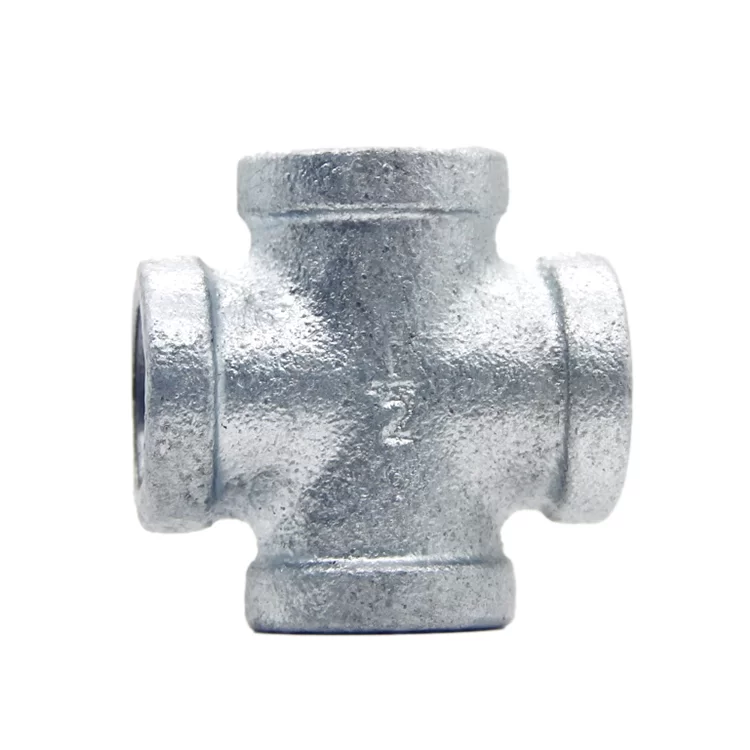
A variety of galvanized pipe fittings are available to create complex piping systems. Common types include:
Couplings: Used to join two pipes together.
Elbows: Change the direction of the pipe (45° or 90° angles).
Tees: Create a branch in the pipe, allowing for three connections.
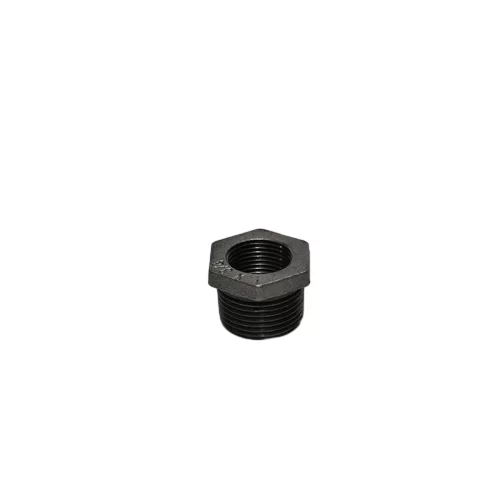
Reducers: Connect pipes of different diameters.
Flanges: Provide a connection point for valves, pumps, and other equipment.
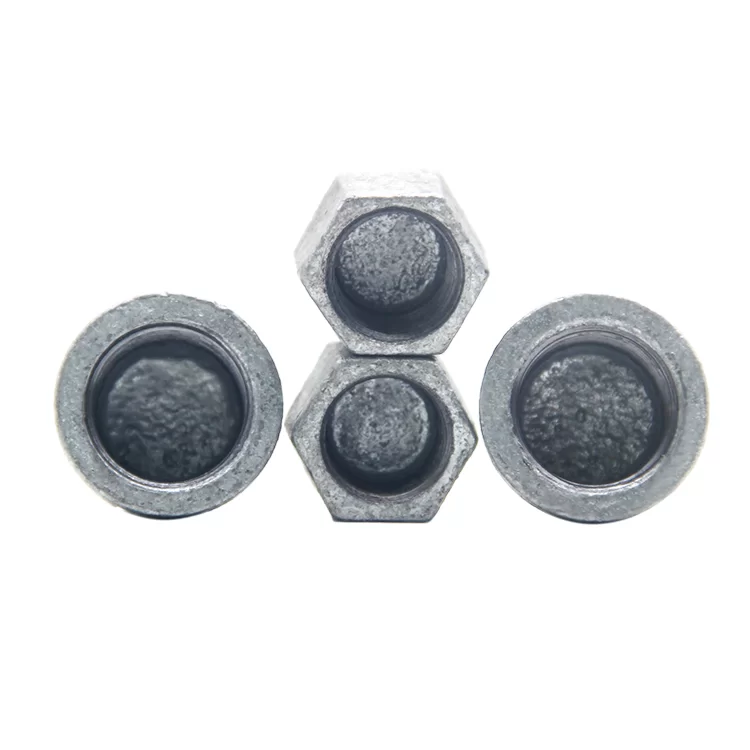
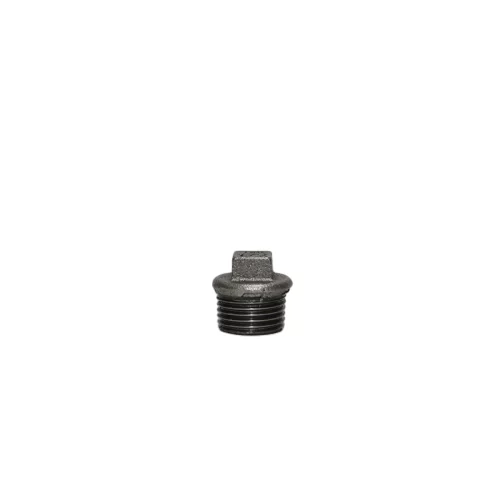
Caps: Seal the end of a pipe.
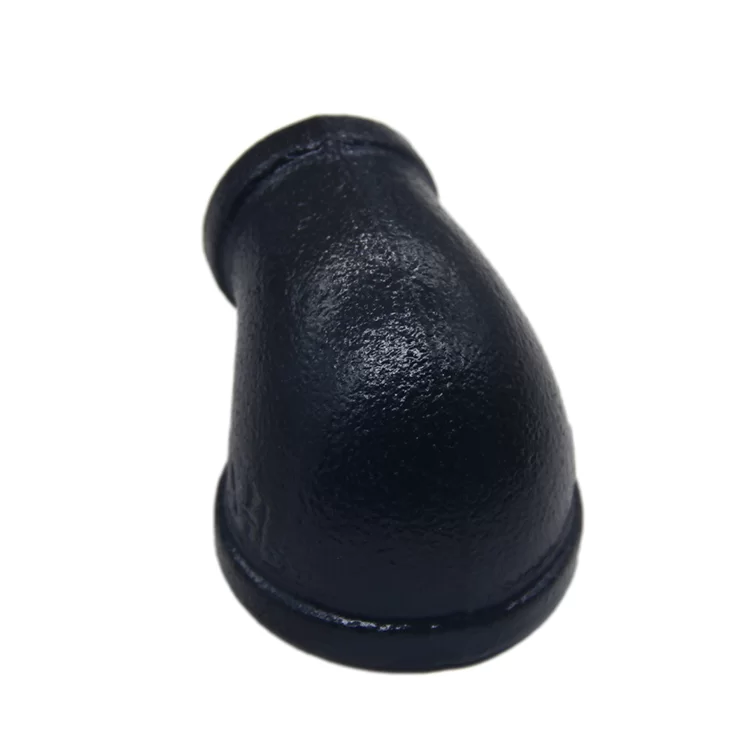
While both galvanized and black pipe fittings are made of steel, their surface treatment differs significantly. Black pipe fittings have a natural mill finish and are susceptible to rust, while galvanized fittings have a protective zinc coating. Here’s a breakdown:
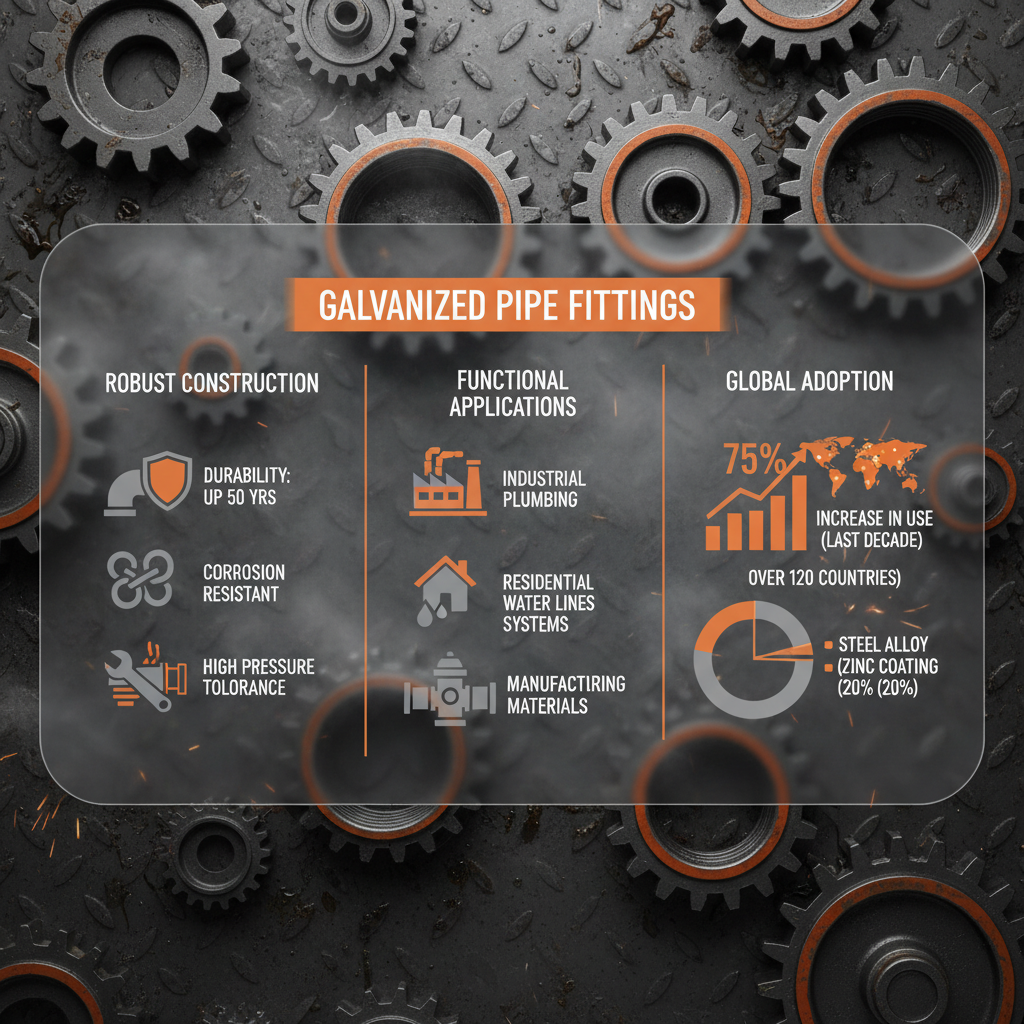
Due to their durability and corrosion resistance, galvanized pipe fittings are used in a wide range of industries and applications, including:
Plumbing Systems: Water supply lines, drainage systems, and irrigation.
Fire Sprinkler Systems: Ensuring reliable water delivery in fire emergencies.
Industrial Piping: Transporting liquids and gases in manufacturing plants and chemical processing facilities.
Construction: Supporting structures and providing conduit for utilities.
Agricultural Applications: Irrigation systems and livestock water supply.
When choosing galvanized pipe fittings, consider the following factors:
Pipe Material: Ensure compatibility between the fittings and the pipe material (e.g., steel, iron).
Size and Diameter: Select the appropriate size and diameter to match the piping system requirements.
Pressure Rating: Choose fittings with a pressure rating that exceeds the maximum operating pressure of the system.
Application: Consider the specific application and environmental conditions (e.g., exposure to chemicals, temperature fluctuations).
Standards Compliance: Ensure the fittings meet relevant industry standards (e.g., ANSI, ASTM). You can find more information about quality standards and our product range at Jinmai Casting.
Galvanized pipe fittings remain a popular and reliable choice for a multitude of piping applications. Their inherent corrosion resistance, durability, and versatility make them a cost-effective solution for both residential and industrial projects. Proper selection and installation are key to ensuring the longevity and safety of your piping system. Explore the comprehensive range of galvanized fittings available at Jinmai Casting for your next project.
The lifespan of galvanized pipe fittings can vary significantly based on the environment they're exposed to. Generally, they can last for 40-70 years in ideal conditions (e.g., indoor, dry environments). However, in harsh conditions – such as coastal areas with high salt exposure, or areas with acidic soil – the lifespan can be considerably shorter. Regular inspection and maintenance can help extend their lifespan by identifying and addressing any signs of corrosion early on. Proper installation and avoiding mechanical damage also play a crucial role in longevity.
Generally, yes, galvanized pipe fittings are considered safe for potable water systems. However, a small amount of zinc can leach into the water, particularly when the system is new. This level of zinc is typically within acceptable limits set by health organizations. Over time, a protective layer of zinc carbonate forms inside the pipes, reducing further leaching. Some municipalities may have specific regulations regarding the use of galvanized pipes for potable water, so it's always best to check local codes. For sensitive applications, consider using lead-free brass or copper fittings instead.
Galvanized pipe fittings are traditionally connected using threaded connections. Pipe thread sealant (pipe dope) or Teflon tape is essential to create a watertight seal. It's important to apply the sealant correctly to avoid leaks. Avoid over-tightening the connections, as this can damage the fittings. For larger diameter pipes, welding may be used, but this requires specialized skills and equipment. Ensure proper preparation of the pipe ends before applying sealant and tightening the connections. Always follow the manufacturer's recommendations for specific fitting types.
Using galvanized pipe fittings with dissimilar metals (like copper or brass) can lead to galvanic corrosion. This happens because the zinc coating is more anodic (reactive) than these other metals, causing the zinc to corrode preferentially, protecting the other metal but ultimately weakening the galvanized fitting. To mitigate this, use dielectric unions or nipples to isolate the dissimilar metals, preventing direct contact. Alternatively, consider using fittings made of a compatible material.